
Top vegan protein sources for better wellness and fitness
TL;DR:
- Choosing a high-quality plant-based protein involves examining amino acid completeness, digestibility, and minimal processing. Diverse sources like pea, rice, hemp, and ancient grains provide essential nutrients and support various health and fitness goals. Unlike whey, vegan proteins reduce environmental impact, improve gut health, and match animal proteins in muscle-building effectiveness when selected thoughtfully.
Choosing a plant-based protein that actually delivers on nutrition feels overwhelming when every brand promises to be the cleanest, the most complete, the most effective. The shelves are packed, the labels are confusing, and the marketing noise rarely tells you what your body genuinely needs. What you really want is a clear, honest framework for selecting vegan proteins that support your fitness goals, sit well with your digestion, and fit into real daily life. This guide cuts through the noise with practical criteria, a breakdown of the best options, and a direct comparison with whey, so you can make a confident, informed choice.
Table of Contents
- How to choose high-quality plant-based protein
- Top sources of plant-based vegan protein and ancient grains
- Plant-based protein vs. whey: Nutrition, taste and health impact
- Recommended vegan protein options by fitness goals
- What most people get wrong about vegan protein
- Upgrade your diet with high-quality vegan protein products
- Frequently asked questions
Key Takeaways
| Point | Details |
|---|---|
| Quality matters most | Not all plant-based proteins are equal—focus on complete, digestible sources for best results. |
| Match your goals | Select the right protein based on whether you prioritise strength, endurance, or balanced wellness. |
| Variety is key | Combining diverse protein sources and whole grains ensures full nutrition and culinary enjoyment. |
| Plant protein boosts wellness | Research links plant protein to lower cardiovascular risks and sustainable eating. |
How to choose high-quality plant-based protein
Not all vegan proteins are created equal. Before you reach for a product because of clever packaging or an influencer recommendation, it pays to understand exactly what makes a plant-based protein genuinely worth your money and your trust.
Protein completeness and amino acid profile should be your first checkpoint. A complete protein contains all nine essential amino acids that your body cannot produce on its own. Animal proteins are almost always complete, but many plant sources fall short on one or two amino acids, commonly lysine or methionine. The good news is that plant-based protein quality has improved considerably with modern blending techniques that combine sources like pea and rice to create a full amino acid spectrum.
Digestibility and absorption matter just as much as amino acid content. Look for a high PDCAAS (Protein Digestibility Corrected Amino Acid Score) or DIAAS (Digestible Indispensable Amino Acid Score). Protein quality and digestibility are the key selection factors in plant-based nutrition, so a product with 25g of protein per serving is only as good as the percentage your body can actually use.
Here is a quick checklist to guide your selection:
- Amino acid completeness: Look for blended proteins or complete sources like quinoa and hemp
- Added sugars and sweeteners: Avoid maltodextrin, sucralose, and artificial flavours that inflate calorie count without nutritional benefit
- Allergen transparency: Soy, pea, and gluten-based proteins carry common allergen risks; always check the label
- Organic and minimal processing: Fewer processing steps generally mean more intact micronutrients and a cleaner product
- Sustainability: Pea and hemp protein have a significantly lower carbon footprint than dairy or meat-based proteins
Pro Tip: If a protein blend lists more than eight ingredients on the label, ask yourself what each one is doing there. Simple, short ingredient lists are nearly always a sign of a higher-quality product.
Having set out why a sensible framework is essential, let us now examine the top vegan protein options you can trust.
Top sources of plant-based vegan protein and ancient grains
Now that you know what to look for, let us explore individual vegan protein choices and their unique properties. Each source below has a distinct nutritional profile, which means the best choice for you depends on your goals, taste preferences, and digestive tolerance.
Pea protein is currently the most widely used plant-based protein, and for good reason. It is naturally high in branched-chain amino acids (BCAAs), particularly leucine, which is the amino acid most directly linked to triggering muscle protein synthesis. Pea protein is also hypoallergenic, meaning it is unlikely to cause reactions in people who are sensitive to soy or dairy. It blends smoothly into shakes and works well in baking.
Brown rice protein offers excellent digestibility and is another hypoallergenic option. It is lower in lysine compared to pea protein, which is why the two are so frequently combined. The result is a protein that rivals whey in terms of post-workout muscle repair. Studies support protein for vegans’ well-being showing rice protein can support lean muscle gains when consumed consistently alongside resistance training.
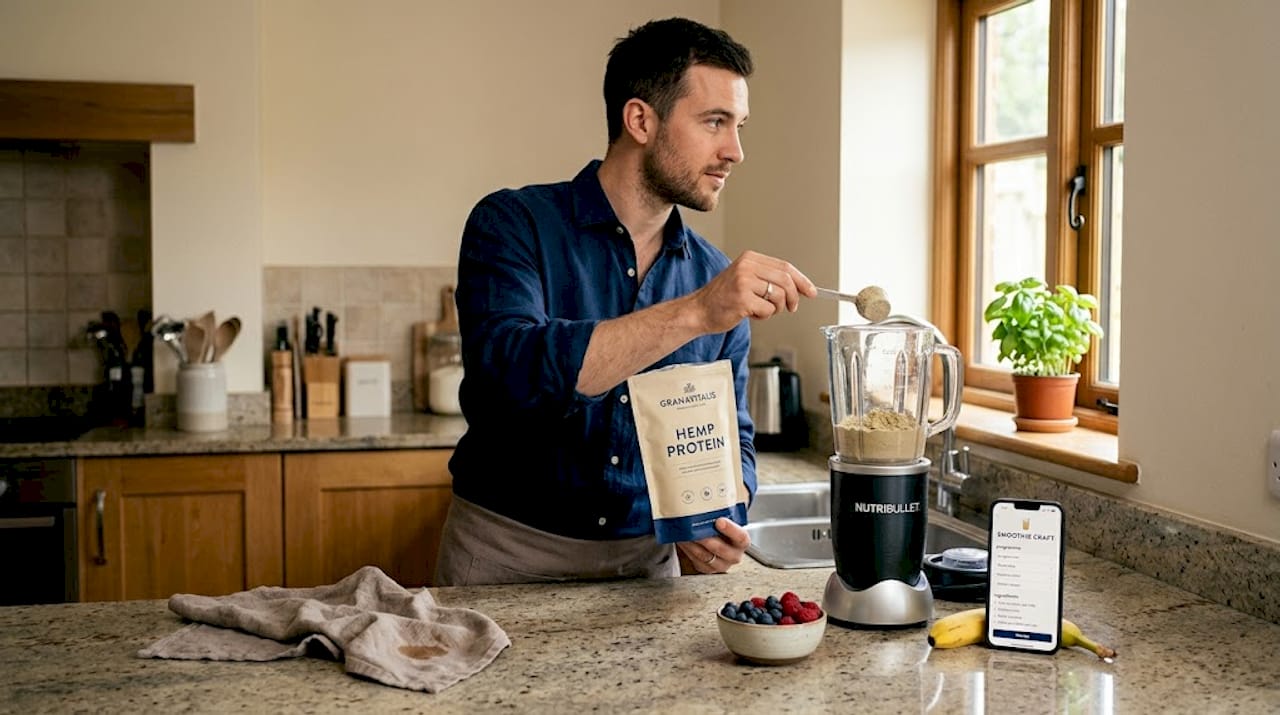
Hemp protein stands out because it brings omega-3 fatty acids to the table alongside protein, something almost no other protein powder offers. It also contains fibre, magnesium, and iron, making it closer to a whole food than a refined supplement. The protein content per serving is slightly lower than pea or rice, typically around 15g per 30g serving, but the nutritional breadth more than compensates.
Quinoa is technically an ancient grain, but it functions as a complete protein source containing all nine essential amino acids. It is genuinely exceptional among grains in this regard. Cooked quinoa provides roughly 8g of protein per cup, along with a solid dose of iron, magnesium, and B vitamins. It is ideal as a whole-food base for bowls, salads, and warm breakfasts.
Chia seeds deliver around 5g of protein per two tablespoons, alongside impressive amounts of omega-3s, calcium, and soluble fibre. They expand in liquid to form a gel, making them perfect for overnight oats, puddings, and smoothies. The role of protein in vegan diets extends beyond muscle; adequate protein is essential for immune function, hormone regulation, and satiety, and chia seeds contribute meaningfully to daily totals.
Amaranth, buckwheat, and other ancient grains are making a well-deserved comeback. Amaranth is a pseudocereal with around 9g of protein per cooked cup and a lysine content significantly higher than most grains. Buckwheat, despite its name, is entirely gluten-free and contains all essential amino acids. Both work beautifully in porridge, flatbreads, and grain bowls. For a wider range of ancient grain superfoods, superfoods selection highlights some excellent options worth exploring.
The highest-quality vegan protein sources for building muscle and supporting wellness sit squarely in this group, especially when you rotate between them for nutritional variety.
Pro Tip: Rotating your protein sources across the week, rather than relying solely on one powder, gives your gut microbiome more variety to thrive on and reduces the risk of developing a sensitivity to any single source.
Plant-based protein vs. whey: Nutrition, taste and health impact
Understanding these individual options makes it easier to weigh them against the most common protein source: whey.
| Feature | Plant-based protein | Whey protein |
|---|---|---|
| Amino acid completeness | Complete when blended; varies by source | Complete |
| Digestibility | Good to excellent (pea, rice, hemp) | Excellent |
| Lactose content | None | Present (except isolate) |
| Environmental impact | Significantly lower | Higher |
| Saturated fat | Very low | Low to moderate |
| Additional nutrients | Fibre, omega-3s, micronutrients | Calcium, B vitamins |
| Cost | Comparable to mid-range whey | Comparable |
| Taste and texture | Earthy, grainy; blends well | Creamy, neutral |
Whey has long been the gold standard for post-workout recovery, and its complete amino acid profile and high leucine content are genuinely impressive. However, it is not without drawbacks. Many people experience bloating, gas, or digestive discomfort from whey, particularly those who are lactose-intolerant, which affects a significant portion of the adult population.
From a cardiovascular perspective, the case for plant protein is compelling. Plant protein is associated with a 19% lower risk of cardiovascular disease compared to animal protein. That is a meaningful number when you are thinking about long-term health alongside short-term performance.
“Choosing plant protein is not a compromise. It is a conscious investment in both immediate performance and long-term health, supported by growing nutritional science.”
In terms of taste and texture, whey does win for creaminess and versatility in flavoured products. Plant-based proteins can carry an earthy or chalky note, though this varies significantly by brand and source. Pea protein, for example, has improved considerably in flavour over the past few years. When you explore whey vs vegan protein in detail, the gap in performance outcomes is far smaller than most people expect. For a direct analysis of which boosts fitness best, current research suggests parity in muscle synthesis outcomes when total leucine intake is matched.
Key considerations when making your choice:
- If you have dairy sensitivity or follow a vegan lifestyle, plant protein is clearly the right fit
- If environmental impact matters to you, plant sources win decisively on every sustainability metric
- If you prioritise taste and creaminess above all else, whey may still hold an edge in certain applications
- If you want the added benefit of fibre, omega-3s, and micronutrients in your protein, plant sources provide this naturally
Recommended vegan protein options by fitness goals
To make your decision even simpler, let us align the best protein source with typical wellness and fitness goals.
| Fitness goal | Recommended protein source | Why it fits |
|---|---|---|
| Muscle building | Pea and rice protein blend | High BCAAs, complete amino acids |
| Endurance and recovery | Hemp protein | Omega-3s reduce inflammation |
| Weight management | Pea protein | High satiety, low in fat |
| Digestive sensitivity | Brown rice protein | Hypoallergenic, gentle on digestion |
| Whole-food focus | Quinoa, amaranth, buckwheat | Natural, unprocessed, nutrient-rich |
| Hormonal balance | Hemp and chia-based options | Rich in healthy fats and minerals |
Here is a practical approach to selecting the right fit for your routine:
- Identify your primary goal first: muscle gain, weight management, energy, or general wellness. This single step narrows your options considerably.
- Note any digestive sensitivities before purchasing. Soy protein, while effective, is one of the most common food allergens and can cause gut discomfort for some people.
- Consider how you will use it. Smooth blending proteins like pea work best in shakes; heartier options like buckwheat or amaranth suit warm meals and baking.
- Check the protein per serving against your daily targets. Most active adults benefit from 1.4 to 2.0g of protein per kilogram of body weight daily.
- Try before committing to bulk. Many high-quality brands offer smaller trial sizes, which lets you test taste, texture, and digestive response before investing in a 1kg bag.
Certain vegan protein powders are particularly well-suited for women and specific dietary needs, including those managing hormonal health or bone density. The best vegan protein shakes for fitness and wellness provide a useful starting point for those new to plant-based supplementation. For a broader look at nutrition fundamentals, the guide to nutritious food from Recipe for Success is a valuable resource.
Pro Tip: For smoothies, combine pea protein with a frozen banana, a tablespoon of chia seeds, and oat milk for a shake that delivers complete protein, fibre, and slow-release carbohydrates in one go.
What most people get wrong about vegan protein
With the best matches set, here is a fresh perspective on how to see vegan protein in your diet.
The biggest myth is still the “incomplete protein” argument. Yes, some individual plant sources are lower in one or two amino acids. But people do not eat a single food in isolation. Your body pools amino acids from everything you eat across the day, not just from a single meal or serving. If you eat a varied, whole-food plant-rich diet, you are almost certainly covering your full amino acid requirements without any strategic combining at every meal. Protein in plants can be just as effective as animal sources when chosen thoughtfully, and the science is firmly behind this position.
The second mistake is treating protein quantity as the only variable that matters. Diversity is arguably more important. Eating a wide range of plant proteins, grains, legumes, seeds, and nuts does not just cover your amino acid bases. It also feeds a more diverse gut microbiome, delivers a broader spectrum of micronutrients, and reduces the risk of over-relying on any single processed supplement. A diet built on pea protein powder alone is nutritionally narrower than one built on quinoa, hemp seeds, lentils, and brown rice, even if the total protein gram count is identical.
The third and perhaps most underrated issue is the over-emphasis on supplementation. Whole food sources of high-quality plant protein like tempeh, edamame, buckwheat, and hemp seeds often outperform powders when it comes to the full package of nutrients. Supplements have a role, particularly for convenience and hitting targets around training, but they should support a whole-food foundation, not replace one.
Think of plant-based protein not as a workaround to animal protein, but as a nutritional strategy in its own right, one with genuine advantages for long-term health, sustainability, and whole-body wellness.
Upgrade your diet with high-quality vegan protein products
If you are ready to put these insights into practice, consider adding these curated products to your plant-based routine.
At Granavitalis, we select every product for purity, nutritional integrity, and real-world usefulness. Our nut and seed butters are a brilliant way to add healthy fats and protein to your daily meals without any fuss.
Try raw organic pecan butter stirred into overnight oats or blended into a post-workout shake for a rich, nutrient-dense boost. The organic nut and seed butters selection box is the ideal way to discover your favourite flavour pairing. For a satisfying snack or salad topping, nibbed hazel nuts offer crunch, protein, and healthy fats in their most natural form. And for those who love depth of flavour, organic toasted hazelnut butter is a versatile addition to smoothies, baking, or simply spread on a rice cake.
Frequently asked questions
Is plant-based vegan protein complete?
Some plant-based proteins are complete, containing all essential amino acids, though others benefit from being paired with complementary sources. Protein quality varies across plant sources, which is why variety in your diet matters as much as the quantity you consume.
Can you build muscle on vegan protein?
Yes, with a balanced diet and consistent protein intake, vegan protein supports muscle synthesis as effectively as animal-based alternatives. Vegan sources are suitable for fitness goals and muscle repair when leucine-rich options like pea protein are included.
How does plant-based protein impact heart health?
Plant protein is associated with a meaningfully lower risk of cardiovascular disease compared to animal protein. Specifically, 19% lower CVD risk has been observed in research comparing plant to animal protein consumption over time.
Are there any allergens in vegan protein powders?
Some vegan proteins, particularly soy and pea, can trigger reactions in individuals with specific sensitivities. Protein selection should consider allergens carefully, so always read the full ingredient list before purchasing a new product.
What are the best ways to use plant-based protein every day?
Add vegan protein powders to smoothies, porridge, or homemade energy balls, or build meals around ancient grains like quinoa and buckwheat. The 2026 vegan protein guide includes practical recipe ideas for incorporating plant protein into everyday eating with minimal effort.
Recommended
- Vegan protein vs whey: which boosts fitness best? – Granavitalis
- Best complete vegan protein powder for wellness in 2026 – Granavitalis
- Top 10 Vegan Sources of Protein for Your Diet – Granavitalis
- Whey vs vegan protein: Which is better for fitness? – Granavitalis
- Les résolutions santé de 2025: Top 10 des compléments alimentaires pou – Vitalcup