
Best complete vegan protein powder for wellness in 2026
Choosing a vegan protein powder can feel overwhelming when labels promise completeness but ingredients lists confuse. Many health-conscious individuals worry whether plant proteins truly deliver all essential amino acids needed for muscle recovery, energy, and daily vitality. The truth is simpler than marketing suggests: understanding what makes a protein complete and how blends work transforms your selection process. This guide cuts through the noise, showing you exactly how to choose a vegan protein powder that supports your fitness goals, aligns with your dietary values, and fits seamlessly into your lifestyle. You’ll discover which plant sources offer complete profiles, how to assess quality, and practical ways to integrate powders into balanced nutrition.
Table of Contents
- What Makes A Vegan Protein Powder Complete?
- Top Types Of Complete Vegan Protein Powders In 2026
- How To Choose The Best Vegan Protein Powder For Your Fitness And Wellness Goals
- Integrating Vegan Protein Powders Into A Balanced Diet
- Explore Premium Vegan Protein And Superfood Options At Granavitalis
- FAQ
Key takeaways
| Point | Details |
|---|---|
| Complete proteins matter | Complete proteins contain all nine essential amino acids required for optimal health and fitness. |
| Blends create completeness | Combining pea, rice, hemp, or soy proteins ensures balanced amino acid profiles for muscle support and recovery. |
| Personal goals guide choice | Your activity level, allergen sensitivities, and wellness objectives determine the ideal powder formulation. |
| Integration enhances results | Pairing protein powders with varied whole plant foods optimises nutrient intake and sustained energy. |
| Quality certifications count | Look for organic, non-GMO, and transparent ingredient labels to ensure purity and performance. |
What makes a vegan protein powder complete?
A complete protein delivers all nine essential amino acids your body cannot synthesise on its own. These amino acids, including leucine, lysine, and methionine, drive muscle repair, immune function, and cellular health. Unlike animal proteins that naturally contain complete profiles, most plant proteins lack one or more essential amino acids. However, strategic blending of complementary plant sources creates complete vegan protein powders that rival traditional whey or casein.
Several plant proteins stand out for their amino acid richness. Soy and quinoa are naturally complete, offering all nine essentials in adequate proportions. Pea protein excels in branched-chain amino acids crucial for muscle recovery but runs lower in methionine. Rice protein provides methionine but lacks lysine. Hemp protein offers a moderate complete profile with added omega-3 fatty acids. When manufacturers combine pea and rice, or blend hemp with other sources, they create synergistic formulas that cover all amino acid bases. This blending mirrors traditional food pairings like rice and beans, where complementary proteins unite to form completeness.
Your body requires balanced amino acid intake throughout the day to maintain muscle mass, support immune defences, and fuel metabolic processes. Without adequate essential amino acids, protein synthesis slows, recovery drags, and energy dips. The role of protein in vegan diets extends beyond muscle building to include hormone production, enzyme activity, and tissue repair. Choosing a complete vegan protein powder ensures you meet these needs efficiently, especially during periods of increased physical demand or when whole food variety is limited.
Pro Tip: Check the amino acid breakdown on product labels or brand websites. Quality manufacturers transparently display leucine content and overall amino acid scores, helping you verify completeness before purchase.
Key factors that define completeness include:
- Presence of all nine essential amino acids in measurable amounts
- Leucine content above 2g per serving to trigger muscle protein synthesis
- Digestibility score indicating how well your body absorbs and utilises the protein
- Absence of limiting amino acids that restrict overall protein quality
Top types of complete vegan protein powders in 2026
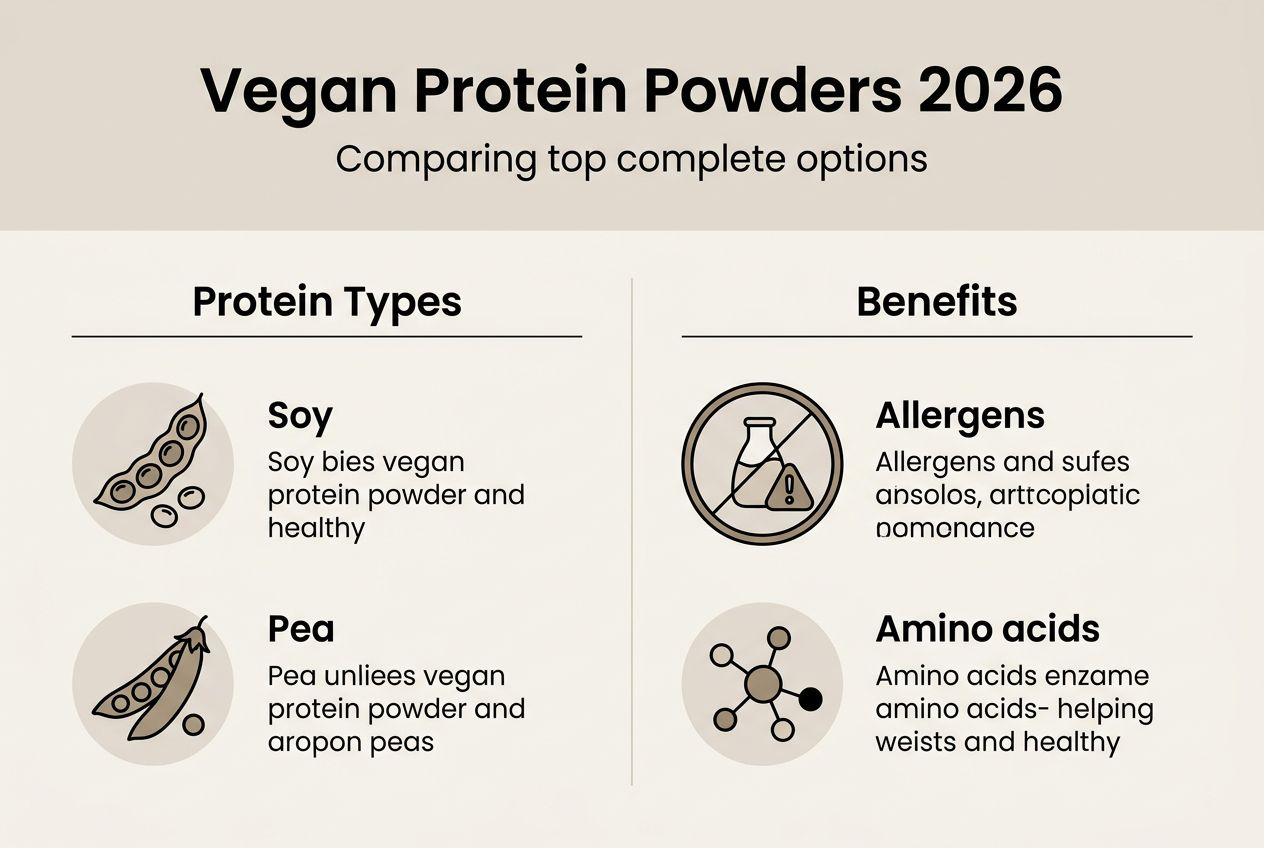
European consumers in 2026 enjoy diverse vegan protein options, each offering unique nutritional profiles and practical benefits. Understanding types of vegan protein powders helps you navigate choices aligned with your wellness priorities. Pea and rice protein blends dominate the market for their balanced amino acid profiles and hypoallergenic properties, making them suitable for individuals with soy or gluten sensitivities. These blends typically deliver 20 to 25g of protein per serving with minimal additives, supporting muscle recovery without digestive discomfort.
Soy protein isolate remains a powerhouse for those without soy allergies, offering a naturally complete profile with high leucine content. It mixes smoothly and provides excellent value per gram of protein. Hemp protein brings additional benefits beyond amino acids, including omega-3 and omega-6 fatty acids, fibre, and minerals like magnesium and iron. While lower in protein concentration per serving, hemp supports cardiovascular health and digestive regularity. Quinoa protein, though less common, appeals to those seeking ancient grain nutrition with complete amino acid coverage and a mild, neutral flavour.
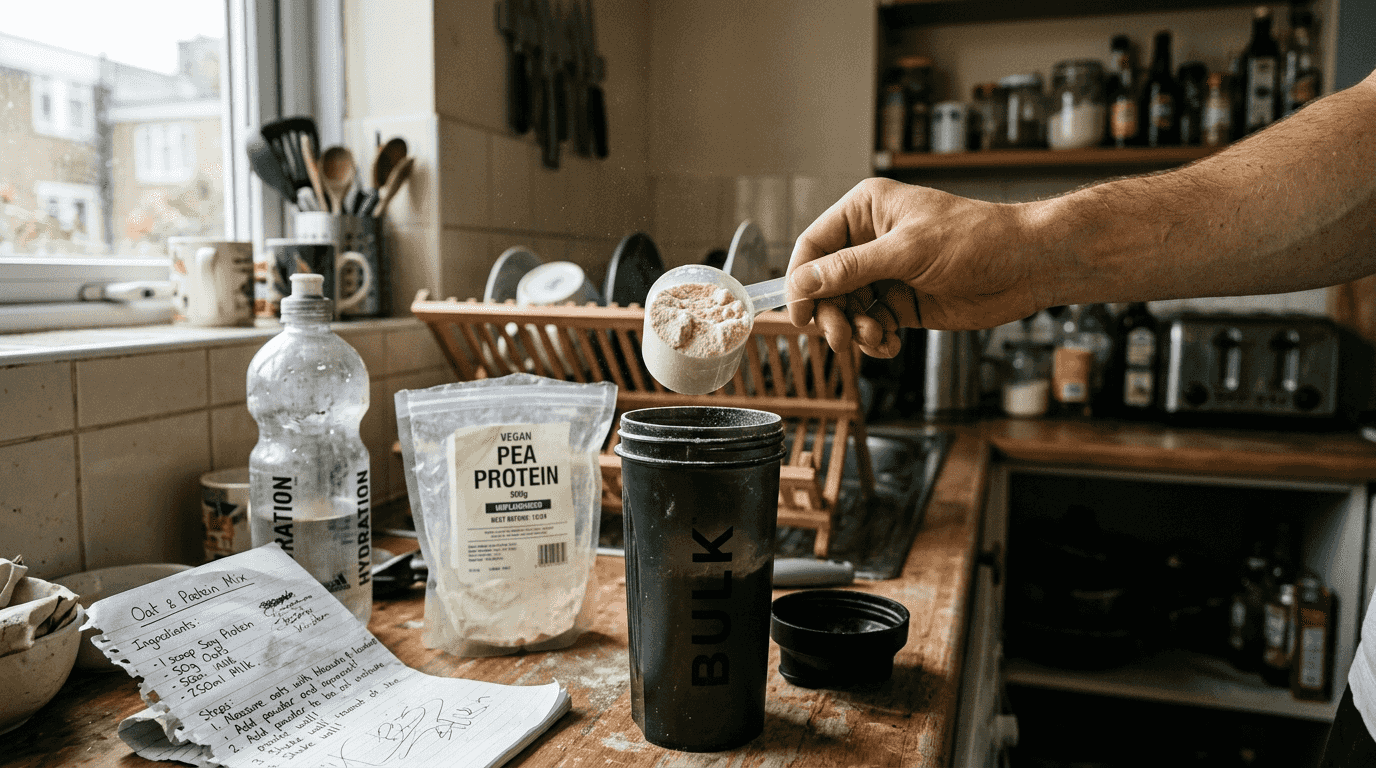
Blended formulas combine three or more plant proteins to maximise completeness and enhance texture. Many premium blends incorporate superfoods like spirulina, chlorella, or maca for added micronutrients and antioxidants. These formulations cater to athletes and wellness enthusiasts seeking comprehensive nutrition in a single scoop. The cleanest plant based protein powder in 2026 prioritises minimal processing, organic certification, and transparent sourcing, reflecting growing consumer demand for purity alongside performance.
| Protein Type | Protein per Serve | Amino Acid Completeness | Allergen Notes | Key Benefits |
|---|---|---|---|---|
| Pea & Rice Blend | 22-25g | Complete when blended | Hypoallergenic | Balanced profile, easy digestion |
| Soy Isolate | 24-27g | Naturally complete | Contains soy | High leucine, cost effective |
| Hemp Protein | 15-18g | Moderately complete | Allergen friendly | Omega fatty acids, fibre rich |
| Quinoa Protein | 18-20g | Naturally complete | Gluten free | Ancient grain nutrition, mild taste |
| Multi-Blend | 20-24g | Complete via combination | Varies by formula | Enhanced micronutrients, diverse amino acids |
Environmental and ethical considerations increasingly influence powder selection. Pea protein requires less water and land than soy, appealing to eco-conscious consumers. Organic certifications ensure crops grow without synthetic pesticides, aligning with clean eating values. Non-GMO labels provide transparency about genetic modification, important for those prioritising natural food sources. Digestibility varies by protein type and processing method, with isolates generally absorbing faster than concentrates. Cold-pressed or minimally processed powders retain more phytonutrients but may have grittier textures.
Pro Tip: Rotate between different protein types weekly to benefit from varied amino acid ratios and prevent flavour fatigue. This strategy also reduces potential sensitivity from repeated exposure to a single protein source.
How to choose the best vegan protein powder for your fitness and wellness goals
Your daily protein requirements depend on body weight, activity intensity, and wellness objectives. Sedentary adults need roughly 0.8g per kilogram of body weight, while active individuals training regularly require 1.6 to 2.2g per kilogram to support muscle repair and growth. Calculate your baseline needs, then assess how much protein you obtain from whole foods versus supplementation. If meals provide 60 to 80g daily, a single 25g protein shake fills gaps without excess. Personal nutrition goals and tolerances should guide protein powder selection for optimal results, ensuring formulas match your training demands and dietary patterns.
Allergen sensitivities narrow choices but shouldn’t compromise completeness. Soy-free options like pea and rice blends suit those avoiding legumes, while hemp and quinoa serve gluten-sensitive individuals. Check labels for cross-contamination warnings if you manage severe allergies. Digestive comfort matters as much as amino acid profiles. Some people experience bloating from pea protein, while others tolerate it perfectly but struggle with soy. Starting with small servings helps gauge tolerance before committing to large containers. Enzyme-enhanced formulas or fermented proteins improve digestibility for sensitive systems.
Flavour and mixability influence consistency of use. Unflavoured powders offer versatility for savoury recipes and smoothies but may taste earthy or chalky alone. Naturally sweetened vanilla or chocolate varieties using stevia or monk fruit appeal to those seeking convenient shakes without refined sugars. Test mixability by shaking with water in a bottle. Quality powders dissolve smoothly without clumps or gritty residue. Ingredient transparency builds trust. Avoid proprietary blends that hide exact protein ratios or fillers. Clear labels listing each protein source, percentage, and additional ingredients demonstrate manufacturer integrity.
Certifications validate quality claims and ethical standards. Organic certification ensures crops grow without synthetic chemicals. Non-GMO verification confirms genetic modification absence. Vegan society logos guarantee no animal-derived ingredients or testing. Third-party testing for heavy metals, pesticides, and contaminants adds safety assurance, especially important given plant proteins’ potential for environmental absorption. Low-calorie plant protein blends suit those managing weight while maintaining muscle, offering 100 to 120 calories per serving with minimal fats and carbohydrates.
Follow this stepwise approach to find your ideal powder:
- Calculate daily protein needs based on weight and activity level to determine supplementation gaps.
- Identify allergens and sensitivities to eliminate unsuitable protein sources from consideration.
- Research amino acid profiles to confirm completeness and leucine content for muscle support.
- Compare ingredient lists for transparency, avoiding proprietary blends and excessive additives.
- Check certifications like organic, non-GMO, and vegan to align with personal values and quality standards.
- Order small quantities or sample packs to test flavour, mixability, and digestive tolerance before bulk purchases.
- Monitor energy levels, recovery speed, and overall wellness over two to four weeks to assess effectiveness.
Pro Tip: Read independent reviews from verified purchasers rather than relying solely on brand marketing. Real user experiences reveal practical insights about taste, texture, and results that official descriptions often gloss over.
Integrating vegan protein powders into a balanced diet
Timing and portioning maximise protein powder benefits without displacing whole food nutrition. Consuming 20 to 25g of protein within two hours post-workout optimises muscle protein synthesis, making shakes ideal for recovery. Morning smoothies stabilise blood sugar and sustain energy through mid-morning, especially when paired with healthy fats and complex carbohydrates. Evening servings support overnight muscle repair but should stay light to avoid digestive discomfort during sleep. Divide daily protein across three to five meals and snacks, ensuring each contains 20 to 30g for consistent amino acid availability.
Creative recipes transform protein powders beyond basic shakes. Blend a scoop into overnight oats with almond milk, chia seeds, and berries for a complete breakfast. Stir unflavoured powder into soups, stews, or pasta sauces to boost protein content without altering taste. Mix with nut butter and oats to form energy balls for convenient pre-workout fuel. Add to pancake or waffle batter for protein-packed weekend brunches. These applications distribute protein throughout meals, enhancing satiety and nutrient density without relying solely on liquid supplements.
Pairing powders with diverse whole plant foods ensures comprehensive nutrition beyond amino acids. Combining protein powders with varied plant foods optimises nutrient intake and supports daily wellness through synergistic vitamins, minerals, and phytonutrients. Leafy greens provide iron and calcium, nuts and seeds offer healthy fats and vitamin E, legumes supply fibre and B vitamins, and whole grains deliver sustained energy. This variety prevents nutritional gaps that might occur from over-relying on a single protein source, whether powder or whole food.
| Meal | Whole Food Protein | Powder Serving | Total Protein | Key Nutrients |
|---|---|---|---|---|
| Breakfast | Oats, almond butter | 1 scoop (25g) | 38g | Fibre, healthy fats, vitamin E |
| Lunch | Quinoa, chickpeas, spinach | None | 22g | Iron, folate, complex carbs |
| Snack | None | Half scoop (12g) | 12g | Quick amino acids for recovery |
| Dinner | Lentils, brown rice, vegetables | None | 28g | B vitamins, minerals, antioxidants |
| Daily Total | Varied plant sources | 37g from powder | 100g | Complete micronutrient spectrum |
Avoid overconsumption, which stresses kidneys and displaces other essential nutrients. More protein doesn’t automatically build more muscle. Your body utilises a finite amount per meal, excreting excess through urine. Staying within 2.2g per kilogram body weight for active individuals prevents waste and maintains metabolic balance. Adequate hydration supports protein metabolism and kidney function. Aim for 35 to 40ml of water per kilogram body weight daily, increasing during intense training or hot weather. Protein powders, especially concentrates, draw water into the digestive tract, making hydration crucial for comfortable digestion.
Pro Tip: Prepare smoothie packs in advance by portioning frozen fruit, greens, and powder into individual bags. In the morning, simply blend with liquid for a complete meal in under two minutes, removing barriers to consistent nutrition.
Explore premium vegan protein and superfood options at Granavitalis
Elevating your protein nutrition with complementary superfoods amplifies wellness benefits beyond amino acids alone. Granavitalis offers thoughtfully curated plant-based powders and nutrient-dense accompaniments rooted in wholefood integrity. Our immune booster superfood bundle combines antioxidant-rich botanicals with clean proteins, supporting recovery and resilience through natural synergy. Pair your daily protein shake with raw organic pecan butter for healthy fats and minerals that enhance absorption and satiety, or explore our organic nut and seed butter selection to diversify nutrient intake across meals.
Each product reflects our commitment to purity, performance, and purpose. We source ingredients transparently, process minimally, and prioritise nutrient density that fuels your active lifestyle. Whether you’re building strength, recovering from workouts, or simply nourishing daily wellness, our range supports your journey with real-food vitality. Combining complete vegan proteins with ancient grains, premium nuts, and mindful power-ups creates a foundation for sustained energy and balanced nutrition.
Pro Tip: Enhance your protein shake’s nutrient profile by adding a teaspoon of superfood powder or a tablespoon of nut butter. This simple addition boosts micronutrients, healthy fats, and flavour complexity without extra preparation time.
FAQ
What is the difference between complete and incomplete vegan protein?
Complete proteins contain all nine essential amino acids your body cannot produce, supporting muscle repair, immune function, and cellular health. Incomplete proteins lack one or more essential amino acids, limiting their standalone effectiveness. Many plant proteins are incomplete individually but become complete when blended strategically, such as combining pea protein with rice protein to cover all amino acid bases.
Are vegan protein powders suitable for building muscle?
Properly formulated vegan powders with 20 to 25g protein per serving effectively support muscle growth when paired with resistance training. Leucine content above 2g per serving triggers muscle protein synthesis, the process driving repair and hypertrophy. Ensure adequate daily protein intake tailored to your training intensity, typically 1.6 to 2.2g per kilogram body weight for active individuals seeking muscle gains.
How can I avoid allergens in vegan protein powders?
Check ingredient lists carefully for common allergens like soy, gluten, or tree nuts before purchasing. Blends of pea and rice protein are generally hypoallergenic and easy to digest, making them safe choices for sensitive individuals. Look for products manufactured in dedicated allergen-free facilities if you manage severe allergies, and always start with small servings to assess personal tolerance.
When is the best time to consume vegan protein powder?
Consuming protein within two hours post-workout optimises muscle recovery and growth by maximising protein synthesis during the anabolic window. Morning intake stabilises blood sugar and sustains energy, while evening servings support overnight muscle repair. Distribute protein across multiple meals rather than loading a single sitting, as your body utilises 20 to 30g most efficiently per meal for amino acid absorption and metabolic function.
Can I use vegan protein powder as a meal replacement?
Protein powder can supplement meals but shouldn’t regularly replace whole food nutrition, which provides fibre, phytonutrients, and diverse micronutrients powder lacks. Use shakes strategically when time is limited or appetite is low, but prioritise balanced meals featuring varied plant proteins, vegetables, whole grains, and healthy fats. Combining powder with fruits, greens, and nut butters in smoothies creates more complete meal replacements than powder and liquid alone.
Recommended
- Why Use Vegan Protein Powders for Everyday Wellness – Granavitalis
- Best plant based protein powder for women 2026 – Granavitalis
- Top 10 Vegan Sources of Protein for Your Diet – Granavitalis
- Choose the cleanest plant based protein powder in 2026 – Granavitalis
- Armageddon Sports - Online Fitness Store for Workout Accessories
- Top 4 Paraben-Free Shampoos for Women in 2026 – LUXEVA