
Role of Protein in Vegan Diets: Vitality and Daily Wellness
Most british adults are surprised to learn that over 40 percent of people following plant-based diets do not get enough protein variety each day. Understanding vegan protein sources matters because the right combination fuels everything from muscle repair to steady energy levels. This guide uncovers the smartest ways to tap into the power of plant-based proteins, highlights trusted sources recommended by the British Nutrition Foundation, and shows how diverse ingredients come together to support your health long-term.
Table of Contents
- Defining Vegan Protein: Sources And Functions
- Complete Versus Incomplete Plant Proteins
- Maximising Absorption And Bioavailability
- Meeting Daily Needs For Energy And Recovery
- Avoiding Common Vegan Protein Pitfalls
Key Takeaways
| Point | Details |
|---|---|
| Comprehensive Vegan Protein Sources | A variety of plant-based protein sources, including legumes, nuts, seeds, and whole grains, provide essential amino acids and valuable nutrients when consumed together. |
| Complete and Incomplete Proteins | Understanding the difference between complete and incomplete proteins is vital; combining various plant foods can create a complete amino acid profile. |
| Optimising Protein Absorption | Techniques like soaking, sprouting, and strategic food combinations enhance nutrient bioavailability, improving the effectiveness of plant-based proteins. |
| Avoiding Nutritional Pitfalls | Vegans should focus on diverse, whole food protein sources and monitor micronutrient intake to prevent deficiencies and maintain overall health. |
Defining Vegan Protein: Sources and Functions
Vegan protein represents a nutritional powerhouse derived entirely from plant-based sources, offering comprehensive amino acid profiles that support human health and wellness. Understanding these protein sources requires exploring their diverse origins and remarkable functional capabilities. Protein sources for vegan diets encompass a wide range of nutrient-dense ingredients that collectively provide essential amino acids necessary for bodily functions.
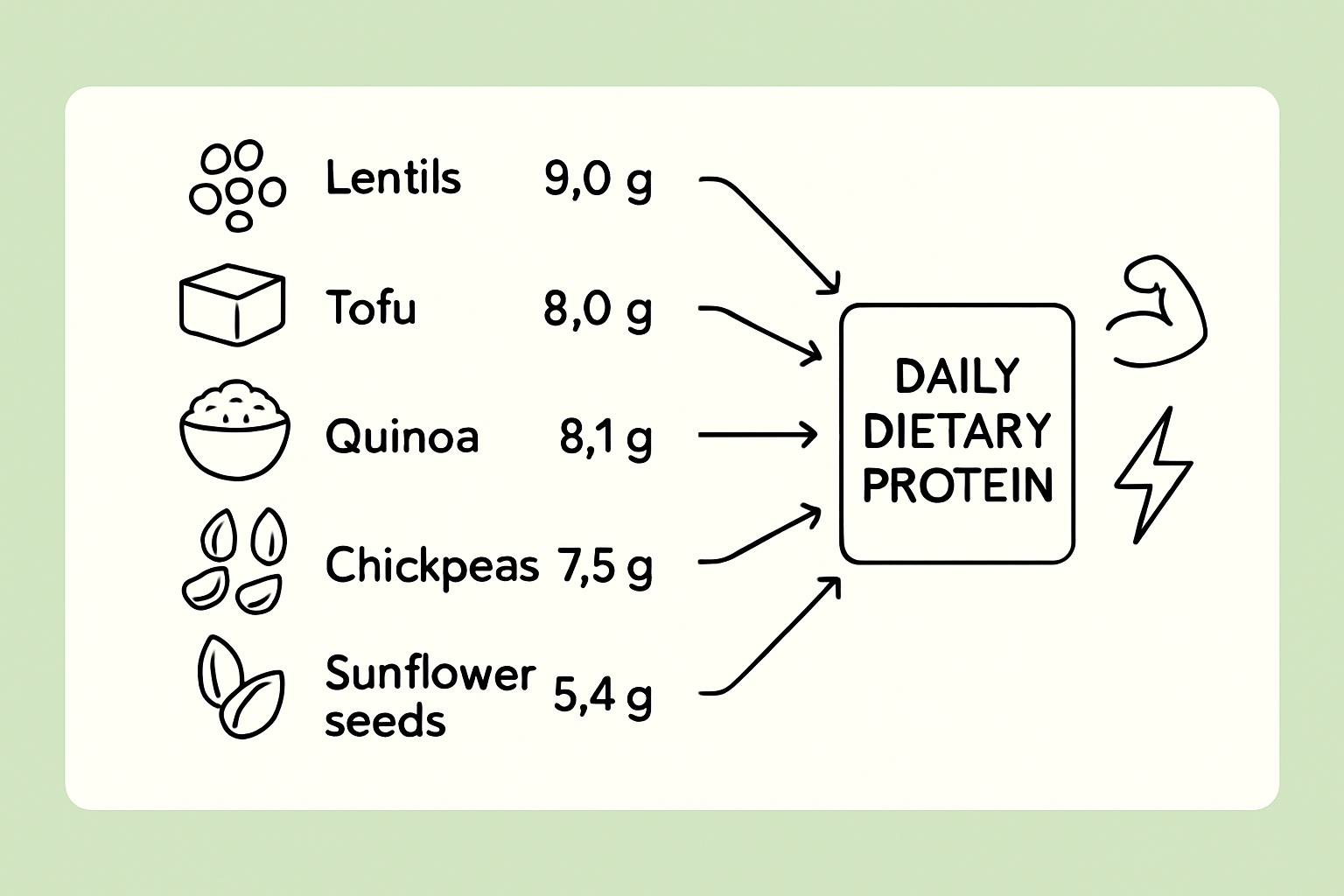
Plant proteins emerge from multiple nutritional kingdoms, including legumes, nuts, seeds, and whole grains. Each category brings unique nutritional advantages. Legumes like lentils, chickpeas, and beans deliver robust protein content alongside dietary fibre. Nuts and seeds such as almonds, chia, and hemp provide protein complemented by healthy fats and micronutrients. Whole grains contribute additional protein alongside complex carbohydrates, creating a holistic nutritional profile. The British Nutrition Foundation emphasises that these diverse sources can effectively meet human nutritional requirements when consumed strategically.
Beyond basic nutrition, vegan proteins play critical roles in supporting physiological functions. They contribute to muscle maintenance, tissue repair, enzyme production, and immune system regulation. Protein molecules serve as fundamental building blocks for cellular structures, enabling growth, recovery, and metabolic processes. Research from Rosemary Nutrition highlights that plant-based proteins not only meet nutritional needs but also potentially reduce risks associated with chronic diseases. By incorporating varied protein sources, individuals can craft balanced nutritional strategies that promote long-term wellness and vitality.
Key characteristics of exceptional vegan protein sources include:
- Complete amino acid profiles
- High digestibility
- Additional micronutrient content
- Sustainable production methods
- Minimal processing
Understanding protein diversity empowers individuals to design nutritionally comprehensive plant-based diets that support robust health and personal wellness goals.
Complete Versus Incomplete Plant Proteins
The concept of complete and incomplete proteins represents a critical understanding for individuals following plant-based diets. Complete proteins contain all nine essential amino acids in sufficient quantities required by the human body, while incomplete proteins lack one or more of these crucial amino acids. University research on protein composition indicates that most plant-based protein sources are traditionally classified as incomplete, though strategic dietary combinations can effectively address this nutritional challenge.
Contrary to popular misconception, plant-based nutrition experts clarify that all plant foods actually contain all nine essential amino acids. The nuanced difference lies in the varying quantities and proportions of these amino acids. Some plant proteins might have lower concentrations of specific amino acids, which can be effectively balanced by consuming a diverse range of plant-based protein sources. This approach, known as protein complementation, involves combining different plant proteins to create a comprehensive amino acid profile.
Practical strategies for achieving complete protein intake through plant-based sources include mindful food combinations and varied dietary selections. For instance, combining legumes with whole grains creates a synergistic protein profile that provides all essential amino acids. Examples of complementary protein pairings include:
- Black beans with brown rice
- Hummus with whole wheat bread
- Lentils with quinoa
- Peanut butter on whole grain toast
- Chickpea curry with millet
By understanding protein diversity and employing intelligent nutritional strategies, individuals can craft plant-based diets that comprehensively meet their protein requirements, supporting optimal health and metabolic functions.

Maximising Absorption and Bioavailability
Optimising protein absorption in vegan diets requires understanding the complex interactions between nutrition, preparation methods, and dietary combinations. Bioavailability represents the proportion of nutrients that can be effectively absorbed and utilised by the human body, a critical consideration for individuals following plant-based nutrition strategies. Vegan protein powders can provide a concentrated source of protein, but understanding absorption techniques remains paramount for nutritional efficacy.
Key strategies for enhancing protein absorption include careful food preparation and strategic dietary combinations. Techniques such as soaking, sprouting, and fermentation can significantly improve nutrient bioavailability by reducing anti-nutrients like phytic acid and enzyme inhibitors that typically impede protein digestion. Sprouting legumes and seeds, for instance, breaks down complex compounds, making proteins more accessible to the digestive system. Fermentation processes similarly transform protein structures, increasing their digestibility and releasing additional nutrients.
Dietary combinations play a crucial role in maximising protein absorption. Consuming vitamin C-rich foods alongside plant proteins can enhance iron absorption, while pairing proteins with healthy fats can improve overall nutrient uptake. Practical approaches to optimising protein bioavailability include:
- Soaking dried beans and lentils overnight
- Sprouting nuts and seeds before consumption
- Incorporating fermented plant proteins like tempeh
- Adding citrus fruits to iron-rich plant meals
- Consuming proteins with small amounts of healthy oils
Individuals can further support protein absorption by maintaining optimal digestive health, staying well-hydrated, and consuming a diverse range of plant-based protein sources. By understanding and implementing these strategic nutritional approaches, vegans can ensure comprehensive protein utilisation and support their overall metabolic wellness.
Meeting Daily Needs for Energy and Recovery
Nutritional balance is fundamental for vegans seeking optimal energy and recovery, requiring strategic dietary planning to meet physiological demands. Metabolic power porridge serves as an excellent example of how targeted nutrition can support sustained energy release. Nutritional experts emphasise the critical importance of comprehensive nutrient intake to maintain metabolic efficiency and support daily physical and mental performance.
Plant-based proteins play a pivotal role in muscle recovery and energy maintenance. Research from nutritional specialists demonstrates that carefully selected plant proteins can effectively support muscle growth, tissue repair, and sustained energy production. Key nutrients essential for vegan energy management include:
- Complete protein sources
- Complex carbohydrates
- Essential fatty acids
- Micronutrients like iron and vitamin B12
- Adaptogenic herbs and minerals
Strategic meal timing and nutrient composition are crucial for maintaining consistent energy levels. Consuming a balanced combination of proteins, complex carbohydrates, and healthy fats helps stabilise blood sugar and provide prolonged metabolic support. Pre and post-workout nutrition becomes particularly important, with protein-rich plant foods supporting muscle recovery and glycogen replenishment. By understanding individual nutritional requirements and implementing a diverse, nutrient-dense dietary approach, individuals can successfully meet their daily energy and recovery needs through a plant-based nutrition strategy.
Avoiding Common Vegan Protein Pitfalls
Nutritional awareness is crucial when navigating the complexities of plant-based protein consumption. Natural vegan protein selection requires understanding potential dietary challenges that can compromise nutritional integrity. Nutritional research highlights several critical areas where vegans must exercise strategic dietary planning to prevent potential nutrient deficiencies.
Common protein-related challenges in vegan diets include inadequate amino acid diversity, micronutrient gaps, and potential overconsumption of processed protein alternatives. Protein nutrition experts emphasise that misconceptions about plant proteins being incomplete can lead to nutritional imbalances. Key pitfalls to avoid include:
- Relying on single protein sources
- Neglecting protein variety
- Overlooking micronutrient complementation
- Consuming excessive processed protein supplements
- Failing to monitor individual nutritional requirements
Balanced vegan protein strategies demand a holistic approach. Individuals must prioritise whole food protein sources, understand amino acid complementation, and potentially incorporate targeted supplementation for nutrients like vitamin B12, iron, and complete protein profiles. By developing a nuanced understanding of plant-based nutrition, vegans can effectively meet their protein requirements while maintaining optimal health and metabolic function.
Empower Your Vegan Protein Journey with Granavitalis
Navigating the complexities of vegan protein intake can feel overwhelming, especially when aiming for complete amino acid profiles, maximising bioavailability and supporting daily vitality. If you struggle to find plant-based proteins that combine purity with performance, you are not alone. The article highlights common challenges such as ensuring diverse protein sources, avoiding processed alternatives, and maintaining balanced energy for recovery.
At Granavitalis, we embrace these concerns by offering thoughtfully crafted Vegan Protein Powders that honour ancient grains and natural ingredients. Our products are designed to meet your real-life goals for strength, energy, and wellness without compromise.
Discover how our clean, nutrient-dense vegan proteins can support your muscle maintenance and metabolic health today. Experience the difference of nutrition rooted in tradition and powered for your modern lifestyle by visiting Granavitalis. Take the first step toward smarter plant-based nutrition now.
Frequently Asked Questions
What are the best sources of vegan protein?
Vegan protein can be sourced from legumes (like lentils and chickpeas), nuts, seeds, and whole grains. These foods offer a variety of essential amino acids and additional nutrients to support overall health.
How can I combine plant proteins to ensure I get complete amino acids?
To achieve a complete amino acid profile, combine different plant proteins. For example, pair legumes with whole grains, such as black beans with brown rice or lentils with quinoa, to create a balanced protein intake.
What are some effective methods to enhance protein absorption from plant sources?
Techniques to maximise protein absorption include soaking, sprouting, and fermenting legumes and seeds. Additionally, pairing protein sources with vitamin C-rich foods can improve iron absorption.
How can vegans meet their daily protein needs for energy and recovery?
Vegans can meet their daily protein needs by consuming a balanced diet of complete proteins, complex carbohydrates, healthy fats, and micronutrients. Strategic meal timing and nutrient composition can further support muscle recovery and sustained energy levels.
Recommended
- Top 10 Vegan Sources of Protein for Your Diet – Granavitalis
- 7 Vegan Meals High in Protein for a Healthy Diet – Granavitalis
- Vegan Protein Explained: Nutrition, Sources, Benefits – Granavitalis
- How to Choose Vegan Protein Naturally for Optimal Health – Granavitalis
- 8 Best Protein Sources for Vegans Explained Simply - Dietium
- Complete Guide to the Role of Vegan Supplements – Nutribliss Inc.
- GREEN VEGETABLE PROTEINS’ IMPORTANCE TO YOU VOCAL HEALTH - TMRG Solutions