
Why Proteins Matter for UK Vegans’ Well-being
Finding reliable ways to get enough high-quality protein on a vegan diet is a common challenge for many British vegans. With plant proteins offering all essential amino acids but in varied proportions and often lower digestibility compared to animal proteins, strategic food choices become vital for sustained energy and wellness. This guide highlights practical protein combinations, diverse plant sources, and how to optimise your intake for improved strength, immune health, and overall daily performance.
Table of Contents
- What Proteins Do in Vegan Diets
- Best Plant-Based Protein Sources for Vegans
- Meeting UK Protein Needs as a Vegan
- Risks of Inadequate Protein Intake
- Combining Foods for Complete Amino Acids
Key Takeaways
| Point | Details |
|---|---|
| Proteins are essential for vegans | Proteins support muscle growth, immune function, and metabolic processes, making diverse sources critical for health. |
| Plant proteins require strategic planning | Vegans should combine various protein sources to ensure complete amino acid profiles and optimal nutritional intake. |
| Monitor protein needs based on individual factors | Average protein requirements for vegans in the UK are about 0.75 grams per kilogram of body weight, but needs can vary greatly. |
| Inadequate protein can have serious risks | Insufficient protein intake may lead to muscle loss, weakened immune response, and long-term health issues if not addressed. |
What Proteins Do in Vegan Diets
Proteins play a fundamental role in supporting health and performance for vegans, serving as critical building blocks for nearly every biological process in the body. Protein synthesis drives muscle repair, enzyme production, immune function, and cellular regeneration - making them essential for overall wellness.
Understanding protein functionality reveals why strategic dietary planning matters. Plant protein challenges require careful nutrition because vegan protein sources typically differ from animal proteins in several key aspects:
- Contain all essential amino acids but in varying proportions
- Have lower digestibility rates compared to animal proteins
- Require more diverse food combinations to achieve complete amino acid profiles
Specifically, proteins perform multiple crucial functions for vegans, including:
- Supporting muscle maintenance and growth
- Regulating metabolic processes
- Producing critical antibodies for immune defence
- Facilitating cellular communication
- Transporting nutrients throughout the body
Vegans must therefore focus on consuming diverse protein sources to ensure comprehensive nutritional intake. Combining legumes, nuts, seeds, whole grains, and plant-based protein powders helps create balanced amino acid profiles that support optimal bodily functions.
Pro tip: Rotate your protein sources weekly to ensure you’re receiving a comprehensive range of amino acids and preventing nutritional monotony.
Best Plant-Based Protein Sources for Vegans
Vegans have an impressive array of high-protein plant-based nutrition sources that can effectively meet their dietary protein requirements. Protein-rich whole foods are essential for maintaining muscle mass, supporting metabolic functions, and ensuring comprehensive nutritional intake.
The most nutritionally valuable plant-based protein sources include:
- Legumes: Beans, lentils, chickpeas
- Soya products: Tofu, tempeh, edamame
- Grains: Quinoa, amaranth, buckwheat
- Nuts and seeds: Almonds, chia seeds, hemp seeds
- Meat alternatives: Seitan, mycoprotein
These protein sources offer unique nutritional profiles. Legumes, for instance, provide substantial protein alongside complex carbohydrates and fibre. Quinoa stands out as a complete protein, containing all nine essential amino acids in balanced proportions.
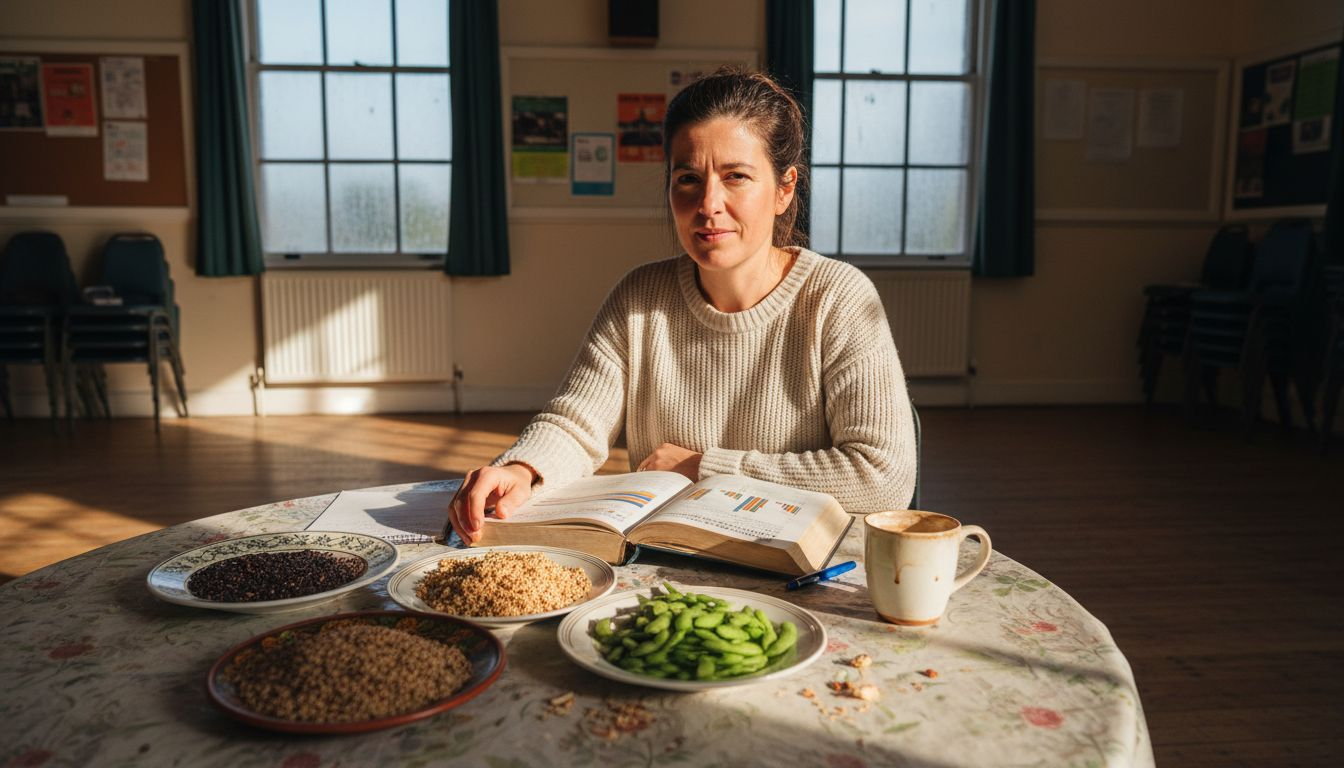
To better understand plant protein quality, here’s a comparison of common vegan protein sources and their completeness:
| Protein Source | Amino Acid Completeness | Typical Digestibility | Key Nutrients Provided |
|---|---|---|---|
| Quinoa | Complete profile | High | Magnesium, fibre |
| Tofu (soya) | Complete profile | High | Calcium, iron |
| Lentils | Incomplete (needs pairing) | Moderate | Folate, potassium |
| Chickpeas | Incomplete (needs pairing) | Moderate | Fibre, B vitamins |
| Almonds | Incomplete (needs pairing) | Moderate | Vitamin E, healthy fats |
| Seitan | Incomplete (needs pairing) | High | Iron, selenium |
Understanding protein quality is crucial. Diverse protein combinations help vegans achieve optimal amino acid intake. Combining different plant proteins - like rice with beans or hummus with whole-grain bread - creates complementary amino acid profiles that support bodily functions.
Pro tip: Experiment with protein-combining techniques by mixing different plant protein sources in meals to maximise nutritional absorption and variety.
Meeting UK Protein Needs as a Vegan
UK vegan protein requirements typically average around 0.75 grams per kilogram of body weight daily, though individual needs can vary based on activity level, age, and overall health. Protein intake remains a critical consideration for those following plant-based nutritional strategies.
Vegans can effectively meet their protein requirements through strategic dietary planning:
- Incorporate diverse protein sources
- Balance meals with complementary amino acids
- Include protein-rich whole foods at each meal
- Consider fortified plant-based products
- Monitor overall nutritional intake
Nutritional research indicates that most well-planned vegan diets successfully meet protein needs. Dietary intake studies suggest that while protein levels might be slightly lower compared to omnivorous diets, plant-based nutrition can absolutely provide comprehensive protein coverage when approached thoughtfully.
Additionally, vegans should pay attention to protein quality, not just quantity. Combining different plant proteins - such as legumes with grains or nuts with seeds - creates complete amino acid profiles that support optimal bodily functions and muscle maintenance.
Pro tip: Rotate protein sources weekly to ensure a broad spectrum of amino acids and prevent nutritional monotony.
Risks of Inadequate Protein Intake
Protein deficiency risks in vegan diets extend far beyond simple nutritional concerns, potentially impacting long-term physiological function and overall well-being. Nutritional vulnerability becomes particularly pronounced when protein intake is inconsistent or poorly planned.
The primary risks of inadequate protein consumption include:
- Reduced muscle mass and strength
- Compromised immune system function
- Slower wound healing and recovery
- Decreased metabolic efficiency
- Potential hormonal imbalances
- Increased susceptibility to infections
Particularly for older vegans, protein insufficiency can dramatically accelerate muscle deterioration. Nutritional research warns that insufficient protein intake may significantly impair muscle maintenance, potentially leading to reduced mobility and increased frailty.
Chronic protein deficiency can create cascading health challenges, affecting everything from cellular repair mechanisms to fundamental metabolic processes. Vegans must strategically diversify protein sources, ensuring comprehensive amino acid profiles and consistent nutritional intake to mitigate these potential risks.
Pro tip: Consult a registered dietitian specialising in plant-based nutrition to develop a personalised protein strategy tailored to your individual metabolic needs.
Combining Foods for Complete Amino Acids
Protein combination strategies are crucial for vegans seeking optimal nutritional balance. Amino acid complementation ensures that dietary protein provides all essential nutrients required for bodily functions, even when individual plant sources might be nutritionally incomplete.
Effective food combination techniques include:
- Pairing legumes with whole grains
- Mixing nuts with seeds
- Combining beans with rice
- Blending tofu with quinoa
- Integrating lentils with wheat-based products
Contrary to historical nutritional myths, vegans do not need to consume complementary proteins within the same meal. Protein intake can be balanced throughout the day, providing flexibility in meal planning and reducing dietary stress.
The key is dietary diversity. By consuming a wide range of plant-based proteins across different meals and days, vegans can naturally achieve a comprehensive amino acid profile. This approach supports metabolic functions, muscle maintenance, and overall nutritional well-being without requiring complex dietary calculations.
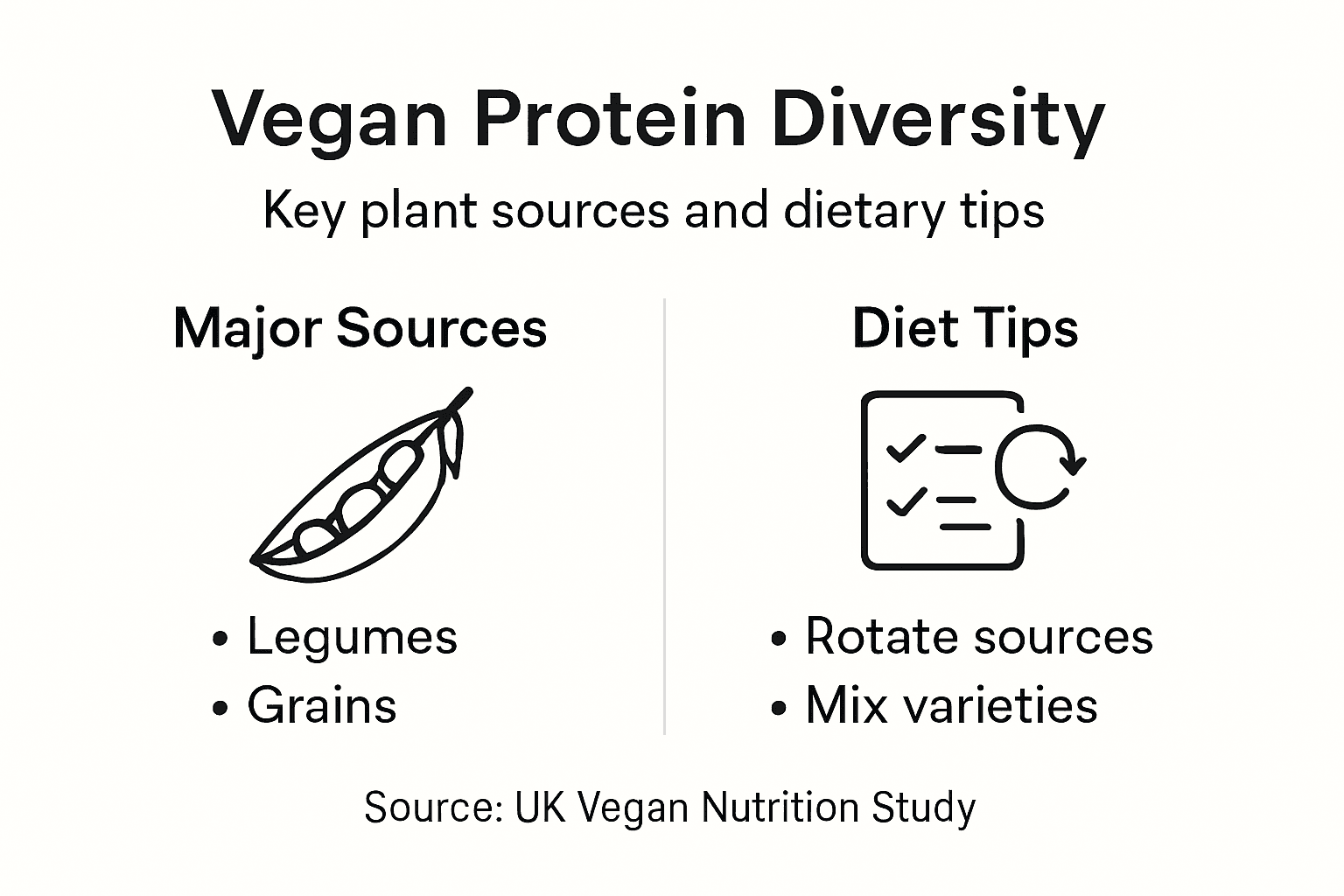
For easier meal planning, here’s a table highlighting practical vegan food combinations for a complete amino acid profile:
| Combination | Complementary Foods | Example Dish Suggestion |
|---|---|---|
| Legumes + Grains | Beans and brown rice | Mexican bean burritos |
| Nuts + Seeds | Almonds and chia seeds | Mixed nut and seed salad |
| Tofu + Quinoa | Stir-fried tofu, quinoa | Asian-inspired Buddha bowl |
| Lentils + Wheat | Lentil stew and bread | Lentil soup with baguette |
Pro tip: Aim to include three distinct plant protein sources daily, rotating between legumes, grains, nuts, and seeds to ensure nutritional variety.
Support Your Vegan Protein Needs with Granavitalis Solutions
Meeting the unique protein challenges faced by UK vegans means embracing diversity and quality in every meal. The article emphasises the importance of consuming a broad range of plant proteins to maintain muscle health, metabolic efficiency and immune strength. At Granavitalis, we understand these goals and offer a focused selection of clean, nutrient-dense products that align perfectly with your nutritional priorities.
Explore our Vegan Protein Powders – Granavitalis collection crafted from ancient grains and premium plant proteins designed to support muscle maintenance and provide all essential amino acids.
Take control of your vegan wellness journey today by choosing performance-driven, naturally effective protein options that fuel your body and mind. Visit Granavitalis to discover how traditional wholefoods meet modern nutrition needs. Your path to sustained strength and vitality starts here.
Frequently Asked Questions
What role do proteins play for vegans?
Proteins serve as essential building blocks for various biological processes, supporting muscle maintenance, immune function, and metabolic processes crucial for overall health and well-being.
How can vegans ensure they get complete amino acid profiles?
Vegans can achieve complete amino acid profiles by combining different plant protein sources, such as legumes with whole grains or nuts with seeds, to complement the amino acids that individual sources may lack.
What are the risks of inadequate protein intake for vegans?
Inadequate protein intake for vegans can lead to reduced muscle mass, compromised immune function, slower wound healing, and increased susceptibility to infections, which highlights the importance of planning a diverse protein-rich diet.
How much protein do vegans need daily?
Vegans typically need around 0.75 grams of protein per kilogram of body weight daily, although individual requirements can vary based on factors like activity level, age, and overall health.
Recommended
- Top 10 Vegan Sources of Protein for Your Diet – Granavitalis
- Role of Protein in Vegan Diets: Vitality and Daily Wellness – Granavitalis
- Why Use Vegan Protein Powders for Everyday Wellness – Granavitalis
- High-Quality Protein: Powering Plant-Based Vitality – Granavitalis
- 7 Good Plant Protein Sources for Eco-Friendly Restaurants – The Ocean Straw