
Plant protein vs animal protein: 19% lower CVD risk
TL;DR:
- Higher plant protein intake is linked to significantly lower cardiovascular and cancer risks.
- Plant proteins, when combined properly, provide complete amino acids and support muscle growth.
- Incorporating diverse plant sources improves overall health, gut function, and long-term well-being.
Swapping some animal protein for plant-based sources is not just a lifestyle trend. Research links higher plant protein intake to meaningfully lower cardiovascular disease risk, challenging the long-held belief that animal sources are simply superior. For decades, fitness culture and mainstream nutrition advice placed chicken breast and whey protein on a pedestal. Yet the evidence now tells a more nuanced story. Whether your goal is better heart health, faster recovery after training, or simply eating in a way that supports long-term well-being, understanding how plant and animal proteins genuinely compare gives you a real advantage at every meal.
Table of Contents
- Understanding plant and animal protein
- Health benefits of plant protein
- Plant protein for fitness and muscle recovery
- Choosing plant proteins: Practical tips and top sources
- A fresh perspective: Why the debate needs to move beyond protein grams
- Discover plant-powered options with Granavitalis
- Frequently asked questions
Key Takeaways
| Point | Details |
|---|---|
| Reduces disease risk | Plant proteins are linked to lower rates of cardiovascular disease and certain cancers compared to animal protein. |
| Nutrient-dense choice | Plant proteins offer extra fibre, antioxidants, and phytonutrients that improve overall well-being. |
| Fitness-friendly | Blended or varied plant proteins can match animal proteins for muscle recovery and training results. |
| Sustainable and practical | Shifting to plant protein supports health and is easy to incorporate into European diets with the right tips. |
Understanding plant and animal protein
Protein is made up of amino acids, the building blocks your body uses to repair tissue, produce enzymes, and support immune function. Of the 20 amino acids, nine are classified as essential, meaning your body cannot make them and must obtain them from food. This is where the plant versus animal debate often begins.
Animal proteins such as meat, eggs, dairy, and fish are considered complete proteins because they contain all nine essential amino acids in proportions that closely match human needs. Animal proteins generally show superior digestibility and a stronger amino acid profile, particularly leucine, which plays a key role in triggering muscle protein synthesis.
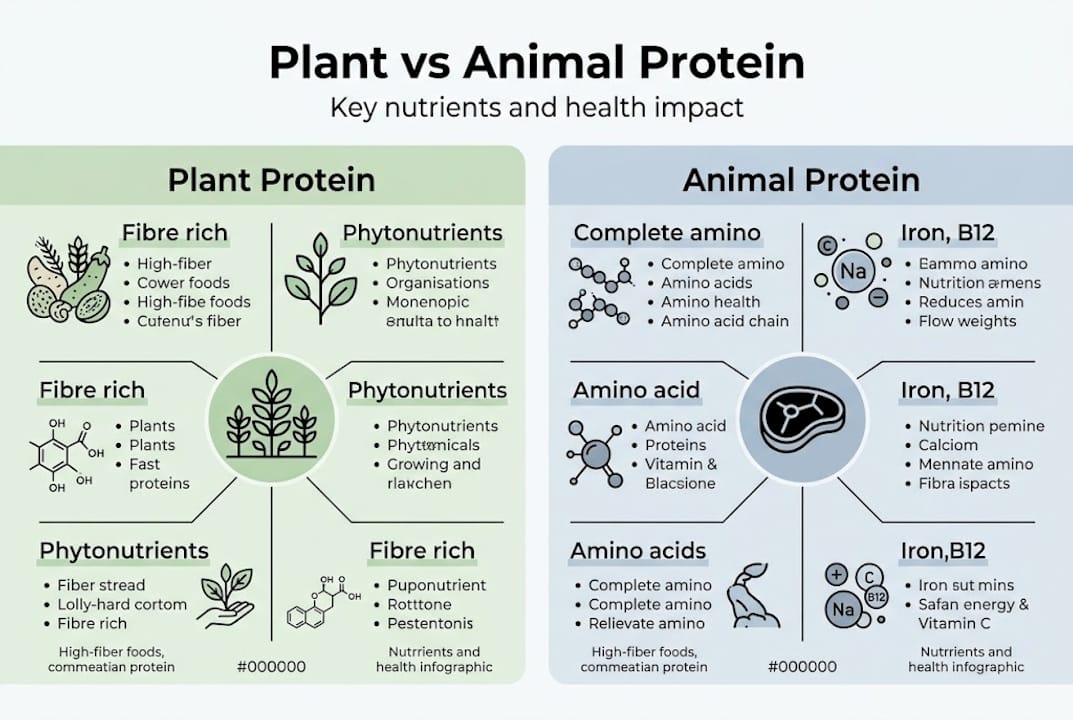
Most plant proteins, on the other hand, are considered incomplete because they are lower in one or more essential amino acids. However, this does not mean they are inadequate. Eating a varied diet that includes different vegetable protein examples throughout the day ensures you cover the full amino acid spectrum without difficulty.
Here is a quick comparison of common protein sources:
| Source | Protein per 100g | Complete protein | Key nutrients |
|---|---|---|---|
| Chicken breast | 31g | Yes | B vitamins, zinc |
| Eggs | 13g | Yes | Choline, vitamin D |
| Lentils | 9g | No | Fibre, iron, folate |
| Hemp seeds | 32g | Yes | Omega-3, magnesium |
| Soya (edamame) | 11g | Yes | Isoflavones, calcium |
| Peas | 5g | No | Fibre, vitamin C |
| Greek yoghurt | 10g | Yes | Calcium, probiotics |
For a broader look at protein comparison details, the differences in nutrient density go well beyond grams alone. Notably, hemp seeds stand out as one of the rare plant sources that provides a complete amino acid profile. Explore more vegan protein sources to see just how wide the plant-based options really are.
Key plant protein sources worth knowing:
- Legumes: lentils, chickpeas, black beans, edamame
- Grains: quinoa, amaranth, oats, spelt
- Seeds: hemp, chia, pumpkin, sunflower
- Nuts and butters: almonds, peanuts, walnuts
- Soya products: tofu, tempeh, soya milk
Health benefits of plant protein
Now that you are familiar with the basics, let us explore the compelling health advantages that plant proteins offer.
The most striking finding in recent research is the scale of risk reduction associated with plant-forward eating. A higher plant-to-animal protein ratio is linked to a 19% lower cardiovascular disease mortality risk and a 3% lower cancer risk. Those are not marginal gains. For anyone thinking about long-term health, that statistic deserves serious attention.

Plant proteins do not arrive in isolation. They come packaged with fibre, antioxidants, and phytonutrients (natural plant compounds that support cellular health) that animal proteins simply do not provide. Plant proteins support heart health and reduced inflammation through these additional nutrients, creating a compounding benefit that goes far beyond the protein content alone.
The CVD risk reduction evidence is particularly strong for people who replace red and processed meat with legumes, nuts, and whole grains. The fibre in these foods actively lowers LDL cholesterol and feeds beneficial gut bacteria, which in turn reduces systemic inflammation.
Here is a summary of health outcomes across dietary patterns:
| Health outcome | Plant-protein-rich diet | Animal-protein-rich diet |
|---|---|---|
| CVD mortality risk | 19% lower | Higher baseline risk |
| Cancer risk | 3% lower | Higher with processed meat |
| Gut microbiome diversity | High | Moderate |
| LDL cholesterol | Lower | Often higher |
| Inflammation markers | Reduced | Elevated with red meat |
The specific health benefits of prioritising plant protein include:
- Lower LDL cholesterol through soluble fibre in legumes and oats
- Improved gut health from prebiotic fibre feeding beneficial bacteria
- Reduced inflammation linked to antioxidants and polyphenols
- Better blood sugar regulation due to the slower digestion of plant foods
- Reduced saturated fat intake compared with most animal protein sources
For a deeper look at how this translates into everyday eating, our guide on plant protein wellness covers practical daily habits that support these outcomes.
Plant protein for fitness and muscle recovery
Physical performance and recovery matter too, so how does plant protein really stack up against animal sources for fitness?
The old assumption that plant protein is second-rate for athletes is simply not supported by current evidence. Plant protein blends or higher doses match animal proteins for lean mass gains and strength adaptations when total protein intake is adequate. The key word is blends. A single plant source may fall short on leucine, but combining sources or using a well-formulated blend closes that gap entirely.
Research comparing plant vs animal fitness outcomes consistently shows that the differences in muscle gain between groups are minimal when protein intake is matched. What matters most is consistency, total daily intake, and timing around training.
“When plant protein intake is sufficient and varied, muscle protein synthesis rates and strength outcomes are comparable to those seen with animal protein consumption.”
Here is how to optimise plant protein for training:
- Increase total intake slightly. Aim for 1.2–1.6g per kg body weight on training days to account for slightly lower digestibility.
- Use blends. Combine pea protein with rice or hemp protein to cover the full amino acid profile.
- Time your intake. Consume 25–40g of plant protein within two hours of training for best recovery.
- Prioritise leucine-rich sources. Soya, hemp, and pea protein are among the highest in leucine for plant options.
- Add variety. Rotate between legumes, grains, seeds, and protein powders to avoid nutritional gaps.
Pro Tip: If you are building a post-workout meal, pair a pea-and-rice protein blend with a handful of pumpkin seeds and a portion of edamame. This combination delivers a complete amino acid profile with excellent leucine content, supporting muscle repair without any animal products.
For structured meal ideas, our guide to high-protein plant-based meals makes it easy to hit your targets every day. And if you are specifically focused on building muscle, the plant protein for muscle gain guide covers the science in detail.
Choosing plant proteins: Practical tips and top sources
Armed with the why, here is how you can make plant proteins an easy and enjoyable part of your daily routine.
The most important principle is variety. No single plant food covers everything, but a well-planned combination does. Prioritise diverse plant sources and blends for complete nutrition and sustained well-being across the day.
Top plant protein sources widely available across Europe:
- Lentils and chickpeas: affordable, versatile, and rich in both protein and fibre
- Tofu and tempeh: fermented tempeh is particularly high in protein and gut-friendly
- Hemp seeds: a complete protein that blends into smoothies and porridge effortlessly
- Pea protein powder: one of the most digestible plant proteins and widely available
- Edamame: a quick, high-protein snack with a complete amino acid profile
- Quinoa: a grain-like seed that provides complete protein and works in salads or bowls
- Nut butters: calorie-dense and protein-rich, ideal for adding to breakfasts or snacks
For a more detailed breakdown, the high-protein plants guide is a practical resource. If you are watching calories, the low-calorie plant protein guide shows how to maximise protein without excess energy intake.
For meal ideas, consider these simple combinations:
- Breakfast: overnight oats with hemp seeds, chia, and almond butter
- Lunch: lentil soup with whole grain bread and a side of hummus
- Dinner: tempeh stir-fry with quinoa, edamame, and mixed vegetables
- Snack: pea protein smoothie with pumpkin seeds and a banana
For those looking for a convenient soya chunks alternative, textured plant proteins are widely available and easy to incorporate into everyday cooking.
Pro Tip: Build your plate using the thirds rule. One third complex carbohydrate, one third colourful vegetables, and one third protein from two or more plant sources. This naturally creates a complete amino acid profile without needing to track every gram.
A fresh perspective: Why the debate needs to move beyond protein grams
To tie it all together, let us look at protein from a broader lens, because what really matters goes well beyond the numbers.
The protein quality debate has long fixated on amino acid scores and digestibility percentages. These metrics have their place, but they tell an incomplete story. Obsessing over whether a food scores 0.9 or 1.0 on a digestibility scale misses the far more important question: what does your overall dietary pattern do for your health over decades?
Animal proteins may score marginally higher on isolated amino acid metrics, but they rarely arrive with fibre, phytonutrients, or anti-inflammatory compounds. Plant proteins do. That difference compounds over years of eating. The 19% lower CVD mortality figure is not produced by a single nutrient. It reflects the cumulative effect of eating in a way that supports your cardiovascular system, gut, and immune function simultaneously.
Modern blends and the sheer variety of plant foods available in 2026 have resolved the practical limitations that once made plant-only diets feel restrictive. There is no meaningful gap left that cannot be bridged by thoughtful food choices. The clean plant protein benefits extend beyond macronutrients into a whole-food philosophy that we believe is the most honest way to nourish yourself. We encourage you to stop asking “is this protein complete?” and start asking “is this meal nourishing me fully?”
Discover plant-powered options with Granavitalis
Ready to put what you have learned into action? Here are some easy, delicious ways to boost your plant protein intake.
At Granavitalis, every product is chosen to support real nutrition goals, not just fill a gap on a label. Our raw organic pecan butter is a rich, nutrient-dense addition to breakfasts and snacks, delivering healthy fats and plant protein in one clean ingredient. For variety, our nut and seed butter selection makes it easy to rotate flavours and nutrients across the week. And for an extra wellness boost, our superfoods immunity mix supports your immune system with zinc and vitamin B1 alongside whole-food nutrition. Simple ingredients, purposeful results.
Frequently asked questions
Is plant protein really complete for muscle building?
When combined smartly, such as beans with grains or using a pea-and-rice blend, plant proteins provide all essential amino acids. Plant protein blends match animal proteins for lean mass and strength gains when total intake is adequate.
What are the main health reasons to switch to plant protein?
Plant protein-rich diets are linked to lower cardiovascular disease and cancer risk, and they deliver extra fibre and phytonutrients that animal proteins do not provide.
How much plant protein do I need daily for health and fitness?
Aim for 0.8 to 1.2g per kg body weight daily from diverse plant sources for general wellness, increasing slightly to 1.2 to 1.6g on training days.
Are there any risks with plant protein diets?
Plant protein diets are generally safe, but variety is essential. Without it, you may fall short on certain amino acids, vitamin B12, vitamin D, and iron, so consider a diverse range of sources and monitor your intake regularly.