
High-Quality Protein: Powering Plant-Based Vitality
For anyone balancing busy days in the UK with active workouts and mindful eating, deciding which protein source best supports recovery can be confusing. The buzz around plant-based proteins makes it tempting to swap animal products, but questions about amino acid profiles and nutrient quality remain. This guide breaks down what really counts as high-quality protein and shows how health-conscious choices—from beans to mycoprotein—can help you reach your wellness and fitness goals.
Table of Contents
- What Is High-Quality Protein? Essential Definition And Core Concepts
- Plant-Based Vs Animal Protein: Key Differences And Myths
- The Importance Of Amino Acid Profiles For Recovery
- Digestibility And Bioavailability In Plant Proteins
- How To Choose High-Quality Vegan Proteins In The Uk
- Common Pitfalls: Incomplete Proteins And Labelling Issues
Key Takeaways
| Point | Details |
|---|---|
| High-Quality Protein Criteria | High-quality proteins are assessed on their amino acid profile and digestibility, which are essential for bodily functions. Plant proteins can offer comparable quality to animal proteins when combined strategically. |
| Importance of Nutritional Variety | Consuming a diverse range of protein sources enhances amino acid intake and overall nutritional quality. It is vital to combine different plant proteins to achieve a complete amino acid profile. |
| Understanding Protein Labels | Consumers should critically evaluate protein products by examining ingredient lists and nutrient content, as labelling can be misleading. Look for fortified options to cover essential micronutrient needs. |
| Optimising Protein Digestibility | Employing proper preparation methods like soaking or fermenting can significantly improve the digestibility of plant proteins, enhancing nutrient absorption. |
What Is High-Quality Protein? Essential Definition and Core Concepts
Protein represents a critical macronutrient fundamental to human physiological function, serving as the essential building block for numerous bodily processes. At its core, protein is composed of amino acids, which are molecular compounds that enable critical biological functions. Protein serves multiple vital roles including muscle and bone support, tissue repair, hormone synthesis, enzyme production, and immune system regulation.
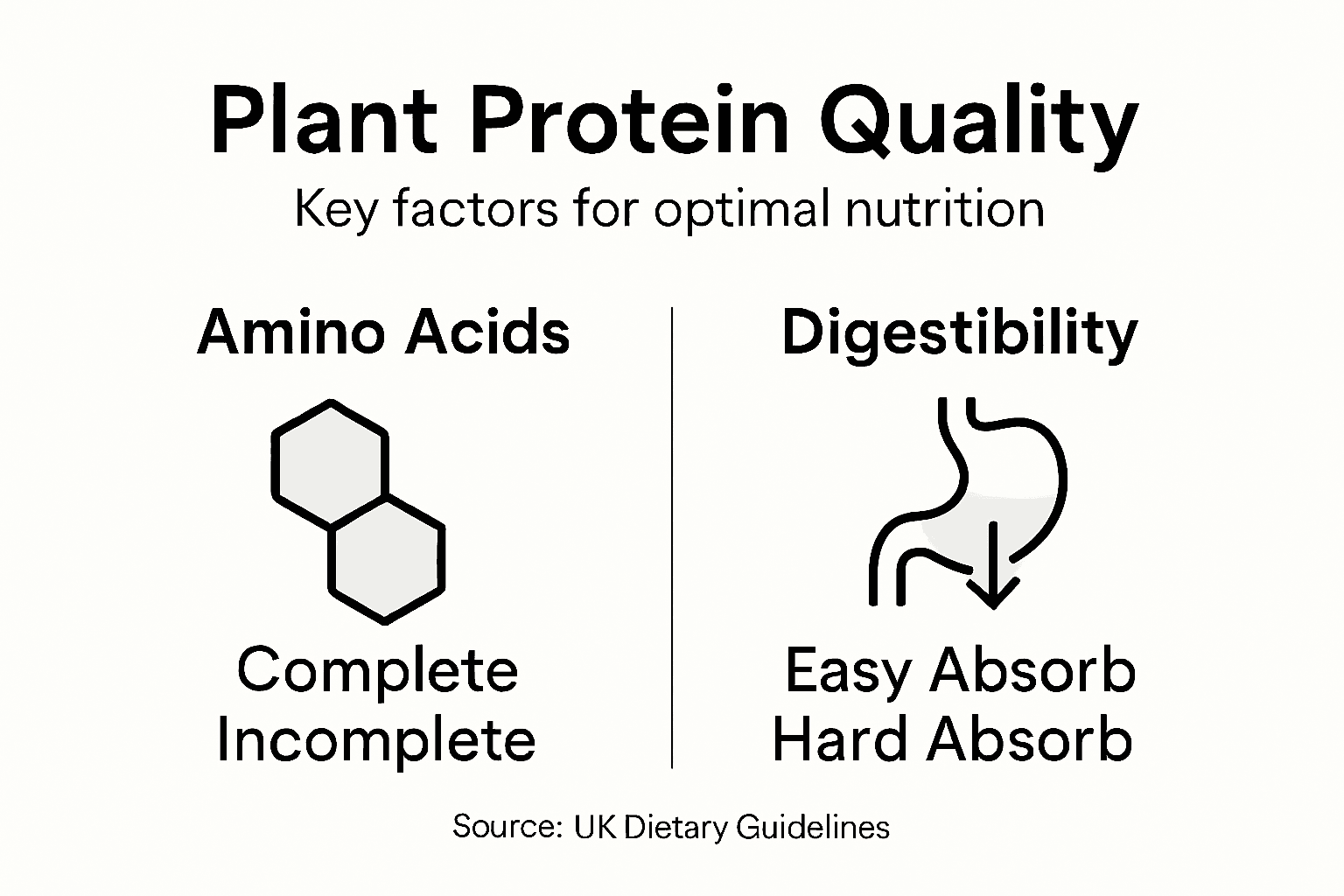
Understanding protein quality involves examining its amino acid profile and digestibility. High-quality proteins contain all nine essential amino acids that the human body cannot produce independently. While animal-based proteins traditionally provided these complete amino profiles, modern plant-based protein sources have emerged as robust alternatives. Nutritional research demonstrates that diverse plant proteins like beans, lentils, chickpeas, nuts, seeds, and soya products offer significant health advantages.
The body requires a consistent protein intake to maintain optimal functioning. Current UK dietary guidelines recommend consuming 20-25g of protein across two to four portions daily, with emerging evidence supporting slightly higher intake ranges of 1.2-1.6g per kilogram of body weight for enhanced recovery and wellness. This nuanced approach recognises that protein’s value extends beyond mere quantity to encompass comprehensive nutritional quality.
Expert Tip: Combine multiple plant protein sources like legumes, nuts, and seeds to create complete protein profiles that rival animal-based alternatives.
Plant-Based vs Animal Protein: Key Differences and Myths
The debate between plant-based and animal proteins involves complex nutritional considerations that extend far beyond simple dietary choices. Plant-based protein sources include beans, lentils, chickpeas, nuts, seeds, and soya products, while animal proteins traditionally come from meat, fish, poultry, and dairy. Both protein types provide essential amino acids, but they differ significantly in their nutritional profiles, environmental impact, and metabolic processing.
Contrary to common myths, plant proteins are not inherently inferior to animal proteins. While some plant proteins were historically considered ‘incomplete’ due to lacking certain amino acids, modern nutritional science demonstrates that consuming a diverse range of plant proteins can provide a comprehensive amino acid profile. Dietary research indicates that plant-based proteins often offer additional benefits, including lower saturated fat content, higher fibre levels, and reduced environmental footprint.
Nutritional variety remains key when transitioning between protein sources. Animal proteins naturally contain higher concentrations of specific micronutrients like vitamin B12, calcium, and iodine, which plant-based alternatives may lack. However, many plant-based protein sources are now fortified to address these potential nutritional gaps, making them increasingly comparable to animal-based options in terms of comprehensive nutrition.

To clarify distinctions between protein sources, here is a summary comparison:
| Aspect | Animal Protein | Plant Protein |
|---|---|---|
| Amino Acid Completeness | Typically complete | Often incomplete but combinable |
| Digestibility | High | Variable; often improved by processing |
| Key Micronutrients | Rich in B12, calcium | May require fortification |
| Environmental Impact | Higher carbon footprint | Generally lower footprint |
Expert Tip: Rotate between different plant protein sources like legumes, nuts, seeds, and fortified plant drinks to ensure a balanced and complete protein intake.
The Importance of Amino Acid Profiles for Recovery
Amino acids represent the fundamental building blocks of protein, playing a critical role in muscle recovery, tissue repair, and overall physiological function. Essential amino acids cannot be produced by the human body and must be obtained through dietary sources, making their strategic consumption paramount for optimal recovery and wellness. These nine essential amino acids work synergistically to support muscle protein synthesis, immune function, and metabolic processes.
Understanding amino acid profiles becomes crucial for individuals engaged in physical training or experiencing heightened metabolic demands. While some protein sources like soya, quinoa, and mycoprotein provide complete amino acid profiles, most plant proteins require careful combination to ensure comprehensive nutritional coverage. Strategic protein intake involves selecting diverse protein sources that collectively deliver all essential amino acids, thereby supporting efficient muscle repair and reducing recovery time.
Dietary recommendations emphasise the importance of protein quality over mere quantity. The digestibility and composition of amino acids significantly impact the body’s ability to utilise protein effectively. For individuals with increased physiological needs such as athletes, older adults, or those recovering from injury, tailored protein intake becomes even more critical to support comprehensive bodily recovery and maintenance.
Expert Tip: Combine multiple plant protein sources like legumes, nuts, and seeds in your meals to create a complete amino acid profile that supports efficient recovery and muscle repair.
Digestibility and Bioavailability in Plant Proteins
Bioavailability represents the complex process by which the human body absorbs and utilises nutrients from protein sources. Plant protein digestibility varies significantly depending on multiple factors including processing techniques, grain structure, and inherent chemical composition. Understanding these nuanced interactions becomes crucial for individuals seeking optimal nutritional outcomes from plant-based protein sources.
Several key factors influence plant protein digestibility and bioavailability. Antinutritional compounds like polyphenols, phytic acid, and complex carbohydrate structures can impede protein absorption, reducing the body’s capacity to extract essential amino acids. Advanced processing techniques such as fermentation, sprouting, and careful thermal treatment can help mitigate these challenges, enhancing protein digestibility and improving overall nutritional accessibility.
Nutritional strategies that prioritise diverse protein sources and intelligent preparation methods can dramatically improve protein utilisation. Combining different plant proteins, implementing proper cooking techniques, and understanding individual protein sources’ unique characteristics allows for more effective nutrient absorption. This approach ensures that individuals can maximise the nutritional potential of plant-based proteins, supporting muscle recovery, immune function, and overall metabolic health.
Expert Tip: Soak, sprout, or ferment plant protein sources like legumes and grains to naturally increase their digestibility and nutrient availability.
How to Choose High-Quality Vegan Proteins in the UK
Protein selection requires strategic thinking for those embracing plant-based nutrition. Vegan protein sources encompass a diverse range of wholesome ingredients including pulses, soya products, quinoa, nuts, seeds, and wholegrains. Each source offers unique nutritional profiles, making variety and combination key to achieving comprehensive amino acid intake.
When evaluating protein quality, consider three critical dimensions: amino acid completeness, nutrient density, and processing method. Nutritional guidance recommends prioritising minimally processed options that provide natural nutrient profiles. Soya stands out as a complete protein source, while combining different plant proteins like beans with wholegrains can create complementary amino acid combinations that rival animal protein’s nutritional complexity.
Consumers should remain vigilant about additional nutritional factors beyond protein content. Look for fortified plant-based alternatives that include essential micronutrients like vitamin B12, calcium, and iodine. Reading food labels carefully helps identify products with minimal added sugars or unnecessary processing, ensuring that your protein sources contribute positively to overall nutritional wellness.
Expert Tip: Rotate between different plant protein sources weekly to ensure a broad spectrum of nutrients and prevent potential nutrient fatigue.
Common Pitfalls: Incomplete Proteins and Labelling Issues
Protein labelling represents a complex landscape fraught with potential misunderstandings for consumers seeking nutritional clarity. Food labelling legislation in the UK mandates transparent, accurate information about ingredient composition and nutritional content, yet nuanced claims about protein quality can still perplex well-intentioned shoppers.
Incomplete proteins pose a significant challenge for plant-based nutrition enthusiasts. Many vegan protein sources lack one or more essential amino acids, requiring strategic combination to create comprehensive nutritional profiles. Nutrition claims are strictly regulated to prevent misleading marketing, with specific criteria defining terms like ‘high in protein’, which must represent at least 20% of a product’s energy value. Consumers must look beyond simple protein percentage claims and examine the actual amino acid composition.
Navigating protein labelling requires critical scrutiny. Manufacturers often use marketing language that can obscure nutritional gaps, making it essential to understand ingredient lists, amino acid profiles, and potential fortification. Checking for additional micronutrients, understanding protein source diversity, and recognising complete versus incomplete protein sources can help consumers make more informed dietary choices.
The following table highlights common pitfalls and how to avoid them when choosing vegan protein products:
| Pitfall | Why It Matters | How to Avoid |
|---|---|---|
| Incomplete amino acid profile | Can hinder recovery | Combine diverse protein sources |
| Misleading labelling | May mask nutritional gaps | Check ingredient lists and micronutrient content |
| Lack of key micronutrients | Risk of deficiencies | Choose fortified options (B12, iodine, calcium) |
Expert Tip: Always cross-reference protein claims with the ingredient list and seek products that combine multiple plant protein sources to ensure comprehensive amino acid coverage.
Discover High-Quality Plant-Based Proteins Designed for Your Vitality
The article highlights the challenge of obtaining complete amino acid profiles and optimal digestibility from plant proteins while ensuring nutrient density and real recovery benefits. If you aim for strength, better muscle repair, and sustained energy through a varied and thoughtfully crafted plant-based diet, embracing high-quality vegan protein powders is essential. Granavitalis offers a range of Vegan Protein Powders – Granavitalis that combine pure, minimally processed ingredients sourced from ancient grains, nuts and seeds. These products support your goal of balanced nutrition with powerful plant-protein blends designed to help you meet your protein quality and bioavailability needs.

Elevate your plant-based nutrition by choosing proteins rooted in tradition but formulated for modern wellness. Explore how our thoughtfully crafted options can enrich your recovery and everyday vitality. Begin your journey to clean, nutrient-dense protein at Granavitalis today and harness the power of foods that fuel body and mind with purity and purpose. For those who appreciate the performance benefits of all proteins, also consider our premium Whey Protein Powder – Granavitalis range as a complementary option for comprehensive nutritional support.
Frequently Asked Questions
What is high-quality protein, and why is it important?
High-quality protein is composed of all nine essential amino acids that the body cannot produce on its own. It plays a vital role in muscle support, tissue repair, hormone synthesis, and overall bodily functions, making its quality essential for maintaining health and wellness.
How can I ensure I get enough complete proteins from a plant-based diet?
To ensure comprehensive protein intake from plant-based sources, combine different protein-rich foods such as legumes, nuts, seeds, and wholegrains. This variety helps to create complete amino acid profiles necessary for optimal health and recovery.
Are plant proteins less effective than animal proteins for recovery?
No, plant proteins are not inherently less effective. While some plant proteins may lack specific amino acids, consuming a diverse range of them can provide complete profiles that support muscle recovery and overall health. The digestive quality and amino acid profiles are critical in effectiveness, not just the source.
What are some common pitfalls when selecting plant-based protein sources?
Common pitfalls include choosing incomplete protein sources that lack essential amino acids, falling for misleading labelling on products, and neglecting key micronutrients like vitamin B12 and calcium. To avoid these issues, check ingredient lists, seek fortified options, and combine different protein sources to ensure nutritional completeness.