
Protein Quality: Why It Matters for Plant-Based Performance
Choosing the right protein can feel confusing when balancing active living with plant-based goals. With debates about whether plant or animal proteins truly deliver superior nutrition, it is easy to fall for common myths. For anyone committed to both performance and ethical eating, understanding protein quality—and how digestibility and amino acid profiles work—unlocks better recovery, energy, and muscle support. This guide cuts through misinformation to clarify what matters most for effective, high-quality protein in a modern British lifestyle.
Table of Contents
- Defining Protein Quality And Common Myths
- Amino Acids, Digestibility, And Scoring Systems
- How Plant And Animal Proteins Compare
- Boosting Protein Quality In Plant-Based Diets
- Practical Guidance For Active, Modern Lifestyles
Key Takeaways
| Point | Details |
|---|---|
| Understanding Protein Quality | Protein quality involves digestion, absorption, and utilisation of amino acids, which varies significantly between sources. Plant proteins can be high-quality when understood and combined properly. |
| Amino Acids and Scoring Systems | The Digestible Indispensable Amino Acid Score (DIAAS) is a modern method for evaluating protein quality, focusing on amino acid composition and digestibility. |
| Diversity in Plant-Based Diets | Combining different plant proteins enhances nutritional profiles, making it possible to match or exceed benefits from animal proteins. |
| Strategic Nutrition for Active Lifestyles | Active individuals should maintain protein diversity throughout the day and consider the timing of protein intake to optimise overall nutrition. |
Defining Protein Quality and Common Myths
Protein quality is far more nuanced than many people understand. At its core, protein quality refers to how effectively our bodies can digest, absorb, and utilise the essential amino acids found in different protein sources. Protein composition and digestibility are critical factors determining how much nutritional value we actually receive from our protein intake.
Contrary to popular belief, not all proteins are created equal. While animal proteins have traditionally been considered superior, plant-based proteins can absolutely deliver high-quality nutrition when understood and combined strategically. Key factors that define protein quality include:
- Amino acid profile: The balance and proportion of essential amino acids
- Digestibility: How efficiently the body can break down and absorb the protein
- Bioavailability: The proportion of consumed protein that can be used for bodily functions
- Absence of anti-nutritional factors: Compounds that might inhibit protein absorption
Many people mistakenly believe that plant proteins are inherently inferior. However, research shows protein quality depends on multiple complex factors beyond simply animal versus plant origin. By understanding protein combining techniques and selecting diverse protein sources, individuals can achieve excellent nutrition from plant-based diets.
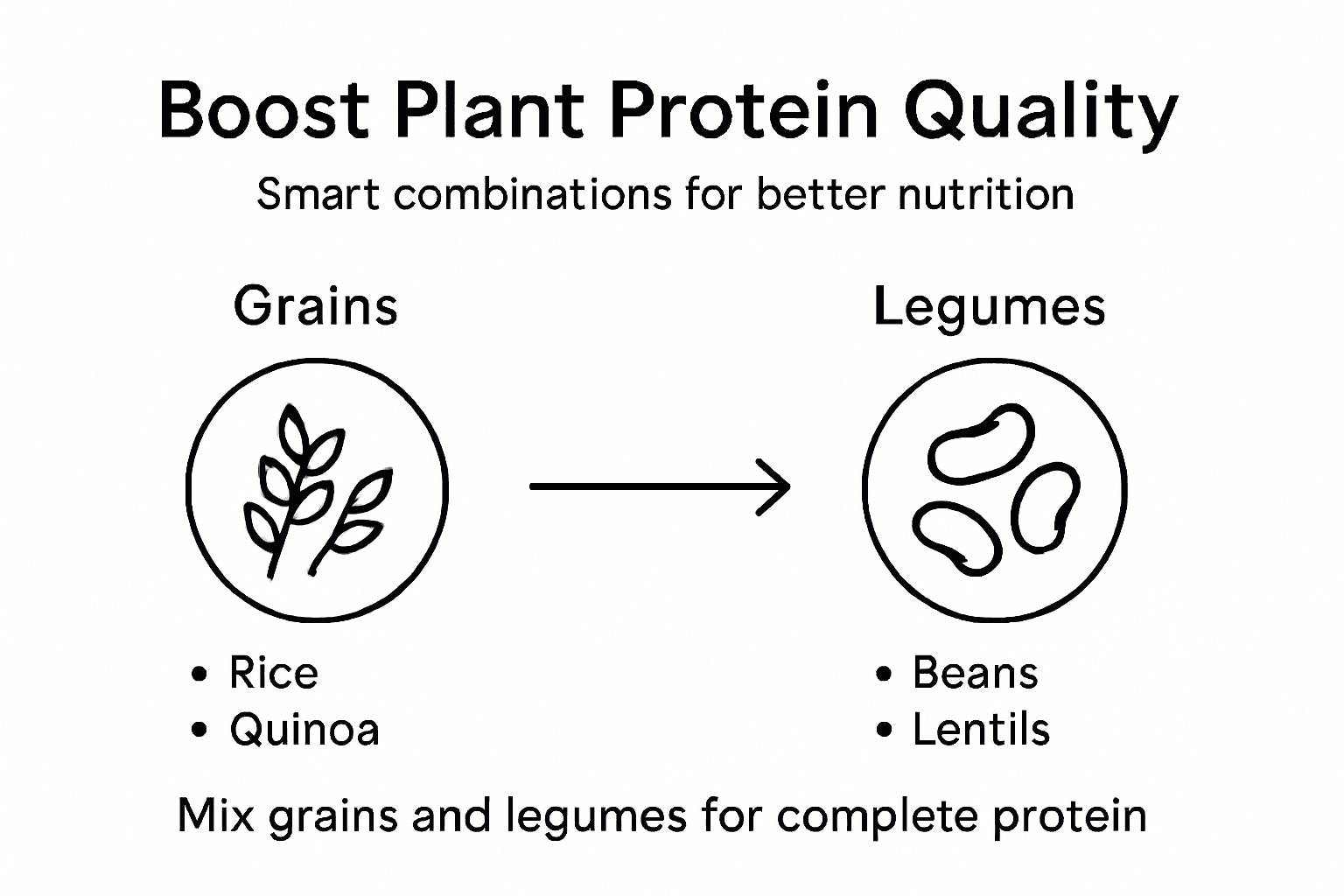
Pro tip: Combine different plant proteins like beans and rice to create complete protein profiles that match or exceed animal protein quality.
Amino Acids, Digestibility, and Scoring Systems
Amino acids are the fundamental building blocks of protein, each playing a crucial role in our body’s nutritional processes. Understanding how these microscopic components interact and are processed is key to comprehending protein quality. Protein digestibility assessment involves complex scientific techniques that reveal how effectively our bodies can extract and utilise protein nutrients.
Protein scoring systems have evolved to provide more nuanced evaluations of nutritional value. The most contemporary approach is the Digestible Indispensable Amino Acid Score (DIAAS), which offers a more sophisticated method of protein quality measurement compared to older systems. This scoring mechanism considers two critical factors:
- Amino acid composition: Evaluating the precise mix of essential amino acids
- Protein digestibility: Measuring how efficiently the body can break down and absorb protein
The assessment of protein quality goes beyond simple numerical scores. Factors such as food processing, individual gastrointestinal function, and the presence of anti-nutritional compounds can significantly impact protein utilisation. These complex interactions mean that protein quality is not a static concept, but a dynamic process influenced by multiple physiological and nutritional variables.
To better understand how protein quality is measured, here’s a concise comparison of major scoring systems:
| Scoring System | Key Focus | Strengths | Limitations |
|---|---|---|---|
| PDCAAS | Amino acid profile & digestibility | Widely used, easy calculation | Overestimates some protein values |
| DIAAS | Indispensable amino acid absorption | Evaluates true bioavailability | Complex, less adopted globally |
| Biological Value | Utilisation efficiency by the body | Direct impact measurement | Does not consider anti-nutritional factors |
| Net Protein Utilisation | Retained protein post digestion | Close to real tissue use | Lacks detail on amino acid profiles |
Protein digestibility is a sophisticated scientific evaluation that considers individual biochemical responses and nutritional contexts.
Pro tip: Combine proteins with different amino acid profiles to create more complete nutritional intake and enhance overall protein digestibility.
How Plant and Animal Proteins Compare
The debate between plant and animal proteins is nuanced, with each source offering unique nutritional characteristics. Protein source variations reveal significant differences in amino acid profiles, digestibility, and overall nutritional impact. While animal proteins have traditionally been considered the gold standard, modern research demonstrates that plant proteins can be equally effective when consumed strategically.
Key differences between plant and animal proteins include:
- Amino acid composition: Animal proteins typically provide more complete essential amino acid profiles
- Digestibility: Plant proteins often have lower digestibility rates
- Protein density: Animal proteins usually contain higher protein concentrations per serving
- Nutrient diversity: Plant proteins offer additional benefits like fibre and phytonutrients
Molecular structure differences significantly impact protein functionality. Animal proteins tend to have more uniform structures, making them easier for the body to process, whereas plant proteins require more complex processing techniques to enhance their bioavailability. This complexity means that individuals following plant-based diets must be more intentional about protein consumption.

Here’s an overview of how common plant and animal proteins compare in practical nutrition:
| Protein Source | Complete Amino Acids | Digestibility | Additional Nutritional Benefits |
|---|---|---|---|
| Chicken | Excellent | Highly digestible | Minerals, vitamins |
| Eggs | Complete profile | Very high | Choline, vitamin D |
| Lentils | Moderate | Lower than animal | Fibre, iron, polyphenols |
| Soy | Nearly complete | Good for plant | Isoflavones, heart health benefit |
| Chickpeas | Moderate | Moderate | Fibre, magnesium, antioxidants |
Plant and animal proteins are not inherently superior, but rather complementary nutritional sources with unique characteristics.
Pro tip: Combine multiple plant protein sources to create a complete amino acid profile and maximise protein absorption.
Boosting Protein Quality in Plant-Based Diets
Protein diversity is the cornerstone of building high-quality nutrition in plant-based diets. Innovative protein strategies demonstrate that strategic protein combinations can dramatically enhance nutritional value and muscle protein synthesis.
Key strategies for improving plant protein quality include:
- Protein source variety: Combine different plant proteins to create complete amino acid profiles
- Legume integration: Use beans, lentils, and chickpeas as foundational protein sources
- Grain pairing: Mix cereals with legumes to enhance protein completeness
- Novel protein exploration: Incorporate alternative sources like algae, fungi, and seeds
Muscle protein research reveals that well-planned plant-based diets can effectively match muscle protein synthesis rates typically associated with animal protein consumption. This finding challenges traditional nutritional assumptions and highlights the potential of strategic plant protein consumption.
Protein quality is not about a single source, but about creating a harmonious nutritional symphony through diverse plant-based options.
Pro tip: Combine rice and beans, or add nutritional yeast to your meals, to create more complete protein profiles and enhance overall nutrient absorption.
Practical Guidance for Active, Modern Lifestyles
Navigating protein intake for active lifestyles requires strategic, thoughtful nutrition planning. Protein intake strategies reveal that achieving optimal nutrition doesn’t mean restrictive eating, but rather intelligent food choices throughout the day.
Key recommendations for maintaining protein quality in active lifestyles include:
- Meal diversity: Incorporate multiple protein sources across daily meals
- Timing considerations: Distribute protein intake evenly throughout the day
- Supplementation awareness: Consider fortified foods and targeted supplements
- Nutrient monitoring: Track essential micronutrients that might be less bioavailable in plant diets
Plant-based nutrition research demonstrates that carefully planned diets can support high-performance lifestyles while providing comprehensive health benefits. This approach goes beyond simple protein consumption, focusing on holistic nutritional strategies that support muscle maintenance, recovery, and overall well-being.
Modern nutrition is about intelligent choices, not rigid rules. Flexibility and knowledge are your greatest nutritional assets.
Pro tip: Prepare protein-rich snack packs with mixed nuts, seeds, and plant-based protein sources to maintain consistent nutrition during busy days.
Elevate Your Plant-Based Protein with Granavitalis
Navigating the complexities of protein quality is essential for anyone committed to plant-based performance. The article highlights challenges such as amino acid completeness, digestibility, and combining diverse protein sources to maximise nutrition. Granavitalis meets these challenges head on by offering nutrient-dense, ancient grains, clean plant proteins, and premium nuts and seeds designed to deliver natural, bioavailable protein that fuels strength, recovery and sustained energy.
Experience the power of foods deeply rooted in tradition yet crafted for today’s active lifestyle. Whether you want to build complete amino acid profiles through smart food pairings or need pure protein sources without artificial fuss, Granavitalis offers thoughtfully sourced options that respect your body’s unique protein needs. Take the step toward smarter, cleaner performance and explore the full range of nutritious wholefoods at Granavitalis. Discover how ancestral nutrition supports modern plant-based protein goals today.
Frequently Asked Questions
What is protein quality and why is it important for nutrition?
Protein quality refers to how effectively our bodies can digest, absorb, and utilise essential amino acids from different protein sources. It’s important for nutrition as it influences how much nutritional value we receive from our protein intake, affecting overall health and performance.
How do plant proteins compare to animal proteins in terms of quality?
While animal proteins typically provide more complete essential amino acid profiles and higher digestibility, modern research shows that plant proteins can also be high-quality when consumed strategically, especially when combined to create complete amino acid profiles.
What are some effective combinations of plant proteins to enhance amino acid profiles?
Combining different plant proteins such as beans and rice or integrating legumes with grains can create complete amino acid profiles, maximising protein quality and absorption. This diversity enhances nutritional value and supports performance.
How can I ensure I’m getting enough protein as a plant-based athlete?
Active individuals should focus on meal diversity, strategically incorporate various protein sources throughout the day, and consider timing protein intake evenly. Monitoring micronutrient levels and possibly including fortified foods can also enhance overall nutrition.
Recommended
- High-Quality Protein: Powering Plant-Based Vitality – Granavitalis
- Plant-Based Protein Explained: Ingredients, Sources, Impact – Granavitalis
- Top 10 Vegan Sources of Protein for Your Diet – Granavitalis
- Why Quality Protein Matters for Lasting Vitality – Granavitalis
- 8 Best Protein Sources for Vegans Explained Simply - Dietium
- High Protein Diet Benefits: Complete Guide for Health - LeanAndFit