
High Protein Non Dairy Foods: Pumpkin Seeds Pack 30g/100g
Choosing high protein non dairy foods can feel overwhelming when options vary wildly in quality, digestibility, and nutrient density. Ancient grains, pulses, nuts, and seeds all promise protein, but how do you know which deliver real value for your fitness and nutrition goals? This guide cuts through the confusion, revealing key selection criteria and the best UK-available choices to fuel your body with wholefood vitality.
Table of Contents
- How To Choose High Protein Non Dairy Foods: Key Criteria
- Ancient Grains: Quinoa And Buckwheat
- Pulses: Lentils And Beans
- Nuts And Seeds: Almonds, Pumpkin Seeds, And Chia Seeds
- Protein Quality And Digestibility: Understanding Pdcaas Scores
- Pricing, Availability, And Accessibility In The Uk Market
- Situational Recommendations: Best Choices For Different Fitness And Nutrition Needs
- Explore Premium Ancient Grains And Plant Proteins At Granavitalis
- Frequently Asked Questions
Key Takeaways
| Point | Details |
|---|---|
| Protein content varies significantly | High protein non dairy foods range from 13% to 30% protein by weight, demanding careful selection. |
| Quality matters as much as quantity | PDCAAS scores reveal that quinoa (0.87) offers superior protein quality compared to lentils (0.52). |
| Ancient grains deliver complete profiles | Quinoa and buckwheat provide gluten-free, near-complete amino acid profiles for optimal nutrition. |
| Pulses offer unbeatable value | Lentils and beans cost under £2 per 500g in the UK while delivering 25g protein per 100g dry weight. |
| Strategic combinations maximize benefits | Pairing grains with pulses balances amino acids, enhancing protein quality beyond single sources. |
How to Choose High Protein Non Dairy Foods: Key Criteria
Selecting the right protein sources requires understanding what separates superior options from mediocre ones. Six key factors determine whether a food deserves a place in your nutrition strategy.
Protein density forms the foundation. Look for foods offering at least 13-15g protein per 100g to ensure concentrated nutrition without excessive calories. Protein quality is measured by PDCAAS scores indicating digestibility and amino acid completeness, separating foods that truly fuel muscle repair from those that fall short.
Digestibility determines how much protein your body actually absorbs. A food listing 20g protein means little if your digestive system can only access 60% of it. Nutrient density matters beyond protein alone. Essential amino acids, iron, magnesium, and B vitamins amplify the value of your choices.
Cost and availability shape sustainable nutrition. The best protein source serves no purpose if you cannot afford it or find it consistently. UK grocery stores now stock diverse options, but prices vary dramatically. Match your selections to specific goals. Muscle recovery demands different protein profiles than general wellness or weight management.
Convenience influences adherence. Foods requiring minimal prep time or offering portability support busy lifestyles without sacrificing nutrition.
Key evaluation factors:
- Protein content per 100g for density comparison
- PDCAAS scores for amino acid completeness
- Digestibility ratings showing usable protein
- Micronutrient profiles beyond protein alone
- UK pricing and mainstream availability
- Preparation time and portability for daily use
Pro Tip: Calculate cost per gram of protein rather than cost per package. A £3 bag of lentils often delivers more usable protein than a £2 bag of lower-quality alternatives.
Ancient Grains: Quinoa and Buckwheat
Ancient grains stand apart in the high protein non dairy landscape, offering exceptional protein quality measures that rival many animal sources. These heritage foods deliver complete nutrition without gluten.
Quinoa has 14-18% protein with a PDCAAS score of 0.87 and a complete amino acid profile, making it one of the finest plant proteins available. Buckwheat contains 13-15% protein with robust antioxidant compounds supporting recovery and inflammation control. Both grains provide all nine essential amino acids, a rarity in plant foods.
Their nutrient density extends beyond protein. Quinoa delivers magnesium, iron, and B vitamins crucial for energy metabolism. Buckwheat offers rutin and quercetin, bioactive compounds linked to cardiovascular health and cellular protection.
UK availability has improved dramatically. Major supermarkets stock both grains in standard and organic varieties. Prices range from £2.50 to £4.50 per 500g depending on brand and organic certification. Health food stores offer additional options including flakes, flour, and pre-cooked formats.
Combining these grains with pulses creates synergistic amino acid profiles. Pairing quinoa with lentils, for example, enhances overall protein quality beyond either food alone. This strategy maximizes nutrition without relying on animal products.
| Grain | Protein Content | PDCAAS Score | Key Nutrients | UK Price Range |
|---|---|---|---|---|
| Quinoa | 14-18% | 0.87 | Magnesium, Iron, Complete amino acids | £2.50-£4.50/500g |
| Buckwheat | 13-15% | 0.70-0.75 | Rutin, Quercetin, Manganese | £2.00-£3.50/500g |
Pro Tip: Rinse quinoa thoroughly before cooking to remove saponins, bitter compounds that can affect taste and digestibility. This simple step enhances both flavour and nutrient absorption.
For meal planning inspiration, explore high protein ancient grain meals that showcase versatile cooking methods.
Pulses: Lentils and Beans
Pulses represent the most economical route to high protein nutrition in the UK market. Lentils provide around 25g protein per 100g dry weight and are widely affordable under £2 per 500g in the UK, making them accessible to every budget.
Their lysine content complements grain proteins perfectly. While ancient grains may fall slightly short in lysine, lentils and beans provide abundant quantities of this essential amino acid. This complementary relationship explains why traditional cuisines worldwide combine grains and pulses.
Protein digestibility runs lower than quinoa or buckwheat, with PDCAAS scores around 0.52. This means your body absorbs roughly half the protein listed on the package. However, the sheer volume of protein per serving and rock-bottom pricing offset this limitation for most consumers.
Muscle recovery benefits emerge clearly with pulse consumption. The slow-release carbohydrates paired with protein support sustained energy during workouts and efficient glycogen replenishment afterward. Iron and folate content further enhances protein for muscle recovery by supporting red blood cell production and oxygen transport.
Variety spans red lentils, green lentils, chickpeas, black beans, kidney beans, and dozens more. Each offers slightly different nutrient profiles and cooking properties. Red lentils cook quickly (15 minutes), while chickpeas require longer preparation or pressure cooking.
Mainstream grocery stores stock extensive pulse selections. Tesco, Sainsbury’s, and Asda all carry multiple varieties at competitive prices. Ethnic grocery stores often offer even better value on bulk purchases.
Key pulse advantages:
- Exceptional protein density at 25g per 100g dry weight
- Unmatched affordability under £2 per 500g
- High lysine content balancing grain proteins
- Rich in iron, folate, and slow-release carbohydrates
- Long shelf life supporting bulk purchasing
- Versatile cooking applications from soups to salads
Pro Tip: Soaking pulses overnight reduces cooking time and improves digestibility by breaking down enzyme inhibitors. Adding a strip of kombu seaweed during cooking further enhances nutrient absorption.
For comprehensive guidance on budget-friendly pulses, explore preparation methods that maximize both taste and nutrition.
Nuts and Seeds: Almonds, Pumpkin Seeds, and Chia Seeds
Nuts and seeds deliver concentrated nutrition in portable packages, though protein density and digestibility vary significantly across types. Pumpkin seeds provide approximately 30g protein per 100g, surpassing many animal proteins and leading the seed category.
Almonds offer 21g protein per 100g alongside vitamin E, magnesium, and heart-healthy monounsaturated fats. Their versatility extends from raw snacking to almond butter, flour, and milk alternatives. Chia seeds contain 18-23% protein depending on variety, plus omega-3 fatty acids rarely found in plant sources.
Digestibility presents the main limitation. Nuts typically show 70-80% protein digestibility, lower than pulses and significantly below ancient grains. Phytic acid and enzyme inhibitors reduce nutrient absorption unless properly prepared through soaking or roasting.
Micronutrient profiles justify the premium pricing. Pumpkin seeds deliver zinc, iron, and magnesium supporting immune function and energy production. Almonds provide calcium and vitamin E for bone health and cellular protection. Chia seeds offer alpha-linolenic acid (ALA), a plant-based omega-3 supporting brain function and inflammation control.
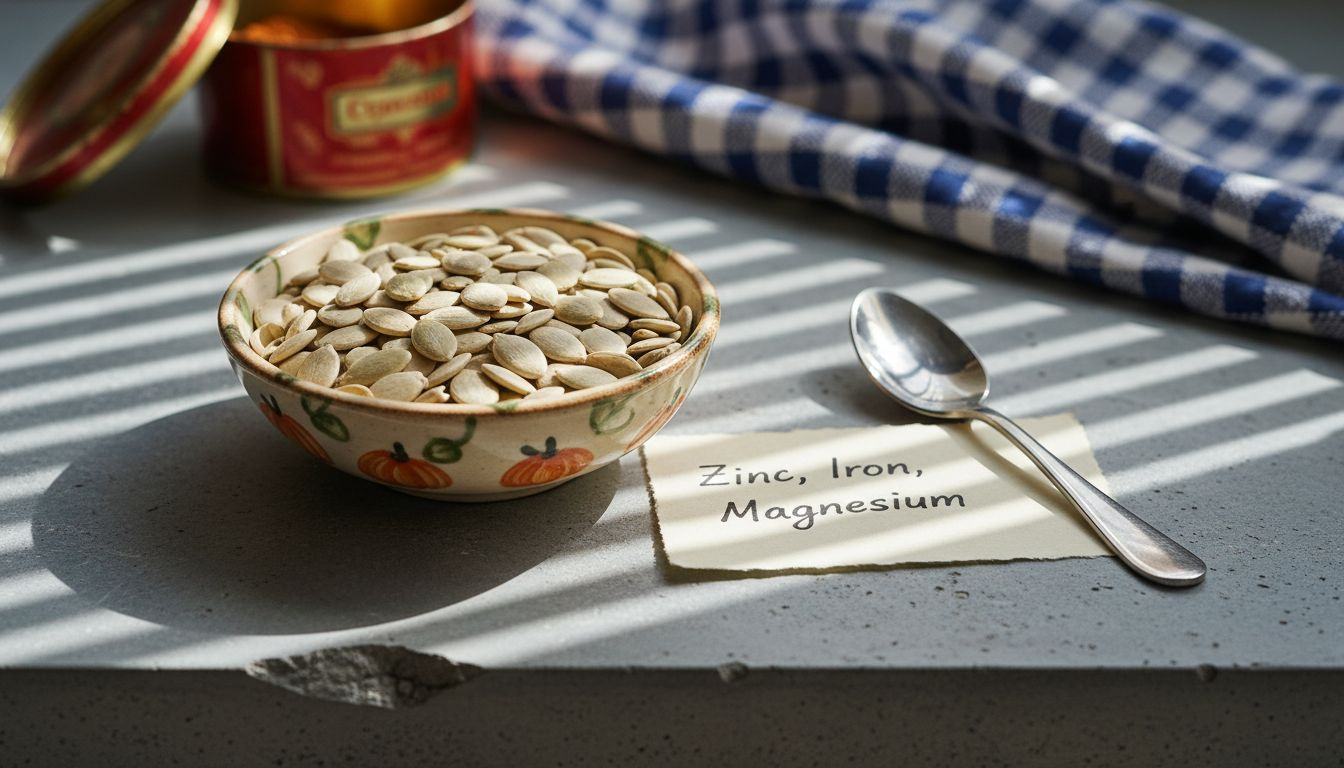
UK pricing reflects quality and import costs. Almonds range £8-£12 per kilogram, while pumpkin seeds cost £6-£10 per kilogram. Chia seeds command £10-£15 per kilogram. Health food stores and online retailers offer better bulk pricing than supermarket small packages.
These foods shine as snacks or meal enhancers rather than primary protein sources. Sprinkling pumpkin seeds over porridge, blending almonds into smoothies, or stirring chia into yogurt alternatives boosts protein and nutrient density without excessive volume.
| Food | Protein (g/100g) | Digestibility | Key Nutrients | Best Use |
|---|---|---|---|---|
| Pumpkin Seeds | 30g | 70-75% | Zinc, Magnesium, Iron | Snacks, Salad toppings |
| Almonds | 21g | 75-80% | Vitamin E, Calcium, Magnesium | Nut butter, Snacks |
| Chia Seeds | 18-23g | 70-75% | Omega-3 ALA, Fiber, Calcium | Puddings, Smoothies |
For practical applications, explore high protein nuts and seeds in everyday meals and snacks.
Protein Quality and Digestibility: Understanding PDCAAS Scores
Protein quality determines whether your food choices translate into muscle repair, immune function, and cellular health. PDCAAS (Protein Digestibility Corrected Amino Acid Score) measures both amino acid completeness and how well your body absorbs available protein.
Scores run from 0 to 1, with 1.0 representing perfect protein. Quinoa PDCAAS is 0.87 compared to lentils at 0.52, revealing substantial differences in usable protein despite similar listed protein content. A food with 20g protein at 0.50 PDCAAS delivers only 10g of fully usable protein to your body.
Digestibility accounts for how efficiently your digestive system breaks down protein into amino acids. Nuts score 70-80%, meaning 20-30% of their protein passes through unabsorbed. Ancient grains achieve 85-90% digestibility, approaching animal protein efficiency.
Amino acid profiles explain why combinations work. Nine essential amino acids must come from food because your body cannot synthesize them. Most plant proteins fall short in one or two essentials, typically lysine or methionine. Grains lack lysine while pulses provide it abundantly. Pulses lack methionine while grains supply it readily.
Strategic pairing creates complete proteins exceeding individual components. Rice and beans, quinoa and lentils, or buckwheat with chickpeas all deliver balanced amino acid profiles supporting optimal muscle protein synthesis and recovery.
Fitness applications require attention to timing and combinations. Post-workout meals benefit from higher PDCAAS foods like quinoa or properly combined grain-pulse dishes. The enhanced amino acid availability supports faster recovery and adaptation.
“Protein quality matters as much as quantity. A lower-quality protein requires larger servings to deliver the same amino acids as a high-quality source. This affects both calorie intake and digestive comfort.”
Key PDCAAS insights:
- Quinoa leads plant proteins at 0.87, rivaling many animal sources
- Lentils score 0.52, requiring combinations for completeness
- Nuts show 70-80% digestibility, limiting usable protein
- Combining grains and pulses enhances overall amino acid profiles
- Higher scores mean more protein reaches muscles and organs
- Quality trumps quantity for effective muscle repair and function
For deeper exploration of protein quality insights, examine how different plant sources complement each other.
Pricing, Availability, and Accessibility in the UK Market
Affordability and accessibility determine whether optimal nutrition remains theoretical or becomes daily reality. UK market dynamics favour pulse-based protein strategies for budget-conscious consumers while offering premium ancient grains and nuts for those prioritizing convenience and nutrient density.
Pulses cost typically under £2 per 500g in the UK, delivering exceptional value. A 500g bag of red lentils provides roughly 125g protein for £1.50, equating to 1.2p per gram. Ancient grains run £2.50-£4.50 per 500g, offering 70-90g protein per bag at 3-5p per gram. Nuts and seeds command £6-£12 per kilogram, translating to 4-8p per gram of protein.
Mainstream supermarkets stock comprehensive selections. Tesco, Sainsbury’s, Morrisons, and Asda all carry red, green, and puy lentils alongside chickpeas, black beans, and kidney beans. Quinoa appears in standard and organic varieties across major chains. Buckwheat availability has expanded but remains more common in health food sections.
Health food stores offer specialty items. Holland & Barrett, Planet Organic, and independent health shops stock ancient grain flours, sprouted pulses, and premium nut and seed butters. These products command higher prices but provide convenience and unique formats.
Online retailers expand options further. Amazon, Thrive Market, and specialty importers deliver bulk quantities at competitive pricing. Subscription services offer regular deliveries with modest discounts.
Convenience products balance time and cost. Pre-cooked pouches of quinoa and lentils cost 3-4 times more than dried equivalents but eliminate soaking and cooking time. Mixed nut butters combining almonds, pumpkin seeds, and ancient grain powders deliver 15-20g protein per serving in spreadable form.
Key market insights:
- Pulses offer best value at under 2p per gram of protein
- Ancient grains provide moderate pricing with superior quality
- Nuts and seeds deliver premium nutrition at premium cost
- All categories widely available across UK grocery channels
- Bulk purchasing online reduces per-unit costs significantly
- Convenience formats trade higher prices for time savings
Long-term adherence depends on balancing cost, quality, and convenience according to your priorities. For guidance on nutrient dense food availability, explore how to build sustainable nutrition strategies.
Situational Recommendations: Best Choices for Different Fitness and Nutrition Needs
Your optimal high protein non dairy foods depend on specific goals, constraints, and preferences. Tailored selections ensure nutrition supports rather than complicates your lifestyle.
-
Budget-conscious muscle recovery: Lentils and beans are excellent budget-friendly options supporting muscle recovery through high lysine content and slow-release carbohydrates. Combine red lentils with brown rice for complete amino acids at minimal cost. A 500g bag of each provides multiple high-protein meals for under £3 total.
-
Gluten-free complete protein: Quinoa and buckwheat eliminate gluten concerns while delivering near-complete amino acid profiles. Their high PDCAAS scores maximize usable protein per serving. Rotate both grains to prevent flavour fatigue and capture their distinct nutrient advantages.
-
Nutrient-dense snacking: Pumpkin seeds and almonds pack protein alongside zinc, magnesium, vitamin E, and healthy fats. Pre-portion 30g servings into containers for grab-and-go convenience delivering 6-9g protein plus micronutrients supporting energy and recovery.
-
Omega-3 enriched protein: Chia seeds uniquely provide plant-based omega-3 fatty acids alongside protein. Stir 2 tablespoons into smoothies or make overnight chia pudding for 4-6g protein plus alpha-linolenic acid supporting brain function and inflammation control.
-
Convenient portable protein: Mixed nut and ancient grain butters combine multiple protein sources in spreadable form. Look for products listing almonds, pumpkin seeds, quinoa, or buckwheat. Single-serve packets deliver 15-20g protein for post-workout recovery or meal replacement in busy schedules.
-
Maximum protein density: Pumpkin seeds lead all plant sources at 30g protein per 100g. Roast with spices for snacking or blend into protein-rich pesto replacing traditional pine nuts. Their zinc content further supports immune function and tissue repair.
Personalize combinations based on taste preferences, cooking skills, and schedule demands. Someone working long hours may prioritize convenient formats despite higher costs, while home cooks can maximize value through dried pulses and grains. Experiment with different options to discover sustainable patterns.
For comprehensive guidance on protein for muscle recovery, vegan protein choices, and non dairy protein selections, explore resources addressing specific nutrition challenges.
Explore Premium Ancient Grains and Plant Proteins at Granavitalis
Transform your nutrition knowledge into daily vitality with Granavitalis’ curated selection of ancient grains, premium nut butters, and plant proteins. Every product honours heritage nutrition while meeting modern performance demands.
Our quinoa and buckwheat deliver the high PDCAAS scores and complete amino acid profiles discussed throughout this guide. Sourced from trusted growers and minimally processed, these grains retain maximum nutrient integrity. Explore our detailed ancient grains guide to understand what separates heritage varieties from commodity alternatives.
Nut and seed butters provide portable protein without compromise. Our nut and seed butters combine almonds, pumpkin seeds, and ancient grain powders for balanced nutrition in every spoonful. Perfect for post-workout recovery or nutrient-dense snacking throughout your day.
Educational resources deepen your understanding. Visit Granavitalis to access expert articles on protein quality, meal planning strategies, and fitness nutrition. Your journey to real-food strength starts with knowledge and continues with products supporting your goals.
Frequently Asked Questions
What defines high protein non-dairy foods?
High protein non dairy foods typically contain at least 13-15% protein by weight, sourced from plants rather than animal milk products. Ancient grains like quinoa and buckwheat, pulses including lentils and beans, plus nuts and seeds all qualify. Protein quality and digestibility vary significantly across categories, affecting how effectively your body uses available protein for muscle repair and cellular function. The best options combine high protein content with strong PDCAAS scores, indicating complete amino acid profiles and efficient absorption.
Are plant-based proteins as effective as dairy protein for muscle recovery?
Plant proteins like quinoa (PDCAAS 0.87) approach but do not fully match dairy’s protein quality, requiring thoughtful combinations for optimal muscle recovery. Dairy proteins typically score 1.0 on the PDCAAS scale, indicating perfect amino acid balance and digestibility. However, combining grains with pulses creates synergistic profiles that effectively support muscle protein synthesis and recovery. The practical difference narrows when plant proteins are strategically paired and consumed in adequate quantities.
What are the most affordable high protein non-dairy foods in the UK?
Pulses like lentils and beans typically cost under £2 per 500g, providing excellent high-protein value in the UK market. Red lentils, green lentils, chickpeas, and black beans all deliver 25g protein per 100g dry weight at approximately 1-2p per gram of protein. This affordability makes them accessible for any budget while supporting muscle recovery and sustained energy. Ancient grains and nuts cost more but remain reasonable for those prioritizing convenience or specific nutrient profiles.
How can I combine plant proteins to maximize benefits?
Combining grains like quinoa or buckwheat with pulses enhances amino acid completeness, boosting protein quality. Grains typically lack sufficient lysine while pulses provide it abundantly. Conversely, pulses contain less methionine while grains supply it readily. Pairing these complementary sources creates complete protein profiles rivaling animal sources. Simple combinations include quinoa with lentils, buckwheat with chickpeas, or brown rice with black beans, each delivering balanced essential amino acids.
Are high protein non-dairy foods easy to find in UK grocery stores?
Yes, pulses, ancient grains, nuts, and seeds appear widely across UK supermarkets and health food stores. Tesco, Sainsbury’s, Morrisons, and Asda all stock comprehensive pulse selections, quinoa, and common nuts. Specialty items like buckwheat and mixed nut butters increasingly appear in mainstream stores, while health food shops and online retailers offer expanded varieties. This broad availability makes building high protein non dairy nutrition strategies practical and sustainable for UK consumers at all budget levels.