
Best Non Dairy Protein: Plant Power for Active Lifestyles
Finding truly satisfying nutrition as a health-conscious adult in the United Kingdom often means searching beyond traditional dairy for reliable protein sources. With modern plant-based alternatives gaining popularity, misconceptions persist around their nutritional value and fitness benefits. Unpacking the latest science reveals that carefully selected non-dairy proteins can match animal sources in supporting recovery, energy and overall wellness. This guide helps you choose effective options, combine sources for maximum benefit and make informed decisions about plant-based nutrition.
Table of Contents
- Non Dairy Protein Explained and Debunked
- Popular Non Dairy Protein Sources Reviewed
- Comparing Plant Proteins: Amino Profiles and Absorption
- Benefits for Energy, Recovery, and Wellbeing
- How to Choose Quality and Avoid Pitfalls
Key Takeaways
| Point | Details |
|---|---|
| Non-Dairy Protein Varieties | Diverse plant-based proteins can provide comprehensive amino acid profiles vital for muscle recovery and overall health. Combining different sources enhances nutritional benefits. |
| Nutritional Quality | When choosing plant proteins, look for products with at least 20-25 grams of protein per serving and minimal additives. Transparency in sourcing and third-party testing are essential indicators of quality. |
| Strategic Selection | Use a mix of proteins from legumes, grains, nuts, and seeds to overcome limitations in any single plant source and improve nutrient absorption. |
| Health Benefits | Plant-based proteins support energy stability, muscle recovery, and long-term wellbeing, offering antioxidants and phytonutrients that can reduce chronic disease risk. |
Non Dairy Protein Explained and Debunked
Non-dairy protein represents a revolutionary nutritional approach for health-conscious individuals seeking plant-based alternatives to traditional animal protein sources. Plant-based protein ecosystems have rapidly evolved, offering diverse options for active individuals who want sustainable, nutrient-dense nutrition.
Understanding plant proteins requires debunking several long-standing misconceptions. Contrary to popular belief, plant proteins are not inferior to animal proteins. Academic research on plant protein sources demonstrates that carefully selected plant proteins can provide complete amino acid profiles, supporting muscle development, recovery, and overall wellness. These proteins come from diverse sources including legumes, nuts, seeds, and specialised plant protein powders.
The nutritional landscape of non-dairy proteins is complex and nuanced. Different plant proteins offer unique benefits: pea protein provides robust amino acid content, hemp offers essential fatty acids, and rice protein delivers gentle digestibility. Active individuals should focus on protein variety and complementary amino acid profiles rather than relying on a single source. Combining proteins from multiple plant sources ensures comprehensive nutritional coverage and optimal biological value.
Pro tip: Rotate your plant protein sources weekly to ensure a diverse amino acid intake and prevent potential nutritional monotony.
Popular Non Dairy Protein Sources Reviewed
Exploring non-dairy protein sources reveals a rich tapestry of nutritional alternatives that cater to diverse dietary needs. Major plant-based protein sources include legumes, cereals, pseudocereals, nuts, and seeds, each offering unique nutritional profiles that challenge traditional animal protein paradigms.
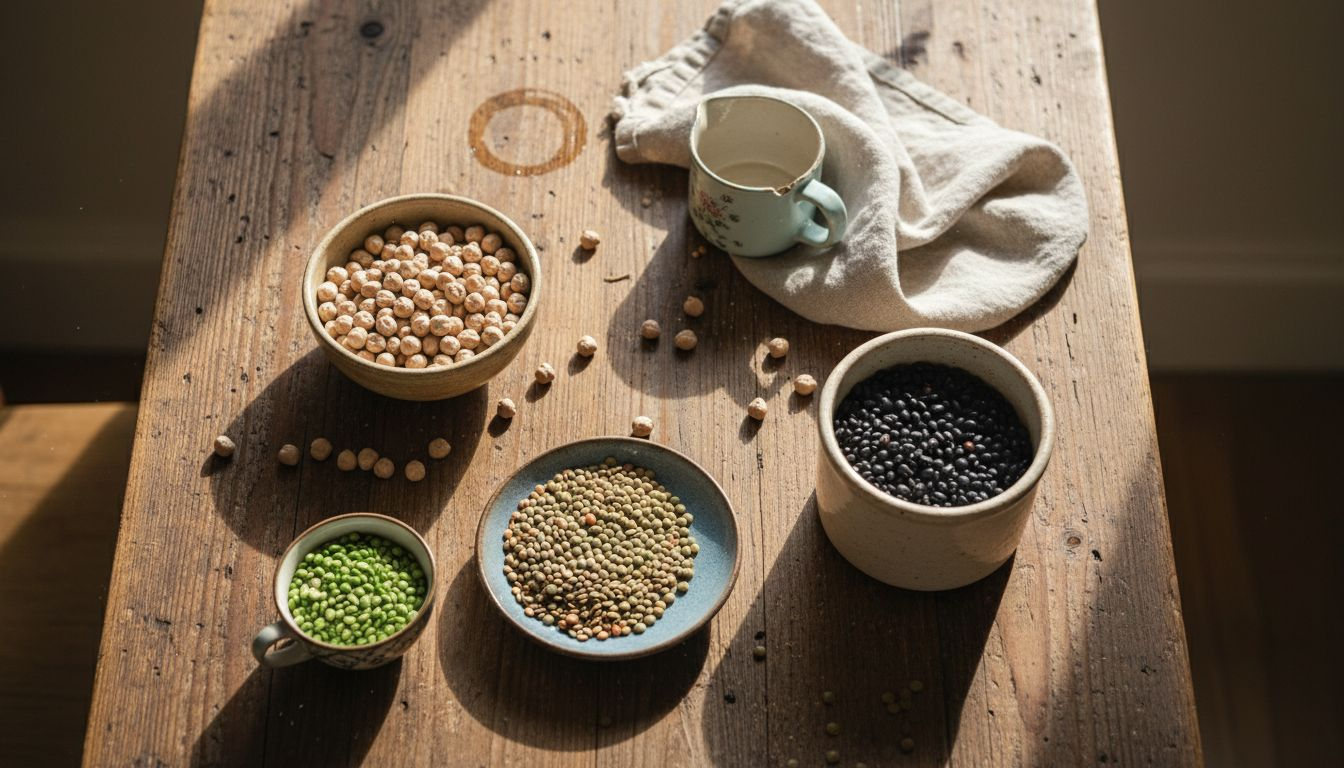
Legumes stand out as nutritional powerhouses in the non-dairy protein landscape. Chickpeas, lentils, and black beans provide substantial protein content alongside essential minerals and fibre. Nuts like almonds and cashews offer protein with healthy fats, while seeds such as chia, hemp, and pumpkin seeds deliver concentrated protein packages. Pseudocereals like quinoa and amaranth are particularly impressive, providing complete protein profiles with all essential amino acids.
The diversity of plant protein sources allows for strategic nutritional planning. Pea protein offers high digestibility, hemp provides omega fatty acids, and soy protein delivers a comprehensive amino acid profile. Active individuals can strategically combine these sources to create balanced, protein-rich dietary plans that support muscle development, recovery, and overall wellness.
To clarify the differences between major non-dairy protein sources, see the comparison below:
| Protein Source | Amino Acid Completeness | Key Added Nutrients | Typical Use |
|---|---|---|---|
| Pea | Nearly complete | Iron, lysine | Shakes, baking |
| Soy | Complete | Magnesium, isoflavones | Tofu, milk, powders |
| Hemp | Incomplete, high EAA | Omega-3, fibre | Smoothies, bars |
| Rice | Incomplete, gentle digestibility | Manganese, B vitamins | Powders, cereals |
| Quinoa | Complete | Magnesium, antioxidants | Salads, baking |
Pro tip: Experiment with protein blend combinations to optimise amino acid intake and discover your preferred taste and texture profile.
Comparing Plant Proteins: Amino Profiles and Absorption
Understanding plant protein nutrition requires a nuanced examination of amino acid profiles and absorption mechanisms. Plant protein nutritional characteristics reveal complex interactions between protein structure, amino acid composition, and human metabolic processes that challenge traditional protein consumption paradigms.
Different plant proteins demonstrate unique amino acid profiles that impact their nutritional effectiveness. Soy protein offers a near-complete amino acid spectrum, while pea protein provides high levels of branched-chain amino acids crucial for muscle recovery. Quinoa stands out as a rare complete plant protein, containing all nine essential amino acids. The absorption efficiency varies significantly between sources, with factors like protein processing, preparation method, and individual digestive capabilities playing critical roles in nutrient bioavailability.
Scientific research highlights the importance of strategic protein combining to overcome potential limitations in individual plant protein sources. By thoughtfully blending proteins from legumes, grains, nuts, and seeds, individuals can create comprehensive amino acid profiles that rival animal protein sources. This approach not only addresses potential nutritional gaps but also provides additional benefits such as increased fibre, micronutrients, and reduced environmental impact.
Pro tip: Create personalised protein blends by mixing different plant protein sources to optimise amino acid intake and enhance overall nutritional absorption.
Benefits for Energy, Recovery, and Wellbeing
Plant-based proteins offer transformative potential for individuals seeking sustainable energy, enhanced physical recovery, and holistic wellbeing. Non-animal protein consumption patterns reveal significant benefits for active lifestyles, challenging conventional nutritional assumptions about protein sources.
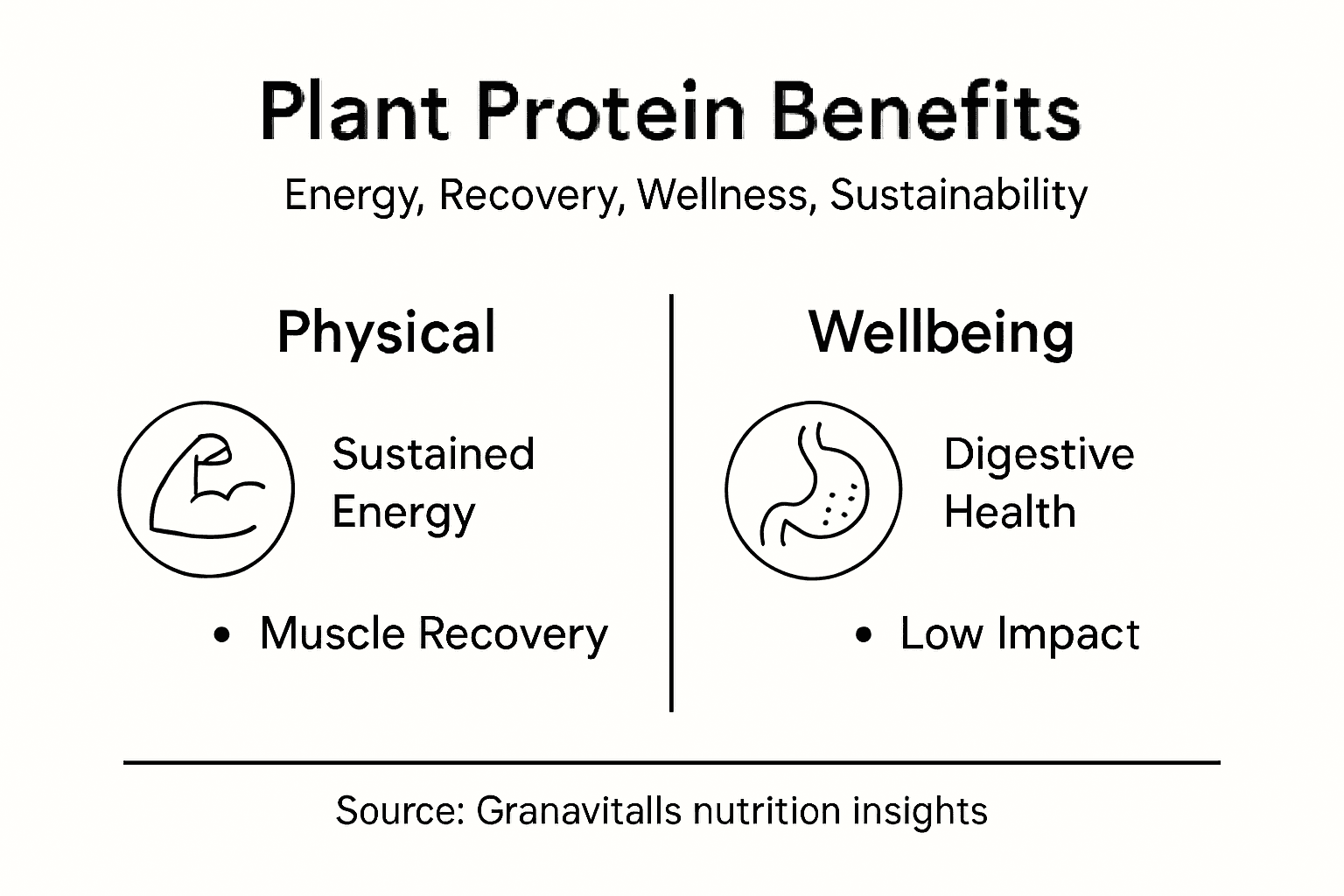
The energy dynamics of plant proteins are particularly compelling for athletes and fitness enthusiasts. Proteins like pea, hemp, and brown rice provide steady, consistent energy release, avoiding the metabolic spikes associated with some animal proteins. These plant sources deliver essential amino acids that support muscle glycogen replenishment, reduce inflammation, and accelerate post-exercise recovery. Crucially, they offer additional micronutrients that contribute to cellular repair and overall metabolic efficiency.
Beyond physical performance, plant proteins demonstrate remarkable contributions to long-term wellness. Their rich phytonutrient profiles support immune function, help manage oxidative stress, and provide anti-inflammatory compounds that extend beyond mere nutritional supplementation. By incorporating diverse plant protein sources, individuals can potentially reduce chronic disease risks while maintaining optimal physical and mental performance.
Pro tip: Rotate your plant protein sources weekly to maximise nutritional diversity and prevent potential adaptation plateaus in your metabolic response.
How to Choose Quality and Avoid Pitfalls
Selecting high-quality plant proteins requires a strategic approach that goes beyond surface-level marketing claims. European protein source regulations757806_EN.pdf) highlight critical considerations for consumers seeking genuine nutritional value, emphasising transparency and scientific evaluation in protein selection.
Discerning consumers should prioritise several key indicators of protein quality. First, examine the ingredient list carefully, avoiding products with excessive additives, artificial sweeteners, or highly processed components. Look for minimally processed proteins with clear, recognisable ingredients. Protein concentration matters: aim for products providing at least 20-25 grams of protein per serving, with a complete amino acid profile. Seek third-party testing certifications and transparent sourcing information, which demonstrate a commitment to quality and nutritional integrity.
Additionally, be wary of common pitfalls in plant protein selection. Many products market themselves as healthy without substantive nutritional backing. Watch for potentially misleading claims about protein absorption and bioavailability. Consider factors like protein digestibility, amino acid balance, and potential allergen content. Organic certification, non-GMO verification, and sustainable sourcing can provide additional quality indicators that align with holistic wellness goals.
For an overview of practical tips to verify and choose quality non-dairy protein products, use this reference:
| Quality Indicator | Why It Matters | What to Look For |
|---|---|---|
| Protein per Serving | Ensures nutritional adequacy | 20–25g per portion |
| Ingredient List | Identifies additives and fillers | Short, recognisable components |
| Third-Party Testing | Confirms label accuracy | Independent certifications |
| Sourcing Transparency | Supports ethical choices | Origin, non-GMO, organic labels |
Pro tip: Always cross-reference protein product labels with independent nutritional databases to verify actual protein content and quality.
Unlock the Power of Plant-Based Protein for Your Active Lifestyle
If you are seeking to overcome the challenge of finding complete, clean, and effective non-dairy protein sources that support muscle recovery, energy, and overall wellbeing then our range of expertly crafted Vegan Protein Powders – Granavitalis is the perfect solution. Rooted in tradition and designed for today’s performance needs, our proteins offer nutrient-dense blends derived from ancient grains, nuts, and seeds to help you build strength without compromise.
Embrace the Granavitalis promise of purity, performance, and purpose and start your journey toward sustained vitality today. Explore our selection to experience thoughtfully crafted plant proteins that deliver on bioavailability and amino acid balance. Visit Granavitalis now to fuel your workouts and recovery with real food power and make the switch to smarter, cleaner nutrition.
Frequently Asked Questions
What are some of the best sources of non-dairy protein?
Legumes, nuts, seeds, cereals, and pseudocereals are among the best sources of non-dairy protein. Chickpeas, lentils, quinoa, and chia seeds are particularly nutrient-dense options that offer substantial protein content.
How can I ensure I get a complete amino acid profile from plant proteins?
To achieve a complete amino acid profile, combine different plant protein sources, such as legumes with grains or seeds with nuts. This strategic blending helps ensure that all essential amino acids are included in your diet.
Are plant-based proteins effective for muscle recovery?
Yes, plant-based proteins can be highly effective for muscle recovery. Sources such as pea protein and quinoa provide branched-chain amino acids essential for muscle repair and growth, helping to enhance recovery after workouts.
How do I choose high-quality non-dairy protein products?
Look for non-dairy protein products with clear ingredient lists that avoid excessive additives. Aim for products with at least 20-25 grams of protein per serving and consider those that have been third-party tested for quality assurance.