
Plant-Based Protein Isolate: Wellness And Recovery
Finding the right plant-based protein solution after a tough workout can feel confusing given the growing range of options on British shelves. For health-conscious adults aiming to support muscle recovery and overall wellness, understanding the difference between whole plant foods and concentrated protein isolates is key. Discover how concentrated protein products derived from plant sources deliver rapid amino acid support and what to consider when choosing the right style for your unique fitness and nutritional goals.
Table of Contents
- Defining Plant-Based Protein Isolate
- Types And Sources Of Plant Protein Isolate
- How Plant Protein Isolates Are Made
- Nutritional Value And Health Impact
- Risks, Regulations And Alternatives In The UK
Key Takeaways
| Point | Details |
|---|---|
| Plant-Based Protein Isolates Are Highly Concentrated | Contains at least 90% protein by weight, providing rapid amino acid availability for muscle recovery. |
| Source Variety Matters | Different plant sources offer unique amino acid profiles; combining isolates can optimise nutritional benefits for recovery. |
| Processing Impacts Nutritional Content | Isolates lack fibre and some micronutrients found in whole foods, so they should complement a balanced diet. |
| Regulatory Oversight Ensures Safety | UK regulations govern allergen labelling and fortification, ensuring consumers receive accurate nutritional information. |
Defining Plant-Based Protein Isolate
Plant-based protein isolates are concentrated protein products derived from plant sources like legumes, nuts, and seeds. Unlike whole foods, isolates undergo processing to remove most carbohydrates, fats, and fibre, leaving behind a high-protein powder. Think of it as the distilled essence of a plant’s protein content.
These products differ fundamentally from regular plant-based protein powders. Isolates contain at least 90% protein by weight, whilst concentrates typically offer 60-80%. This higher concentration means you get more protein per serving with fewer calories and carbohydrates.
Why does this matter for your recovery? When your muscles are fatigued after training, they need quick access to amino acids for repair. Plant-based protein isolates provide essential amino acids necessary for muscle maintenance and recovery. The high concentration delivers what your body needs without excess bulk.
Where do isolates come from?
- Pea protein isolate: extracted from yellow peas, naturally rich in arginine
- Soya protein isolate: one of the few plant sources containing all nine essential amino acids
- Brown rice protein isolate: often combined with pea for complete amino acid profiles
- Hemp seed isolate: includes omega-3 fatty acids alongside protein
The production process involves water extraction, filtration, and drying to concentrate the protein whilst removing other plant compounds. This processing is more intensive than simply grinding whole foods, which is why isolates differ from minimally processed legumes and pulses.
What makes isolates different from whole plant foods?
Whole foods like lentils and chickpeas contain fibre, vitamins, and minerals alongside protein. Isolates prioritise protein density, making them ideal post-workout when your body needs rapid amino acid delivery. However, understanding different types of vegan protein powders helps clarify which option suits your specific wellness goals.
Isolates deliver what athletes and active individuals need: concentrated protein without the volume or digestive weight of whole foods after intense training.
Plant-based isolates concentrate protein to 90% or higher, delivering rapid amino acid availability for muscle recovery when your body needs it most.
For UK health-conscious adults balancing fitness with everyday life, isolates bridge the gap between convenience and nutritional density. They fit seamlessly into post-workout smoothies, recovery drinks, or breakfast recipes without the heaviness of whole protein sources.
Pro tip: Check the amino acid profile on the label—look for isolates containing all nine essential amino acids, particularly leucine, which triggers muscle protein synthesis after your workout.
Types And Sources Of Plant Protein Isolate
Plant protein isolates come from several distinct sources, each offering unique nutritional profiles and amino acid compositions. Understanding which isolate suits your recovery needs depends on knowing where it comes from and what it delivers.
The main plant-based protein isolate sources
Below is a comparison of common plant protein isolate sources and their key characteristics:
| Source | Amino Acid Completeness | Special Nutrients | Typical Flavour Profile |
|---|---|---|---|
| Pea | Incomplete, blend for full | High in arginine, BCAAs | Earthy, mild |
| Soya | Complete (all essential) | Natural phytoestrogens | Neutral, easy to mask |
| Brown rice | Incomplete, blend for full | Hypoallergenic, mild fibre | Light, slightly nutty |
| Hemp seed | Nearly complete, rich blend | Omega-3, omega-6 fatty acids | Nutty, grassy |
| Lupin | Favourable, emerging | Prebiotic fibre, minerals | Mild, suitable for blending |
- Pea protein isolate: high in branched-chain amino acids (BCAAs), particularly leucine for muscle activation
- Soya protein isolate: complete protein with all nine essential amino acids, most researched plant isolate
- Rice protein isolate: mild flavour, often blended with pea for amino acid completeness
- Hemp seed isolate: delivers complete amino acids plus omega-3 and omega-6 fatty acids
- Lupin protein isolate: an underutilised legume with high protein content and favourable amino acid profile, emerging as a soya alternative
Each source has undergone specific processing to create the isolate form. Water extraction, mechanical separation, and drying concentrate the protein whilst removing carbohydrates, fats, and fibre from the original plant material.
Why different isolates matter for recovery
Your body responds differently to isolates depending on their amino acid ratios. Pea isolate excels at triggering muscle protein synthesis due to high leucine content. Soya provides all essential amino acids in one source, reducing the need for combinations.
The common plant-based protein sources in UK diets include pulses, nuts, seeds, and processed products. Isolates represent the refined versions of these whole foods, concentrated for convenience and rapid absorption.
Blended isolates for optimal recovery
Many high-performance isolates combine multiple sources. A pea and rice blend offers complete amino acid profiles without soya. Hemp-based isolates add micronutrients beyond protein. These combinations address what single-source isolates cannot achieve alone.
Lupin shows particular promise as soya alternatives become more common. Its favourable amino acid profile and high protein yield make it suitable for expanding your isolate options beyond mainstream choices.
Different isolate sources deliver varying amino acid profiles—matching the right isolate to your specific fitness goals maximises recovery efficiency.
When recovering from intense training, the isolate source matters less than total leucine content and absorption speed. Pea and soya lead here. Yet if you seek additional micronutrients, hemp or lupin isolates bridge the gap between pure protein and nutritional density.
Pro tip: Look for isolates containing at least 20 grams of protein per serving with a leucine-to-isoleucine ratio favourable for muscle activation, typically found in pea-based or complete-source blends.
How Plant Protein Isolates Are Made
Plant protein isolates start as whole plant material and undergo a controlled manufacturing process to become the concentrated powder you add to smoothies. The journey from seed or legume to isolate involves precise extraction, purification, and drying steps that preserve nutritional quality whilst removing unwanted components.
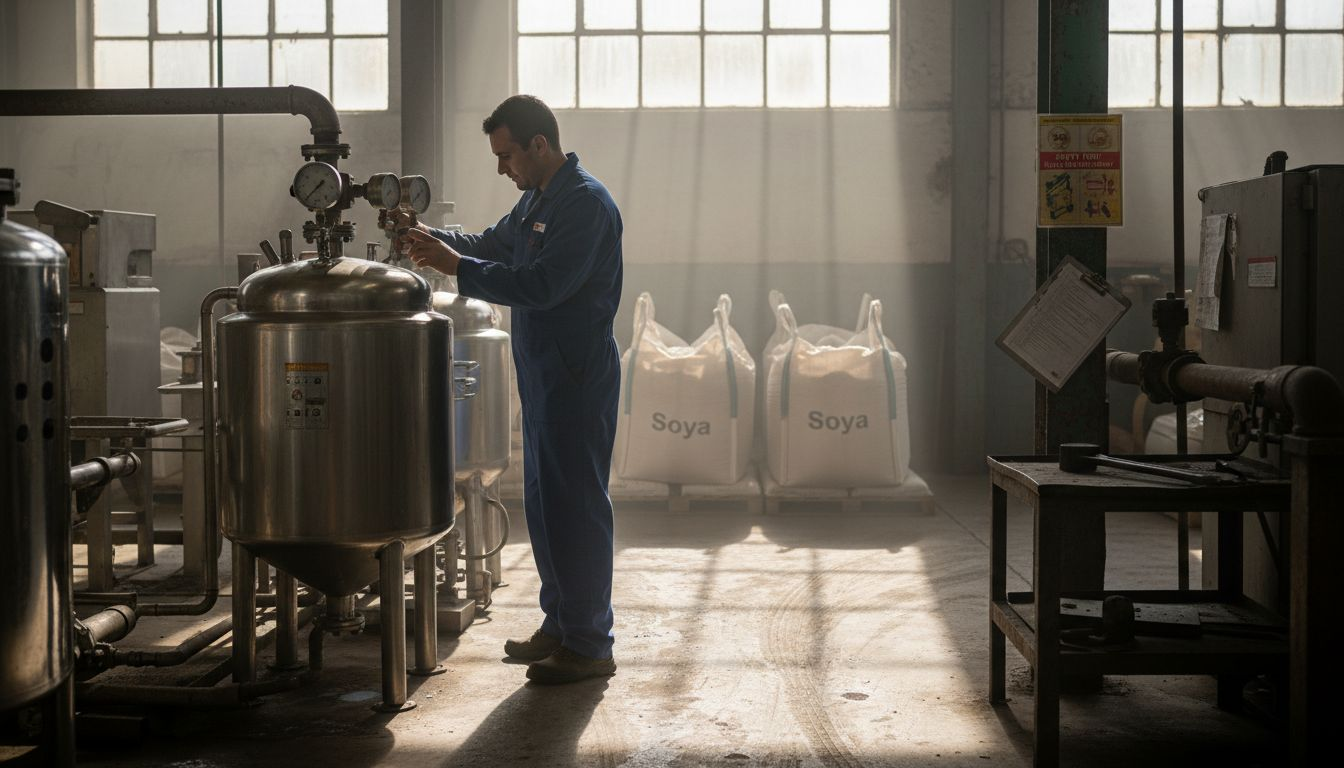
The production process follows a consistent sequence across most plant sources. Understanding how isolates are made helps you appreciate why they cost more than whole foods and why they absorb so rapidly in your body after training.
The core production steps
- Extraction: Plant material is mixed with water to dissolve the protein, separating it from fibre, fats, and carbohydrates
- Filtration: Solid plant matter is removed through mechanical screening, leaving a protein-rich liquid
- Purification: Protein separation occurs through precipitation and further filtration to concentrate the isolate further
- Drying: The concentrated liquid is spray-dried into fine powder for storage and transport
Each step removes more non-protein components. By the final stage, you have a product containing 90% or more pure protein by weight.
What gets removed during processing
Whole plant foods contain fibre, fats, vitamins, minerals, and carbohydrates alongside protein. During isolate production, most of these are intentionally removed to create a concentrated product. This matters because post-workout, rapid protein delivery matters more than the additional nutrients found in whole foods.
Here is a summary of plant protein isolate processing versus whole plant foods:
| Attribute | Plant Protein Isolate | Whole Plant Foods |
|---|---|---|
| Protein content | 90%+ by weight | 5-20% commonly |
| Fibre content | Minimal to none | High, intact |
| Absorption speed | Rapid, post-training | Slower, sustained |
| Micronutrients | Often reduced | Broad range, abundant |
| Typical use | Recovery shakes | Everyday meals, salads |
The extraction solvents used are typically food-grade water or mild chemicals that break down cell walls safely. Safe isolation processes retain nutritional quality whilst achieving the protein concentration your recovery demands.
Why processing matters for your recovery
Whole lentils contain roughly 9 grams of protein per 100 grams cooked. Pea protein isolate contains 90 grams per 100 grams. That concentration difference is entirely due to processing. After intense training, this matters because your muscles need rapid amino acid availability.
The processing also improves functionality in food applications. Isolates blend smoothly, mix into drinks without grittiness, and absorb quickly compared to whole foods. Your body doesn’t need to work as hard digesting isolate as it does digesting whole legumes.
Processing concentrates plant protein from roughly 10% to over 90% purity, enabling rapid post-workout muscle recovery that whole foods cannot match in timeframe.
Quality isolates maintain amino acid profiles throughout processing. Heat, mechanical damage, and chemical solvents can degrade amino acids, so reputable manufacturers control temperature and processing speed carefully. High-quality protein sources retain amino acid integrity through controlled production.
Pro tip: Check the ingredient list for minimal additives and look for processing methods described as “low-temperature” or “enzymatic” rather than high-heat extraction, which preserves amino acid quality better.
Nutritional Value And Health Impact
Plant-based protein isolates deliver concentrated amino acids your muscles need for recovery, but their overall health value depends on source quality, fortification, and how they fit into your wider diet. Not all isolates are created equal—understanding their nutritional profile helps you make choices aligned with your wellness goals.
What plant protein isolates actually deliver
A typical plant protein isolate serving contains 20-30 grams of protein with minimal carbohydrates and fats. Most importantly, plant-based protein isolates provide essential amino acids necessary for muscle maintenance and recovery. However, nutritional content varies significantly by source and fortification practices.
Soya isolates contain all nine essential amino acids naturally. Pea isolates require pairing with complementary sources for complete amino acid profiles. Hemp isolates include micronutrients beyond protein. This variation matters when selecting isolates for daily use.
Health benefits compared to animal protein
Plant-based isolates offer distinct advantages over conventional animal protein sources. They typically contain lower saturated fat, zero cholesterol, and contribute fewer calories per gram of protein. For cardiovascular health, this matters significantly over time.
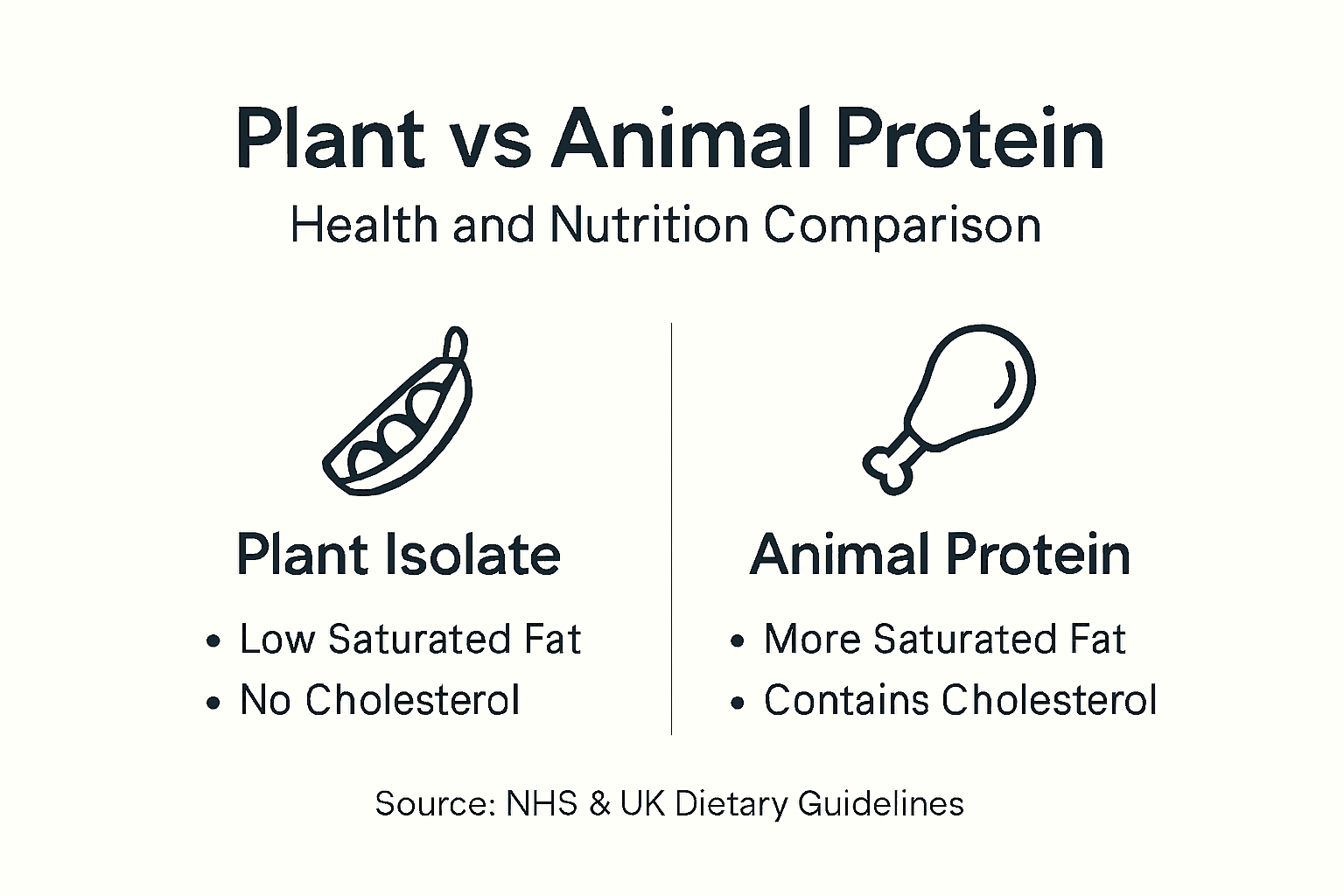
Compared to meat-based diets, plant protein alternatives support reduced risk of cardiovascular diseases through lower fat profiles and higher fibre when consumed alongside whole foods. Yet isolates alone remove the fibre advantage, so combining them with whole plant foods maximises health benefit.
Where isolates fall short
Some plant-based isolate products contain added sugars and less consistent micronutrient profiles compared to animal proteins. A vanilla-flavoured isolate may contain 5-8 grams of added sugar per serving, negating some health advantages. Reading labels carefully prevents this surprise.
Isolate products also lack the vitamin B12, iron, and calcium naturally present in animal products. Fortified isolates address this partially, but whole plant foods offer these nutrients more reliably. Your best strategy combines isolates with whole foods rather than relying solely on isolates.
Processed versus minimally processed plant proteins
Non-processed legumes, nuts, and seeds contain fibre, polyphenols, and minerals isolates lack. Isolates sacrifice nutritional completeness for convenience and rapid absorption. Less processed plant proteins deliver superior nutritional profiles overall, yet isolates excel at specific recovery windows after training.
For UK health-conscious adults, the ideal approach uses isolates strategically post-workout whilst prioritising whole plant foods for general nutrition.
Plant isolates concentrate protein effectively but lose fibre and micronutrients found in whole sources—use isolates for recovery, whole foods for complete nutrition.
Pro tip: Choose fortified isolate products containing added vitamins B12 and D3, and pair your post-workout isolate shake with whole foods like berries or nuts to restore the fibre your processing removed.
Risks, Regulations And Alternatives In The UK
Plant-based protein isolates sold in the UK operate under strict regulatory frameworks designed to protect consumer health. Understanding these regulations, potential risks, and your alternatives helps you make informed choices about which products genuinely meet safety and nutritional standards.
The UK applies rigorous oversight to all protein isolate products. Regulatory bodies monitor fortification standards, chemical contaminants, and allergen labelling to ensure what you purchase matches the claims on the packaging. This level of scrutiny exists because isolates are processed foods requiring specific safety assurances.
Key regulatory requirements
Products must meet defined criteria to carry protein content claims, ensuring consumer information is accurate and protects public health. This means when a label claims “25g protein per serving,” that figure has been verified against established standards.
Fortification standards specify which vitamins and minerals manufacturers can add and in what quantities. A fortified isolate containing added B12 must list the exact amount, preventing both deficiency and excess intake. This transparency protects you from unknowingly consuming unsafe micronutrient levels.
Potential risks to consider
- Allergenicity: Soya and pea isolates can trigger allergic reactions in susceptible individuals
- Added sugars: Some flavoured isolates contain 5-8 grams per serving, hidden in taste profiles
- Nutrient imbalances: Over-reliance on isolates without whole foods creates micronutrient gaps
- Contaminant exposure: Processing can concentrate pesticides if source plants aren’t carefully selected
Regulatory oversight monitors allergenicity and nutritional deficiencies to ensure plant-based products meet safety standards. Manufacturers must declare major allergens prominently on labels.
Practical alternatives to isolates
Whole plant foods deliver the same amino acids without processing risks. Lentils, chickpeas, hemp seeds, and nuts provide complete nutrition with fibre intact. For post-workout recovery, they absorb more slowly but integrate better into overall wellness patterns.
Concentrates offer a middle ground—they contain 60-80% protein whilst retaining more fibre and nutrients than isolates. They cost less and require less processing, though they’re bulkier to consume immediately post-training.
UK regulations protect isolate safety through strict fortification rules, allergen labelling, and contaminant monitoring—but whole foods remain the nutritional gold standard.
For most UK adults, the ideal strategy combines isolates strategically with whole plant foods. Use isolates for convenient post-workout recovery when speed matters, but prioritise whole foods for your daily protein intake. This balanced approach minimises risks whilst maximising both convenience and nutritional completeness.
Pro tip: Check the “Allergens” section on isolate labels even if you’ve never reacted to the source plant—processing can concentrate allergenic proteins, causing unexpected reactions in sensitive individuals.
Enhance Your Recovery With Pure Plant Protein
If you are seeking rapid muscle repair without compromising on purity or nutrition, plant-based protein isolates are a stellar choice. This article highlights how these high-protein powders deliver essential amino acids efficiently after intense training, yet also points out the importance of quality, completeness of amino acids, and minimal processing. At Granavitalis, we understand that balancing performance with wellbeing demands more than just protein concentration — it requires ingredients rooted in tradition, handled with care, and designed to fuel your body sustainably.
Explore our selection of Vegan Protein Powders – Granavitalis, crafted from naturally sourced, low-processed plant proteins like pea and hemp to match your recovery goals.
Experience the harmony of purity and performance with Granavitalis. Start your journey today with clean, nutrient-dense proteins that honour both your recovery and long-term health. Visit Granavitalis now to find your perfect partner in plant-based wellness and unlock the power of ancestral nutrition for modern life.
Frequently Asked Questions
What is plant-based protein isolate?
Plant-based protein isolate is a concentrated protein product derived from sources like legumes, nuts, and seeds, containing at least 90% protein by weight after processing.
How do plant-based protein isolates differ from regular protein powders?
Unlike regular protein powders, plant-based protein isolates contain a higher protein concentration (90% or higher) and fewer carbohydrates and fats, making them ideal for quick muscle recovery post-workout.
Why are different sources of plant-based protein isolates important for recovery?
Each source, such as pea, soya, or hemp, offers varying amino acid profiles and additional nutrients that may enhance muscle repair and overall recovery, allowing you to choose based on your specific fitness goals.
What are the health benefits of using plant-based protein isolates compared to animal proteins?
Plant-based protein isolates tend to be lower in saturated fat and contain no cholesterol, promoting better cardiovascular health. Additionally, they offer essential amino acids, though they should be paired with whole foods for a balanced nutrient intake.