
What Is Quality Protein? 70% UK Adults Exceed Needs Daily
You’ve likely heard that plant proteins are incomplete or that you need to carefully combine foods at every meal. These myths persist despite evidence showing that plant-based diets easily meet protein needs. Understanding protein quality helps you make informed nutrition choices that support your active lifestyle without unnecessary worry.
Table of Contents
- Understanding Protein Quality: Definitions and Metrics
- Amino Acid Profiles in Plant Proteins: Completeness and Considerations
- Protein Digestibility and Bioavailability Challenges in Plant-Based Sources
- Traditional Plant-Based Protein Sources and Their Nutritional Benefits
- Common Misconceptions About Plant Protein Quality
- Protein Quality for Active, Health-Conscious Adults: Practical Implications
- Modern Plant-Based Products: Nutritional Quality and Considerations
- Integrating Quality Protein into a Traditional, Clean Nutrition Lifestyle
- Explore Quality Plant Proteins with Granavitalis
- What Is Quality Protein? FAQs
Key Takeaways
| Point | Details |
|---|---|
| Protein quality depends on amino acid completeness and digestibility | PDCAAS and DIAAS scoring systems assess how well proteins meet essential amino acid needs. |
| All plant proteins contain essential amino acids | Amounts vary by source, but no plant protein is truly incomplete. |
| Daily dietary variety meets amino acid requirements | You don’t need to combine proteins at each meal for completeness. |
| Traditional plant proteins offer exceptional nutrient density | Ancient grains and legumes provide protein alongside fiber, vitamins, and minerals. |
| Preparation methods improve bioavailability | Soaking, fermenting, and sprouting enhance protein digestibility in plant foods. |
Understanding Protein Quality: Definitions and Metrics
Protein quality measures how well a protein source delivers essential amino acids your body can absorb and use. This goes beyond simply counting protein grams on a nutrition label.
Essential amino acids cannot be made by your body, so you must obtain them through food. Nine amino acids fall into this category: histidine, isoleucine, leucine, lysine, methionine, phenylalanine, threonine, tryptophan, and valine. A quality protein provides all nine in sufficient amounts.
Two scoring systems evaluate protein quality:
- PDCAAS (Protein Digestibility Corrected Amino Acid Score): Caps scores at 1.0, which can mask differences between high-quality proteins
- DIAAS (Digestible Indispensable Amino Acid Score): Provides more accurate assessment by measuring digestibility at the end of the small intestine where absorption occurs
DIAAS represents a significant improvement over older methods. Research confirms that protein quality depends on both completeness and bioavailability of essential amino acids, with DIAAS offering superior accuracy by accounting for digestibility inhibitors.
Bioavailability matters as much as amino acid presence. Fiber and antinutrients like phytates can reduce how much protein your body actually absorbs. This doesn’t make plant proteins inadequate; it simply means preparation and variety become important considerations.
Quality protein supports muscle maintenance, recovery, immune function, and hormone production. For active adults, it becomes the foundation for sustained energy and performance.
When you understand powering plant-based vitality through proper nutrition, you make choices that align with both tradition and modern wellness goals. The key lies not in abandoning plant proteins but in selecting and preparing them thoughtfully to maximize their nutritional value.
Amino Acid Profiles in Plant Proteins: Completeness and Considerations
The myth that plant proteins are incomplete has been thoroughly debunked. All plant proteins contain every essential amino acid, though proportions vary between sources.

Cereals like wheat, rice, and oats tend to be lower in lysine. Legumes such as lentils, chickpeas, and beans may have less methionine compared to animal proteins. These differences don’t create deficiencies when you eat a varied diet throughout the day.
Evidence shows that plant proteins contain all essential amino acids but in varying proportions, with cereals typically low in lysine. However, dietary patterns over the day compensate without requiring protein combining at each meal.
Your body maintains an amino acid pool, drawing from foods eaten throughout the day. This biological reality makes the old concept of complementary protein pairing at every meal unnecessary.
Consider these practical points:
- Eating grains at breakfast and legumes at lunch provides complementary amino acids without deliberate pairing
- Ancient grains like quinoa and amaranth offer more balanced amino acid profiles than modern wheat
- Nuts and seeds contribute methionine alongside healthy fats and minerals
- Soy products provide all essential amino acids in amounts comparable to animal proteins
The focus should shift from worrying about individual meal composition to ensuring daily variety. A breakfast of oats with nuts, a lunch salad with chickpeas, and a dinner including lentils easily covers all amino acid needs.
This flexible approach respects how your body actually processes protein. It removes unnecessary complexity from meal planning while ensuring adequate nutrition. Many high protein vegetarian foods naturally complement each other when you eat intuitively across the day.
Understanding amino acid profiles empowers you to build confidence in plant-based nutrition without overthinking every meal. Trust in dietary diversity and traditional food combinations that cultures have relied upon for centuries.
Protein Digestibility and Bioavailability Challenges in Plant-Based Sources
Digestibility determines how much protein your body can actually use. Plant proteins generally achieve 70 to 90% digestibility compared to 90 to 95% for animal proteins, but this gap narrows significantly with proper preparation.
Several factors influence plant protein digestibility:
- Fiber content: Structural components can shield protein from digestive enzymes
- Phytates: Bind to minerals and proteins, reducing absorption
- Tannins: Create protein complexes that resist digestion
- Protease inhibitors: Block enzymes that break down protein into amino acids
Research demonstrates that plant-based proteins have lower digestibility than animal proteins due to fiber and antinutritional factors, but food processing and diverse diet composition can mitigate this effectively.
Traditional preparation methods dramatically improve bioavailability. Cultures worldwide developed these techniques long before understanding the science behind them:
- Soaking: Reduces phytates and makes minerals more accessible
- Fermenting: Probiotic activity breaks down antinutrients while creating beneficial compounds
- Sprouting: Activates enzymes that pre-digest proteins and starches
- Cooking: Heat denatures protease inhibitors and softens fiber structures
These methods don’t just improve protein absorption. They enhance overall nutrient density and often improve flavor and texture. Soaked and cooked lentils provide more usable protein than raw lentils, while fermented tempeh offers better digestibility than plain soybeans.
Pro Tip: Incorporate soaking and fermentation into weekly meal prep. Soak grains and legumes overnight before cooking, or try making your own sprouted lentils. These simple steps boost nutrient uptake without adding significant time to daily cooking.
The practical implication is straightforward. Choose traditionally prepared plant proteins and use time-tested preparation methods. Your lean plant protein nutrition becomes more effective when you honor these ancestral practices.
Modern research confirms what traditional cultures knew instinctively. Proper preparation transforms good protein sources into excellent ones, bridging any digestibility gap with animal proteins.
Traditional Plant-Based Protein Sources and Their Nutritional Benefits
Traditional plant proteins offer more than just amino acids. They provide a complete nutritional package that supports overall wellness and active lifestyles.
Ancient grains stand out for their balanced nutrition:
- Quinoa: Complete amino acid profile with 8g protein per cooked cup
- Amaranth: High in lysine, often limiting in other grains
- Spelt: Ancient wheat variety with superior mineral content
- Teff: Iron-rich grain traditional to Ethiopian cuisine
Legumes form the protein foundation in many traditional diets. Lentils, chickpeas, black beans, and split peas deliver 15 to 18g protein per cooked cup alongside substantial fiber and B vitamins.
Nuts and seeds contribute concentrated nutrition. Almonds, hemp seeds, chia, and pumpkin seeds provide protein, healthy fats, and minerals like magnesium and zinc in compact portions.
| Food Source | Protein per 100g | Key Nutrients | Traditional Use |
|---|---|---|---|
| Lentils | 9g (cooked) | Iron, folate, fiber | Mediterranean, Middle Eastern staples |
| Quinoa | 4.4g (cooked) | Magnesium, manganese, complete protein | Andean traditional grain |
| Hemp Seeds | 32g | Omega-3, omega-6, zinc | Ancient cultivation across Asia and Europe |
| Chickpeas | 8.9g (cooked) | Folate, iron, fiber | Middle Eastern and Indian cuisine |
| Amaranth | 3.8g (cooked) | Calcium, iron, lysine | Aztec and Incan traditional crop |
Nutrition research confirms that traditional plant-based sources like ancient grains, legumes, nuts and seeds provide nutrient-dense foundations with protein alongside fiber, vitamins, and minerals supporting recovery and wellness.
These foods offer nutrient synergy. The vitamin C in legumes enhances iron absorption. The healthy fats in nuts improve uptake of fat-soluble vitamins. Fiber supports gut health and stable blood sugar, sustaining energy for active adults.
For recovery after exercise, the combination of protein, complex carbohydrates, and micronutrients in these traditional foods supports muscle repair and glycogen replenishment. This makes them ideal no meat protein sources for UK adults pursuing wellness goals.
Choosing traditional plant proteins connects you to food heritage while meeting modern nutritional needs. These time-tested sources prove that ancient wisdom and contemporary science align perfectly.
Common Misconceptions About Plant Protein Quality
Several persistent myths prevent people from fully embracing plant proteins. Let’s address them with evidence.
Myth: Plant proteins are incomplete and lack essential amino acids. Fact: All plant proteins contain every essential amino acid. While proportions vary, none are truly incomplete. Your body pools amino acids throughout the day, making single-meal completeness unnecessary.
Myth: You must carefully combine proteins at every meal for completeness. Fact: Daily variety suffices. Eating diverse plant proteins across breakfast, lunch, and dinner naturally provides all amino acids in adequate amounts. Research confirms that complementary protein combining at each meal is not required when consuming a varied diet.
Myth: Plant-based diets inevitably lead to protein deficiency. Fact: UK vegans typically exceed recommended protein intakes. Data shows that well-planned plant-based diets easily meet and often surpass the 0.75g per kg body weight daily recommendation. Most adults consume significantly more protein than needed.
These misconceptions stem from outdated research and oversimplified nutrition education. The 1971 book “Diet for a Small Planet” popularized protein combining, but the author later recanted this strict requirement after new evidence emerged.
Why do these myths persist? Several factors contribute:
- Marketing by animal agriculture industries
- Incomplete nutrition education in schools and media
- Confirmation bias from those skeptical of plant-based nutrition
- Misunderstanding of how the body maintains amino acid pools
Updating your knowledge matters because these myths create unnecessary barriers to exploring vegetarian high protein options. They add complexity to meal planning and cause unwarranted concern about adequacy.
Pro Tip: Focus on overall daily dietary patterns rather than meal-by-meal protein combining. Eat a variety of whole plant foods throughout the day and trust your body to manage amino acid distribution efficiently.
The evidence clearly shows that plant proteins provide sufficient quality when consumed as part of varied diets. Releasing these misconceptions frees you to explore traditional plant proteins with confidence.
Protein Quality for Active, Health-Conscious Adults: Practical Implications
Active lifestyles demand specific attention to protein timing, amount, and quality. Plant proteins can fully support exercise recovery and muscle maintenance when you apply evidence-based strategies.
Leucine plays a critical role in stimulating muscle protein synthesis. This branched-chain amino acid acts as a trigger, signaling your body to begin muscle repair and growth after exercise.
Plant proteins typically contain less leucine per serving than animal proteins. However, you can easily reach the 2 to 3g leucine threshold shown to maximize muscle protein synthesis by adjusting portion sizes or combining sources.
Practical approaches for active adults:
- Distribute protein throughout the day: Aim for 20 to 30g protein per meal rather than loading it all at dinner
- Time protein around workouts: Consume protein within two hours post-exercise for optimal recovery
- Choose leucine-rich plant sources: Soy products, quinoa, pumpkin seeds, and legumes offer higher leucine content
- Increase portions when needed: A larger serving of plant protein can match the leucine content of smaller animal protein portions
- Combine complementary sources: Pairing grains with legumes or seeds naturally balances amino acids
Evidence indicates that plant protein quality impacts muscle health and recovery, with adequate essential amino acid intake being crucial. Plant sources with higher leucine and branched-chain amino acid content prove preferable for active individuals.
For exercise recovery, plant proteins offer advantages beyond amino acids. The antioxidants, fiber, and complex carbohydrates in whole plant foods reduce inflammation and replenish glycogen stores. This supports both immediate recovery and long-term wellness.
The best plant protein for recovery combines adequate leucine with complementary nutrients. A post-workout smoothie with hemp protein, banana, and almond butter provides protein, carbohydrates, healthy fats, and minerals in one convenient package.
Sustained energy throughout the day depends on stable blood sugar and consistent nutrient delivery. Plant proteins digest more slowly than isolated protein powders, providing steady amino acid release. This supports afternoon focus and prevents the energy crashes that derail productivity.
Your protein choices directly influence performance outcomes. Understanding these practical applications helps you optimize plant-based nutrition for your active lifestyle without compromise.
Modern Plant-Based Products: Nutritional Quality and Considerations
Commercial plant-based products vary widely in nutritional quality. Understanding this landscape helps you choose options that align with your wellness goals.
A comprehensive survey of UK plant-based products revealed significant variation. Many products emphasize taste and texture over nutritional density, resulting in lower protein content than their animal-based counterparts.
| Category | Average Protein (per 100g) | Average Fiber (per 100g) | Observations |
|---|---|---|---|
| Plant-Based Burgers | 12-15g | 3-5g | Often contain added oils and sodium |
| Plant-Based Sausages | 10-13g | 2-4g | Protein content varies significantly by brand |
| Dairy Alternative Yogurts | 2-5g | 0-2g | Fortification improves mineral content |
| Plant Milks | 0.5-3.5g | 0-1g | Soy milk offers highest protein among alternatives |
The data shows both opportunities and challenges. While plant-based products offer higher fiber than animal products, protein content often falls short of consumer expectations. Some products prioritize replicating taste and mouthfeel over delivering balanced nutrition.
Research suggests that despite variations, plant-based products on the UK market often have lower protein content but higher fiber compared to animal-based equivalents. Manufacturers could improve nutritional quality through fortification and protein blending strategies.
When selecting commercial plant-based products, consider these factors:
- Read labels carefully: Check actual protein content per serving, not just per 100g
- Assess ingredient quality: Shorter ingredient lists with recognizable whole foods indicate less processing
- Look for fortification: B12, iron, calcium, and vitamin D additions improve nutritional completeness
- Consider protein blends: Products combining multiple plant proteins often offer better amino acid profiles
- Evaluate sodium and additives: Some products contain excessive salt or unnecessary additives
Minimally processed options consistently outperform heavily processed alternatives in nutrient density. A homemade lentil burger delivers more protein, fiber, and micronutrients than most commercial versions while avoiding excessive sodium and additives.
The top vegan protein sources remain whole foods: legumes, ancient grains, nuts, and seeds. Commercial products serve convenience but shouldn’t replace these nutritional foundations.
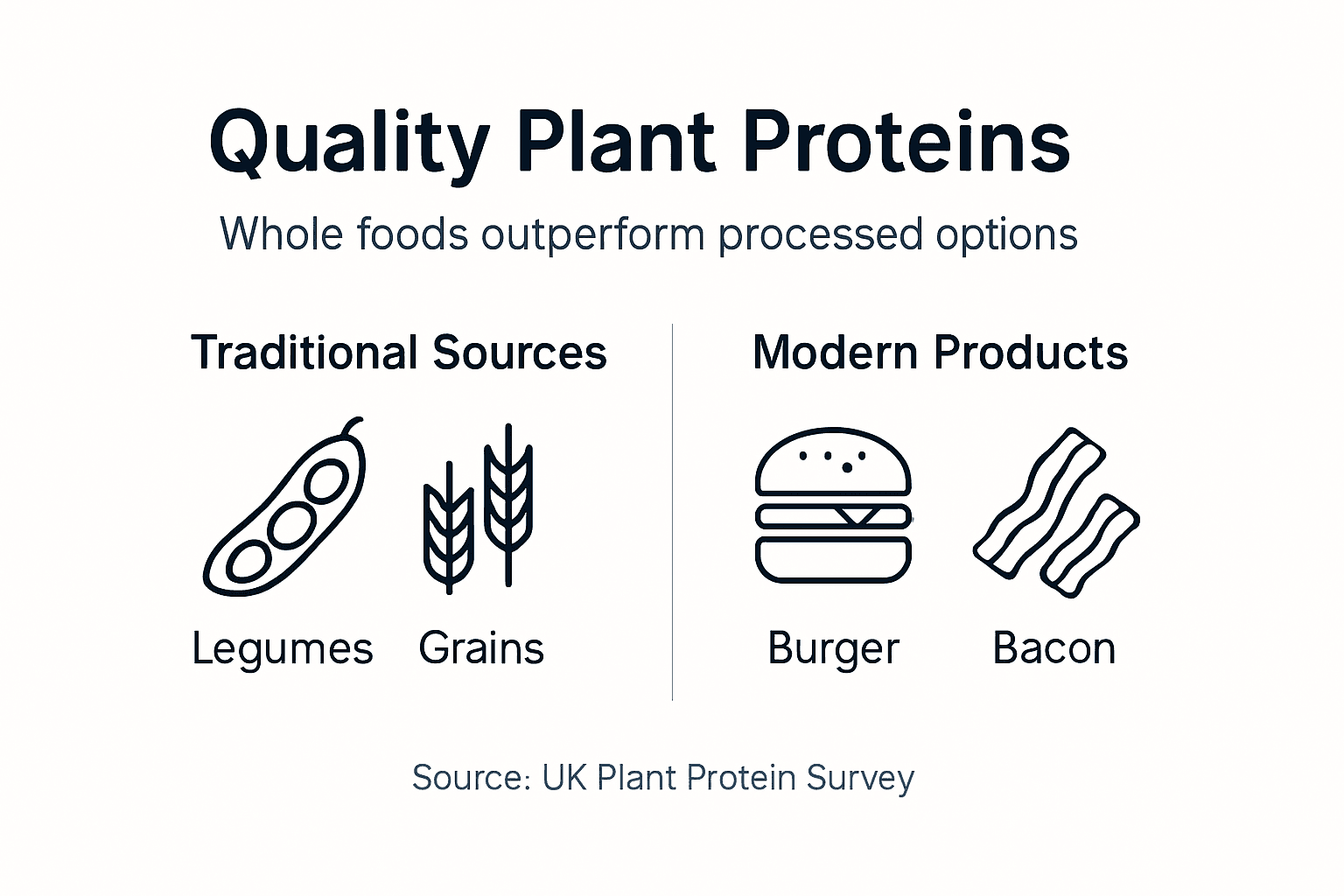
Informed product selection supports your wellness goals. Prioritize nutrient density and minimal processing when choosing commercial plant-based options, and rely primarily on traditional whole food sources for your protein foundation.
Integrating Quality Protein into a Traditional, Clean Nutrition Lifestyle
Translating protein knowledge into daily meals requires practical strategies rooted in simplicity and tradition. Quality nutrition doesn’t demand complicated recipes or exotic ingredients.
Start with breakfast. Ancient grain porridge made from amaranth or quinoa provides complete protein alongside slow-release energy. Top with ground flaxseed, almond butter, and berries for added nutrients and healthy fats.
Lunch builds on legumes. A chickpea salad with mixed vegetables, hemp seeds, and tahini dressing delivers protein, fiber, and essential fatty acids. Pair with sourdough made from ancient spelt or einkorn flour for complementary amino acids and improved digestibility.
Dinner centers on variety. Red lentil curry with brown rice, roasted vegetables with white bean hummus, or black bean tacos on sprouted grain tortillas all provide quality protein within traditional food frameworks.
Practical meal integration tips:
- Batch cook grains and legumes: Prepare larger quantities on weekends for quick weekday meals
- Keep nuts and seeds accessible: Store pre-portioned servings for convenient protein boosts
- Embrace simple preparations: Steamed lentils with olive oil and herbs rival complex recipes in satisfaction
- Layer nutrient density: Combine protein sources with vitamin-rich vegetables for synergistic benefits
- Honor food traditions: Draw inspiration from Mediterranean, Middle Eastern, and Asian cuisines that have perfected plant-based nutrition
The beauty of traditional plant proteins lies in their versatility. Chickpeas become hummus, falafel, curry, or salad protein. Ancient grains transform into porridge, pilaf, salad base, or baked goods. This flexibility prevents meal monotony while ensuring adequate nutrition.
Nutrient synergy amplifies benefits beyond individual components. The iron in lentils absorbs better when paired with vitamin C-rich tomatoes. The protein in nuts supports sustained energy when combined with fruit carbohydrates. These natural partnerships emerged from centuries of culinary tradition.
Pro Tip: Prepare batch-cooked legumes and grains at the start of each week. Store in glass containers and add to multiple dishes easily. This removes friction from daily cooking while ensuring quality protein availability.
Your journey with ancient grains and traditional proteins connects past wisdom with present wellness. These foods sustained human health for millennia because they work. Modern science simply explains why ancient flours and traditional preparations deliver exceptional nutrition.
Clean nutrition respects ingredient integrity. It prioritizes whole foods over extracts, traditional preparations over industrial shortcuts, and time-tested combinations over trendy innovations. This approach naturally leads to quality protein intake without obsessive tracking.
Explore Quality Plant Proteins with Granavitalis
Granavitalis connects you with traditional, nutrient-dense plant proteins that honor ancestral wisdom while fueling modern wellness goals. Our carefully sourced ancient grains and flours provide the foundation for clean, quality nutrition.
Each product in our range reflects our commitment to purity, performance, and purpose. From protein-rich ancient grain flours to complementary nuts and seeds, we provide the building blocks for meals that truly nourish.
Explore our comprehensive ancient grain guide to understand how these traditional foods support your active lifestyle. Browse our ancient grain flours collection to discover varieties that align with your nutritional goals and culinary preferences. Your journey to real-food strength and sustained energy begins with ingredients rooted in tradition, fueled for today.
What Is Quality Protein? FAQs
What makes protein high quality?
High quality protein provides all nine essential amino acids in amounts your body can digest and absorb effectively. DIAAS scoring accounts for both amino acid completeness and bioavailability, making it the most accurate quality measure. Traditional plant proteins like ancient grains and legumes offer excellent quality when prepared properly and eaten as part of varied diets.
Do I need to combine plant proteins at every meal?
No, you don’t need to combine complementary proteins at every meal. Your body maintains an amino acid pool throughout the day, drawing from all foods consumed. Eating a variety of plant proteins across breakfast, lunch, and dinner naturally provides all essential amino acids in adequate amounts without precise meal-by-meal planning.
How does DIAAS differ from PDCAAS for measuring protein quality?
DIAAS measures protein digestibility at the end of the small intestine where absorption actually occurs, providing more accurate assessment than PDCAAS. PDCAAS caps scores at 1.0, masking differences between excellent protein sources. DIAAS allows scores above 1.0 and better accounts for antinutrients that reduce plant protein digestibility, giving you clearer guidance for protein choices.
When should active adults consume protein for best results?
Distribute protein evenly throughout the day, aiming for 20 to 30g per meal rather than concentrating intake at dinner. Consume protein within two hours after exercise for optimal muscle recovery. This timing maximizes muscle protein synthesis and supports sustained energy, making it particularly important for active lifestyles focused on performance and wellness.
Are traditional plant proteins more sustainable than animal proteins?
Yes, plant proteins require significantly fewer resources to produce. Ancient grains, legumes, nuts, and seeds need less water, land, and energy compared to animal agriculture. They also generate lower greenhouse gas emissions. Choosing traditional plant proteins supports both personal wellness and environmental sustainability, aligning nutrition with broader ecological responsibility.
How can I improve plant protein digestibility at home?
Soak grains and legumes overnight before cooking to reduce phytates. Try fermenting or sprouting for enhanced nutrient availability. Cook thoroughly to deactivate protease inhibitors. These traditional preparation methods dramatically improve how much protein your body can actually absorb and use, bridging any digestibility gap with animal proteins through simple kitchen techniques.