
Vegetarian High Protein – Smart Energy For Active Lives
Nearly one in three British professionals now prioritise plant-based eating to fuel active lifestyles and speed recovery. With protein myths still clouding choices, many overlook the power of vegetarian sources like quinoa and soya beans. This article cuts through misconceptions, revealing how thoughtful vegetarian meals can provide all the essential protein needed for muscle health, energy, and long-term wellbeing.
Table of Contents
- Vegetarian High Protein Explained And Common Myths
- Quality Plant Protein Sources For UK Professionals
- Balancing Amino Acids And Nutrient Timing Strategies
- Easy Meal Ideas For Work, Exercise And Recovery
- Mistakes To Avoid In High Protein Vegetarian Eating
Key Takeaways
| Point | Details |
|---|---|
| Diverse Plant Proteins | Varied vegetarian diets supply all essential amino acids without complex combinations. |
| Nutritional Benefits | Plant proteins are lower in saturated fats and higher in fibre, making them advantageous for overall health. |
| Meal Planning Strategies | Incorporate multiple plant protein sources throughout the week for comprehensive nutrition and amino acid diversity. |
| Avoid Processed Alternatives | Focus on whole food proteins like legumes and grains to ensure better nutrient intake and avoid unhealthy additives. |
Vegetarian high protein explained and common myths
Protein remains a crucial nutrient for active professionals, and vegetarian sources offer robust nutritional alternatives to animal proteins. Contrary to popular misconceptions, plant-based proteins can effectively support muscle development, energy levels, and overall metabolic function. Heart-healthy protein sources like quinoa, soya beans, pulses, and nuts provide comprehensive amino acid profiles comparable to animal proteins.
Many individuals mistakenly believe vegetarian diets lack complete protein sources. However, scientific evidence demonstrates that varied vegetarian diets naturally provide all essential amino acids without requiring complex food combining strategies. Vegetarian dietary patterns are associated with lower cardiovascular risks, higher nutrient density, and improved overall health outcomes. Modern nutritional science confirms that plant proteins can meet and often exceed protein requirements when consumed thoughtfully.
The key protein myths that persist include assumptions about protein quality, absorption rates, and muscle-building potential. In reality, plant proteins offer numerous advantages: they’re typically lower in saturated fats, higher in fibre, and packed with additional micronutrients. Protein sources like tempeh, lentils, chickpeas, and quinoa deliver substantial protein content while supporting metabolic health. Professional athletes and active individuals increasingly recognise that strategic vegetarian protein consumption can optimise performance and recovery.
Pro tip: Rotate your protein sources weekly to ensure a comprehensive amino acid intake and maximise nutritional diversity.
The following table outlines common vegetarian protein myths versus the scientific evidence:
| Common Myth | Reality Based on Science | Practical Implication |
|---|---|---|
| Plant proteins are incomplete | Varied diet provides all amino acids | No need for strict food combining |
| Low absorption from plant sources | Many plants are highly bioavailable | Include vitamin C-rich foods for better absorption |
| Not suitable for athletes | Supports muscle growth and recovery | Used by professional athletes worldwide |
Quality plant protein sources for UK professionals
For professionals seeking optimal nutrition, understanding quality plant protein sources is crucial for maintaining energy, performance, and overall health. Protein intake strategies in the UK emphasise diverse plant-based options that deliver comprehensive nutritional benefits. Key sources include beans, lentils, chickpeas, nuts, seeds, soya products, and mycoprotein, each offering unique protein profiles and additional health advantages.
UK dietary guidelines increasingly recommend incorporating a variety of plant proteins to support cardiovascular health and metabolic function. Heart-healthy protein choices such as tofu, tempeh, quinoa, and nuts are particularly valuable for professionals managing demanding workloads. These protein sources are not only lower in saturated fats but also rich in fiber, beneficial plant compounds, and essential micronutrients that support sustained energy and cognitive performance.
Selecting high-quality plant proteins requires strategic consideration. Professionals should prioritise minimally processed options like whole beans, lentils, nuts, and seeds over heavily manufactured meat alternatives. Combining different plant protein sources ensures a complete amino acid profile, supporting muscle recovery and metabolic efficiency. Considerations like protein density, additional nutritional benefits, and ease of incorporation into daily meals are crucial for making informed dietary choices.

Pro tip: Aim to include at least three different plant protein sources in your weekly meal plan to maximise nutritional diversity and amino acid intake.
Below is a comparison of key plant protein sources relevant to UK professionals, considering protein content, additional nutrients, and practical usage:
| Protein Source | Additional Nutrients | Easy Ways to Use |
|---|---|---|
| Quinoa | Iron, magnesium | Salads, grain bowls |
| Lentils | Fibre, folate | Soups, stews, curries |
| Chickpeas | Fibre, potassium | Hummus, curries, salads |
| Tofu | Calcium, iron | Stir-fries, scrambles |
| Tempeh | Probiotics, manganese | Sandwiches, grills, stir-fries |
| Soya beans | Omega-3, vitamin K | Steamed, in stir-fries |
| Nuts | Healthy fats, vitamin E | Porridge toppings, snacks |
| Mycoprotein | Fibre, zinc | Pasta sauces, pies |
Balancing amino acids and nutrient timing strategies
Achieving optimal nutrition for active professionals requires a sophisticated approach to protein intake and nutrient timing. Plant-based diets can successfully provide complete amino acid profiles when strategically planned, with certain sources like soya, quinoa, and mycoprotein offering comprehensive protein compositions. Understanding how to combine and time protein consumption is crucial for maintaining muscle integrity, supporting recovery, and sustaining high-performance energy levels.
Nutrient timing becomes particularly critical around physical activity, with research highlighting the importance of spreading protein intake evenly throughout the day. Consuming protein at regular intervals supports muscle protein synthesis and helps maintain consistent metabolic function. Some complete plant protein sources can be particularly effective, including combinations of legumes, grains, and seeds that collectively provide all essential amino acids required for optimal physiological performance.
UK dietary guidelines emphasise the importance of balanced nutritional strategies that consider both macronutrient and micronutrient intake. For vegetarian professionals, this means carefully selecting protein sources that not only provide amino acids but also support broader nutritional requirements. Considerations include vitamin B12 supplementation, iron absorption, and ensuring adequate protein density across meals to support sustained energy and muscle maintenance.
Pro tip: Create a weekly meal rotation that includes at least four different plant protein sources to ensure comprehensive amino acid coverage and nutritional variety.
Easy meal ideas for work, exercise and recovery
Busy professionals require strategic meal planning that supports high-energy lifestyles while delivering essential nutrition. Vegetarian protein recipes offer diverse options that can be prepared quickly and provide sustained energy throughout demanding workdays. Quick and nutritious meal ideas include protein-packed options like vegetable chilli with beans, tofu stir-fry, and chickpea tagine, which can be batch-prepared and easily transported to workplaces or consumed post-exercise.
Meal planning for active lifestyles requires understanding nutritional balance and preparation efficiency. Versatile protein sources like lentils, quinoa, tofu, and beans can be transformed into multiple meal variations that support muscle recovery and maintain consistent energy levels. Breakfast options such as tofu scrambled eggs, bean-based wraps, and quinoa porridge provide substantial protein, while lunch and dinner choices like vegetable curry, lentil and spinach quiche, and bean burgers offer comprehensive nutrition for professionals with varied schedules.
Recovery-focused nutrition demands strategic protein and carbohydrate combinations that replenish energy and support muscle repair. Menu planning strategies emphasise incorporating multiple protein sources, wholegrains, and nutrient-dense vegetables to create balanced meals. Protein-rich dishes can be prepared in advance, allowing seamless integration into busy work and exercise routines, ensuring consistent nutritional support without compromising time or flavour.
Pro tip: Prepare protein-rich meals in bulk during weekends, portioning them into containers for easy grab-and-go nutrition throughout your busy week.
Mistakes to avoid in high protein vegetarian eating
Navigating vegetarian nutrition requires careful strategy and awareness of potential pitfalls that can compromise dietary effectiveness. Vegetarian dietary mistakes often stem from misconceptions about protein quality, nutritional balance, and meal composition. Many professionals inadvertently rely too heavily on dairy products as protein sources, which can lead to excessive saturated fat intake and potential nutritional imbalances.
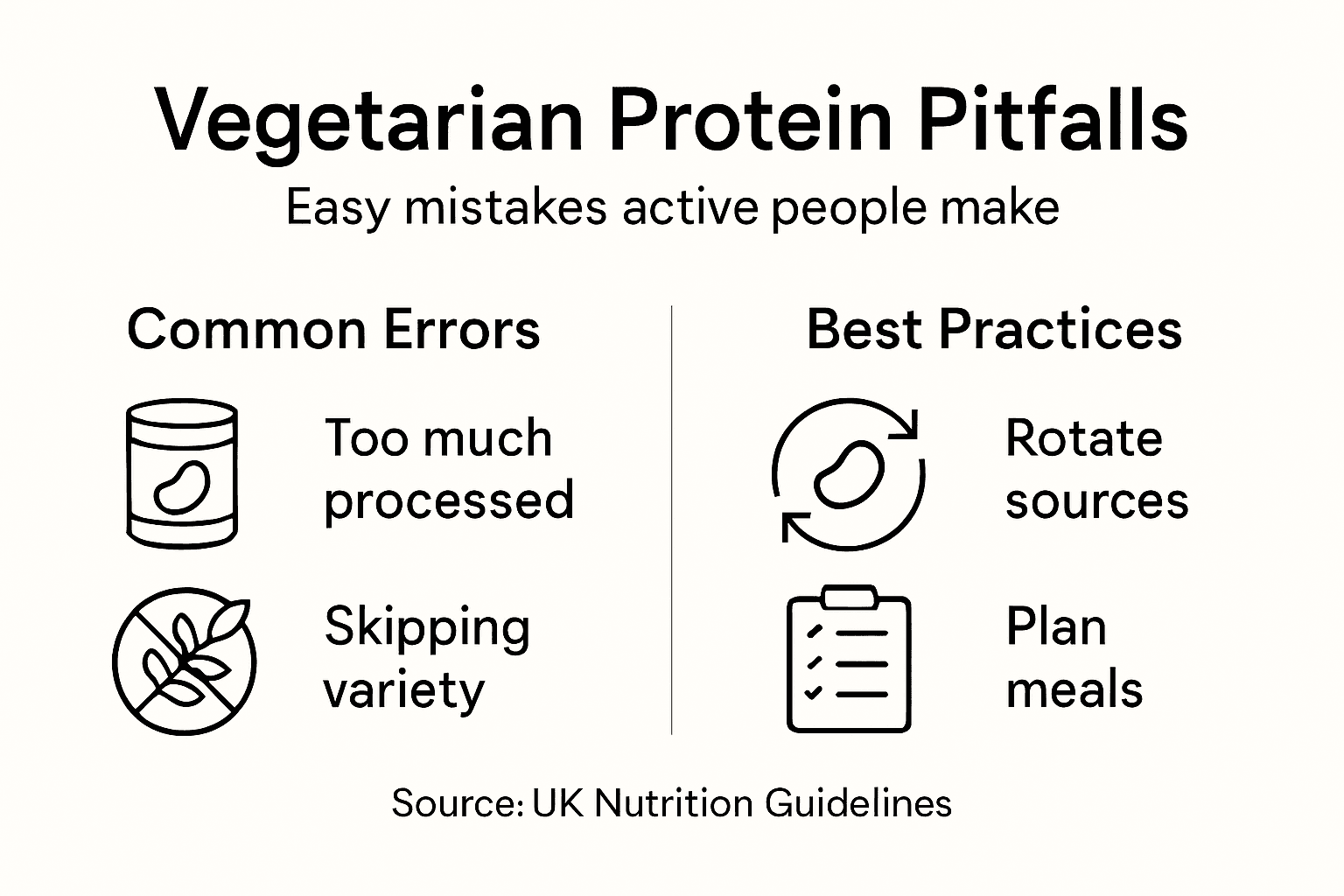
One critical error is the outdated belief that vegetarian proteins must be meticulously combined at every meal to create complete amino acid profiles. Modern nutritional science demonstrates that a varied diet naturally provides comprehensive protein requirements. Another significant mistake involves neglecting essential micronutrient absorption, particularly iron and vitamin B12. Professionals should focus on strategic food pairings, such as consuming vitamin C-rich foods alongside iron sources to enhance nutrient uptake and bioavailability.
Plant-based nutrition strategies highlight the importance of avoiding processed meat substitutes that are often high in salt and unhealthy fats. Instead, prioritise whole food protein sources like legumes, quinoa, tofu, and nuts. Omega-3 intake is frequently overlooked, so incorporating flaxseeds, chia seeds, and walnuts becomes crucial for maintaining comprehensive nutritional balance. Successful vegetarian eating requires thoughtful planning, diverse nutrient sources, and a holistic approach to dietary wellness.
Pro tip: Create a weekly meal plan that includes at least five different plant protein sources to ensure nutritional diversity and prevent potential deficiencies.
Elevate Your Vegetarian High Protein Journey with Granavitalis
Struggling to find clean, nutrient-dense vegetarian proteins that truly support your active lifestyle is common. The article highlights the importance of varied plant proteins to optimise energy, muscle recovery, and overall wellness. Granavitalis offers a thoughtfully crafted selection of Vegan Protein Powders – Granavitalis made from ancient grains, nuts, and clean plant proteins that align perfectly with these goals. Every product emphasises purity and purpose to fuel both mind and body without compromise.
Take the step towards smart energy and sustained strength today. Explore our range and feel the difference that rooted tradition and premium plant-based nutrition can make. Your journey to smart vegetarian protein nutrition begins here at Granavitalis. For those seeking a complete metabolic support system paired with clean plant proteins, consider our Metabolic Advantage Pack – Granavitalis to enhance recovery and performance with every meal.
Frequently Asked Questions
What are some high-protein vegetarian sources?
High-protein vegetarian sources include quinoa, lentils, chickpeas, tofu, tempeh, soya beans, and nuts. Each provides a unique protein profile along with essential nutrients.
Can a vegetarian diet provide enough protein for athletes?
Yes, a well-planned vegetarian diet can supply sufficient protein to support muscle growth and recovery. Many professional athletes successfully utilise plant-based diets to meet their nutritional needs.
How can I ensure I’m getting all essential amino acids on a vegetarian diet?
To ensure you get all essential amino acids, consume a variety of protein sources throughout the day. Combining different foods such as legumes, grains, and seeds can help achieve a complete amino acid profile without complex meal combinations.
What are common mistakes to avoid when following a high-protein vegetarian diet?
Common mistakes include relying too heavily on dairy products, neglecting micronutrient absorption (like iron and vitamin B12), and focusing too much on processed meat substitutes instead of whole food sources. Prioritising diverse, minimally processed options is crucial.
Recommended
- Good Protein for Vegetarians: Building Strength – Granavitalis
- 6 Effective Ways to Get Protein as a Vegetarian – Granavitalis
- Complete Guide to High Protein Foods Vegetarian Low Fat – Granavitalis
- Top 10 Vegan Sources of Protein for Your Diet – Granavitalis
- 7 Healthy Snack Alternatives You Need to Try – Spaceman