
Lean Plant Protein: Enhancing Recovery and Wellness
Most British adults aiming for cleaner nutrition are turning to plant proteins for fitness recovery and balanced health. Research shows that over 45 percent of people in the United Kingdom now choose plant-based options for their protein needs. For those seeking vegan meals that support wellness and minimize ecological impact, understanding lean plant proteins is crucial. Get clarity on how this nutritional trend empowers your daily routine while backtracking common myths about protein quality and sustainable choices.
Table of Contents
- Defining Lean Plant Protein For Clean Nutrition
- Key Types And Primary Plant-Based Sources
- Amino Acid Profiles And Protein Quality
- Benefits For Fitness, Recovery And Wellness
- UK Recommendations And Safe Consumption
- Comparing Lean Plant Protein To Animal Protein
Key Takeaways
| Point | Details |
|---|---|
| Importance of Lean Plant Proteins | Lean plant proteins offer a nutritious, environmentally sustainable option that supports personal wellness without additives. |
| Diverse Source Benefits | Combining various plant protein sources enhances amino acid profiles, ensuring comprehensive nutritional intake. |
| Sustainable Nutrition Strategy | Lean plant proteins provide an effective approach to support fitness and health goals while reducing environmental impact. |
| Guidance on Selection | Prioritising minimally processed, whole food plant proteins is crucial for retaining nutritional integrity and maximising health benefits. |
Defining Lean Plant Protein for Clean Nutrition
Plant proteins represent a revolutionary approach to nutrition that prioritises both personal wellness and environmental sustainability. Lean plant proteins are specifically designed macronutrients extracted from plant sources with minimal processing, ensuring maximum nutritional integrity and minimal ecological impact.
At its core, lean plant protein goes beyond simple nutrient delivery. These protein sources are carefully selected to provide complete amino acid profiles while maintaining a clean, minimal ingredient approach. Unlike traditional animal proteins, plant-based options like legumes, quinoa, and hemp offer a comprehensive nutritional package that supports muscle recovery, metabolic function, and overall cellular health without unnecessary additives or complex manufacturing processes.
The significance of lean plant protein extends far beyond individual nutrition. These protein sources represent a sustainable nutrition strategy that addresses multiple wellness dimensions. By selecting proteins with environmentally conscious extraction methods, consumers can simultaneously support their personal health goals and contribute to broader ecological preservation efforts. The proteins are typically characterised by:
- Minimal processing techniques
- High bioavailability
- Complete amino acid profiles
- Reduced carbon footprint
- Environmentally sustainable sourcing
Pro tip: When selecting lean plant proteins, prioritise whole food sources and look for minimally processed options that retain their natural nutritional complexity.
Key Types and Primary Plant-Based Sources
Plant-based protein sources offer a diverse and nutritionally rich approach to meeting dietary protein requirements. Primary plant protein categories encompass legumes, nuts, seeds, and whole grains, each presenting unique nutritional profiles that support holistic wellness and sustainable nutrition strategies.

Legumes stand out as exceptional protein sources, with options like lentils, chickpeas, and black beans providing substantial protein content alongside essential minerals and dietary fibre. Nuts and seeds such as almonds, chia, and hemp represent concentrated protein sources that also deliver healthy fats and micronutrients. Innovative plant protein research in the UK continues exploring novel protein extraction methods, focusing on improving protein quality and sensory characteristics.
The landscape of plant-based proteins extends beyond traditional sources to include emerging options like protein-rich plant sources you need to try. These include:
Here’s a concise summary of notable emerging plant-based protein sources and their key nutritional highlights:
| Source | Unique Nutritional Feature | Ideal Usage |
|---|---|---|
| Quinoa | Contains all essential amino acids | Salads, grain bowls |
| Hemp Seeds | High in omega-3 fats | Smoothies, baking |
| Pea Protein | Hypoallergenic properties | Shakes, desserts |
| Nutritional Yeast | B-vitamins and savoury flavour | Sprinkled on meals |
| Spirulina | Rich in antioxidants and protein | Blended in juices |
- Quinoa: A complete protein containing all nine essential amino acids
- Hemp seeds: Rich in omega-3 fatty acids and easily digestible protein
- Pea protein: Hypoallergenic and supports muscle recovery
- Nutritional yeast: Provides B-vitamins alongside protein content
- Spirulina: A blue-green algae offering concentrated protein and antioxidants
Pro tip: Combine different plant protein sources to ensure you receive a complete amino acid profile and maximise nutritional absorption.
Amino Acid Profiles and Protein Quality
Understanding amino acid profiles is critical for evaluating plant protein effectiveness. Protein quality assessment methods like PDCAAS and DIAAS provide comprehensive insights into the nutritional value of plant-based protein sources, revealing nuanced differences between various plant proteins.
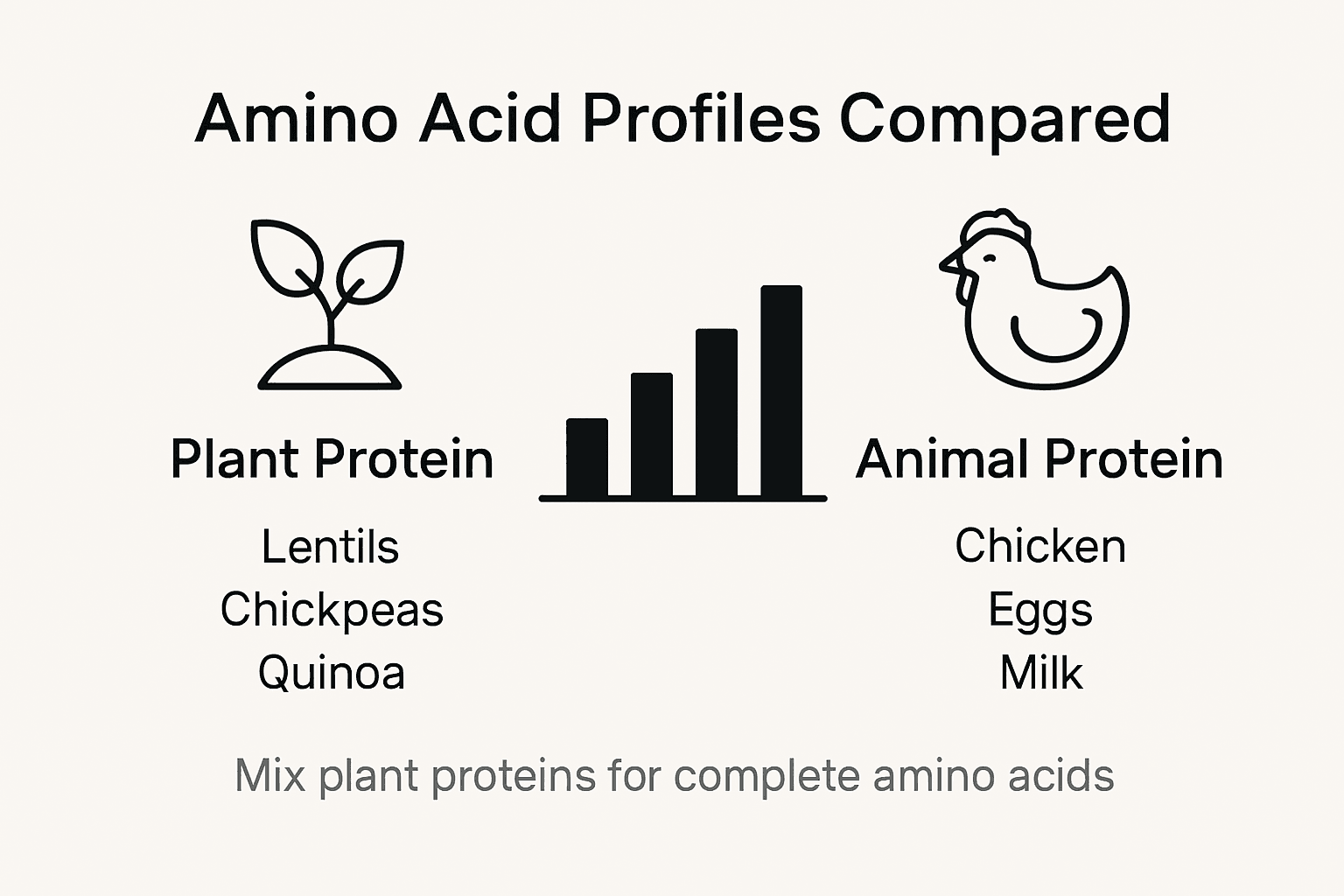
While plant proteins traditionally have been considered incomplete, strategic nutritional planning can overcome these limitations. Blending different plant protein sources creates a synergistic effect, ensuring a complete amino acid profile. For instance, combining legumes with whole grains can compensate for individual amino acid deficiencies, creating a more nutritionally robust protein source. This approach allows plant-based diets to meet protein requirements without relying on animal products.
The key strategies for optimising plant protein amino acid profiles include:
- Combining cereals and legumes
- Selecting protein sources with complementary amino acid compositions
- Incorporating diverse protein types in daily meals
- Using protein blends that enhance overall nutritional value
- Prioritising minimally processed plant protein sources
Pro tip: Create balanced plant protein meals by pairing different protein sources, such as rice with beans or quinoa with lentils, to ensure comprehensive amino acid intake.
Benefits for Fitness, Recovery and Wellness
Plant proteins are emerging as powerful nutritional allies for fitness enthusiasts and wellness seekers. Muscle maintenance and performance enhancement can be effectively supported through strategic plant protein consumption, challenging traditional perceptions about protein sources and athletic nutrition.
Beyond muscle recovery, plant proteins offer comprehensive wellness benefits. Research demonstrates their potential to improve physical function, enhance immune response, and support metabolic health through a rich combination of proteins, fibres, and essential micronutrients. Unlike animal proteins, plant-based sources provide additional advantages such as reduced inflammation, improved digestive health, and lower environmental impact.
The multifaceted benefits of plant proteins for fitness and wellness include:
- Sustainable muscle protein synthesis
- Enhanced post-exercise recovery
- Improved metabolic function
- Reduced risk of chronic inflammatory conditions
- Support for long-term cardiovascular health
- Balanced nutrient absorption
- Natural anti-inflammatory properties
Pro tip: Integrate diverse plant protein sources across your meals to maximise nutritional absorption and support comprehensive fitness recovery.
UK Recommendations and Safe Consumption
Dietary guidelines in the United Kingdom are progressively adapting to support plant-based nutritional strategies. Current nutritional recommendations emphasise diverse protein intake that balances plant sources while maintaining nutritional adequacy, recognising the growing importance of sustainable dietary approaches.
UK consumer attitudes demonstrate increasing acceptance of alternative protein sources, including cereals, pulses, fungi, and emerging protein technologies. This shift reflects a broader understanding that plant proteins can effectively complement traditional nutrition strategies when consumed strategically and with informed guidance.
Key considerations for safe plant protein consumption include:
- Maintaining protein diversity across multiple sources
- Monitoring total daily protein intake
- Understanding individual amino acid requirements
- Balancing protein with other essential nutrients
- Consulting healthcare professionals for personalised advice
- Considering individual metabolic needs
- Tracking protein absorption and digestibility
Pro tip: Consult a registered nutritionist to develop a personalised plant protein strategy tailored to your specific health and fitness goals.
Comparing Lean Plant Protein to Animal Protein
Nutritional comparisons between plant and animal proteins reveal nuanced differences that extend beyond simple protein content. Variations in amino acid profiles, digestibility, and bioavailability demonstrate the unique characteristics of each protein source, challenging traditional perspectives on protein quality and nutritional effectiveness.
While animal proteins have historically been considered superior due to their complete amino acid profiles, contemporary research demonstrates that plant proteins can be equally effective when strategically consumed. Plant-based proteins offer distinct advantages, including lower saturated fat content, higher fibre levels, and significantly reduced environmental impact. The key lies in understanding how to combine and consume plant proteins to optimise their nutritional potential.
Key comparative aspects between plant and animal proteins include:
To highlight the distinctions between common plant and animal protein sources, consider the following comparison table:
| Aspect | Lean Plant Protein | Animal Protein |
|---|---|---|
| Amino Acid Profile | Often incomplete, must be combined | Naturally complete in most sources |
| Digestibility | Variable, can be improved by blending | Generally high for most sources |
| Environmental Impact | Lower carbon footprint, sustainable | Higher emissions and resource use |
| Micronutrient Content | Rich in fibre and phytochemicals | Includes cholesterol and saturated fat |
| Inflammation Risk | Supports anti-inflammatory response | Can promote inflammation in excess |
| Source Variety | Legumes, seeds, grains, algae | Meat, dairy, eggs, fish |
- Amino acid composition
- Protein digestibility
- Bioavailability
- Micronutrient content
- Environmental sustainability
- Potential health impacts
- Inflammatory responses
Pro tip: Combine different plant protein sources to create a complete amino acid profile that matches or exceeds the nutritional value of animal proteins.
Discover the Power of Lean Plant Protein with Granavitalis
The article highlights the challenge of finding clean, nutritionally complete plant proteins that support recovery, wellness and sustainable living. Many readers are looking for protein options that combine minimal processing, complete amino acid profiles and environmental responsibility. At Granavitalis we understand these goals and provide thoughtfully crafted products rooted in tradition to fuel modern lifestyles. Our focus on wholefood vitality helps you build strength, boost recovery and maintain balance without compromise.
Explore our range of Vegan Protein Powders – Granavitalis specially formulated to deliver clean, plant-based protein with exceptional purity and performance.
Take the next step to enhance your fitness journey and overall wellness today. Browse our selection, experience nutrient-dense power foods, and empower your body with the best nature offers. Visit Granavitalis now and fuel your future by honouring the past.
Frequently Asked Questions
What are lean plant proteins?
Lean plant proteins are macronutrients derived from plant sources that involve minimal processing while maintaining maximum nutritional integrity. They support wellness and environmental sustainability.
How can I combine different plant proteins to ensure a complete amino acid profile?
To create a complete amino acid profile, pair complementary plant proteins, such as legumes with whole grains. For example, combining rice and beans or quinoa and lentils helps achieve balanced nutrition.
What are the benefits of lean plant proteins for fitness and recovery?
Lean plant proteins support sustainable muscle protein synthesis, enhance post-exercise recovery, and improve metabolic function. They also reduce inflammation and support overall health without the environmental impact of animal proteins.
How do lean plant proteins compare to animal proteins?
Lean plant proteins often contain lower saturated fats, higher fibre levels, and a reduced carbon footprint compared to animal proteins. While animal proteins are usually complete, plants can provide adequate nutrition when combined effectively.