
How plant-proteins boost energy, recovery, and wellness
TL;DR:
- Shifting just 43% of your protein intake to plant sources significantly lowers cardiovascular risk and promotes long-term wellness. Plant-proteins support metabolic health, gut microbiome diversity, and reduce systemic inflammation, benefiting active lifestyles and aging. Combining ancient grains with legumes and strategic food blending optimizes amino acid intake, bioavailability, and nurtures gut resilience effectively.
Getting enough protein has never been the hard part. Getting the right kind has. Most people assume animal protein sits at the top of the nutrition hierarchy, but recent evidence suggests that shifting just 43% of your total protein intake to plant sources correlates with a 19% lower risk of heart disease. That is not a marginal gain. It is a meaningful shift in long-term wellness, and it opens the door to a conversation about plant-proteins that goes well beyond replacing chicken with chickpeas. This article walks you through the science, the practical strategies, and the ancient grain solutions that make plant-powered nutrition work for real, active lives.
Table of Contents
- Why plant-proteins matter for holistic wellness
- How plant-proteins stack up: Digestion, muscle support, and performance
- Ancient grains and complete blends: Powering your plant-protein intake
- Gut health and inflammation: The overlooked advantage of plant-proteins
- What most guides miss about the power of plant-proteins
- Upgrade your nutrition: Plant-protein powered picks
- Frequently asked questions
Key Takeaways
| Point | Details |
|---|---|
| Plant-proteins protect your heart | Getting at least one-third of your protein from plants can lower heart disease risk by up to 19 percent. |
| Blended plant-proteins match animal protein | Combining grains and legumes or using higher-protein blends gives you the same muscle and wellness benefits as animal sources. |
| Gut health boost | Regular plant-protein intake nurtures a healthier gut microbiome, lowering inflammation and improving digestion. |
| Ancient grains for complete nutrition | Incorporating grains like quinoa and amaranth with legumes delivers a full spectrum of essential amino acids for holistic wellbeing. |
Why plant-proteins matter for holistic wellness
Plant-proteins do far more than feed your muscles. At a metabolic level, they influence how your body processes fat, regulates blood sugar, and manages hunger throughout the day. Research confirms that plant proteins benefit metabolic health through pathways including PI3K-Akt signalling and renin-angiotensin modulation, improving satiety, lipid metabolism, and gut homeostasis via microbiota diversity and short-chain fatty acid production. These are not vague benefits. They are documented, mechanistic changes that reduce your risk of cardiovascular disease, type 2 diabetes, and chronic kidney disease over time.
“The food matrix surrounding plant-proteins, including fibre, polyphenols, and phytonutrients, amplifies the health benefits beyond what isolated protein content alone would suggest.”
The gut angle is particularly compelling. When you consistently eat plant-proteins, you shift the composition of your gut microbiota in ways that generate more butyrate and other beneficial short-chain fatty acids. These compounds lower systemic inflammation, strengthen the gut lining, and improve glycaemic control. Beyond the gut, plant proteins lower dietary acid load, reduce uremic toxins, and modulate the microbiome in ways that offer meaningful renal protection, particularly relevant if you train hard and put your kidneys under repeated metabolic stress.
For CVD risk reduction and sustained energy, the evidence stack is solid. Here is what regular, varied plant-protein intake delivers:
- Improved satiety without calorie overload, supporting plant-based protein for weight control
- Lower LDL cholesterol through reduced saturated fat and increased soluble fibre
- Better blood glucose regulation from the slower digestion rate of plant-based foods
- Reduced systemic inflammation via polyphenol and antioxidant co-ingestion
- Enhanced gut microbial diversity linked to stronger immunity and mental clarity
Aiming for one third to one half of your total daily protein from plant sources is the practical target. It is achievable across varied diets, and the metabolic payoff compounds steadily over months and years.
How plant-proteins stack up: Digestion, muscle support, and performance
Let us be honest about the limitations first. Plant-proteins are often lower in leucine, the amino acid most responsible for triggering muscle protein synthesis (MPS), and some have lower overall digestibility compared to whey or egg. But here is the thing: these are problems with specific foods, not with plant-protein as a category. When you blend plant proteins strategically and consume adequate total amounts, the gap closes significantly.
Studies on plant protein blends and MPS confirm that higher doses of 30 to 40 grams, combined with leucine-enriched or complementary sources to reach 2.5 to 3 grams of leucine per serving, produce MPS responses comparable to animal protein in young, active adults. This is achievable through smart food combining rather than supplementation alone.
| Protein source | Leucine content (per 100g protein) | Digestibility score (DIAAS) | Complete amino acid profile? |
|---|---|---|---|
| Whey protein | ~10g | 1.09 | Yes |
| Pea protein | ~8g | 0.82 | Near-complete |
| Rice protein | ~8g | 0.60 | Incomplete |
| Quinoa (whole grain) | ~7g | 0.84 | Yes |
| Pea + rice blend | ~8.5g | 0.90+ | Yes |
| Hemp protein | ~6g | 0.63 | Near-complete |
The message from long-term meta-analyses is reassuring: when protein quantity and quality are optimised, there is no significant difference in lean body mass, strength, or cardiometabolic markers between plant and animal protein supplementation over extended periods. Some studies flag a potential disadvantage for muscle mass in younger adults using unoptimised plant sources, which is exactly why thoughtful blending matters from the start.
Here is a practical four-step approach to building a complete plant-protein routine:
- Anchor with a leucine-aware source. Start each meal with a protein that contributes meaningfully to your leucine target. Quinoa, tempeh, edamame, and pea protein are strong anchors.
- Layer with a complementary grain. Add a grain like amaranth, millet, or buckwheat to round out any missing amino acids and boost overall protein density per meal.
- Increase total protein volume slightly. If you are used to hitting 25g per meal on animal proteins, aim for 30 to 35g with plant sources to account for digestibility differences.
- Time your protein intake around training. Post-workout meals using rapid-digesting plant proteins such as pea or rice blends support recovery windows effectively.
Pro Tip: If you are an active adult in your 30s looking to maximise muscle recovery, mixing pea and brown rice protein in a 70:30 ratio gives you a near-complete leucine profile that rivals whey in MPS response, without the digestive discomfort that some people experience with dairy-based proteins.
Understanding the role of plant-based proteins in your overall nutrition framework makes choosing the right combination far less intimidating.
Ancient grains and complete blends: Powering your plant-protein intake
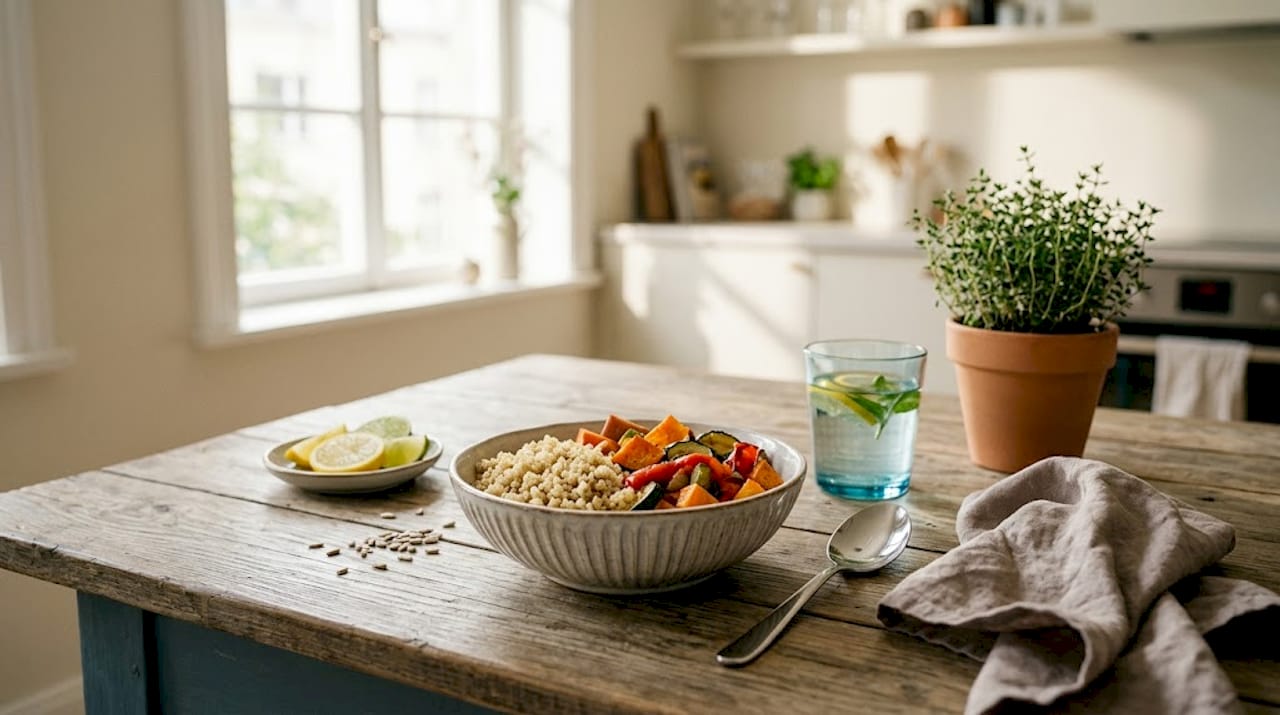
Ancient grains are not a trend. They are a return to nutritional intelligence that industrial agriculture largely abandoned. Quinoa, amaranth, millet, teff, and sorghum each carry a distinct amino acid profile, and combined with legumes, they create whole-food protein solutions that meet the needs of even the most active bodies.
Quinoa is the headline act for good reason. It is one of the few plant foods classified as a complete protein, meaning it contains all nine essential amino acids. Amaranth follows closely, with a notably high lysine content that complements grain-heavy diets where lysine is typically the limiting amino acid. Millet brings exceptional magnesium and B-vitamin density alongside its protein content, supporting energy metabolism during training.
Ancient grains for health offer something that isolated plant-protein powders simply cannot replicate: the full food matrix. Experts confirm that the food matrix, meaning fibre, polyphenols, and micronutrients, synergises with protein to produce benefits far beyond what gram counts suggest. Processing matters too. Minimal processing preserves bioaccessibility, while heavily refined versions of these grains lose the very compounds that make them powerful. For younger adults, a plant-heavy approach works brilliantly. Older adults may benefit from deliberately seeking leucine-rich blends or pairing ancient grains with legumes to optimise MPS.
Here is how key ancient grains and legumes compare as high-protein plant meal foundations:
| Food | Protein per 100g (cooked) | Key amino acid strength | Notable micronutrient |
|---|---|---|---|
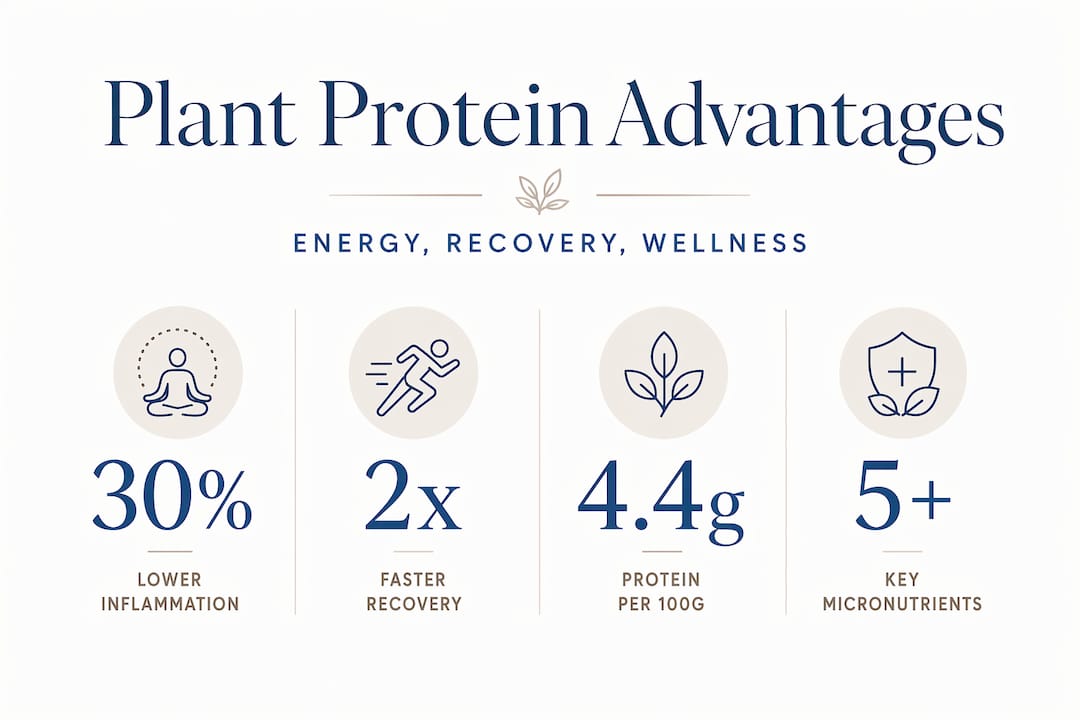
| Quinoa | 4.4g | Complete profile | Magnesium, iron |
| Amaranth | 3.8g | High lysine | Calcium, manganese |
| Millet | 3.5g | Methionine | B vitamins, magnesium |
| Teff | 3.9g | Cysteine | Iron, zinc |
| Lentils | 9.0g | Lysine, threonine | Folate, potassium |
| Chickpeas | 8.9g | Lysine, arginine | Zinc, phosphorus |
| Black beans | 8.9g | Lysine, phenylalanine | Iron, potassium |
The strategic pairing insight here is straightforward. Grains tend to be rich in methionine but lower in lysine. Legumes are the opposite. Combine them across a day, or even within a single meal, and you cover the full essential amino acid spectrum with nothing wasted.
Plant-based protein blends built on ancient grain foundations also deliver sustained energy through their lower glycaemic impact compared to refined carbohydrate sources. For anyone navigating long working days, morning training sessions, or demanding recovery windows, this steady energy release is genuinely valuable.
Gut health and inflammation: The overlooked advantage of plant-proteins
Here is where plant-proteins separate themselves most clearly from their animal counterparts. The gut microbiome responds to plant-proteins in distinctly positive ways that you simply cannot replicate by eating more chicken or adding whey to your morning smoothie.
Plant proteins promote beneficial gut taxa including Bifidobacterium and Lactobacillus species, increase short-chain fatty acid production, particularly butyrate, and reduce systemic inflammation by improving the integrity of the gut barrier. Pea protein specifically increases certain marker populations, though response varies between individuals. The key insight is that diversity in your plant-protein sources produces diversity in your microbiome.
“Regular consumption of varied plant-proteins is one of the most accessible and evidence-supported strategies for long-term gut resilience and anti-inflammatory protection available to active adults.”
The renal and systemic benefits of lower dietary acid load from plant-proteins also connect directly to inflammation management. Animal proteins produce more acid metabolites, which the body must buffer continuously. A diet weighted more towards plant-proteins reduces this burden, keeping systemic pH more balanced and reducing the inflammatory signalling that comes with chronic acid stress.
Major gut health benefits from regular plant-protein intake include:
- Increased Bifidobacterium and Lactobacillus populations, associated with improved immunity and mood regulation
- Higher butyrate production, the primary fuel for colonocytes and a potent anti-inflammatory compound
- Improved gut barrier integrity, reducing leaky gut and associated systemic inflammation
- Better glycaemic control through slower transit and fermentation patterns
- Reduced production of harmful metabolites like indoxyl sulphate, supporting kidney and cardiovascular health
Pro Tip: Rotating between at least four to five distinct plant-protein sources each week, think lentils, hemp seeds, tempeh, quinoa, and pea protein, gives your microbiome the substrate diversity it needs to flourish. A monotonous diet, even a plant-based one, limits the microbial range you cultivate, and that limits the anti-inflammatory benefits you receive. Explore balanced plant protein diets for practical meal structures that achieve this naturally.
What most guides miss about the power of plant-proteins
Most plant-protein guides focus on two things: grams per serving and amino acid completeness. Both matter. But they miss the deeper story, and that gap is where most people quietly underperform on their plant-based nutrition.
The food matrix is the missing variable. When you eat protein embedded in a whole food alongside fibre, polyphenols, phytates, and micronutrients, the nutritional outcome is fundamentally different from consuming an equivalent amount of isolated protein. Experts confirm that fibre and polyphenols synergise with protein to modulate glucose response, slow absorption beneficially, and activate anti-inflammatory pathways that isolated proteins simply cannot trigger. Processing disrupts this. A heavily refined pea protein isolate behaves quite differently in your body compared to eating actual peas, yellow split peas, or a minimally processed pea protein concentrate in a whole-food context.
The second overlooked factor is personalisation. A 28-year-old with an intensive training load needs a different plant-protein strategy than a 43-year-old focused primarily on metabolic health and sustained energy. Younger adults generally thrive on plant-heavy approaches without needing to obsess over leucine. Older adults, particularly those managing muscle mass as metabolism shifts, benefit from deliberately engineering meals around leucine-rich plant combinations and slightly higher total protein volumes.
Ancient grains address both issues simultaneously. They deliver protein within an intact food matrix, rich in micronutrients that boost overall nutritional density, while being minimally processed enough to preserve bioaccessibility. This is not nostalgia for nostalgia’s sake. It is evidence-aligned nutrition that happens to be rooted in thousands of years of human food culture.
The honest message is this: chasing grams without context is how people end up disappointed with plant-based eating. Chasing whole-food diversity, thoughtful blending, and minimally processed ancient grain foundations is how people genuinely thrive on it.
Upgrade your nutrition: Plant-protein powered picks
Understanding the science is one thing. Putting the right ingredients on your shelf is another, and that is where Granavitalis comes in. Our range is built specifically around the principles this article covers: whole-food integrity, ancient grain nutrition, and complementary blends that deliver real results for active, health-focused lives.
Start with our organic pecan butter, a nutrient-dense, minimally processed source of healthy fats, plant protein, and polyphenols that pairs brilliantly with ancient grain porridges or post-training smoothies. For broader variety and a ready-made exploration of complementary plant-protein profiles, our nut and seed butter selection box brings together premium options that rotate your nutritional inputs and support the microbiome diversity this article recommends. Every product we offer connects to a clear nutritional purpose: real-food strength, clean energy, and the food matrix synergy that makes plant-powered living genuinely effective.
Frequently asked questions
How much of my protein should come from plants?
Aiming for one third to one half of your daily protein from plant sources is ideal for most adults and is linked to lower heart disease risk, making it both a practical and evidence-supported target.
Do plant-proteins support muscle building as well as animal proteins?
With optimised blends and adequate total intake, long-term meta-analyses show no significant difference in lean body mass or strength between plant and animal protein supplementation, so the concern is largely resolved through smart food strategy.
What are the best sources of complete plant-proteins?
Combining ancient grains such as quinoa or amaranth with legumes like lentils or chickpeas ensures a full essential amino acid spectrum, and diverse ancient grains and legumes consistently deliver the most complete nutritional profile for active adults.
How do plant-proteins help gut health?
Plant-proteins actively promote beneficial gut bacteria including Bifidobacterium and Lactobacillus, increase butyrate production, and strengthen the gut barrier, making them one of the most effective dietary tools for reducing systemic inflammation over time.