
Micronutrients in ancient grains: boost nutrition for wellness
Not all grains are created equal, and the science is finally catching up with what traditional food cultures have known for centuries. Most of us grew up treating grains as a backdrop to meals, a source of carbohydrates and little else. But ancient grains are richer in key micronutrients than refined modern grains, and that difference has real consequences for how you feel, recover, and function every day. If you’ve been eating well but still feel like something’s missing nutritionally, the grains on your plate might be the answer.
Table of Contents
- What are ancient grains and why do micronutrients matter?
- Comparing micronutrients: Ancient grains versus modern grains
- Breakdown of key ancient grains and their unique micronutrient profiles
- Understanding absorption: Anti-nutrients in ancient grains and how to maximise benefits
- Do ancient grains really offer superior nutrition? The science, the nuance, and making evidence-based choices
- How to add ancient grains to your diet for maximum wellness benefits
- Explore nutrient-rich options to boost your diet
- Frequently asked questions
Key Takeaways
| Point | Details |
|---|---|
| Ancient grains are micronutrient-rich | Ancient grains provide more minerals and vitamins than most refined modern grains. |
| Preparation boosts absorption | Soaking, sprouting, or fermenting ancient grains improves micronutrient uptake. |
| Variety offers best coverage | Rotating between ancient grains helps cover your daily micronutrient needs. |
| Whole grains outweigh refined | Whole ancient and modern grains differ less, but refined grains lose important nutrients. |
| Easy ways to incorporate | Ancient grains fit naturally into UK recipes for a nutritious diet boost. |
What are ancient grains and why do micronutrients matter?
Ancient grains are varieties that have remained largely unchanged for thousands of years, untouched by the industrial hybridisation that reshaped modern wheat and corn. They haven’t been selectively bred to maximise yield at the expense of nutritional density. You can read more about ancient grain definitions to understand exactly how they differ from the grains dominating supermarket shelves today.
Ancient grains such as quinoa, amaranth, millet, spelt, wild rice, and sorghum are richer in micronutrients like iron, magnesium, zinc, calcium, phosphorus, potassium, and B vitamins compared to refined modern grains. Micronutrients are the vitamins and minerals your body needs in smaller amounts than carbohydrates or protein, but they are absolutely essential. They regulate energy metabolism, support immune function, maintain bone density, and keep your nervous system running properly.
Here’s a quick look at the key micronutrients ancient grains deliver:
- Iron: Supports oxygen transport and energy levels
- Magnesium: Essential for muscle function and sleep quality
- Zinc: Critical for immune defence and wound healing
- B vitamins: Drive energy metabolism and brain function
- Calcium: Maintains bone strength and nerve signalling
- Phosphorus: Works alongside calcium for skeletal health
For health-conscious adults in the UK, these aren’t abstract nutrients. They’re the difference between feeling energised and feeling flat.
Pro Tip: Look for whole, minimally processed ancient grains wherever possible. Processing strips away the outer bran and germ layers where most micronutrients are concentrated.
Comparing micronutrients: Ancient grains versus modern grains
With our definitions clear, let’s dig deeper: how do the micronutrient levels actually stack up between ancient and modern grains? The contrast is more striking than most people expect, particularly when modern grains have been refined.
Wild rice contains twice the total vitamin B levels of wheat, with B vitamins ranging from 77.1 to 107.2 μg/g, alongside impressive mineral levels including potassium at 1963 to 3031 μg/g, phosphorus at 2215 to 3667 μg/g, and magnesium at 662 to 969 μg/g. That’s not a marginal difference. It’s a meaningful nutritional gap.
Wild rice delivers up to twice the B vitamins of wheat and significantly higher levels of potassium, phosphorus, and magnesium. For anyone relying on grains as a daily staple, choosing wild rice over refined wheat can make a measurable difference to micronutrient intake.
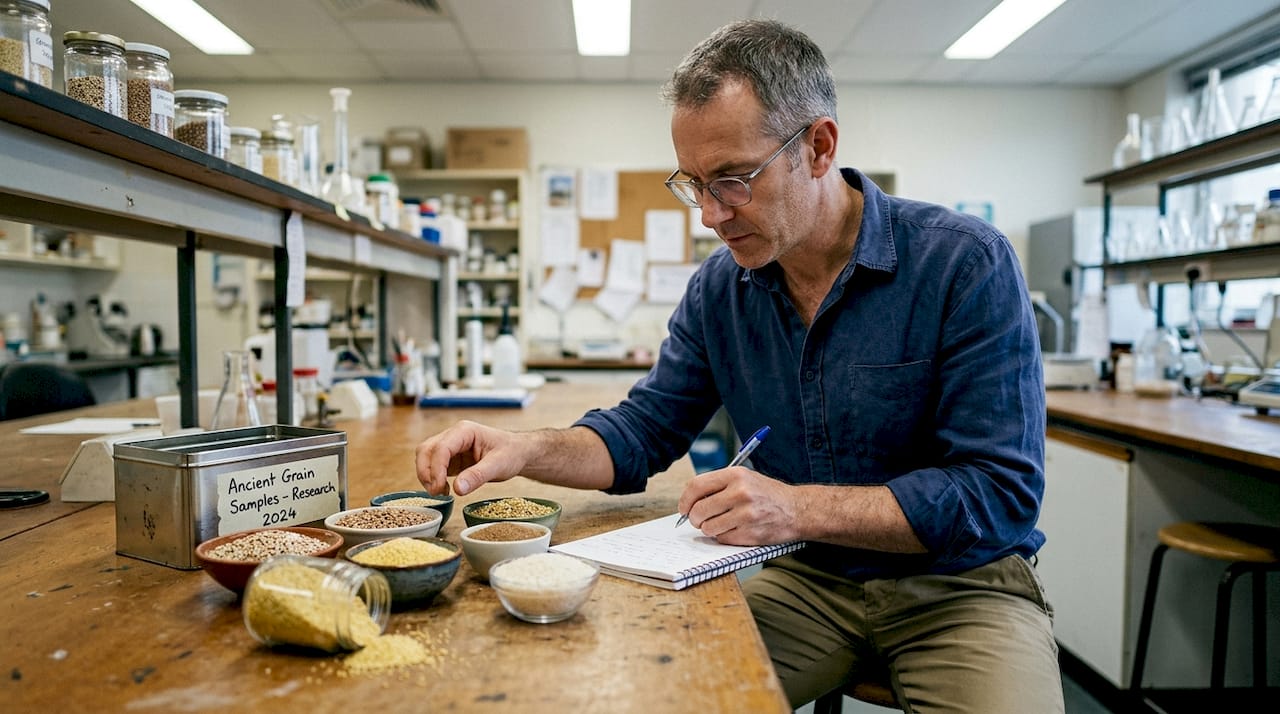
Ancient wheats such as einkorn, emmer, spelt, and Kamut contain 11 to 17% protein and higher levels of iron, magnesium, zinc, and selenium than modern wheat. You can explore the full picture in our guide to ancient vs modern wheat and see how these grains fit into [ancient grains in modern diets](https://granavitalis.com/blogs/news/understanding ancient grains explained).
| Grain | Iron (mg/100g) | Magnesium (mg/100g) | B vitamins | Protein (%) |
|---|---|---|---|---|
| Wild rice | 2.0 | 177 | Very high | 14 |
| Quinoa | 4.6 | 197 | High | 14 |
| Spelt | 4.4 | 136 | Moderate | 15 |
| Modern wheat (refined) | 1.2 | 22 | Low | 10 |
| Modern wheat (whole) | 3.5 | 138 | Moderate | 13 |
For a full wheat comparison including taste and culinary uses, the evidence is clear: refining modern grains removes the very layers that hold the most nutrition. Ancient grains, eaten whole, simply start from a stronger nutritional baseline.
Breakdown of key ancient grains and their unique micronutrient profiles
Having seen overarching trends, it’s time to break down which ancient grains deliver the strongest micronutrient punch. Each grain has its own nutritional personality, and knowing the differences helps you choose strategically.
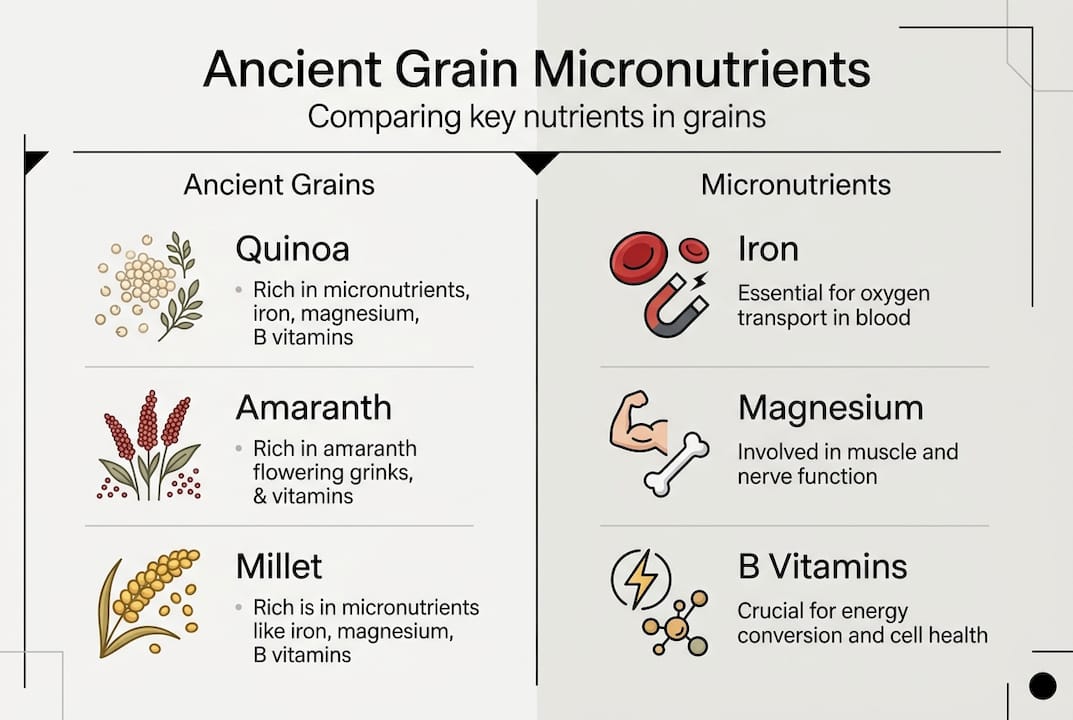
Quinoa seeds provide thiamin at 0.4 mg per 100g, folic acid at 78.1 mg per 100g, vitamin C at 16.4 mg per 100g, calcium at 874 mg/kg, iron at 81 mg/kg, zinc at 36 mg/kg, and potassium at 12 g/kg. That’s a remarkably broad micronutrient profile for a single grain.
Millets such as pearl millet and finger millet surpass most cereals in calcium, iron, dietary fibre, and vitamin E. Finger millet in particular stands out for bone health, thanks to its exceptional calcium content.
| Ancient grain | Standout micronutrients | Best used for |
|---|---|---|
| Quinoa | Iron, magnesium, zinc, folate | Post-workout meals, salads |
| Amaranth | Iron (5.2 mg/100g), calcium, magnesium | Porridge, baking |
| Millet | Calcium, iron, vitamin E | Breakfast bowls, flatbreads |
| Spelt | Zinc, B vitamins, selenium | Bread, pasta alternatives |
| Wild rice | B vitamins, potassium, phosphorus | Stir-fries, grain bowls |
| Sorghum | Magnesium, phosphorus, iron | Flour blends, soups |
Here’s a quick guide to matching grains with specific nutritional goals. You can also explore the differences among ancient grains in more detail:
- Best for iron: Amaranth and quinoa
- Best for calcium: Finger millet and amaranth
- Best for magnesium: Quinoa and wild rice
- Best for B vitamins: Wild rice and spelt
- Best for zinc: Quinoa and spelt
For families looking to build a varied, nutrient-rich diet, our guide to choosing nutritious ancient grains is a practical starting point.
Pro Tip: Rotate your grains week by week rather than sticking to one favourite. Each grain fills different micronutrient gaps, so variety is genuinely the most effective strategy for balanced nutrition.
Understanding absorption: Anti-nutrients in ancient grains and how to maximise benefits
Of course, nutrition is more than just numbers. It’s also about what your body can actually absorb. Ancient grains contain natural plant compounds called phytates and tannins, which can bind to minerals like iron, zinc, and calcium and reduce how much your body takes in. This is called reduced bioavailability.
Phytates and tannins in ancient grains reduce micronutrient bioavailability, but processing methods such as soaking, fermentation, and germination significantly improve absorption. The good news is that these techniques are simple and require no specialist equipment.
Preparation matters as much as selection. Soaking your grains overnight before cooking can meaningfully increase the minerals your body actually absorbs, turning a good food choice into a great one.
Here’s a step-by-step approach to getting the most from your ancient grains:
- Soak overnight: Cover grains in cold water for 8 to 12 hours before cooking. This begins breaking down phytates.
- Rinse thoroughly: Drain and rinse after soaking to remove loosened anti-nutrients.
- Ferment when possible: Fermented grain preparations like sourdough spelt bread dramatically reduce phytate content.
- Sprout for maximum benefit: Sprouting grains for 2 to 3 days before cooking boosts both nutrient availability and digestibility.
- Combine with vitamin C: Eating iron-rich grains alongside vitamin C sources (tomatoes, peppers, citrus) enhances iron absorption further.
If you follow a vegan or vegetarian diet and rely heavily on grains for iron and zinc, these preparation steps aren’t optional extras. They’re essential. Find out more about supporting wellness with ancient grains and how preparation fits into a broader wellness approach.
Do ancient grains really offer superior nutrition? The science, the nuance, and making evidence-based choices
Now that you know the practical details, what’s the big picture? The honest answer is nuanced, and that nuance is worth understanding.
Studies show modest nutritional advantages of ancient over modern wheats when both are eaten whole. The gap widens considerably when modern grains are refined, because refining strips away the bran and germ where most micronutrients live. Ancient grains, typically eaten whole, simply don’t suffer that same loss.
Wild rice delivers up to twice the B vitamins of wheat. That’s not a marginal edge. For anyone managing energy levels, stress, or recovery, that difference is tangible.
Here’s when choosing ancient grains is a clear upgrade:
- When you’re replacing refined white grains with any whole ancient grain
- When you need more iron or magnesium from plant sources
- When you want greater dietary variety and a broader micronutrient range
- When you follow a plant-based diet and need reliable mineral sources
- When you’re looking to reduce reliance on fortified foods
For a broader view of how ancient grains compare to ancient vs modern cereals and how they support ancient grains and wellness in everyday life, the evidence consistently points in the same direction: whole ancient grains are a smart, evidence-backed choice.
How to add ancient grains to your diet for maximum wellness benefits
Armed with all this insight, here’s exactly how you can start benefitting from ancient grains every day. The barriers are lower than you might think.
Incorporating quinoa, millet, and amaranth into your diet supports magnesium, iron, and zinc intake for wellness, particularly when grains are prepared to reduce phytates. Start small and build from there.
- Substitute one grain at a time: Swap white rice for wild rice or quinoa in your usual meals. The flavour shift is subtle, the nutritional gain is significant.
- Cook in batches: Prepare a large pot of spelt or millet at the start of the week. Store in the fridge and use across multiple meals.
- Start with breakfast: Millet porridge or amaranth with fruit and seeds is an easy, nutrient-dense morning meal that requires no special skills.
- Use ancient grain flours: Spelt flour works beautifully in bread and pancakes. It’s widely available in UK health food shops and online.
Here are some UK-friendly meal ideas where ancient grains fit naturally:
- Quinoa tabbouleh with cucumber, tomato, and lemon
- Spelt sourdough as your everyday bread
- Millet porridge with berries and a drizzle of honey
- Wild rice and roasted vegetable grain bowl
- Amaranth added to soups for extra body and nutrition
- Sorghum flour blended into homemade flatbreads
For more inspiration on building a family-friendly ancient grain routine, our guide to choosing ancient grains for families covers practical meal planning with real-life examples.
Explore nutrient-rich options to boost your diet
If you’re ready to move from reading to doing, Granavitalis makes it straightforward to bring these nutrient-dense grains and superfoods into your daily routine. Our products are sourced with the same care and integrity that ancient grain traditions deserve.

Our superfoods mix for immunity is a convenient way to top up zinc and B vitamins, two of the key micronutrients we’ve explored throughout this article. For a broader nutritional boost, the immune booster bundle brings together a curated selection of wholefood ingredients designed to support your body’s natural defences. Everything we offer at Granavitalis is built around the principle that real nutrition comes from real, minimally processed ingredients rooted in tradition and chosen for performance.
Frequently asked questions
Which ancient grain offers the highest iron content?
Amaranth contains the most iron among common ancient grains, with around 5.2 mg per 100g, making it a particularly valuable choice for those following plant-based diets.
How can I increase micronutrient absorption from ancient grains?
Soaking, fermenting, and sprouting grains before cooking helps reduce anti-nutrients like phytates and tannins, which significantly improves how much iron, zinc, and calcium your body can absorb.
Are ancient grains always more nutritious than modern grains?
Ancient grains offer modest advantages over whole modern grains, but the gap becomes much larger when modern grains are refined, as processing removes the nutrient-dense bran and germ layers.
What are the most important micronutrients in ancient grains for UK diets?
Iron, magnesium, zinc, calcium, and B vitamins are the key micronutrients found in ancient grains, all of which play essential roles in energy, immunity, and bone health for UK adults.