
Examples of vegetable protein for balanced diets
Many believe plant proteins are incomplete or nutritionally inferior to animal sources, but ancient grains like quinoa challenge this myth entirely. Quinoa delivers all nine essential amino acids in meaningful amounts, matching the quality of eggs or meat. This article explores specific examples of vegetable protein, from quinoa and amaranth to practical blends, revealing how these foods support muscle health, satiety, and overall wellness for those pursuing balanced plant-based nutrition.
Table of Contents
- Understanding Vegetable Proteins And Their Quality
- Ancient Grains As Exceptional Vegetable Protein Sources
- Comparing Plant-Based Protein Sources And Blends
- Maximising Benefits Of Vegetable Protein In Your Diet
- Explore Nutritious Plant-Based Products From Granavitalis
- Frequently Asked Questions
Key takeaways
| Point | Details | |-------|---------|| | Quinoa is a complete protein | Black quinoa varieties contain 16.2% protein with exceptionally high lysine content at 65.1 mg per gram of protein. | | Ancient grains offer more than protein | They provide dietary fibre, essential minerals, and bioactive compounds like phenolic acids that support health. | | Plant protein blends match animal proteins | Well-formulated combinations can support muscle recovery as effectively as whey protein supplements. | | Processing reduces anti-nutrients | Rinsing, soaking, and toasting methods lower saponins and phytates, improving nutrient bioavailability. | | Combining foods maximises quality | Pairing grains with legumes or seeds balances amino acid profiles for complete nutrition. |
Understanding vegetable proteins and their quality
Vegetable protein refers to protein derived from plant sources including grains, legumes, nuts, and seeds. These proteins differ from animal proteins in their amino acid composition and digestibility. Understanding the distinction between complete and incomplete proteins is practical nutrition intelligence that affects muscle maintenance, satiety, immune function, and dietary planning.
Complete proteins contain all nine essential amino acids in sufficient quantities to support human health. Animal products typically qualify as complete proteins, whilst many plant sources lack one or more essential amino acids in adequate amounts. Quinoa, amaranth, and soya beans stand out as rare plant-based complete proteins.
Protein quality is measured using indices such as Protein Digestibility-Corrected Amino Acid Score (PDCAAS) and Digestible Indispensable Amino Acid Score (DIAAS). These tools evaluate how well a protein source meets human amino acid requirements and how efficiently the body absorbs it. Higher scores indicate superior protein quality.
Lysine is often the limiting amino acid in plant proteins, meaning it appears in lower concentrations than other essential amino acids. This deficiency matters because lysine supports collagen formation, calcium absorption, and immune function. Grains like wheat and rice contain modest lysine levels, whilst legumes provide more. Understanding ancient grains reveals how certain traditional crops break this pattern.
Key factors affecting vegetable protein quality include:
- Amino acid profile completeness and balance
- Digestibility and bioavailability of individual amino acids
- Presence of anti-nutrients like phytates and tannins
- Processing methods applied before consumption
- Combination with complementary protein sources in meals
Ancient grains as exceptional vegetable protein sources
Ancient grains, such as quinoa, amaranth, and sorghum, are rich in high-quality proteins, dietary fibre, essential micronutrients, and bioactive compounds like phenolic acids and flavonoids. These nutritional powerhouses offer benefits extending far beyond basic protein content.
Quinoa varieties show significant differences in protein and lipid content, with black quinoa having the highest protein content at 16.2% and lysine at 65.1 mg per gram of protein. Red and white varieties contain slightly less protein but still outperform most traditional grains. This variability means choosing darker quinoa varieties can optimise protein intake.
Quinoa is a pseudocereal with a remarkable nutritional profile and potential health advantages including cardiovascular protection, blood sugar regulation, and anti-inflammatory effects. Its protein quality rivals milk and eggs, with PDCAAS values reaching 0.85 to 0.92 depending on variety and processing. DIAAS scores similarly approach or match animal proteins.
Amaranth provides 13 to 14% protein with exceptional lysine content, addressing the common deficiency in cereal grains. Its tiny seeds pack calcium, iron, and magnesium alongside protein. Sorghum offers 10 to 12% protein with notable antioxidant compounds, particularly in red and black varieties.
These grains contain bioactive compounds beyond basic nutrition:
- Phenolic acids that combat oxidative stress
- Flavonoids supporting cardiovascular health
- Saponins with potential immune-modulating effects
- Resistant starch feeding beneficial gut bacteria
Anti-nutrients like saponins and phytic acid naturally occur in quinoa and amaranth. Saponins create the slightly bitter taste and soapy residue on unrinsed quinoa. Whilst they may reduce nutrient absorption, simple processing eliminates most concerns. Phytic acid binds minerals like iron and zinc, but proper preparation reduces its impact significantly.
The fibre content in ancient grains supports digestive health and satiety. Quinoa provides 5 to 7 grams per 100 grams of dry grain, whilst amaranth offers similar amounts. This fibre combines with protein to create lasting fullness, making these grains valuable for weight management and blood sugar control.

Pro Tip: Toast quinoa in a dry pan before cooking to enhance its nutty flavour and reduce residual saponins. This step takes three to five minutes and creates a more appealing taste whilst potentially improving nutritional advantages.
Comparing plant-based protein sources and blends
Protein content and amino acid profiles vary significantly across plant sources. The following comparison highlights key differences:
| Grain | Protein (%) | Lysine | Methionine | Tryptophan | Key Limitation |
|---|---|---|---|---|---|
| Quinoa | 14-16 | High | Moderate | Moderate | Minimal |
| Amaranth | 13-14 | High | Low | Moderate | Methionine |
| Oats | 11-17 | Low | Moderate | High | Lysine |
| Spelt | 14-15 | Low | Moderate | Low | Lysine |
| Rice | 7-8 | Very low | Moderate | Low | Lysine |
Oats are robust in tryptophan and phosphorus, but low in lysine and methionine. This makes oats less effective as a sole protein source despite their respectable total protein content. Spelt, an ancient wheat relative, shares wheat’s lysine limitation whilst offering more protein than modern wheat varieties.
Single plant proteins rarely provide optimal amino acid balance on their own. Quinoa stands as the notable exception, but even it benefits from complementary sources. Blending plant proteins strategically creates complete amino acid profiles that support muscle synthesis, immune function, and metabolic health.
Plant-based protein supplementation can support muscle recovery following resistance exercise. Plant-based protein blends can match whey for muscle recovery when formulated with attention to amino acid completeness and digestibility. This evidence challenges the assumption that animal proteins are necessary for athletic performance.
To combine complementary plant proteins effectively:
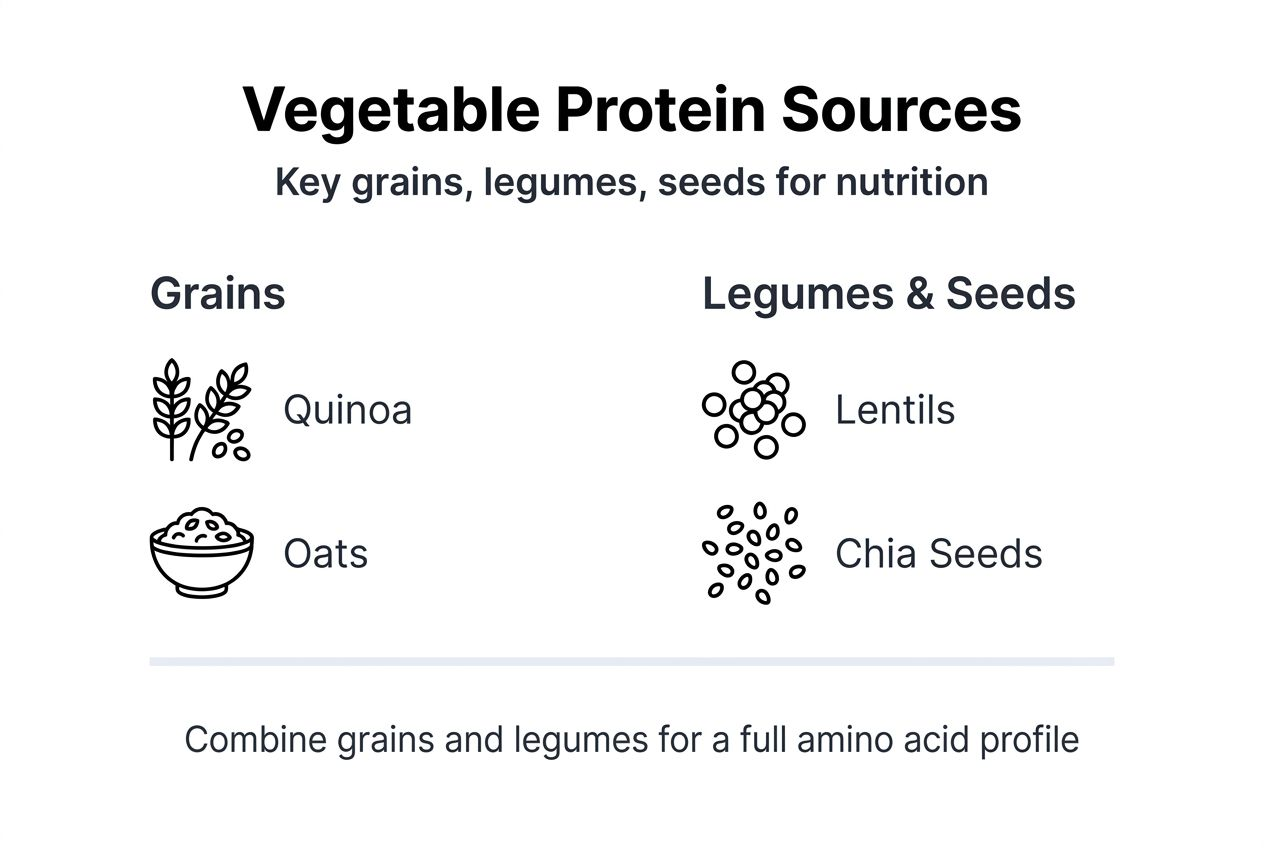
- Pair grains (low in lysine) with legumes (high in lysine) in the same meal or throughout the day
- Include seeds like hemp or chia that provide methionine to balance amaranth or legume-heavy meals
- Add small amounts of quinoa to grain bowls or porridge to boost overall amino acid quality
- Use plant protein powders that blend pea, rice, and hemp proteins for complete profiles
- Incorporate nuts and nut butters to add methionine and overall protein density
These combinations need not occur in a single meal. The body maintains amino acid pools, so consuming complementary proteins within the same day achieves the desired effect. This flexibility makes plant-based eating practical for busy lifestyles.
Pro Tip: Create a base mixture of quinoa, lentils, and hemp seeds in a 2:2:1 ratio for salads or warm bowls. This combination delivers complete protein with excellent digestibility whilst providing varied texture and flavour.
Maximising benefits of vegetable protein in your diet
Proper preparation enhances the nutritional value of vegetable proteins whilst reducing anti-nutrient interference. Various processing methods can effectively reduce anti-nutrients and enhance the nutritional value of millets and similar grains.
Preparation techniques to optimise vegetable protein:
- Rinse quinoa thoroughly under cold water for 30 to 60 seconds to remove saponin coating
- Soak amaranth, buckwheat, or millet overnight to reduce phytic acid content by 25 to 50%
- Toast dry grains in a pan before cooking to deactivate enzyme inhibitors
- Sprout quinoa or amaranth for two to three days to increase amino acid availability
- Combine vitamin C-rich foods with iron-containing grains to enhance mineral absorption
Balancing amino acid profiles through dietary complements ensures complete nutrition. Methionine-rich foods like Brazil nuts, sesame seeds, and sunflower seeds pair excellently with lysine-rich quinoa or amaranth. This combination creates a superior amino acid spectrum supporting protein synthesis.
Bioavailability concerns extend beyond amino acids to minerals like iron and zinc. Plant-based iron appears as non-heme iron, which the body absorbs less efficiently than heme iron from meat. Consuming citrus fruits, tomatoes, or peppers alongside ancient grain meals dramatically improves iron uptake. Avoiding tea or coffee with meals prevents tannins from binding minerals.
Careful formulation is crucial to ensure plant-based protein supplements provide a complete amino acid profile. Look for products combining multiple protein sources rather than single-ingredient powders. Pea and rice protein blends complement each other perfectly, with pea providing lysine and rice offering methionine.
For fitness-focused individuals, timing protein intake around workouts maximises muscle protein synthesis. Consuming 20 to 30 grams of plant protein within two hours post-exercise supports recovery effectively. Split this between whole food sources and supplements if needed.
Combining ancient grains with legumes and seeds creates nutritionally superior meals. A bowl containing quinoa, black beans, pumpkin seeds, and avocado delivers complete protein, healthy fats, fibre, and diverse micronutrients. This approach naturally optimises nutrition without complex calculations.
Pro Tip: Keep a jar of sprouted quinoa in your fridge for quick nutrition boosts. Sprouting increases vitamin content and protein digestibility whilst creating a pleasant crunch for salads or smoothie bowls. Understanding the connection between ancient grains and gut health reveals additional benefits of these preparation methods.
For those questioning why choose ancient grains over modern alternatives, the answer lies in their unchanged genetics and superior nutrient density. These crops have escaped industrial breeding programmes that prioritised yield over nutrition, maintaining their original nutritional integrity.
Explore nutritious plant-based products from Granavitalis
Now that you understand how vegetable proteins support balanced nutrition, you might want convenient ways to incorporate these benefits into your daily routine. Granavitalis offers carefully sourced plant-based products that complement the principles discussed throughout this article.
Our organic nut and seed butter selection provides protein-rich spreads that pair beautifully with ancient grain porridges or toast. These butters deliver methionine to balance grain-based meals whilst adding healthy fats and minerals. The raw organic pecan butter stands out for its creamy texture and impressive zinc content.
For those seeking comprehensive nutritional support, the immune booster superfood bundle combines nutrient-dense ingredients that enhance overall wellness. These products reflect our commitment to purity, minimal processing, and maximum nutritional integrity, supporting your journey toward optimal plant-based nutrition.
Frequently asked questions
What is vegetable protein and why is it important?
Vegetable protein comes from plant sources including grains, legumes, nuts, seeds, and certain vegetables. These proteins provide the amino acids necessary for building and repairing tissues, producing enzymes and hormones, and supporting immune function. For those following plant-based diets, understanding vegetable protein sources ensures adequate intake of all essential amino acids. Quality vegetable proteins like those in quinoa and amaranth offer additional benefits including fibre, antioxidants, and minerals that animal proteins lack, making them valuable for anyone seeking balanced nutrition.
Is quinoa a complete protein and how does it compare to animal proteins?
Yes, quinoa contains all nine essential amino acids in sufficient quantities to qualify as a complete protein. Its PDCAAS score ranges from 0.85 to 0.92, approaching the perfect score of 1.0 that eggs achieve. DIAAS measurements show quinoa protein matches or exceeds many animal sources in digestibility and amino acid availability. Black quinoa varieties contain particularly high lysine levels at 65.1 mg per gram of protein, surpassing most plant and some animal sources in this critical amino acid.
How can I reduce anti-nutrients in plant proteins?
Rinse quinoa and amaranth thoroughly under running water for 30 to 60 seconds to remove saponins from the seed coating. Soaking grains overnight before cooking reduces phytic acid content by 25 to 50%, improving mineral bioavailability. Toasting dry grains in a pan for three to five minutes deactivates enzyme inhibitors and enhances flavour. Sprouting grains for two to three days maximises nutrient availability and reduces anti-nutrients most effectively, though it requires advance planning.
Can plant-based proteins support muscle recovery as well as animal proteins?
Properly formulated plant protein combinations match whey protein effectiveness for muscle recovery following resistance training. Research shows that blends of pea, rice, and hemp proteins provide complete amino acid profiles that support muscle protein synthesis. The key lies in consuming adequate total protein (1.6 to 2.2 grams per kilogram of body weight for active individuals) and ensuring amino acid completeness through strategic food combinations. Timing intake around workouts and distributing protein across meals optimises results regardless of protein source.
Recommended
- Top 10 Vegan Sources of Protein for Your Diet – Granavitalis
- Low-Calorie Plant Protein: 20g Blends Fuel Muscle & Wellness – Granavitalis
- 7 Cheap Vegetarian Protein Sources for Everyday Wellness – Granavitalis
- 7 Vegan Meals High in Protein for a Healthy Diet – Granavitalis
- How to Freeze Dry Vegetables at Home for Fresh Snacking – Spaceman