
Why Quality Protein Matters for Lasting Vitality
Most British adults are surprised to learn that protein quality, not just quantity, shapes every aspect of personal wellness. Whether rebuilding muscle after exercise or supporting immune health, the proteins you choose truly matter. Understanding why complete proteins are vital, and how ancient grains fit into a modern British diet, empowers anyone to make smarter nutrition decisions for lasting energy and resilience.
Table of Contents
- Understanding Protein’s Role in Wellness
- Quality Versus Quantity: Key Protein Differences
- Ancient Grains and Plant-Based Protein Benefits
- Protein for Muscle, Recovery and Menopause Support
- Risks of Low or Poor Protein Intake
- Integrating High-Quality Protein in Everyday Meals
Key Takeaways
| Point | Details |
|---|---|
| Protein is Essential for Wellness | Protein is a fundamental building block for cellular regeneration and metabolic function, impacting muscle maintenance, immune health, and hormonal balance. |
| Quality Over Quantity | The quality of protein, defined by its amino acid profile and digestibility, is more crucial than just the amount consumed. |
| Integrate Diverse Protein Sources | Including a variety of protein sources in the diet promotes holistic nutritional benefits and optimises amino acid intake. |
| Focus on Complete Proteins | Regular consumption of proteins with complete amino acid profiles is vital for supporting muscle maintenance and overall health. |
Understanding Protein’s Role in Wellness
Protein represents far more than a simple nutritional component. It is a fundamental building block enabling cellular regeneration, metabolic function, and sustained vitality. Every tissue in our body depends on protein’s remarkable capacity to repair, rebuild, and maintain essential biological processes. Proteins are complex molecules composed of amino acids that serve as critical messengers and structural foundations for human wellness.
When examining protein’s multifaceted role, we discover it plays a profound part in numerous biological functions. Muscle maintenance, immune system strength, hormone production, and enzymatic reactions all rely on adequate protein intake. Plant-based protein sources provide comprehensive nutritional support for individuals seeking sustainable wellness strategies. These proteins not only support physical recovery but also contribute to mental clarity and emotional balance.
The quality of protein matters significantly more than raw quantity. Consuming complete proteins containing all essential amino acids ensures optimal cellular function and metabolic efficiency. This means selecting protein sources that offer a balanced amino acid profile, whether from plant or animal origins. Whole food proteins deliver additional micronutrients that enhance absorption and provide holistic nutritional benefits beyond basic protein content.
Nutrition experts consistently emphasise protein’s role in maintaining long-term health and preventing age-related muscle loss. Regular protein consumption supports muscle preservation, metabolic rate maintenance, and overall physiological resilience. By strategically incorporating diverse protein sources into daily nutrition, individuals can proactively support their body’s fundamental regenerative processes.
Pro Wellness Tip: Select protein sources with complete amino acid profiles and aim for consistent intake throughout the day to maximise cellular repair and metabolic function.
Quality Versus Quantity: Key Protein Differences
Protein quality transcends simple numerical measurements. While many individuals focus exclusively on protein quantity, nutritional experts emphasise that the amino acid composition and digestibility are far more critical markers of nutritional effectiveness. Understanding protein quality reveals crucial differences in how our bodies process and utilise nutritional sources.
The fundamental distinction between protein quality and quantity lies in how effectively our bodies can absorb and use these essential nutrients. Not all proteins are created equal. Some sources provide complete amino acid profiles that support optimal cellular function, while others offer incomplete nutritional profiles. Plant-based and animal proteins differ significantly in their amino acid compositions, with some sources delivering more comprehensive nutritional benefits than others.
Nutritional research demonstrates that protein quality directly impacts metabolic processes, muscle maintenance, and overall physiological performance. High-quality proteins contain balanced proportions of essential amino acids, enabling more efficient protein synthesis and cellular repair. Protein digestibility and amino acid composition are key determinants of nutritional value, which means consuming diverse protein sources can significantly enhance nutritional intake.

Beyond basic nutrition, protein quality influences long-term health outcomes. Processed proteins and those derived from single sources often lack the comprehensive nutritional profile required for sustained wellness. Integrating varied protein sources ensures a more balanced approach to nutrition, supporting everything from immune function to muscle recovery and metabolic efficiency.
Pro Nutritional Tip: Prioritise protein sources with complete amino acid profiles and varied nutritional sources to maximise your body’s ability to absorb and utilise essential nutrients effectively.
Here is a comparison of common protein sources highlighting their completeness, digestibility, and additional nutritional benefits:
| Protein Source | Amino Acid Completeness | Digestibility Level | Notable Additional Nutrients |
|---|---|---|---|
| Quinoa | Complete | High | Magnesium, iron, fibre |
| Lentils | Incomplete (combine) | High | Folate, potassium, fibre |
| Tofu (Soy) | Complete | High | Calcium, isoflavones, iron |
| Eggs | Complete | Very high | Vitamin B12, choline, selenium |
| Amaranth | Complete | High | Manganese, phosphorus, magnesium |
| Chicken Breast | Complete | Very high | Vitamin B6, niacin, selenium |
Ancient Grains and Plant-Based Protein Benefits
Ancient grains represent a nutritional powerhouse that offers far more than traditional protein sources. These remarkable food sources have sustained human populations for thousands of years, delivering complex nutritional profiles that modern hybrid grains often cannot match. Plant-based proteins from ancient grains provide essential amino acids crucial for optimal health and wellness, offering a comprehensive approach to nutritional intake.
Quinoa, amaranth, and teff stand out as exceptional examples of ancient grains with remarkable protein compositions. These grains are not just protein sources but complete nutritional ecosystems, containing critical micronutrients, dietary fibre, and balanced amino acid profiles. Unlike processed proteins, ancient grain proteins support sustained energy release, metabolic efficiency, and cellular regeneration. Their nutrient density makes them particularly valuable for individuals seeking wholefood nutrition strategies.
Integrating plant-based proteins from ancient grains can significantly reduce cardiovascular disease risks, making them an intelligent dietary choice. Scientific research demonstrates that these protein sources can help lower LDL cholesterol levels, support immune function, and provide anti-inflammatory benefits. The complex carbohydrate structures in ancient grains also contribute to improved digestive health and metabolic stability, distinguishing them from simple protein supplements.
Modern nutritional science continues to validate the remarkable benefits of ancient grain proteins. Their ability to provide complete protein profiles while delivering additional nutritional benefits makes them superior to many contemporary protein sources. By selecting minimally processed, whole grain protein sources, individuals can support their body’s nutritional requirements more effectively and sustainably.
Pro Nutritional Tip: Rotate different ancient grain protein sources in your diet to ensure a diverse range of amino acids and maximise nutritional absorption.
Protein for Muscle, Recovery and Menopause Support
Protein plays a critical role in supporting physical resilience during significant physiological transitions, particularly during menopause. Adequate protein intake becomes increasingly essential for maintaining muscle strength and overall wellness, helping women navigate the complex metabolic changes associated with this life stage.
During menopause, hormonal shifts can dramatically impact muscle mass, bone density, and metabolic rate. Protein synthesis becomes more challenging, making strategic nutritional support crucial. The body requires higher-quality protein sources that can efficiently support muscle maintenance, cellular repair, and metabolic function. Plant-based proteins from ancient grains and legumes offer comprehensive amino acid profiles that can help counteract age-related muscle loss and support hormonal balance.

Muscle recovery and strength maintenance are particularly critical during menopausal transitions, with protein playing a fundamental role in mitigating muscle wasting. Consuming protein-rich foods that provide complete amino acid profiles helps support lean muscle preservation, metabolic efficiency, and overall physiological resilience. Proteins rich in leucine, such as quinoa, hemp seeds, and certain legumes, can stimulate muscle protein synthesis more effectively than incomplete protein sources.
Nutritional strategies that prioritise high-quality, diverse protein sources can significantly impact menopausal wellness. By supporting muscle maintenance, metabolic function, and cellular repair, protein becomes more than a nutrient - it transforms into a powerful ally during this significant life transition. Understanding and implementing targeted protein intake can help women maintain strength, energy, and physiological adaptability.
Pro Wellness Tip: Incorporate protein-rich foods across all meals, focusing on complete protein sources that support muscle maintenance and metabolic health during menopause.
Below is a summary of protein’s essential roles throughout life stages and physiological states:
| Life Stage/State | Protein Role | Key Consideration |
|---|---|---|
| Childhood/Adolescence | Supports growth and development | High requirement for growth |
| Adulthood | Maintains muscle and metabolic health | Balanced intake maintains wellness |
| Menopause | Preserves muscle, supports bone health | Needs increase for muscle synthesis |
| Older Adulthood | Prevents muscle loss (sarcopenia) | Protein absorption may decrease |
| Illness/Recovery | Accelerates tissue repair, immunity | Focus on rapid cell regeneration |
Risks of Low or Poor Protein Intake
Protein deficiency represents a profound nutritional challenge with far-reaching consequences for overall health and physiological function. Insufficient protein intake can compromise fundamental biological processes, leading to significant health risks, impacting everything from muscle strength to immune system resilience.
Muscle deterioration emerges as one of the most immediate and concerning outcomes of inadequate protein consumption. Without sufficient amino acid intake, the body enters a state of negative protein balance, where muscle tissue begins to break down faster than it can be repaired. This process, known as muscle catabolism, can result in progressive weakness, reduced metabolic rate, and decreased physical functionality. Individuals experiencing chronic low protein intake may find themselves increasingly susceptible to fatigue, reduced mobility, and diminished overall physical performance.
Compromised immune function represents another critical risk associated with poor protein nutrition, with profound implications for long-term health. Proteins are essential for producing antibodies, supporting white blood cell production, and maintaining the body’s defensive mechanisms. Insufficient protein intake can lead to slower wound healing, increased vulnerability to infections, and reduced capacity to recover from illnesses. The body’s ability to generate protective immune responses becomes significantly impaired when protein levels remain consistently low.
Beyond muscular and immunological impacts, protein deficiency can disrupt hormonal balance, metabolic efficiency, and cellular regeneration. Hormones, enzymes, and critical signalling molecules rely on protein structures for their formation and function. Prolonged protein inadequacy can therefore cascade into broader health complications, affecting everything from cognitive function to bone density and metabolic regulation.
Pro Nutritional Tip: Monitor your protein intake carefully, aiming for diverse, high-quality protein sources across different meals to maintain consistent nutritional support and prevent potential deficiency risks.
Integrating High-Quality Protein in Everyday Meals
Strategic protein integration transforms nutrition from a passive requirement into an active wellness approach. Thoughtful protein incorporation across daily meals ensures comprehensive nutritional support, enabling sustained energy, muscle maintenance, and metabolic efficiency.
Breakfast represents an ideal opportunity for protein diversification. Instead of relying on traditional carbohydrate-heavy options, consider protein-rich alternatives like overnight chia puddings, tofu scrambles, protein-enriched porridges, or smoothies featuring plant-based protein powders. These options not only provide essential amino acids but also support sustained morning energy and metabolic activation. Ancient grains such as quinoa and amaranth offer exceptional protein profiles that can easily replace standard breakfast cereals.
Incorporating protein sources across every meal ensures consistent nutritional support and metabolic regulation. Lunch and dinner can feature protein-dense ingredients like legumes, tempeh, seitan, or carefully selected plant-based protein sources. Techniques such as batch cooking protein-rich grain bowls, preparing lentil-based stews, or creating versatile bean salads can simplify meal planning while maintaining nutritional integrity. Diversifying protein sources prevents monotony and ensures a comprehensive amino acid intake.
Mindful protein integration goes beyond mere quantity. The quality of protein sources matters significantly, with whole food options offering superior nutritional profiles compared to processed alternatives. Combining different plant-based proteins creates complementary amino acid profiles, maximising nutritional absorption and supporting overall physiological function. This approach ensures that protein becomes a dynamic, nourishing component of one’s dietary strategy.
Pro Nutritional Tip: Aim to include a diverse protein source in each meal, rotating between plant-based options like legumes, ancient grains, nuts, and seeds to ensure comprehensive nutritional coverage.
Elevate Your Vitality with Quality Protein from Granavitalis
The article highlights the critical role of complete amino acid profiles and diverse protein sources in sustaining muscle health, metabolic efficiency and cellular repair. If you are facing challenges with maintaining strength and vitality, particularly during life transitions like menopause, this is your opportunity to prioritise nutritional quality over quantity. Protein quality truly matters when it comes to long-term wellbeing and resilience.
Discover the power of thoughtfully crafted protein solutions at Granavitalis that mirror these exact principles. With our Vegan Protein Powders – Granavitalis, you take in pure, plant-based proteins sourced from ancient grains and nuts that offer balanced nutrition and sustained energy. For those seeking classic options with clean ingredients, explore our Whey Protein Powder – Granavitalis collection. Combined with our Metabolic Advantage Pack – Granavitalis, you receive a comprehensive foundation to fuel recovery and elevate daily performance.
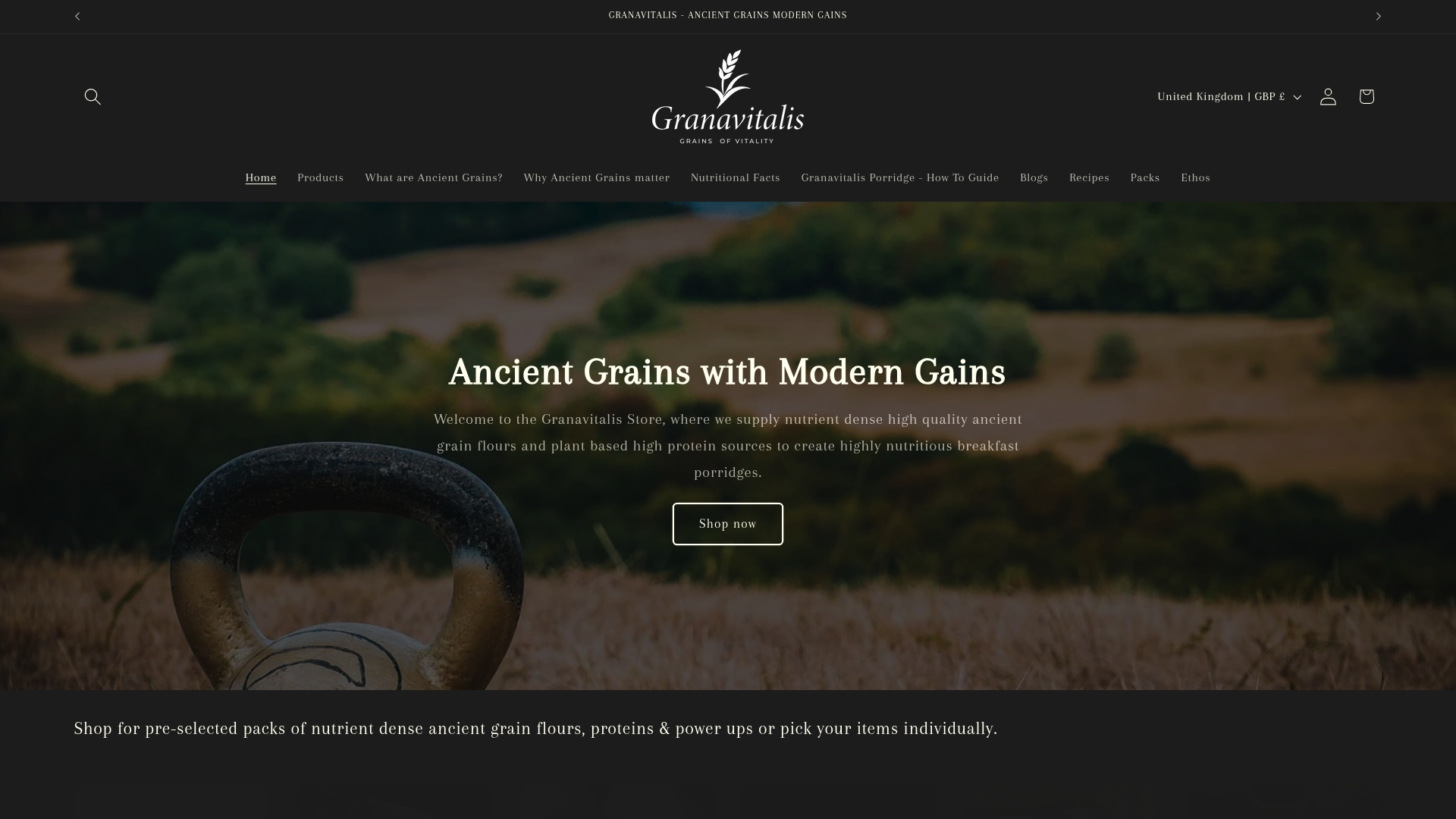
Why wait to support muscle maintenance, immune strength and metabolic balance with the purest protein forms available? Visit Granavitalis now to start your journey towards clean, purposeful nutrition designed to honour tradition and power modern vitality. Fuel your future by choosing protein that works deeply for your body and mind today.
Frequently Asked Questions
What is the difference between protein quality and quantity?
Protein quality refers to the amino acid composition and digestibility of protein sources, while quantity simply measures the amount of protein consumed. High-quality proteins provide a complete set of essential amino acids, enabling better absorption and utilisation by the body.
Why is complete protein important for cellular function?
Complete proteins contain all nine essential amino acids necessary for optimal cellular function and metabolic efficiency. Consuming complete protein sources ensures that the body can effectively repair, rebuild, and maintain vital biological processes.
How can I integrate more high-quality protein into my diet?
Incorporate diverse protein sources into every meal by including options like legumes, tofu, and ancient grains. Experiment with protein-rich breakfast alternatives, such as smoothies with plant-based protein powder or quinoa porridge, to ensure balanced nutrition throughout the day.
What are the risks of low-quality protein intake?
Inadequate consumption of high-quality protein can lead to muscle deterioration, compromised immune function, hormonal imbalance, and reduced metabolic efficiency. This can significantly impact overall health, making it crucial to prioritise quality protein in your diet.