
Why Eat Ancient Flours: Nutrition Rooted in Tradition
Switching up your routine with healthier ingredients often comes with confusion about what truly sets certain foods apart. For many seeking better fitness and wellness, ancient flours have become a standout choice because they deliver a unique balance of nutrients not commonly found in modern wheat. Backed by both archaeological and nutritional research, these flours are valued for their rich heritage, higher levels of micronutrients, and more complex protein and antioxidant profiles. This article addresses common myths around ancient flours and reveals their genuine health and sustainability benefits.
Table of Contents
- Ancient Flours Defined And Common Myths
- Popular UK Ancient Flour Varieties
- Nutritional Advantages Over Modern Alternatives
- Digestibility, Gut Health And Allergy Considerations
- Supporting Fitness, Wellness And Daily Energy
- Environmental And Sourcing Impact In The UK
Key Takeaways
| Point | Details |
|---|---|
| Nutritional Heritage | Ancient flours have a rich nutritional heritage, offering higher nutrient density and more complex flavours compared to modern wheat. |
| Health Benefits | They provide significant health advantages, including better digestive tolerance and a higher concentration of antioxidants. |
| Culinary Diversity | Popular UK ancient flours like Spelt, Einkorn, and Rye offer unique baking properties and nutritional profiles for home cooks and bakers alike. |
| Sustainable Practices | Prioritising local sourcing and regenerative agriculture is crucial for enhancing soil health and supporting rural economies in flour production. |
Ancient flours defined and common myths
Ancient flours represent more than just alternative baking ingredients - they embody a profound nutritional heritage connecting us with traditional agricultural practices. Archaeologically preserved grain varieties reveal complex stories of human nutrition that challenge modern industrial food production narratives.
These unique flours originate from cereal varieties that have remained genetically unmodified, preserving their original nutritional characteristics. Unlike contemporary wheat strains developed for mass production, ancient grains demonstrate remarkable qualities:
- Resilience to specific soil conditions
- Higher nutrient density
- More complex flavour profiles
- Greater genetic diversity
- Enhanced mineral and vitamin retention
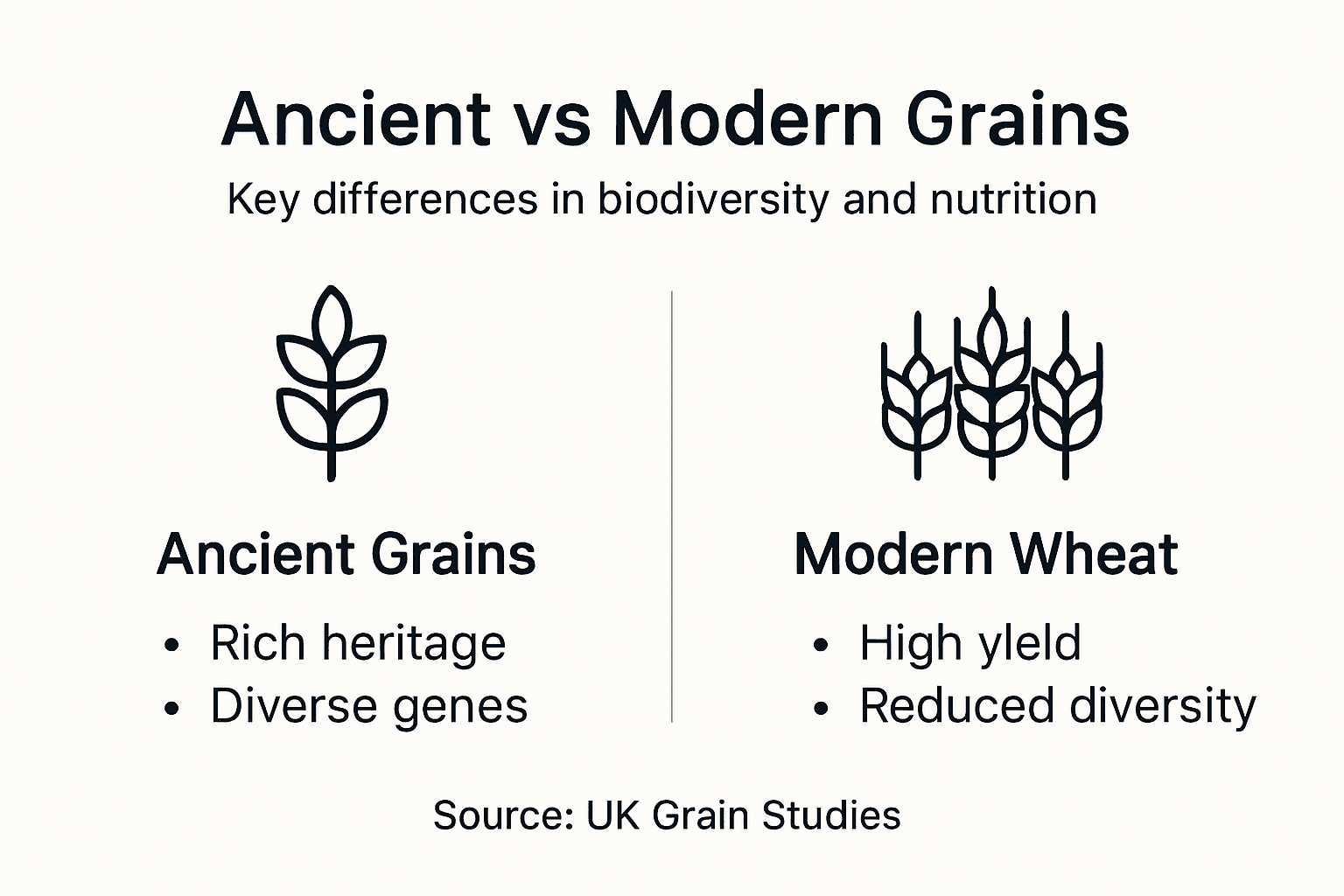
Contrary to popular misconceptions, ancient flours are not simply unprocessed modern wheat. Chemical analyses from archaeological research demonstrate these grains represent distinct genetic lineages with unique properties. Traditional British bread studies highlight how these grains differ significantly from modern refined alternatives.
Modern agricultural practices have dramatically reduced cereal biodiversity, with industrial breeding prioritising yield over nutritional complexity. Ancient grain varieties like emmer, spelt, and khorasan wheat offer glimpses into nutritional strategies that sustained civilisations for thousands of years.
Pro tip: When exploring ancient flours, start by experimenting with small quantities and understanding each grain’s unique cooking characteristics to appreciate their distinctive nutritional profiles.
Popular UK ancient flour varieties
The United Kingdom boasts a rich tradition of ancient grain cultivation, with several remarkable flour varieties that connect modern bakers to centuries-old agricultural practices. Ancient grain flour varieties offer British home cooks and professional bakers unique nutritional opportunities beyond conventional wheat products.
Among the most popular ancient flour varieties in the UK are:
- Spelt Flour: An ancient wheat variety with a nutty flavour profile
- Einkorn Flour: The oldest known wheat strain, with higher protein content
- Emmer Flour: A robust grain with excellent nutritional characteristics
- Khorasan (Kamut) Flour: Known for its rich, buttery taste
- Rye Flour: Traditional in British northern regions, with distinctive earthy notes
Spelt flour stands out as particularly significant in British culinary traditions. Understanding spelt flour benefits reveals why this ancient grain has maintained such popularity. Its lower gluten content and higher mineral composition make it an attractive alternative for those seeking more nutritionally complex baking ingredients.
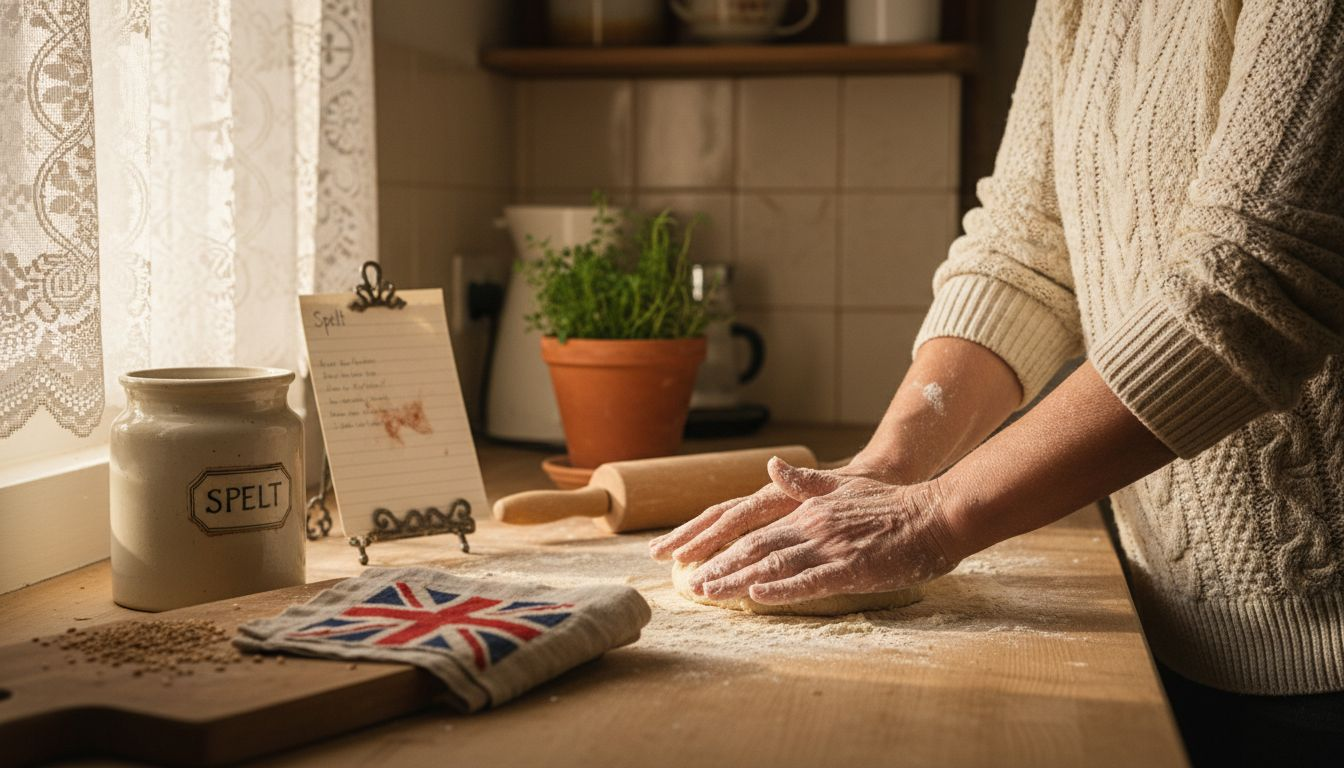
The resurgence of ancient flour varieties reflects a growing British interest in sustainable, nutrient-dense food options. These grains represent more than just ingredients - they are living connections to agricultural heritage, offering flavours and nutritional profiles that commercial wheat cannot match.
Here is a quick comparison of popular UK ancient flours and their distinctive qualities:
| Flour Variety | Traditional Use | Nutritional Advantage | Flavour Profile |
|---|---|---|---|
| Spelt | Classic British loaves | Rich in minerals, lower gluten | Mildly nutty, sweet |
| Einkorn | Early bread and porridges | Higher protein and antioxidant | Delicate, mild flavour |
| Emmer | Ancient rustic breads | Excellent fibre and nutrients | Robust, earthy taste |
| Khorasan (Kamut) | Enriched pastries | High in amino acids and selenium | Rich, buttery essence |
| Rye | Northern regional breads | Supports digestive health | Strong, earthy tang |
Pro tip: When experimenting with ancient flour varieties, start by replacing 25-30% of standard flour in your recipes to understand their unique baking characteristics.
Nutritional advantages over modern alternatives
Ancient grains represent a nutritional powerhouse that significantly outperforms modern wheat varieties in multiple health dimensions. Comparative nutritional studies reveal remarkable differences in nutrient composition that make these traditional grains far more than just an alternative flour option.
The key nutritional advantages of ancient grains include:
- Higher levels of essential micronutrients
- Increased dietary fiber content
- More complex protein structures
- Greater concentration of antioxidants
- Enhanced bioactive compound profiles
- Improved digestive tolerance
- Lower inflammatory responses
Bioactive compounds in ancient grains provide extraordinary health benefits that modern wheat cannot match. Nutritional research on ancient grains demonstrates their potential in preventing chronic diseases through powerful anti-inflammatory and antioxidant properties.
These grains offer a comprehensive nutritional profile that goes beyond simple macronutrient content. Their genetic diversity and minimal industrial manipulation mean they retain complex nutrient structures that support metabolic health, immune function, and long-term wellness. Unlike heavily processed modern wheat, ancient grains provide a more holistic approach to nutrition.
To clarify how ancient grains and modern wheat differ, see this summary of key health and agricultural contrasts:
| Aspect | Ancient Grains | Modern Wheat |
|---|---|---|
| Genetic Diversity | Very high | Limited due to selective breeding |
| Nutrient Preservation | Retained in original form | Reduced by industrial processing |
| Environmental Impact | Enhances soil biodiversity | Often linked to monoculture practices |
| Digestive Tolerance | Often gentler on digestion | Can trigger higher inflammatory response |
Pro tip: Gradually introduce ancient grain flours into your diet by blending them with conventional flour to experience their unique nutritional benefits and adapt to their distinct flavour profiles.
Digestibility, gut health and allergy considerations
Understanding the complex relationship between ancient grains and digestive health requires nuanced insight beyond simplistic health claims. Digestive response studies reveal that ancient grain consumption can offer significant benefits for gut health, particularly for individuals struggling with digestive sensitivities.
Key digestibility considerations include:
- Reduced inflammatory markers
- Enhanced gut microbiome diversity
- Lower oxidative stress responses
- Improved intestinal permeability
- Better nutrient absorption
- Potential relief for irritable bowel syndrome (IBS) symptoms
- More complex protein structures
Wheat allergies remain a critical consideration for those exploring ancient grain alternatives. Allergenic profile research indicates that while ancient grains are not universally hypoallergenic, certain varieties like einkorn demonstrate lower protein sensitivity compared to modern wheat strains.
The intricate molecular structures of ancient grains suggest a more gentle interaction with human digestive systems. Unlike heavily processed modern wheat, these traditional grains retain complex enzymatic profiles that support metabolic processes and potentially reduce inflammatory responses.
Pro tip: Introduce ancient grain flours gradually and monitor your body’s individual response, as digestive tolerance can vary significantly between different grain varieties and individual metabolic profiles.
Supporting fitness, wellness and daily energy
Ancient grains represent a powerhouse of sustained nutritional energy, offering far more than basic caloric intake. Optimised flour blends demonstrate remarkable potential for supporting daily energy requirements and overall wellness.
Key energy and fitness benefits include:
- Sustained metabolic performance
- Enhanced mitochondrial function
- Stable blood glucose regulation
- Reduced inflammatory responses
- Higher quality protein absorption
- Improved nutrient utilisation
- Long-lasting energy release
Bioactive compounds in these traditional grains play a crucial role in supporting holistic wellness. Nutritional research on ancient grains highlights their extraordinary capacity to modulate metabolic pathways and support chronic disease prevention.
Unlike refined modern grains that cause rapid energy spikes and crashes, ancient grains provide a sophisticated nutritional profile that supports consistent physical and mental performance. Their complex molecular structures ensure gradual nutrient release, helping maintain stable energy levels throughout demanding daily activities.
Pro tip: Integrate ancient grain flours into pre- and post-workout meals to leverage their sustained energy and recovery-supporting nutritional profile.
Environmental and sourcing impact in the UK
The United Kingdom’s approach to flour production represents a critical intersection between agricultural sustainability and local economic resilience. Flour milling industry initiatives demonstrate a sophisticated commitment to regenerative agriculture and environmental stewardship.
Key environmental and sourcing considerations include:
- Over 99% domestic wheat sourcing
- Support for rural economic ecosystems
- Reduction of agricultural carbon emissions
- Enhanced soil health practices
- Increased regional biodiversity
- Direct farmer collaboration
- Local food security enhancement
Regenerative agriculture represents more than an agricultural strategy - it’s a holistic approach to food production that prioritises ecosystem health and long-term sustainability. By focusing on local grain varieties and sustainable farming techniques, the UK flour industry creates a model of responsible food systems.
The interconnected benefits extend beyond environmental metrics. Supporting local grain production means preserving traditional agricultural knowledge, maintaining rural employment, and creating a more resilient food supply chain that can adapt to changing climate conditions.
Pro tip: When purchasing flour, prioritise brands demonstrating transparent sourcing and commitment to regenerative agricultural practices.
Rediscover Nutrition Rooted in Tradition with Granavitalis
If you are intrigued by the power of ancient flours to offer higher nutrient density, better digestive tolerance and a real connection to agricultural heritage, Granavitalis has you covered. Many people struggle with modern flours that lack complexity and cause inflammation. Our range of thoughtfully sourced ancient grain options supports your goal for cleaner, nutrient-rich baking with authentic flavour and traditional benefits.
Explore our diverse selection of ancient-inspired flours and grains designed for sustained energy, improved wellness and balanced digestion. All Flours – Granavitalis and Grains – Granavitalis offer you a chance to incorporate the purest forms of nutrition into your everyday meals.
Take the next step to fuel your day with foods that honour the past but meet your modern lifestyle. Visit Granavitalis now to discover how ancient flours can elevate your baking and wellbeing. Harness nature’s wisdom and start your journey to real-food strength today.
Frequently Asked Questions
What are ancient flours?
Ancient flours are made from cereal varieties that have remained genetically unmodified, preserving their original nutritional characteristics and offering unique benefits compared to modern wheat.
What are the nutritional advantages of ancient flours over modern wheat?
Ancient flours provide higher levels of essential micronutrients, increased dietary fibre content, more complex protein structures, and greater concentrations of antioxidants, supporting overall health and wellness.
How can I incorporate ancient flours into my baking?
Start by replacing 25-30% of standard flour with ancient flour in your recipes to gradually adapt to their unique flavour profiles and baking characteristics.
Are ancient grains healthier for digestion than modern wheat?
Yes, ancient grains often promote better digestive health due to their complex protein structures and lower inflammatory response, making them easier to digest for many individuals.
Recommended
- 7 Key Ancient Grain Flours for Nutritious Modern Meals – Granavitalis
- Ancient Flour Varieties – Revitalising Modern Wellbeing – Granavitalis
- Understanding Einkorn Flour Nutrition Facts for Health – Granavitalis
- The Hidden Cost of “Modern” Grains — And Why Ancient Grains Belong Bac – Granavitalis
- History of Gluten – Impact on Modern Lifestyles – naturessoulshop