
Best Plant Protein – Fuel Recovery and Wellness
Almost half of British adults now include plant proteins in their daily routines, a trend fueled by growing awareness of nutritional balance and clean eating. For many, the search goes beyond meat-free options and aims for smarter sports recovery, energising breakfasts, and authentic ancient grains. This introduction breaks down what plant protein really means for the British wellness community, uncovering science-based truths and practical strategies to choose nutrient-rich ingredients every day.
Table of Contents
- Defining Plant Protein And Key Misconceptions
- Types Of Plant Protein: Grains, Nuts, And Seeds
- Amino Acids And Protein Quality Explained
- Plant Protein Blends For Post-Workout Recovery
- Ancient Grains And Clean Ingredients In Modern Life
- Balancing Nutrition And Everyday Wellness Needs
Key Takeaways
| Point | Details |
|---|---|
| Plant Proteins are Nutritionally Complete | Contrary to misconceptions, plant proteins can provide all essential amino acids when combined correctly, making them a viable alternative to animal proteins. |
| Diverse Sources Enhance Nutritional Value | Key plant protein sources include legumes, nuts, seeds, and grains, each offering unique nutritional benefits that contribute to overall health. |
| Strategic Combinations Improve Quality | By thoughtfully blending different plant protein sources, individuals can optimise their amino acid intake and overall nutritional quality. |
| Ancient Grains Offer Enhanced Benefits | Incorporating ancient grains into the diet provides higher protein content and better digestibility compared to refined grains, promoting sustainable eating. |
Defining Plant Protein and Key Misconceptions
Plant proteins represent a powerful nutritional category sourced from natural botanical ingredients like legumes, nuts, seeds, and grains. These protein sources offer essential amino acid profiles crucial for human wellness and performance. Comprehensive protein research demonstrates that contrary to historical misconceptions, plant proteins are complete proteins containing all necessary amino acids for optimal bodily function.
The primary misunderstanding surrounding plant proteins centres on their perceived nutritional inadequacy. Many individuals historically believed plant proteins were incomplete or inferior to animal-based proteins. However, scientific analysis reveals that while plant proteins might have varying amino acid proportions, they can absolutely meet human nutritional requirements when strategically combined. Scientific perspectives on plant protein misconceptions highlight that proper dietary planning enables individuals to obtain comprehensive protein nutrition exclusively through plant sources.
Understanding plant protein composition involves recognising their diverse origins and unique characteristics. Key plant protein sources include:
- Legumes (beans, lentils, chickpeas)
- Nuts and seeds (almonds, chia, hemp)
- Whole grains (quinoa, amaranth)
- Pseudocereals (buckwheat)
Modern nutritional science confirms that these sources provide not just protein, but additional beneficial nutrients like fibre, vitamins, and minerals. The environmental sustainability and potential health advantages of plant proteins further underscore their growing importance in contemporary dietary practices.
Here is a summary of key differences between common plant and animal protein sources:
| Protein Source Type | Amino Acid Completeness | Digestibility | Additional Nutrients |
|---|---|---|---|
| Legumes (e.g., beans) | Requires combination for full profile | High | Rich in fibre and minerals |
| Whole grains (e.g., quinoa) | Often complete or nearly complete | Good | Source of B vitamins and fibre |
| Nuts and seeds (e.g., chia) | Often lacking in lysine | Moderately high | Provide healthy fats and antioxidants |
| Animal proteins (e.g., eggs) | Naturally complete | Very high | Contains cholesterol and saturated fat |
Pro tip: Combine different plant protein sources like beans with rice or hummus with wholegrain bread to ensure you receive a complete amino acid profile during meals.
Types of Plant Protein: Grains, Nuts, and Seeds
Plant proteins represent a diverse and nutritionally rich category with multiple sources offering unique benefits for health and wellness. Comprehensive nutritional research categorises plant proteins into three primary groups: legumes, nuts and seeds, and cereals or grains. Each of these categories provides distinct amino acid profiles and nutritional advantages that contribute to overall dietary balance.

Nuts and seeds emerge as exceptional protein sources, delivering not just protein but also essential healthy fats and micronutrients. Almonds, chia seeds, pumpkin seeds, and hemp seeds stand out as particularly nutrient-dense options. These tiny powerhouses offer protein concentrations that can rival animal-based sources, making them invaluable for individuals seeking plant-based nutrition. Protein sources for vegetarian diets highlight how nuts and seeds provide comprehensive nutritional support beyond mere protein content.
Cereals and grains represent another crucial plant protein category, with options like quinoa, amaranth, brown rice, and oats offering substantial protein contributions. These whole grains not only provide protein but also deliver complex carbohydrates, fibre, vitamins, and minerals. Key plant protein sources include:
- Nuts: Almonds, walnuts, cashews
- Seeds: Chia, flax, pumpkin, sunflower
- Grains: Quinoa, amaranth, brown rice, oats
- Pseudocereals: Buckwheat, wild rice
The versatility of these plant protein sources allows for creative dietary integration, enabling individuals to craft balanced, nutrient-rich meals that support optimal wellness and performance.
Pro tip: Create protein-rich meals by combining different plant protein sources, such as mixing quinoa with roasted nuts or adding chia seeds to your morning porridge for enhanced nutritional complexity.
Amino Acids and Protein Quality Explained
Protein quality represents a complex nutritional concept that goes far beyond simple protein content. Comprehensive protein source analysis reveals that protein quality fundamentally depends on amino acid composition, digestibility, and the presence of potential anti-nutrients. Essential amino acids are the critical building blocks that our bodies cannot produce independently, making their complete and balanced intake crucial for optimal physiological function.
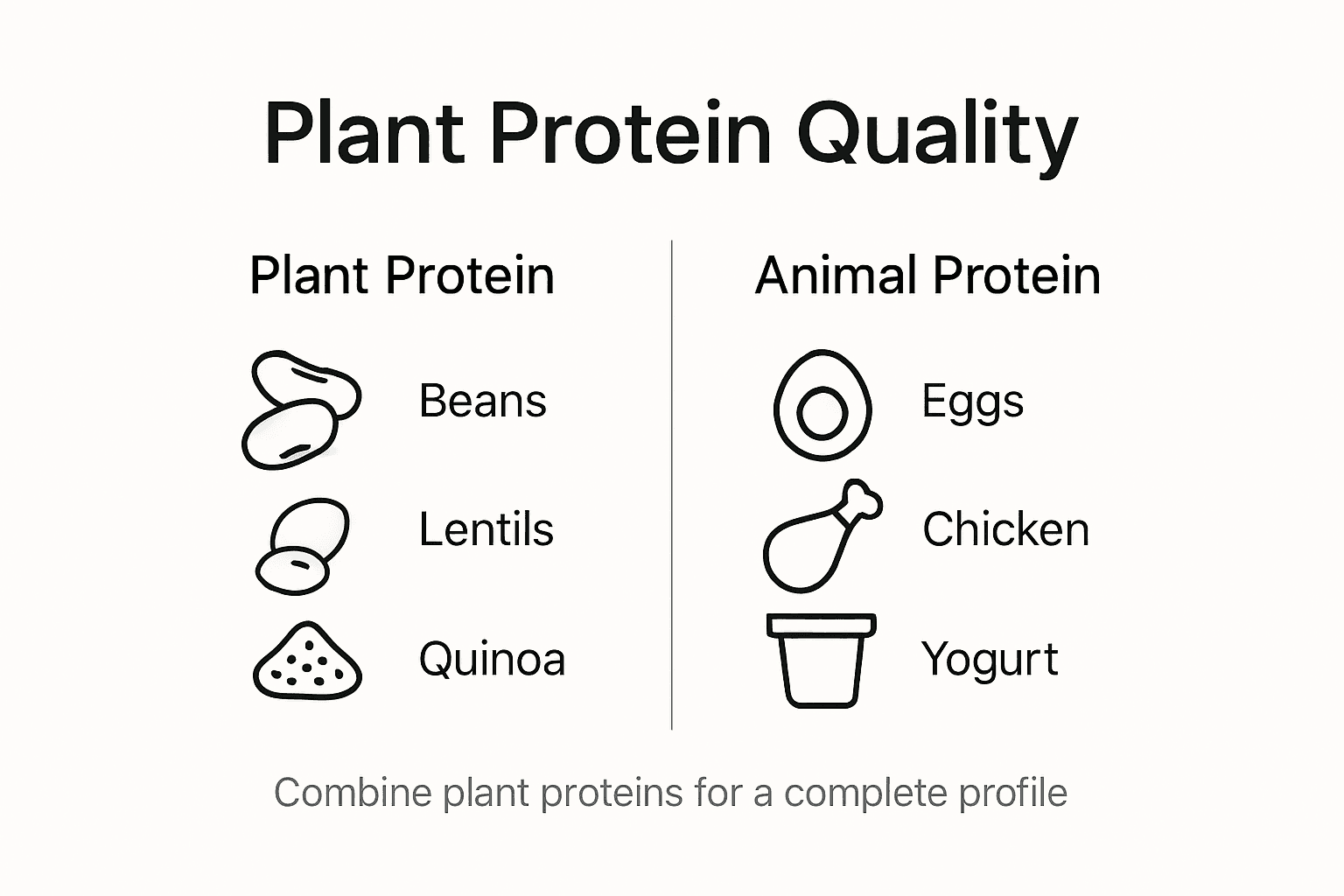
The biological significance of amino acids extends beyond basic nutrition. Research on protein composition demonstrates that amino acid profiles directly influence protein synthesis rates and overall metabolic performance. While animal proteins traditionally offer more complete amino acid profiles, plant-based proteins can effectively match these requirements through strategic dietary combinations. This means vegetarians and vegans can achieve comprehensive amino acid intake by thoughtfully blending different plant protein sources.
Understanding protein quality involves recognising several key factors:
- Essential Amino Acids: Nine amino acids the human body cannot synthesise
- Protein Digestibility: How effectively proteins are broken down and absorbed
- Amino Acid Balance: Proportional representation of different amino acids
- Bioavailability: The proportion of consumed protein that can be utilised by the body
Modern nutritional science emphasises that protein quality is not binary but exists on a nuanced spectrum. Plant proteins, when carefully selected and combined, can provide equivalent nutritional value to animal-based proteins, challenging historical misconceptions about vegetarian and vegan diets.
Pro tip: Combine complementary plant proteins like beans with rice or hummus with wholegrain bread to create a complete amino acid profile in your meals.
Plant Protein Blends for Post-Workout Recovery
Post-workout recovery demands strategic nutritional support, and plant protein blends have emerged as a powerful solution for athletes and fitness enthusiasts seeking optimal muscle repair and performance enhancement. Advanced recovery protein formulations demonstrate how carefully combined plant proteins can deliver comprehensive nutritional benefits beyond traditional single-source protein supplements.
The most effective plant protein blends leverage multiple protein sources to create a complete amino acid profile that supports muscle recovery and reduces post-exercise inflammation. Combinations like pea and quinoa proteins offer complementary amino acid compositions, ensuring rapid absorption and enhanced muscle protein synthesis. These blends typically incorporate additional performance-boosting ingredients such as:
- Branched-Chain Amino Acids (BCAAs)
- Electrolytes for hydration
- Digestive enzymes
- Natural anti-inflammatory compounds
- Probiotics for gut health
Understanding the science behind plant protein blends reveals their sophisticated nutritional engineering. By combining proteins from different botanical sources, manufacturers can create protein supplements that match or exceed the amino acid profiles of animal-based proteins. This approach not only supports muscle recovery but also provides additional nutritional benefits such as improved digestion, sustained energy release, and enhanced overall wellness.
Pro tip: Consume your plant protein blend within 30 minutes after exercise to maximise muscle recovery and optimise protein absorption.
Ancient Grains and Clean Ingredients in Modern Life
Ancient grains represent a profound nutritional renaissance, bridging traditional wisdom with contemporary wellness needs. Comprehensive research on ancient grain nutrition reveals these remarkable food sources as more than mere dietary ingredients – they are living connections to our agricultural heritage, offering exceptional nutritional profiles that modern processed foods cannot match. From einkorn and quinoa to amaranth and millet, these grains embody a holistic approach to nutrition that prioritises whole, unmodified food sources.
The nutritional landscape of ancient grains is remarkably sophisticated. Unlike industrially processed grains, these traditional varieties maintain their original genetic structures, presenting complex nutrient profiles that support comprehensive wellness. Historical nutritional perspectives highlight how these grains offer significant advantages, including:
- Higher protein content
- More diverse mineral compositions
- Enhanced digestibility
- Greater antioxidant concentrations
- Improved micronutrient availability
Modern dietary science increasingly recognises ancient grains as superior alternatives to heavily processed wheat and rice. Their genetic integrity means they are less likely to trigger inflammatory responses, making them particularly valuable for individuals with sensitive digestive systems. Moreover, these grains contribute to sustainable agricultural practices, representing a nutritional choice that supports both personal health and environmental wellness.
The following table outlines how ancient grains enhance modern nutrition compared to refined grains:
| Grain Type | Protein Content | Nutritional Benefits | Digestive Impact |
|---|---|---|---|
| Ancient grains (quinoa, amaranth) | Higher per serving | More minerals and antioxidants | Gentle on digestion |
| Refined grains (white rice, white bread) | Lower per serving | Fewer nutrients, lower fibre | May cause blood sugar spikes |
Pro tip: Introduce ancient grains gradually into your diet by replacing one standard grain per week with a nutrient-rich alternative like quinoa or amaranth.
Balancing Nutrition and Everyday Wellness Needs
Nutrition represents the foundational cornerstone of holistic wellness, extending far beyond simple calorie consumption. Comprehensive dietary guidelines underscore the critical importance of consuming a diverse range of nutrients that support physiological function, mental clarity, and long-term health. The modern approach to nutrition demands an understanding that each meal is an opportunity to nourish the body with purposeful, high-quality ingredients.
Balanced nutrition requires strategic integration of multiple food groups, with plant-based proteins playing an increasingly significant role. National health recommendations highlight the importance of creating dietary patterns that incorporate whole grains, lean proteins, abundant vegetables, and mindful supplementation. Key principles of nutritional balance include:
- Prioritising whole, unprocessed foods
- Ensuring diverse protein sources
- Maintaining consistent nutrient intake
- Supporting metabolic flexibility
- Addressing individual nutritional requirements
The contemporary understanding of wellness recognises that nutrition is not a one-size-fits-all approach. Individual metabolic needs, activity levels, genetic predispositions, and lifestyle factors all contribute to determining optimal nutritional strategies. Plant-based nutrition offers remarkable flexibility, allowing individuals to craft personalised dietary frameworks that support energy, recovery, and long-term health resilience.
Pro tip: Create a weekly meal plan that incorporates at least three different plant protein sources to ensure comprehensive amino acid intake and nutritional diversity.
Elevate Your Recovery and Wellness with Premium Plant Proteins
The article highlights common challenges around achieving a complete amino acid profile from plant proteins and the importance of combining diverse sources for optimal muscle recovery and sustained wellness. If you want to fuel your body with clean, nutrient-dense ingredients that respect the brilliance of ancient grains and harness the power of thoughtfully crafted plant protein blends this is your solution. Granavitalis tackles the pain points of nutritional inadequacy and digestion with carefully sourced, minimally processed vegan proteins designed to support post-workout recovery, energy balance and everyday vitality.
Discover our collection of Vegan Protein Powders – Granavitalis that contain premium plant protein blends enriched with essential amino acids and bioavailable nutrients. These thoughtfully formulated products align perfectly with the article’s emphasis on combining legumes, grains and seeds to deliver superior protein quality. Granavitalis also offers the Metabolic Advantage Pack – Granavitalis to amplify your nutritional framework with botanical power-ups that enhance focus and recovery.
Take control of your wellness through holistic nutrition rooted in time and perfected for today. Visit Granavitalis now to explore how clean, purposeful plant proteins can transform your recovery and unlock lasting strength. Embrace your body’s full potential with every scoop and meal.
Frequently Asked Questions
What are the main sources of plant protein?
Key plant protein sources include legumes (like beans, lentils, and chickpeas), nuts and seeds (such as almonds, chia, and hemp), whole grains (like quinoa and amaranth), and pseudocereals (such as buckwheat).
How can I ensure I’m getting a complete amino acid profile from plant proteins?
To achieve a complete amino acid profile from plant proteins, combine different sources such as beans with rice, or hummus with wholegrain bread. This strategic pairing helps ensure all essential amino acids are consumed.
What advantages do plant protein blends offer for post-workout recovery?
Plant protein blends provide a complete amino acid profile that supports muscle recovery, reduces post-exercise inflammation, and often contains additional nutrients like BCAAs, electrolytes, and digestive enzymes for enhanced performance and absorption.
Can plant proteins be as effective as animal proteins for muscle recovery?
Yes, plant proteins can be equally effective as animal proteins for muscle recovery when consumed in adequate amounts and combined strategically. Research shows that with proper dietary planning, individuals can meet their protein and amino acid needs through plant sources alone.
Recommended
- Lean Plant Protein: Enhancing Recovery and Wellness – Granavitalis
- Why Use Vegan Protein Powders for Everyday Wellness – Granavitalis
- Vegan Protein Powders: Choosing the Best for UK Wellness – Granavitalis
- 7 Best Plant Based Protein Supplements for Health – Granavitalis
- Vegan Meal – Fresh Fitness Food