
Clean protein explained: How to choose the healthiest sources
TL;DR:
- Nearly half of popular protein powders exceed safety contaminant limits.
- “Clean protein” lacks a standard definition and depends on sourcing, additives, and third-party testing.
- Whole foods are the safest, most nutrient-rich protein sources, with powders best used as supplements.
Nearly half of popular protein powders on the market fail basic safety requirements, yet millions of people rely on them daily assuming they are a shortcut to better health. 47% of protein powders tested exceeded safety limits for contaminants, which puts the idea of ‘clean protein’ under serious scrutiny. The truth is, protein quality goes well beyond what is printed on a nutrition label. This guide cuts through the marketing noise, explains what clean protein actually means, compares real food sources to powders, and gives you practical steps to make genuinely informed choices.
Table of Contents
- What is clean protein? Clearing up the confusion
- Top sources of clean protein: Whole foods vs powders
- Risks and controversies: Heavy metals, additives, and the protein ‘package’
- Clean protein for wellness and performance: How to get it right
- Why most people overthink clean protein (and what actually works)
- Take your next step: Discover clean protein options
- Frequently asked questions
Key Takeaways
| Point | Details |
|---|---|
| No single definition | The term ‘clean protein’ is marketing-driven and not formally regulated, so source quality matters most. |
| Whole foods first | Prioritising a variety of wholefoods can provide cleaner, safer protein compared to many supplements. |
| Watch for contaminants | Nearly half of tested powders exceed safe contaminant levels, so looking for third-party testing is crucial. |
| Balance plant and animal | Blending more plant-based protein with animal sources can lower heart disease risk and support athletic goals. |
What is clean protein? Clearing up the confusion
The term ‘clean protein’ appears on packaging, social feeds, and wellness blogs constantly. Yet, despite its popularity, no standard definition exists from bodies like Harvard or the NIH. What most experts agree on is that clean protein refers to nutrient-dense sources with minimal processing and low contamination risk.
Without official regulation, the phrase becomes a marketing tool rather than a meaningful standard. Brands can slap ‘clean’ on almost any product without meeting a defined threshold. That gap between perception and reality is where consumers get caught out.
So what does genuinely make a protein source ‘clean’? Three things matter most:
- Quality sourcing: The protein comes from a recognisable, traceable origin, whether a legume, nut, seed, or responsibly raised animal.
- Minimal additives: No unnecessary fillers, artificial sweeteners, or synthetic flavourings.
- Third-party certification: An independent body has tested the product for contaminants, label accuracy, and banned substances.
“The marketing term ‘clean protein’ lacks regulation. Prioritise third-party tested products and whole foods over branded claims alone.” Harvard Health
The risks of ignoring these criteria are real. Unregulated powders have been found to contain heavy metals, pesticide residues, and even undisclosed ingredients. If you are considering a supplement, knowing how to choose clean protein powders is an essential first step before you commit to a product.
Pro Tip: Look for certification logos from NSF International, Informed Sport, or the Clean Label Project on any protein supplement. These represent genuine independent testing, not just a brand’s own quality claims.
Top sources of clean protein: Whole foods vs powders
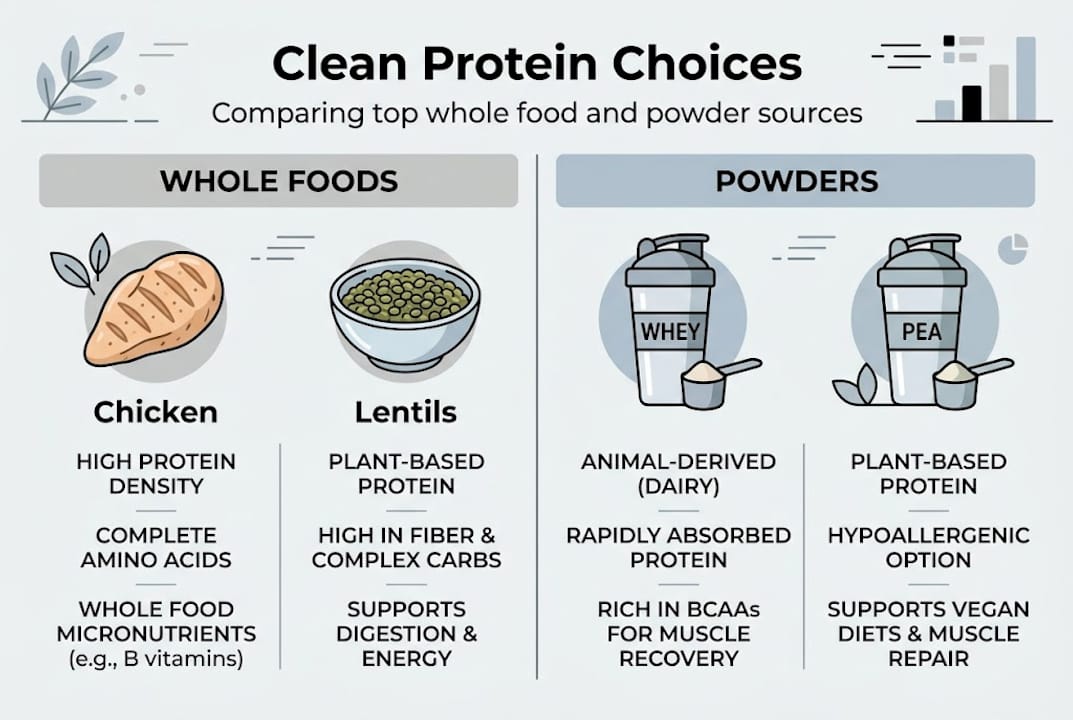
Whole foods remain the gold standard for clean protein. They deliver protein alongside fibre, healthy fats, vitamins, and minerals that powders often cannot replicate. Varied whole food sources provide complete amino acid profiles, and the ratio of plant to animal protein you consume directly affects long-term health outcomes.
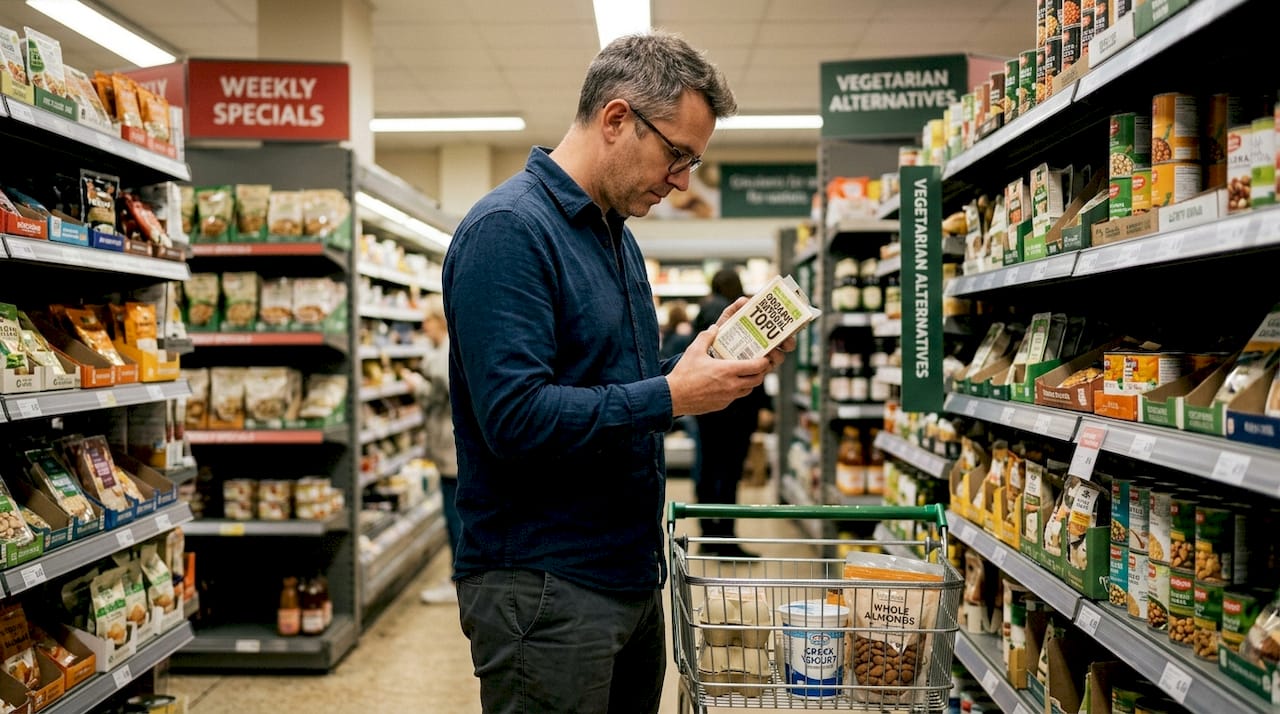
Here is a practical comparison of common clean protein sources:
| Source | Protein (g/serving) | Type | Complete amino acids? | Contamination risk |
|---|---|---|---|---|
| Chicken breast (100g) | 31g | Animal | Yes | Low |
| Eggs (2 large) | 12g | Animal | Yes | Low |
| Greek yoghurt (200g) | 20g | Animal | Yes | Low |
| Lentils (200g cooked) | 18g | Plant | Partial | Very low |
| Hemp seeds (30g) | 10g | Plant | Yes | Low |
| Pea protein powder | 20–25g | Plant | Partial | Moderate/High |
| Whey protein powder | 20–25g | Animal | Yes | Low/Moderate |
Notably, plant powders can rank higher in heavy metal contamination compared to whey in independent studies, which surprises many people who assume plant-based automatically means safer.
For everyday eating, these are the clean protein picks worth building meals around:
- Eggs and Greek yoghurt for fast, complete morning protein
- Lentils and chickpeas as fibre-rich plant staples
- Hemp, pumpkin, and sunflower seeds for snacking and topping
- Canned wild salmon or sardines for omega-3 plus protein
- Nut butters for sustained energy and healthy fats alongside protein
For a deeper breakdown, the guide on sources of complete protein is worth bookmarking. And if you eat primarily plants, the list of high-protein plant foods shows just how varied and satisfying your options can be.
Pro Tip: Combine plant proteins across the day rather than at every meal. Pairing lentils at lunch with hemp seeds at dinner achieves a full amino acid profile without needing to overthink every plate.
Risks and controversies: Heavy metals, additives, and the protein ‘package’
The contamination problem in protein powders is more significant than many realise. 47% of powders tested exceeded recommended safety thresholds for at least one contaminant, including lead, arsenic, cadmium, and mercury. Plant-based powders, particularly brown rice and hemp protein, showed higher heavy metal counts on average.
“Nearly half of popular protein powders tested exceeded safety limits for at least one heavy metal or BPA contaminant.” Clean Label Project Protein Powder Study 2.0
But contamination is only one part of the story. Harvard researchers point to what they call the ‘protein package’, meaning the full nutritional context surrounding the protein matters as much as the grams themselves. A steak delivers protein alongside saturated fat. A handful of walnuts delivers protein with omega-3s and polyphenols. These differences accumulate significantly over years of eating.
Here is a comparison of animal versus plant protein powders across key criteria:
| Criteria | Animal protein powder (e.g., whey) | Plant protein powder (e.g., pea/rice) |
|---|---|---|
| Amino acid completeness | Complete | Often incomplete alone |
| Heavy metal risk | Generally lower | Often higher |
| Digestibility | High (PDCAAS ~1.0) | Moderate (varies by source) |
| Cost | Moderate | Moderate to high |
| Added ingredients | Variable | Often sweeteners/thickeners |
For a thorough look at how these categories compare in practice, the article on plant vs animal protein risks and the guide on whey vs vegan protein both offer additional context.
Steps to reduce your contaminant exposure:
- Prioritise whole food protein sources over powders wherever possible.
- Choose powders certified by the Clean Label Project, NSF, or Informed Sport.
- Rotate your protein sources rather than relying on one powder daily.
- Avoid powders with long ingredient lists featuring artificial additives.
- Store powders correctly and check batch numbers for any recall notices.
Clean protein for wellness and performance: How to get it right
Protein needs are not one-size-fits-all. The recommended daily allowance sits at 0.8g per kg of body weight for most adults, rising to 1.6 to 2.0g/kg for athletes or those in heavy training. Plant protein blends, when varied properly, are sufficient to support both muscle building and recovery.
For those with active lifestyles, protein timing also plays a role. Spreading intake across meals rather than loading it all at once improves muscle protein synthesis. A 75kg person aiming for 1.5g/kg needs roughly 112g daily, which is easily achievable through food alone.
Simple daily swaps to increase clean protein intake:
- Swap refined cereals for Greek yoghurt with hemp seeds at breakfast
- Add a handful of lentils or chickpeas to salads and soups
- Use nut butter as a protein-rich afternoon snack instead of biscuits
- Choose eggs over processed sandwich fillings for lunch
- Snack on a small portion of mixed seeds rather than crisps
Variety is the single most powerful tool in your clean protein strategy. Eating the same source daily limits your micronutrient intake and increases the risk of overexposure to any one contaminant.
On the heart health side, shifting to a 1:1 plant-to-animal ratio of protein intake is associated with meaningfully lower cardiovascular disease risk. You do not need to eliminate animal protein. Simply letting plants make up roughly half your protein choices makes a measurable difference.
For recovery specifically, the resource on vegan protein for recovery is practical and grounded in current evidence. And if you want to see how everyday vegetables contribute more protein than most people expect, the overview of vegetable protein examples is an eye-opener.
Pro Tip: If you do use a protein powder, use it as a supplement to whole food intake, not a replacement. A well-chosen third-party tested powder used two or three times a week is a very different risk profile to relying on it daily as your primary protein source.
Why most people overthink clean protein (and what actually works)
Here is something we have noticed: the people most anxious about protein are often the ones eating the widest variety of real food already. The obsession over brand-specific grams, cutting-edge formulas, and premium supplements frequently distracts from the most straightforward gains available.
The reality is refreshingly simple. Real food, eaten consistently and with variety, does the heavy lifting. Seeds, legumes, eggs, fish, quality nut butters, and the occasional well-sourced powder. That combination beats any single ‘superfood’ protein trend.
Marketing has trained us to associate complexity with effectiveness. A product with seventeen ingredients and a clinical-sounding name feels more powerful than a boiled egg or a spoonful of organic nut butter. But the wellness benefits of clean protein come precisely from simplicity and consistency, not novelty.
Pro Tip: Before buying a new supplement, spend a week tracking how much protein you already eat from real food. Most people are closer to their target than they think, and the gap is smaller than any marketing campaign would have you believe.
Take your next step: Discover clean protein options
Now that you have a clear framework for choosing protein that genuinely serves your health, the next move is to stock your kitchen with sources you can trust. At Granavitalis, every product is chosen for its nutritional integrity, minimal processing, and clean sourcing.
For effortless, nutrient-dense protein from whole food sources, the organic pecan butter delivers healthy fats and plant protein in one ingredient. If you want variety, the nut and seed butter selection is an ideal way to explore multiple clean protein sources at once. And for a simple, versatile seed addition to any meal, nibbed hazelnuts add crunch, nutrition, and genuine flavour without anything unnecessary.
Frequently asked questions
What does ‘clean protein’ actually mean?
‘Clean protein’ refers to high-quality protein sources with minimal contaminants and added chemicals, though no standard definition exists from regulatory bodies or nutrition authorities.
Are plant or animal proteins cleaner?
Both can be clean if responsibly sourced and tested, but plant powders show higher heavy metal counts on average in independent studies, making third-party testing essential for either type.
How much clean protein should I consume daily?
Most adults need at least 0.8g/kg of body weight, with active individuals requiring up to 2.0g/kg. Focus on variety and quality of sources rather than hitting an exact number every day.
How can I be sure my protein powder is clean?
Choose powders certified by trusted independent bodies such as NSF or the Clean Label Project, and avoid products with unregulated ‘clean’ claims and long lists of additives.
Recommended
- Choose the cleanest plant based protein powder in 2026 – Granavitalis
- Lean Plant Protein: Enhancing Recovery and Wellness – Granavitalis
- 7 Best Vegetarian Foods with High Protein Content Naturally – Granavitalis
- Low-Calorie Plant Protein: 20g Blends Fuel Muscle & Wellness – Granavitalis
- Comment reconnaître les ingrédients sains en 2026 – Vitalcup