
What are sources of complete protein: essential guide 2026
Many people believe only meat and dairy deliver complete proteins, leaving plant-based eaters anxious about amino acid gaps. This misconception overlooks naturally complete plant foods like quinoa, soy, and chia seeds, plus the body’s clever ability to pool amino acids from varied meals throughout the day. Understanding complete proteins empowers you to build a balanced diet whether you favour animal sources, embrace plant foods, or blend both for optimal energy and well-being.
Table of Contents
- What Are Complete Proteins And Why Do They Matter?
- Animal Sources Of Complete Protein: Benefits And Examples
- Plant-Based Complete Proteins And Protein Combining Strategies
- Health Benefits And Nutritional Insights On Plant Versus Animal Proteins
- Nutritional Considerations For UK Consumers
- Explore Nutritious Plant-Based Protein Options At Granavitalis
- Frequently Asked Questions
Key takeaways
| Point | Details |
|---|---|
| Animal proteins are naturally complete | Meat, poultry, fish, eggs, and dairy provide all nine essential amino acids in one serving. |
| Certain plant foods are complete proteins | Soy products, quinoa, chia seeds, and edamame contain every essential amino acid your body needs. |
| Daily variety trumps meal-by-meal combining | Eating diverse plant proteins across the day ensures adequate amino acid intake without strict pairing rules. |
| Plant-to-animal ratio affects heart health | Higher plant protein intake correlates with reduced cardiovascular disease risk compared to animal-heavy diets. |
| Digestibility varies between protein sources | Animal proteins generally score higher on digestible amino acid metrics than most plant options. |
What are complete proteins and why do they matter?
Proteins are molecular chains built from 20 different amino acids, nine of which your body cannot synthesise. These nine essential amino acids must come from food. Complete proteins contain all nine in sufficient quantities to support growth, repair, and metabolic functions. Without them, your body struggles to manufacture hormones, rebuild muscle tissue after exercise, and maintain a robust immune response.
The nine essential amino acids are histidine, isoleucine, leucine, lysine, methionine, phenylalanine, threonine, tryptophan, and valine. Each plays distinct roles. Leucine triggers muscle protein synthesis, making it vital for recovery after workouts. Tryptophan serves as a precursor to serotonin, influencing mood and sleep quality. Lysine supports collagen formation and calcium absorption, whilst methionine aids detoxification pathways in the liver. When even one essential amino acid falls short, protein synthesis slows, compromising cellular repair and energy production.
Protein quality extends beyond mere completeness. Digestibility matters because not all amino acids survive the journey through your digestive tract intact. Animal proteins typically boast higher bioavailability, meaning your body absorbs and utilises their amino acids more efficiently. Plant proteins often come bundled with fibre and antinutrients like phytates, which can hinder absorption. Nutrient synergy also influences outcomes. A food rich in protein but lacking complementary vitamins and minerals delivers less functional value than one offering a complete nutritional package.
Protein is the building block of every cell, tissue, and organ in your body. Without adequate intake of all essential amino acids, your body cannot perform critical functions like muscle repair, enzyme production, and immune defence.
Understanding protein quality helps you make informed choices. If you rely heavily on a single protein source, you risk nutritional gaps. Rotating between diverse foods ensures you capture the full spectrum of amino acids plus the vitamins, minerals, and phytonutrients that enhance protein utilisation. Whether you prefer animal or plant sources, recognising what makes a protein complete sets the foundation for a diet that genuinely fuels your body’s demands.
Animal sources of complete protein: benefits and examples
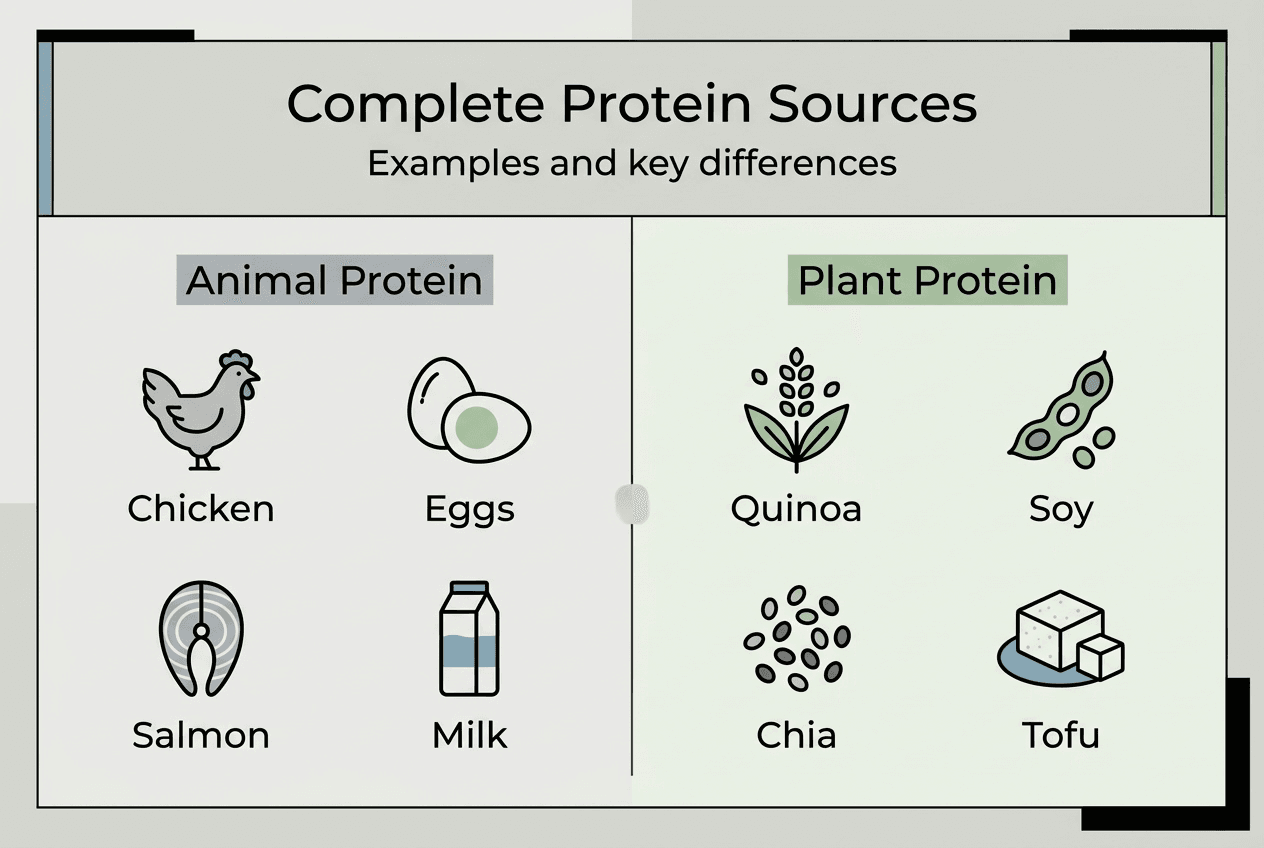
Animal proteins like meat, poultry, eggs, fish, and dairy deliver all nine essential amino acids in every serving, making them the gold standard for protein completeness. A 100-gram portion of chicken breast supplies roughly 31 grams of protein with an amino acid profile that mirrors human muscle composition. Beef offers similar completeness alongside iron and vitamin B12, nutrients often scarce in plant foods. Fish brings omega-3 fatty acids into the mix, supporting cardiovascular health whilst meeting protein needs. Eggs provide leucine-rich protein in a compact, versatile package, and dairy products like Greek yoghurt combine protein with calcium and probiotics for bone and gut health.

Animal proteins excel in bioavailability. Your digestive system breaks down animal tissue efficiently, releasing amino acids that enter your bloodstream with minimal loss. This high digestibility means you absorb more usable protein per gram consumed compared to many plant sources. For athletes, older adults, and anyone recovering from illness, this efficiency can be crucial. Animal proteins also tend to be calorie-dense, delivering substantial protein without requiring large meal volumes, which benefits those with high energy demands or limited appetite.
Yet animal proteins come with trade-offs. Red and processed meats often carry saturated fats and cholesterol, which in excess may elevate cardiovascular risk. Environmental concerns also weigh on many consumers’ minds. Livestock farming generates significant greenhouse gas emissions and requires extensive land and water resources. Balancing these factors means choosing leaner cuts, incorporating fish and poultry more frequently, and moderating portion sizes to align with health and sustainability goals.
- Beef: Complete amino acid profile, rich in iron and B12, but higher in saturated fat.
- Poultry: Lean protein source with excellent digestibility and lower environmental footprint than red meat.
- Fish: Omega-3 fatty acids plus complete protein, supporting heart and brain health.
- Eggs: Affordable, versatile, leucine-rich, and easy to digest.
- Dairy: Combines protein with calcium, vitamin D, and probiotics for multi-faceted nutrition.
For UK consumers aiming to optimise protein intake, animal sources remain a straightforward route to completeness. Pairing them with plant foods diversifies nutrient intake and reduces reliance on any single source, creating a resilient dietary pattern that supports long-term health and energy.
Plant-based complete proteins and protein combining strategies
Plant-based eaters often hear they must meticulously combine foods to form complete proteins, but this advice oversimplifies modern nutritional science. Soy-based foods and quinoa naturally provide all nine essential amino acids, as do chia seeds, hemp seeds, and edamame. These foods stand alone as complete proteins, requiring no pairing to meet your amino acid needs. Tofu, tempeh, and soy milk deliver 10 to 20 grams of protein per serving with amino acid profiles rivalling animal products. Quinoa offers about 8 grams of protein per cooked cup, plus fibre, magnesium, and iron. Chia seeds pack 5 grams of protein per two tablespoons alongside omega-3 fatty acids and calcium.
Complementary proteins involve pairing foods that together supply all essential amino acids. Legumes like lentils and chickpeas are rich in lysine but low in methionine, whilst grains such as rice and wheat provide methionine but lack lysine. Combining beans with rice, hummus with wholemeal bread, or lentil soup with barley creates a complete amino acid profile. However, eating a variety of plant-based foods daily suffices because your body pools amino acids from multiple meals. You do not need to achieve completeness at every sitting. Breakfast oats, a lunchtime chickpea salad, and evening stir-fry with tofu collectively deliver all nine amino acids your body requires.
The concept of protein combining is less critical when consuming varied proteins throughout the day. Your liver and muscles store amino acids temporarily, drawing on these reserves to synthesise proteins as needed. This metabolic flexibility means rigid meal-by-meal pairing is unnecessary for most healthy adults. Focus instead on rotating protein sources across breakfast, lunch, dinner, and snacks to naturally cover the amino acid spectrum.
| Protein source | Amino acid profile | Digestibility | Notes |
|---|---|---|---|
| Soy (tofu, tempeh) | Complete, all nine essential amino acids | High, comparable to animal protein | Versatile, absorbs flavours well |
| Quinoa | Complete, balanced amino acids | Moderate to high | Gluten-free grain alternative |
| Chia seeds | Complete, rich in omega-3s | Moderate | Best soaked or ground for absorption |
| Lentils + rice | Combined completeness | Moderate | Classic pairing across global cuisines |
| Chicken breast | Complete, leucine-rich | Very high | Benchmark for animal protein |
Steps to achieve balanced plant-based protein intake
- Include a complete plant protein daily: Add tofu, tempeh, quinoa, or edamame to at least one meal.
- Rotate legumes and grains: Pair lentils with bulgur, chickpeas with couscous, or black beans with brown rice across different meals.
- Snack on seeds and nuts: Chia pudding, hemp seed smoothies, or almond butter on wholemeal toast boost amino acid variety.
- Explore plant protein nutrition: Discover diverse sources and preparation methods to keep meals interesting.
- Consider plant protein powders: Pea, rice, and hemp protein powders offer concentrated amino acids for post-workout recovery or busy days.
Pro Tip: Rotate your protein sources weekly. If Monday features lentil curry, choose quinoa salad Tuesday and tofu stir-fry Wednesday. This rotation ensures you capture the full amino acid spectrum whilst enjoying culinary variety.
Plant protein powders, particularly pea protein, have surged in popularity across the UK. Pea protein isolates deliver 20 to 25 grams of protein per serving with a complete amino acid profile and high digestibility. Athletes and fitness enthusiasts increasingly rely on these powders to meet elevated protein demands without animal products. Check out top vegan protein sources for practical ideas on integrating these foods into your daily routine.
Health benefits and nutritional insights on plant versus animal proteins
Protein source matters beyond amino acid completeness. Research reveals that those who ate the highest ratio of plant to animal protein had a 19% lower risk of cardiovascular disease and 27% lower coronary heart disease risk. This protective effect likely stems from plant proteins arriving bundled with fibre, antioxidants, and polyunsaturated fats, whilst animal proteins often carry saturated fats and cholesterol. Swapping even a modest portion of animal protein for plant sources can shift your cardiovascular risk profile favourably.
Digestibility and amino acid quality differ between plant and animal proteins. Vegan diets often have lower digestible indispensable amino acids due to reliance on plant protein sources. The digestible indispensable amino acid score (DIAAS) measures how much of each essential amino acid your body actually absorbs. Animal proteins typically score above 100, indicating excellent digestibility and amino acid availability. Many plant proteins score between 60 and 90, meaning you must consume larger quantities to match the usable protein from animal sources. Antinutrients like phytates and tannins in legumes and grains bind minerals and inhibit enzyme activity, reducing nutrient absorption. Soaking, sprouting, and fermenting plant foods can mitigate these effects, enhancing digestibility.
Vegan diets face a unique challenge. Even when daily amino acid intake appears adequate, individual meals may lack sufficient quantities of specific amino acids. Your body cannot store large amino acid reserves, so if breakfast and lunch fall short in lysine, for example, dinner’s lysine-rich lentils may not fully compensate. This meal-level inadequacy can subtly undermine protein synthesis over time. The solution lies in distributing protein intake evenly across meals and prioritising complete plant proteins or complementary pairings at each sitting.
| Protein source | DIAAS score | Key amino acids | Digestibility factors |
|---|---|---|---|
| Whey protein | 109 | Leucine, lysine | Very high, rapid absorption |
| Chicken | 108 | All nine essential | High, minimal antinutrients |
| Soy protein isolate | 90 | Balanced profile | High for plant source, processing improves it |
| Pea protein | 64 | Lysine, arginine | Moderate, benefits from combination with rice protein |
| Lentils | 63 | Lysine, folate | Moderate, improved by soaking and cooking |
Nutritional considerations for UK consumers
- Fibre and phytonutrients: Plant proteins deliver fibre, polyphenols, and carotenoids absent in animal foods, supporting gut health and reducing inflammation.
- Saturated fat and cholesterol: Animal proteins can elevate LDL cholesterol if consumed in excess, whilst plant proteins typically lower it.
- Vitamin B12 and iron: Animal sources provide bioavailable B12 and haem iron, nutrients challenging to obtain from plants alone.
- Environmental sustainability: Plant proteins require fewer resources and generate lower emissions, aligning with eco-conscious values.
- Cost and accessibility: Legumes, grains, and seeds often cost less than meat and fish, making plant proteins budget-friendly.
The quality of your protein matters as much as the quantity. Choosing diverse sources, balancing plant and animal options, and paying attention to digestibility ensures your body receives the amino acids it needs to thrive.
For health-conscious adults in the UK, blending plant and animal proteins offers a pragmatic middle path. Enjoy lean meats and fish a few times weekly, incorporate plant proteins like tofu and quinoa regularly, and use legumes and whole grains as dietary staples. This approach maximises nutrient diversity, supports cardiovascular health, and respects environmental limits without requiring dietary extremes.
Explore nutritious plant-based protein options at Granavitalis
Building a diet rich in complete proteins becomes simpler when you have access to high-quality, nutrient-dense ingredients. Granavitalis offers a curated selection of organic nut and seed butters that deliver protein, healthy fats, and essential minerals in every spoonful. Almond, cashew, and sunflower seed butters provide complementary amino acids, making them ideal additions to oats, smoothies, or wholemeal toast for a balanced breakfast.
Our superfood blends featuring chia seeds combine complete plant proteins with antioxidants and omega-3 fatty acids, supporting skin health and sustained energy throughout your day. For immune support, explore our zinc and vitamin B1 superfood mix, which pairs plant-based protein with micronutrients that enhance absorption and metabolic function. Each product is sourced with purity and performance in mind, honouring traditional ingredients whilst meeting the demands of modern wellness.
Pro Tip: Stir a tablespoon of almond butter into your morning porridge and top with chia seeds for a protein-rich start that keeps you satisfied until lunch. Rotate between different nut and seed butters weekly to diversify your amino acid intake and discover new flavours.
Frequently asked questions
What are the best plant sources of complete protein?
Soy products like tofu, tempeh, and edamame provide all nine essential amino acids in substantial amounts. Quinoa, chia seeds, and hemp seeds also qualify as complete plant proteins. Eating a variety of these foods throughout the day ensures your body receives adequate amino acids for muscle repair, hormone production, and immune function. Explore top vegan protein sources for practical meal ideas and preparation tips.
Is it necessary to combine plant proteins at every meal?
No, you do not need to pair complementary proteins at every sitting. Your body pools amino acids from multiple meals throughout the day, drawing on these reserves to synthesise proteins as needed. Consuming diverse plant proteins across breakfast, lunch, dinner, and snacks naturally covers the amino acid spectrum. For deeper insights, visit our plant protein nutrition guide to understand how daily variety supports optimal health.
How much protein should I consume daily?
The recommended dietary allowance is 0.8 grams per kilogram of body weight for most healthy adults. A 70-kilogram person requires about 56 grams of protein daily. Active individuals, pregnant or breastfeeding women, and adults over 40 often need more, sometimes reaching 1.2 to 1.6 grams per kilogram. Distribute protein evenly across meals to maximise muscle protein synthesis and maintain energy levels throughout the day.
Can plant-based diets provide enough protein for muscle building?
Plant-based proteins, especially when supplemented with pea protein powder, support muscle building effectively. Pea protein powder is rapidly growing in the UK as a popular supplement for athletes seeking plant-based options. Choosing complete plant proteins like soy and quinoa, consuming adequate total protein, and timing intake around workouts ensures your muscles receive the amino acids they need for growth and recovery. Consistent training and sufficient calorie intake matter as much as protein source.