
Choose the cleanest plant based protein powder in 2026
Finding a plant protein powder without artificial sweeteners, fillers or hidden additives is harder than it should be. Many UK adults seeking clean nutrition for muscle recovery discover that marketing claims rarely match ingredient lists. This guide cuts through the confusion by showing you how to identify genuinely clean plant-based protein powders with optimal amino acid profiles, third-party testing, and zero artificial additives so you can fuel your fitness goals with confidence.
Table of Contents
- What You Need Before You Start: Understanding Clean Protein Powders
- Choosing The Right Protein Source: Completeness And Amino Acid Profile
- Certification And Trust: Testing You Can Rely On
- How To Use Your Protein Powder Effectively
- Common Mistakes And How To Avoid Them
- Expected Results And Outcomes With Clean Plant Protein Powders
- Top Recommended Clean Protein Powders For UK Consumers
- Explore Clean Plant-Based Protein Products At Granavitalis
- Frequently Asked Questions
Key takeaways
| Point | Details |
|---|---|
| Clean protein powders have minimal natural ingredients | Organic pea protein with no artificial additives offers the purest plant-based protein source. |
| Pea and rice protein blends provide complete amino acids | This combination delivers all nine essential amino acids needed for muscle recovery and maintenance. |
| Third-party testing ensures purity and label accuracy | Look for batch-specific certificates of analysis to verify protein content and absence of contaminants. |
| Optimal usage is 20-25g protein per serving | Consume within 3-4 hours post-workout for best muscle synthesis results. |
| Avoid choosing powders by flavour alone | Always check ingredient lists for additives that can undermine fitness goals and cause digestive issues. |
What you need before you start: understanding clean protein powders
When we say “clean” in the context of plant protein powders, we mean products with ingredients you can pronounce and recognise. A clean powder contains no artificial sweeteners, synthetic colours, or chemical preservatives. It relies on whole food protein sources processed minimally to preserve nutritional integrity.
Organic pea protein stands out as a premium clean protein source. Plant protein powders containing organic pea protein with minimal additives provide the cleanest and most effective protein source for vegans aged 25-65 in the UK seeking fitness recovery. Unlike soy isolates or heavily processed blends, pea protein delivers high digestibility with a naturally mild taste that doesn’t require masking with artificial flavours.
The role of clean plant protein powders in supporting muscle recovery is crucial. After resistance training or cardio, your muscles need amino acids to repair microtears and build new tissue. Plant proteins supply these building blocks without the lactose, hormones, or saturated fats found in whey. For health-conscious UK adults juggling fitness with busy schedules, a scoop of clean protein blended into water or plant milk offers convenient nutrition that aligns with wellness values.
Clean powders matter because:
- Natural ingredients support better digestion and reduce allergic reactions
- Minimal processing preserves nutrient bioavailability
- Transparency in sourcing builds trust and ensures quality
- No artificial additives means no unwanted chemicals entering your body
Understanding why use vegan protein powders helps you appreciate how these products fit into a balanced nutrition strategy. Whether you’re aiming to build lean muscle, recover faster, or simply meet daily protein targets without animal products, starting with a genuinely clean powder sets the foundation for success.
Choosing the right protein source: completeness and amino acid profile
Not all plant proteins are created equal. Your body requires nine essential amino acids it cannot produce on its own. A “complete” protein provides all nine in adequate amounts. Most single plant sources lack one or more essential amino acids, which is why blending matters.
Protein powders with a blend of pea, rice, and brown rice proteins deliver a complete amino acid profile supporting muscle maintenance and recovery effectively. Pea protein is rich in lysine but lower in methionine, while rice protein offers methionine but less lysine. Together, they complement each other perfectly. Plant protein powders combining pea and rice provide a balanced amino acid profile which is comparable to animal proteins when consumed throughout the day.
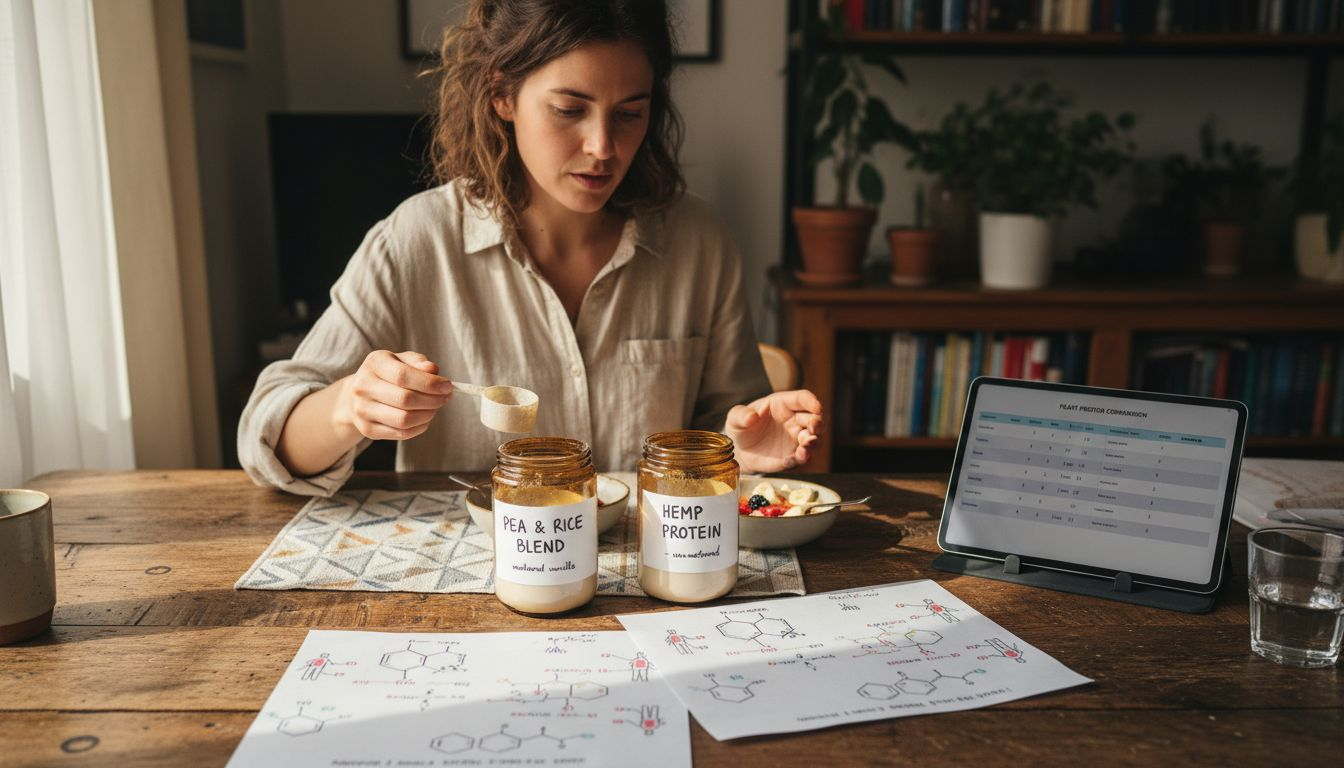
Protein digestibility matters as much as completeness. The PDCAAS (Protein Digestibility Corrected Amino Acid Score) measures how well your body absorbs and utilises protein. Pea protein scores around 0.89 out of 1.0, while rice protein scores 0.83. Blended together, they approach the gold standard of 1.0, matching the digestibility of whey and egg proteins.
Incomplete proteins can slow recovery and muscle synthesis. If you rely on a single plant source like hemp or brown rice alone, you may not get enough of certain amino acids to optimise tissue repair. This doesn’t mean single-source powders are useless, but blends offer insurance that you’re covering all nutritional bases in one serving.
| Protein source | Complete profile | PDCAAS score | Key amino acids |
|---|---|---|---|
| Pea protein | No (low methionine) | 0.89 | High lysine, arginine |
| Rice protein | No (low lysine) | 0.83 | High methionine, cysteine |
| Pea + rice blend | Yes | ~0.95 | Balanced all nine |
| Hemp protein | No (low lysine) | 0.66 | Omega-3 fatty acids |
| Soy protein | Yes | 1.0 | Complete, allergen risk |
Choosing the best vegan protein powders requires balancing completeness, digestibility, and personal tolerance. If you have soy allergies, pea and rice blends become essential. If you prioritise omega-3s, adding hemp to a base of pea and rice protein blends gives you nutritional diversity without sacrificing amino acid balance.
Certification and trust: testing you can rely on
A label claiming “pure” or “clean” means nothing without verification. Third-party testing provides independent confirmation that what’s listed on the package matches what’s inside. Labs analyse each batch for protein content, contaminants like heavy metals, pesticides, and microbes, plus they verify that additives or allergens are accurately disclosed.
Third-party testing for contaminants and verification of protein content is essential to ensure powder purity, safety, and label accuracy in clean plant-based protein powders. Look for certifications from organisations like Informed Sport, NSF Certified for Sport, or USDA Organic. These stamps signal that a neutral authority has audited the product and manufacturing process.
How do you check if testing is legitimate? Visit the brand’s website and search for certificates of analysis (COA). Reputable companies publish batch-specific COAs showing exact test results, not vague assurances. You can also check certification databases online to confirm a product’s status. Brands renowned for transparency include Transparent Labs, Vivo Life, and Garden of Life, all of which provide detailed testing documentation.
Common certifications and what they verify:
- USDA Organic: No synthetic pesticides, GMOs, or prohibited substances
- NSF Certified for Sport: Screened for banned athletic substances and contaminants
- Informed Sport: Batch-tested for over 200 prohibited substances in sport
- Non-GMO Project Verified: Ingredients free from genetic modification
- Vegan Society Certified: No animal-derived ingredients or testing
Pro Tip: Request a COA directly from the brand if it’s not published online. Legitimate companies respond quickly with documentation. Evasive answers or refusals are red flags signalling potential quality issues.
Understanding plant-based protein isolate helps you appreciate why testing matters. Isolates undergo more processing to concentrate protein content, which increases the risk of contamination or mislabelling if quality controls are weak. Verified testing ensures you’re getting what you pay for and nothing you don’t want.
How to use your protein powder effectively
Owning a clean protein powder is one thing. Using it correctly to maximise muscle recovery and nutritional benefit is another. The right serving size, timing, and preparation method can dramatically improve your results.
A minimum of 20-25 grams of protein per serving optimises muscle synthesis and recovery post-workout for moderately active adults aged 25–65. This amount provides enough essential amino acids to trigger muscle protein synthesis without overwhelming your digestive system. One scoop of most quality powders delivers this target, but always check the label as serving sizes vary.
Timing matters. Consume your protein within 3-4 hours after resistance training or intense cardio when your muscles are primed to absorb nutrients. You don’t need to rush it within 30 minutes like old myths suggested, but don’t wait all day either. Spreading protein intake evenly across meals throughout the day also supports continuous muscle maintenance.
Follow this step-by-step guide to mix and consume your powder:
- Add 200-300ml of cold water or unsweetened plant milk to a shaker bottle.
- Pour in one scoop (20-25g) of protein powder.
- Seal the bottle and shake vigorously for 15-20 seconds until smooth.
- Drink immediately to avoid clumping or separation.
- Rinse your shaker promptly to prevent residue buildup.
Best liquids to mix with protein powder include filtered water for simplicity, almond milk for creaminess, oat milk for added carbs, or coconut water for electrolytes. Avoid fruit juices high in sugar, which can spike insulin and interfere with fat metabolism. Cold liquids blend more smoothly than warm ones, which can cause clumping in some powders.
Pro Tip: Prepare protein-based smoothies by blending your powder with frozen berries, spinach, a banana, and a tablespoon of ground flaxseed. Natural ingredients improve taste, add fibre for digestion, and deliver antioxidants that support recovery without artificial flavourings.
Exploring the best plant protein serving size ensures you’re not under or over-consuming. Too little won’t stimulate muscle repair, while excessive protein intake offers no additional benefit and can strain kidneys in sensitive individuals.
Common mistakes and how to avoid them
Even health-conscious consumers make errors when selecting or using plant protein powders. Awareness of these pitfalls helps you avoid wasting money and compromising your fitness goals.
Common mistakes include choosing powders based on flavor alone, ignoring ingredient transparency, and neglecting the importance of a complete amino acid profile, leading to suboptimal nutrition and recovery outcomes. Prioritising taste over quality ingredients means you might end up with a chocolate-flavoured powder loaded with sucralose, maltodextrin, and artificial cocoa. These additives can trigger bloating, gas, or allergic reactions, negating the benefits of plant-based nutrition.
Another frequent mistake is ignoring amino acid profile completeness and digestibility. A hemp protein powder might appeal because it’s trendy, but if it lacks sufficient lysine and has a low PDCAAS score, your muscles won’t recover as effectively. Always verify that your powder contains a blend offering all nine essential amino acids or plan to combine single sources throughout your diet.
Avoid plant protein powders with artificial sweeteners, fillers, and preservatives, as these are linked to poorer digestion and allergic reactions in up to 15% of consumers. Ingredients like xanthan gum, carrageenan, and guar gum are common thickeners that some people cannot tolerate. Reading ingredient lists carefully protects you from unnecessary discomfort.
Mistakes to watch for:
- Choosing powders by cost alone, sacrificing quality for savings
- Overlooking allergen warnings like soy, gluten, or tree nut traces
- Assuming “natural flavours” are always clean (they can be heavily processed)
- Failing to verify third-party testing or certifications
- Mixing protein powder with high-sugar liquids that spike blood glucose
To avoid common mistakes, develop a checklist before purchasing. Confirm the protein source is complete, check for third-party testing, scan for artificial additives, and verify allergen information. This disciplined approach ensures you invest in powders that genuinely support your health and fitness.
Expected results and outcomes with clean plant protein powders
Knowing what to expect helps you stay motivated and assess whether your protein powder is working. Realistic timelines and measurable indicators prevent disappointment and guide adjustments.
Typical muscle recovery occurs within 2-4 weeks with consistent intake of 20-25g protein servings post-workout. You’ll notice reduced muscle soreness after intense sessions, faster strength gains, and improved endurance. These changes reflect better amino acid availability for tissue repair and protein synthesis.
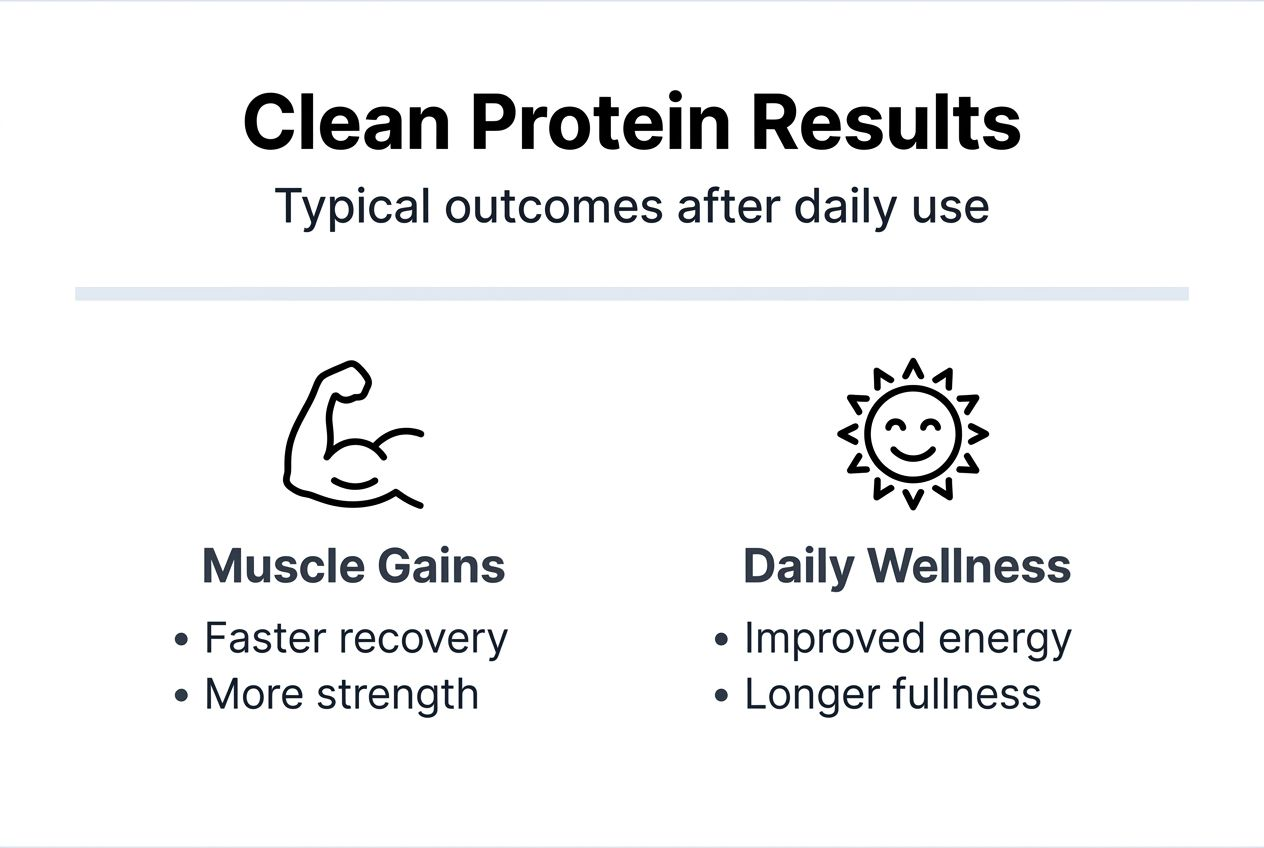
Improved energy levels and satiety throughout the day are common benefits. Plant protein digests more slowly than simple carbs, stabilising blood sugar and preventing energy crashes. Many users report feeling fuller for longer, which supports weight management goals by reducing snacking and overeating.
Reduced digestive discomfort compared to powders with additives is another positive outcome. Clean powders with minimal ingredients cause fewer instances of bloating, gas, or stomach cramps. If you previously struggled with whey-based powders, switching to a clean pea and rice blend often resolves these issues within days.
How to measure success:
- Track workout performance: Are you lifting heavier or completing more reps?
- Monitor recovery time: Do you feel ready for the next session sooner?
- Assess energy stability: Are mid-afternoon slumps less frequent?
- Observe digestion: Is bloating or discomfort reduced after consuming protein?
- Check body composition: Are you gaining lean muscle or maintaining healthy weight?
Importance of consistent use and balanced nutrition cannot be overstated. Muscle recovery timelines with 20-25g protein intake, improvements in energy and satiety, and indicators of improved digestion all depend on regular consumption paired with whole foods, adequate hydration, and sufficient sleep. Protein powder is a tool, not a magic solution.
Exploring lean plant protein benefits helps you understand how clean powders fit into a broader wellness strategy. Results compound when you combine smart supplementation with consistent training and mindful eating.
Top recommended clean protein powders for UK consumers
With so many options on the market, evidence-based recommendations cut through the noise. These products have earned reputations for purity, effectiveness, and transparency.
Transparent Labs Organic Plant-Based Protein Isolate offers 24 grams of protein per serving with no artificial sweeteners, verified by third-party testing, ideal for a clean and effective supplement. This powder combines organic pea protein with organic rice protein, delivering a complete amino acid profile. It’s sweetened naturally with stevia and contains no fillers or preservatives.
Other top contenders include Vivo Life Perform, which blends pea, hemp, and brown rice proteins with added probiotics for digestion. Garden of Life Sport Organic Plant-Based Protein is USDA Organic and NSF Certified for Sport, offering 30g protein per serving with no artificial ingredients. Bulk Powders Pure Pea Protein Isolate provides an affordable single-source option for those mixing their own blends.
Avoidance of powders with artificial additives and preservatives is critical. Many mainstream brands add sucralose, acesulfame potassium, or synthetic colours to improve taste and shelf appeal. These chemicals offer no nutritional value and can disrupt gut microbiota or trigger allergic responses.
| Product | Protein per serving | Amino acid profile | Additives | Certifications |
|---|---|---|---|---|
| Transparent Labs Organic Plant-Based | 24g | Complete (pea + rice) | None, stevia only | USDA Organic, third-party tested |
| Vivo Life Perform | 25g | Complete (pea + hemp + rice) | None, natural flavours | Vegan Society, third-party tested |
| Garden of Life Sport | 30g | Complete (pea + rice + quinoa) | None, organic flavours | USDA Organic, NSF Certified for Sport |
| Bulk Powders Pea Isolate | 23g | Incomplete (pea only) | None, unflavoured | Third-party tested |
| MyProtein Vegan Blend | 22g | Complete (pea + rice + hemp) | Sucralose present | None listed |
Rationale for each product’s cleanliness and effectiveness centres on ingredient transparency, third-party verification, and amino acid completeness. Transparent Labs and Vivo Life lead in purity, while Garden of Life excels in certification depth. Bulk Powders offers flexibility for DIY blending, and MyProtein serves as a cautionary example of a product compromised by artificial sweeteners.
Exploring the best plant based protein powders and understanding protein powder serving recommendations helps you match products to your specific fitness goals. For deeper insights into isolates, review plant-based protein isolate benefits to see how processing impacts protein concentration and digestibility.
Explore clean plant-based protein products at Granavitalis
You’ve learned how to identify, choose, and use the cleanest plant-based protein powders for fitness recovery. Now take the next step by exploring curated options that meet the highest standards of purity and effectiveness.
Granavitalis offers high-quality clean plant protein powders verified for purity and effectiveness, rooted in ancient nutrition principles and fuelled for modern wellness. Whether you’re seeking best plant protein powders for muscle building or exploring different types of vegan protein powders, you’ll find expert guidance and transparently sourced products tailored for UK consumers. Each protein powder in our collection is selected for minimal processing, maximal nutrient integrity, and alignment with your fitness and wellness goals. Visit Granavitalis today to discover how clean plant-based nutrition can transform your recovery, energy, and long-term health.
Frequently asked questions
What is the cleanest plant-based protein powder?
The cleanest plant-based protein powder contains organic ingredients, minimal additives, and third-party testing to ensure purity. Typically, powders with organic pea protein and transparent sourcing qualify as the cleanest options available.
How do I know if a plant protein powder has a complete amino acid profile?
Look for pea and rice protein blends on the ingredient label, as this combination provides all nine essential amino acids. Check for PDCAAS scores or third-party lab analyses indicating amino acid completeness and digestibility.
What is the optimal way to consume plant protein powder for fitness recovery?
Consume 20-25g of protein per serving to optimise muscle synthesis and recovery. Best taken within 3-4 hours after your workout, mixed with water or plant-based milk for easier digestion and nutrient absorption.
Which additives should I avoid in plant protein powders?
Avoid artificial sweeteners like sucralose, acesulfame potassium, fillers such as maltodextrin, and preservatives like sodium benzoate. Check ingredient lists carefully and prioritise powders with natural and organic certification.
Are all plant-based protein powders safe for people with allergies?
No, some plant-based protein powders contain allergens like soy, gluten, or tree nuts. Pure pea protein powders tend to have lower allergen risk, but always verify product allergen information and third-party testing to ensure safety.