
Why nutrient rotation matters for your gut health
TL;DR:
- Nutrient rotation involves deliberately changing the foods you eat to improve gut health and prevent nutritional gaps. Eating a variety of plant foods, herbs, and fermented products enhances microbiome diversity, which supports immune and metabolic health. Integrating small, gradual changes to your diet is a practical and affordable way to achieve long-term health benefits.
Nutrient rotation is the deliberate practice of varying the foods you eat to supply your body and gut microbiome with a broad spectrum of nutrients, fibres, and plant compounds. The concept borrows from agricultural thinking: just as crop rotation restores soil fertility by cycling different plants through the same ground, rotating foods through your diet prevents nutritional gaps and feeds the diverse bacteria that keep your gut healthy. The standard industry term for this practice in nutrition science is dietary diversity, and understanding why nutrient rotation matters is the first step to genuinely improving your long-term health.
Why nutrient rotation matters for gut microbiome health
The gut microbiome is a community of trillions of bacteria, and diet is its single most modifiable influence. Different bacterial species feed on different fibres and plant compounds, so a monotonous diet starves the majority of them. Eating 30 unique plant types per week is linked to greater microbiome diversity and increased production of short-chain fatty acids (SCFAs). SCFAs are the chemical signals that reduce gut inflammation, support the intestinal lining, and regulate immune function.
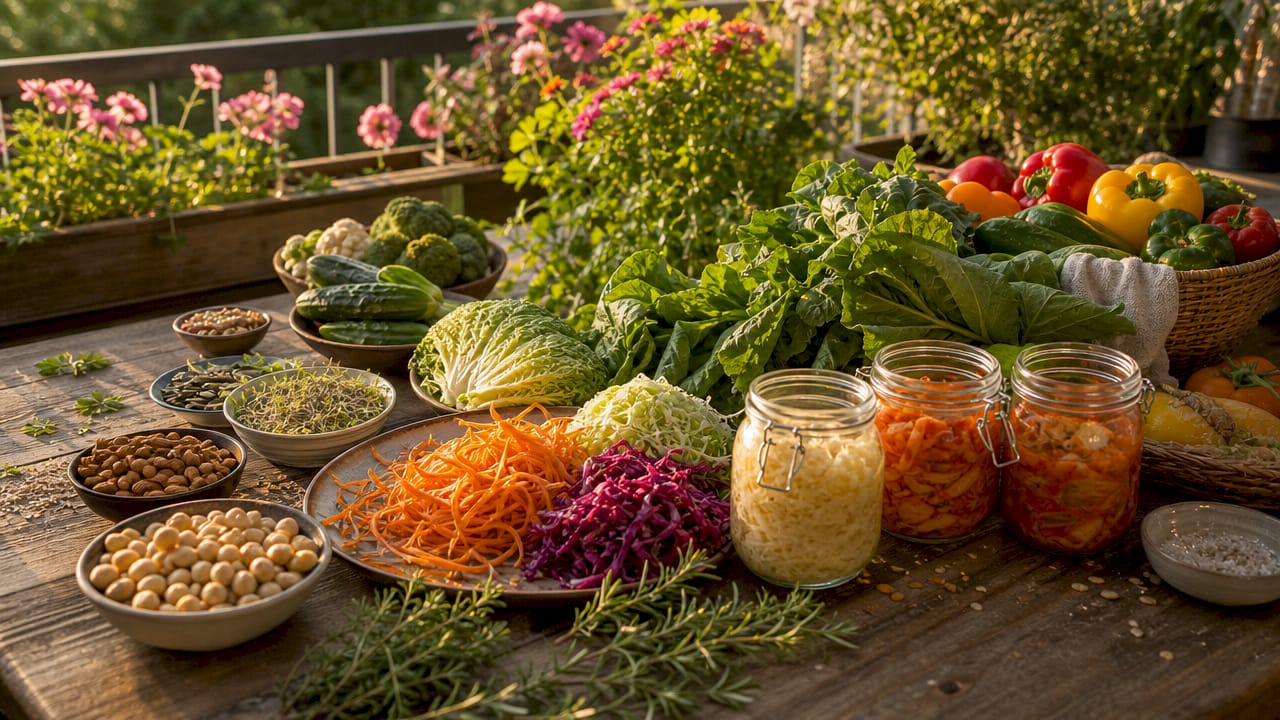
The 30-plants-a-week figure is a flexible proxy, not a rigid rule. It exists to shift your thinking from “am I eating enough?” to “am I eating varied enough?” Herbs, spices, nuts, seeds, and fermented foods all count toward that total. A pinch of cumin, a handful of walnuts, and a spoonful of live yoghurt each add a different microbial input to your gut without dramatically changing your meal size or budget.
Less than 0.1% of the UK population meets all nine core recommendations of the Eatwell Guide. That figure is striking. It means the overwhelming majority of people are eating a narrower range of foods than any current nutrition framework recommends, leaving entire categories of beneficial bacteria underfed.
Pro Tip: Add one new plant food per week rather than overhauling your diet overnight. This gradual approach builds variety without triggering digestive discomfort.
What does the science say about dietary diversity and health?
Research consistently links higher dietary diversity to better health outcomes across multiple systems, not just the gut. Higher Diet Quality Scores (measured using the DQS-UK-2022 framework) correlate with lower cardiovascular risk markers and superior metabolic health. People in the top scoring quintile, those with scores of 57 or above, show measurably better health profiles than those in the bottom quintile, with scores of 35 or below.
Plant-based dietary diversity also improves cardiometabolic risk factors and is associated with reduced cancer risk across observational studies. The evidence base is strong, even though standardised definitions of dietary diversity are still being developed across research institutions. What the studies agree on is the direction: more variety produces better outcomes.
Fibre diversity matters more than total fibre quantity. Two people can eat the same grams of fibre daily, but if one eats only wheat bran and the other rotates oats, lentils, flaxseed, and chicory root, the second person feeds a far wider range of gut bacteria. That distinction is what makes dietary diversity a more useful concept than simple nutrient counting.
Key evidence points worth knowing:
- Microbiome diversity: Rotating plant foods increases the range of bacterial species in the gut, which is associated with resilience against infection and inflammation.
- SCFA production: Diverse fibres produce more short-chain fatty acids, which protect the gut lining and regulate immune response.
- Cardiovascular markers: Higher DQS-UK-2022 scores link to lower LDL cholesterol and better blood pressure readings.
- Cancer risk reduction: Observational data associates plant diversity with reduced risk across several cancer types.
Pro Tip: Track your plant variety for one week using a simple notepad or phone note. Most people discover they eat fewer than 15 unique plant types, which gives a clear starting point for improvement.
Is nutrient rotation different from counting nutrients?
Nutrient counting focuses on hitting specific targets: 30g of fibre, 50g of protein, 1,000mg of calcium. Dietary diversity asks a different question entirely: are you feeding all the biological systems that need varied inputs? The two approaches are not opposed, but diversity is the more complete measure of diet quality.
Static dietary assessments, such as a single-day food diary, miss the rotation dimension entirely. A person who eats identically every day might hit their macronutrient targets while feeding only a narrow slice of their gut microbiome. Nutrition experts now advocate moving beyond nutrient lists toward dietary patterns that emphasise variety, sustainability, and practicality.
“The gut microbiome is highly individual, and diet is the main modifiable influence. Rotating the types of fibre and plant compounds you eat is critical to providing the diverse inputs that beneficial bacteria need to thrive.”
Several food categories are routinely overlooked in conventional dietary advice but contribute significantly to rotation:
- Herbs and spices: Cinnamon, turmeric, and oregano each carry distinct polyphenols that feed specific bacterial strains.
- Fermented foods: Live yoghurt, kefir, kimchi, and sauerkraut introduce beneficial bacteria directly and support microbial diversity.
- Nuts and seeds: Walnuts, flaxseed, hemp seeds, and nibbed hazelnuts each deliver different fatty acid profiles and prebiotic fibres.
- Legumes: Lentils, chickpeas, black beans, and edamame provide varied resistant starches that feed different bacterial populations.
The practical implication is that you do not need to eat exotic or expensive foods to rotate your nutrients effectively. You need to stop eating the same six foods on repeat.
How can you build nutrient rotation into daily meals?
Practical implementation is where most people stall. The concept makes sense, but the habit requires a small structural shift in how you shop and cook. These steps make it manageable:
- Audit your current rotation. Write down every plant food you ate last week. If the list has fewer than 15 items, you have a clear gap to address.
- Swap one ingredient per meal. Replace your usual rice with quinoa one day, then buckwheat the next. Swap your standard apple for a pear, then a handful of dried figs. Small swaps accumulate quickly.
- Use herbs and spices as easy wins. Each herb or spice counts as a unique plant. Adding fresh coriander, dried cumin, and smoked paprika to a single dish adds three plant types with negligible cost or effort.
- Introduce fermented foods gradually. Start with one tablespoon of live yoghurt or a small portion of sauerkraut daily. Gradual introduction prevents the bloating and digestive discomfort that can occur when fibre diversity increases too quickly.
- Rotate your protein sources. Alternate between lentils, tofu, eggs, hemp seeds, and fish across the week rather than defaulting to the same protein daily. For affordable options, cheap vegetarian proteins like lentils and chickpeas are excellent starting points.
- Plan for seasonal variety. Eating with the seasons naturally forces rotation. A summer plate looks different from a winter plate, which means your microbiome receives different inputs across the year. Seasonal produce is also typically fresher and more nutrient-dense at point of purchase.
Cost is the most commonly cited barrier to dietary variety. Legumes and fermented foods are among the most affordable foods available and deliver excellent nutritional value per pound spent. A tin of lentils, a pot of live yoghurt, and a bag of mixed seeds cost very little and collectively add significant diversity to any meal plan.
What are the broader benefits of rotating your diet?
Dietary diversity benefits extend well beyond gut health. Nutrient rotation aligns with sustainable nutrition principles by reducing dependence on a narrow set of crops, which supports agricultural biodiversity at a systemic level. When more people eat a wider range of plants, market demand shifts toward growing more varied crops, which mirrors the soil-health benefits of agricultural crop rotation.
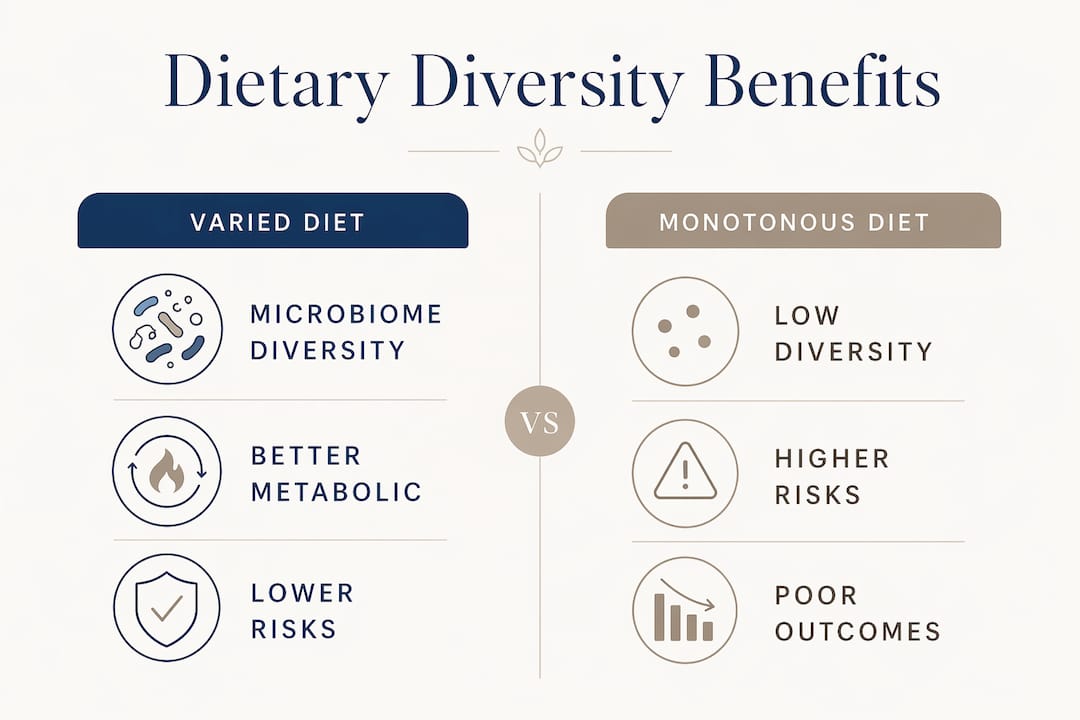
The table below shows the contrast between a varied diet and a monotonous one across key health dimensions:
| Dimension | Varied diet | Monotonous diet |
|---|---|---|
| Gut microbiome | High species diversity, strong SCFA production | Low diversity, reduced immune support |
| Cardiovascular health | Lower LDL, better blood pressure | Higher chronic disease risk |
| Nutritional coverage | Broad spectrum of vitamins, minerals, and phytonutrients | Likely gaps in micronutrients |
| Environmental impact | Supports agricultural biodiversity | Drives monoculture dependence |
| Long-term sustainability | Adaptable, seasonally flexible | Rigid, harder to maintain |
A wholefood approach to eating naturally supports dietary diversity because wholefoods are inherently more varied in their nutrient profiles than processed alternatives. A diet built on ancient grains, legumes, nuts, seeds, and fermented foods rotates nutrients by design, without requiring a spreadsheet or a supplement stack.
Key takeaways
Nutrient rotation, the deliberate variation of plant foods across your diet, is the single most effective strategy for building a diverse gut microbiome and reducing long-term chronic disease risk.
| Point | Details |
|---|---|
| Aim for 30 plant types weekly | This flexible target drives microbiome diversity and SCFA production more effectively than hitting a single fibre gram count. |
| Herbs, spices, and nuts count | Small additions like cumin, walnuts, and flaxseed each feed distinct bacterial strains without large meal changes. |
| Introduce variety gradually | Sudden fibre diversity increases cause digestive discomfort; add one new plant food per week for sustainable change. |
| Diversity outperforms nutrient counting | Diet quality scores measuring variety correlate more strongly with health outcomes than single-nutrient targets. |
| Cost is not a barrier | Lentils, fermented foods, and seasonal produce deliver excellent nutritional variety at low cost. |
Nutrient rotation: a practice worth taking seriously
I have spoken with a lot of health-conscious people who eat well by conventional measures. They hit their protein targets, they take their omega-3s, they avoid ultra-processed food. But when I ask them to list every plant food they ate last week, the list rarely exceeds twelve items. That gap between “eating healthily” and “eating diversely” is where most people’s nutrition actually falls short.
The misconception I see most often is that dietary variety is a luxury, something you pursue once the basics are covered. The research says the opposite. Variety is the basic. A narrow diet, even a clean one, feeds only a fraction of the bacterial community your gut needs to function well. The rest starve quietly, and the effects show up years later as inflammation, poor immunity, or metabolic dysfunction.
What I find encouraging is how low the barrier to entry actually is. You do not need a nutritionist or an expensive meal plan. You need to stop buying the same seven things every week. Add a new legume, swap your usual grain, throw a different herb into your cooking. The 30-plants-a-week target sounds daunting until you realise that a mixed spice blend counts as multiple plants. That changes everything.
The goal is not perfection. It is consistent, enjoyable variety that you can sustain for years. That is what actually moves the needle on long-term health.
— Jarrod
Granavitalis and your nutrient rotation goals
Putting dietary diversity into practice is easier when the foods you reach for are already built for variety.

Granavitalis sources premium nuts, seeds, and nut butters that make rotating your nutrient intake genuinely straightforward. The organic nut and seed butter selection box gives you multiple distinct nut and seed profiles in one order, each delivering a different fatty acid and prebiotic fibre combination. For a single-origin option, the raw organic pecan butter adds a nutrient profile most people have never included in their weekly rotation. Every product is minimally processed and transparently sourced, so what you add to your plate is exactly what it says it is.
FAQ
What is nutrient rotation in simple terms?
Nutrient rotation is the practice of deliberately varying the foods you eat to supply your body with a broad range of nutrients, fibres, and plant compounds. It is also called dietary diversity in nutrition science.
How many plant foods should I eat per week?
Aiming for 30 unique plant types per week is a widely cited target linked to better gut microbiome diversity. Herbs, spices, nuts, and seeds all count toward the total.
Can nutrient rotation cause digestive problems?
Increasing fibre diversity too quickly can cause bloating or constipation. Gradual introduction of new plant foods, adding one or two per week, prevents discomfort and supports sustainable change.
Is dietary variety more important than hitting nutrient targets?
Higher Diet Quality Scores measuring dietary variety correlate with lower cardiovascular risk and better metabolic health, suggesting that variety is a stronger predictor of health outcomes than hitting individual nutrient targets alone.
Do I need to spend more money to rotate my nutrients?
No. Legumes, seasonal vegetables, and fermented foods are among the most affordable foods available and collectively deliver significant dietary diversity without increasing your weekly food budget.