
What Is Gluten in Grains? 1% UK Impact & Nutrient Guide
Many people avoid gluten believing it harms everyone, yet only about 1% of the UK population has coeliac disease requiring strict gluten avoidance. Ancient grains vary widely in gluten content, creating confusion for health-conscious individuals seeking wholesome, nutrient-dense diets. This guide clarifies gluten’s composition, health impacts, which ancient grains contain or lack gluten, and practical label reading to support informed dietary choices rooted in evidence rather than myths.
Table of Contents
- Understanding Gluten: Composition And Role In Grains
- Ancient Grains And Gluten Content: What To Know
- Health Impact Of Gluten: Coeliac Disease And Sensitivities
- Safe Gluten-Free Ancient Grains: Nutritional Benefits
- Practical Guidance: Reading Labels And Avoiding Contamination
- Common Misconceptions About Gluten
- Bridging Understanding To Practical Use: Choosing Ancient Grains Wisely
- Discover Nutritious Ancient Grains At Granavitalis
- Frequently Asked Questions
Key Takeaways
| Point | Details |
|---|---|
| Coeliac disease prevalence | Only around 1% of UK people have coeliac disease triggered by gluten ingestion. |
| Ancient grains and gluten | Spelt, kamut, einkorn, and emmer contain gluten similar to modern wheat, making them unsafe for coeliac sufferers. |
| Gluten-free ancient grains | Quinoa, millet, teff, buckwheat, and amaranth provide nutrient-rich, naturally gluten-free alternatives. |
| Label vigilance | UK labelling laws require gluten ingredients to be listed explicitly; gluten-free products must contain less than 20 ppm gluten. |
| Gluten safety | Gluten is harmless for most people; avoidance is essential only for those with diagnosed coeliac disease, wheat allergy, or gluten sensitivity. |
Understanding Gluten: Composition and Role in Grains
Gluten is a composite protein found primarily in wheat, barley, and rye. It consists of two main protein groups: gliadin and glutenin. When flour mixes with water, these proteins bind together, forming an elastic network that gives dough its characteristic stretch and shape retention. This elasticity is essential for baking bread, pastries, and many traditional baked goods, allowing dough to rise and hold structure during cooking.
Gluten proteins comprise roughly 75-80% of total grain protein in wheat varieties. This high concentration explains why gluten-containing grains remain dietary staples worldwide, providing substantial protein alongside carbohydrates. Understanding this functional role clarifies why gluten persists in traditional foods but also why it can trigger immune responses in susceptible individuals.
Key gluten-related terms include:
- Gliadin: The protein fraction responsible for dough extensibility and many immune reactions in coeliac disease.
- Glutenin: The protein fraction providing dough strength and elasticity.
- Elasticity: The ability of dough to stretch without breaking, critical for bread texture.
- Dough structure: The three-dimensional protein network trapping gas bubbles during fermentation, enabling rise.
For those exploring gluten protein composition and grain sources, recognizing these proteins helps identify which grains suit individual health needs. Gluten’s functional importance in baking contrasts sharply with its health implications for the small percentage of people requiring strict avoidance. The Coeliac UK gluten definition provides authoritative details on protein composition and health relevance.
Pro Tip: When experimenting with ancient grains, understanding gluten’s role helps you predict baking outcomes and choose suitable flours for specific recipes.
Ancient Grains and Gluten Content: What to Know
Ancient grains encompass wheat varieties unchanged for thousands of years alongside naturally gluten-free grains predating modern agriculture. Not all ancient grains are gluten-free, a common misconception that confuses many health-conscious consumers.
Ancient grains containing gluten:
- Spelt: An ancient wheat species with gluten similar to modern wheat.
- Kamut (Khorasan wheat): Contains gluten proteins comparable to common wheat.
- Einkorn: The earliest cultivated wheat, still containing gluten.
- Emmer (farro): Another ancient wheat variety with gluten content.
Ancient wheat varieties like spelt, kamut, einkorn, and emmer contain gluten similar to modern wheat, making them unsafe for coeliac disease sufferers despite their heritage status. These grains offer nutritional benefits for those without gluten sensitivity but must be avoided by anyone requiring a gluten-free diet.
Naturally gluten-free ancient grains:
- Quinoa: A complete protein seed with all nine essential amino acids.
- Millet: A mild-flavoured grain rich in magnesium and B vitamins.
- Teff: A tiny grain packed with iron and calcium.
- Buckwheat: Despite its name, a gluten-free seed unrelated to wheat.
- Amaranth: A protein-rich pseudocereal with exceptional lysine content.
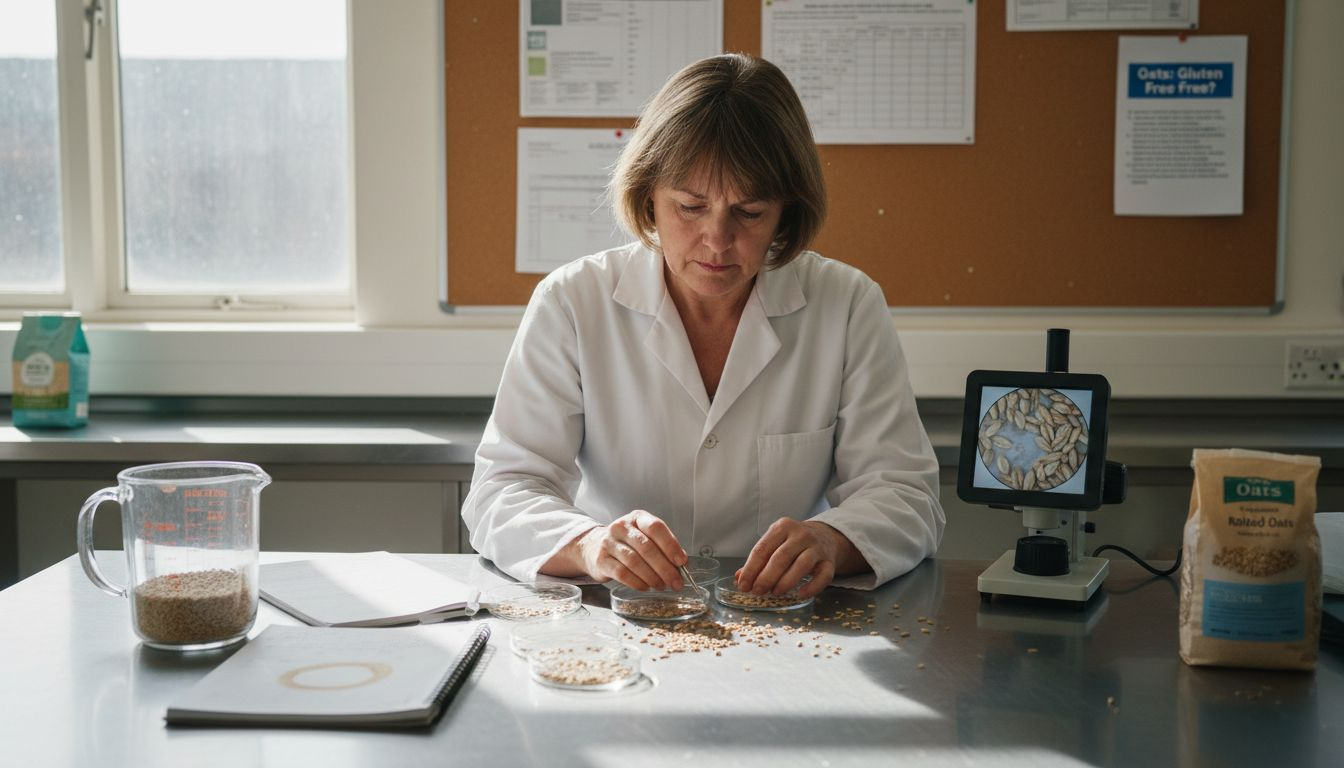
Oats present a unique case. Oats naturally lack gluten but may cause reactions due to contamination or avenin protein. Avenin, oat’s storage protein, triggers reactions in some coeliac patients. Certified gluten-free oats are safe for most gluten-sensitive individuals, processed in dedicated facilities to prevent cross-contamination.
| Grain | Gluten Content | Safe for Coeliac Diet? |
|---|---|---|
| Spelt | High (similar to wheat) | No |
| Kamut | High (similar to wheat) | No |
| Einkorn | High (ancient wheat) | No |
| Quinoa | None (pseudocereal) | Yes |
| Millet | None | Yes |
| Teff | None | Yes |
| Buckwheat | None (pseudocereal) | Yes |
| Certified Oats | Trace (avenin only) | Yes for most |
For detailed gluten content in ancient grains, reviewing certified sources ensures safe choices. Understanding gluten realities in ancient grains empowers you to select grains matching your health status. The Coeliac UK grain gluten list offers comprehensive guidance on grain safety.
Pro Tip: Always choose certified gluten-free grains if you have coeliac disease or gluten sensitivity to avoid cross-contamination during milling and processing.
Health Impact of Gluten: Coeliac Disease and Sensitivities
Gluten-related health conditions affect a minority of the UK population, yet understanding these conditions is crucial for those impacted.
Coeliac disease is an autoimmune condition where gluten ingestion triggers the immune system to attack the small intestine’s villi, finger-like projections responsible for nutrient absorption. This damage leads to malabsorption of vitamins, minerals, and other nutrients, causing wide-ranging health problems. Coeliac disease affects about 1 in 100 people in the UK, though many remain undiagnosed. Symptoms range from digestive upset and bloating to fatigue, anaemia, and bone density loss.
Gluten-related conditions:
- Coeliac disease: Autoimmune reaction causing intestinal damage; requires lifelong gluten avoidance.
- Wheat allergy: Immediate IgE-mediated allergic reaction to wheat proteins, distinct from coeliac disease.
- Non-coeliac gluten sensitivity: Affects an estimated 0.5-6% globally, causing symptoms similar to coeliac disease without autoimmune intestinal damage.
Coeliac disease is a serious autoimmune condition where the immune system attacks its own tissues when gluten is eaten, affecting approximately 1% of the UK population.
Symptoms vary significantly between individuals. Digestive complaints like diarrhoea, constipation, and abdominal pain are common. Systemic effects include fatigue, headaches, joint pain, and skin rashes. In children, growth delays and developmental issues may occur. Because symptoms overlap with other conditions, medical diagnosis through blood tests and intestinal biopsy is essential before eliminating gluten.
For the remaining 99% of the UK population without these conditions, gluten poses no health risk. The BDA coeliac disease facts clarify that gluten avoidance provides no health benefits for those without diagnosed sensitivity. The NHS coeliac disease overview offers detailed symptom and diagnostic information. Understanding gluten sensitivity and coeliac disease facts helps you assess whether gluten avoidance is medically necessary.
Safe Gluten-Free Ancient Grains: Nutritional Benefits
Gluten-free ancient grains deliver exceptional nutrition for those requiring gluten avoidance, offering diverse flavours and textures alongside health benefits.
Key nutritional advantages:
- High fibre content: Supports digestive health and blood sugar regulation.
- Complete or complementary proteins: Quinoa provides all nine essential amino acids; others pair well with legumes.
- B-group vitamins: Essential for energy metabolism and nervous system function.
- Essential minerals: Iron, magnesium, zinc, and calcium support bone health, oxygen transport, and immune function.
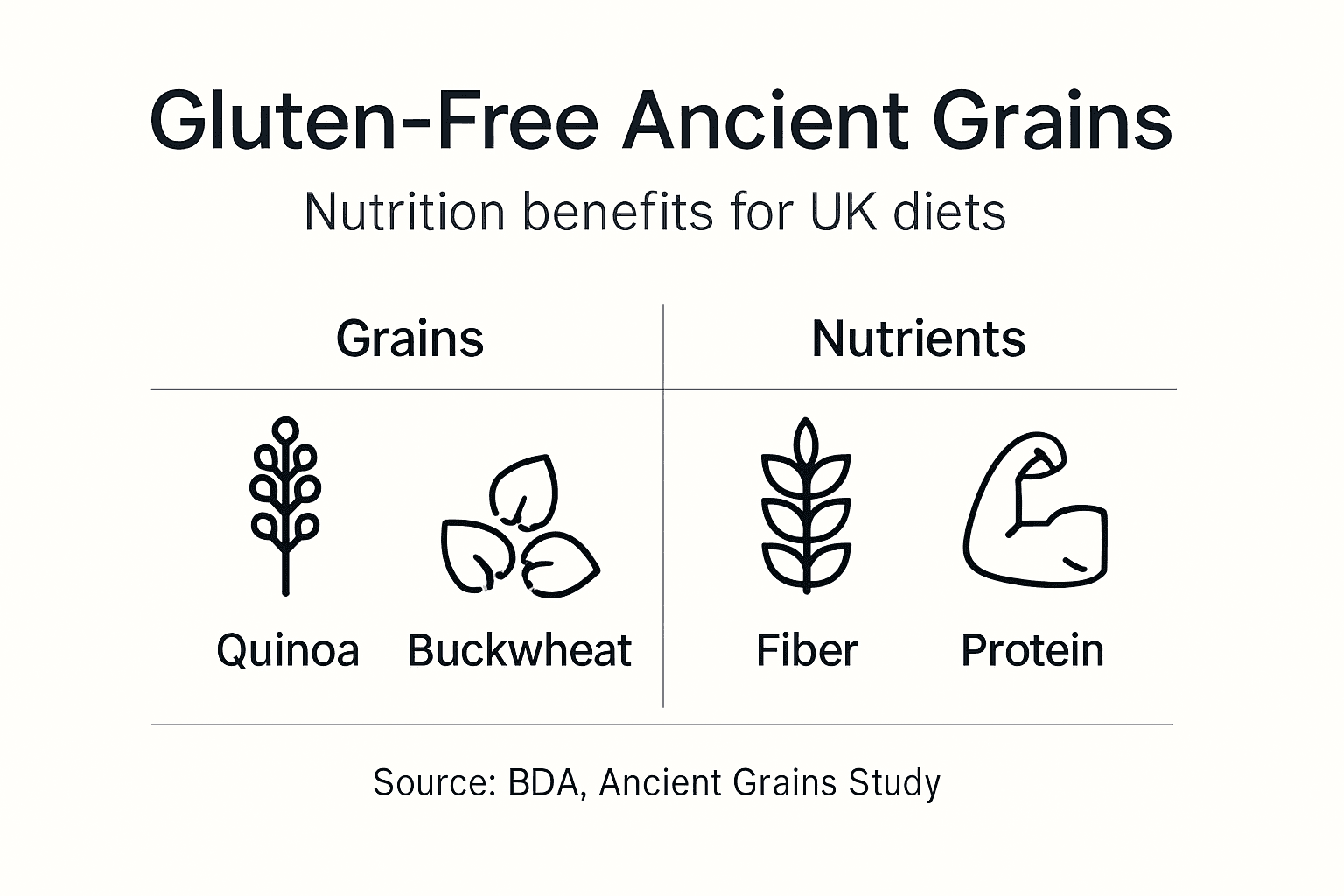
Gluten-free ancient grains like quinoa, millet, teff, buckwheat, and amaranth provide excellent fiber, protein, B vitamins, and minerals compared to refined wheat. These grains suit coeliac and gluten-sensitive individuals while delivering nutrient density that supports energy, recovery, and dietary balance.
| Grain (100g) | Protein (g) | Fibre (g) | Key Nutrients |
|---|---|---|---|
| Quinoa | 14 | 7 | Complete protein, iron, magnesium |
| Millet | 11 | 8.5 | Magnesium, phosphorus, B vitamins |
| Teff | 13 | 8 | Iron, calcium, vitamin C |
| Buckwheat | 13 | 10 | Manganese, magnesium, flavonoids |
| Amaranth | 14 | 7 | Lysine, calcium, iron |
| Wheat flour | 10 | 2.7 | Lower fibre, fewer micronutrients |
These grains excel in traditional and modern recipes, from porridge and salads to baking and side dishes. Their naturally gluten-free status eliminates worry for those with coeliac disease when sourced from certified suppliers. Exploring nutritional benefits of gluten-free ancient grains and choosing gluten-free ancient grains supports informed dietary planning. The Coeliac UK nutrient guide provides detailed nutritional comparisons.
Pro Tip: Always check for cross-contamination risks and buy certified gluten-free products to ensure safety, even with naturally gluten-free grains.
Practical Guidance: Reading Labels and Avoiding Contamination
Navigating UK food labels confidently protects against accidental gluten exposure, essential for maintaining a safe gluten-free diet.
UK labelling laws require gluten-containing ingredients to be explicitly listed, and gluten-free products must contain less than 20 parts per million (ppm) gluten. This legal threshold ensures safety for most coeliac patients while acknowledging trace contamination challenges in food production.
Key label terms indicating gluten:
- Wheat (all varieties including spelt, kamut, einkorn, emmer)
- Barley and malt (malt extract, malt flavouring, malt vinegar)
- Rye
- Triticale (wheat-rye hybrid)
Always check the allergy advice section on packaged foods, typically highlighted in bold within the ingredient list. If ingredients seem unclear, contact the manufacturer directly for confirmation.
Cross-contamination can occur during milling and processing, making strict label vigilance essential. Facilities handling both gluten-containing and gluten-free grains risk transferring gluten traces through shared equipment. Certified gluten-free products undergo rigorous testing and facility controls to meet the 20 ppm threshold.
Contamination risk scenarios:
- Shared milling equipment processing wheat and gluten-free grains
- Bulk bins in shops where gluten-free and gluten-containing grains mix
- Manufacturing lines producing both regular and gluten-free products
- Kitchen utensils and surfaces used for gluten and gluten-free food preparation
For gluten-free label reading tips, prioritize products with clear certification marks from recognized bodies like Coeliac UK’s Crossed Grain symbol. The Coeliac UK labeling guidance and Coeliac UK food label advice offer detailed information on safe product selection.
Pro Tip: Always opt for certified gluten-free products when available to minimize accidental gluten intake from cross-contamination.
Common Misconceptions About Gluten
Myths surrounding gluten create unnecessary dietary restrictions and confusion. Clarifying these misconceptions supports evidence-based food choices.
Major gluten myths:
- Myth 1: Gluten is harmful to everyone. Fact: Research shows gluten harms only people with specific conditions, not the general population. About 99% of UK residents tolerate gluten without health consequences.
- Myth 2: All ancient grains are gluten-free. Fact: Ancient wheat varieties like spelt, kamut, einkorn, and emmer contain gluten similar to modern wheat, making them unsafe for coeliac sufferers.
- Myth 3: Gluten-free diets are healthier for everyone. Fact: Gluten-free products often contain less fibre, fewer B vitamins, and more added sugars or fats to compensate for texture and taste. Unnecessary gluten avoidance can reduce dietary quality.
There is no evidence that following a gluten-free diet has any significant benefits for the general population. For people without coeliac disease, unnecessarily avoiding gluten may lead to nutritional imbalances.
These misunderstandings drive people to eliminate gluten without medical cause, potentially reducing intake of whole grains that support heart health, digestive function, and nutrient balance. Gluten-free processed foods frequently cost more and deliver inferior nutrition compared to whole grain alternatives for those who tolerate gluten.
Understanding gluten misconceptions explained helps you make informed decisions based on your health status rather than dietary trends. The BDA gluten misconceptions resource provides evidence-based guidance on when gluten avoidance truly matters.
Bridging Understanding to Practical Use: Choosing Ancient Grains Wisely
Integrating gluten knowledge into daily dietary planning ensures you enjoy ancient grains safely while maximizing nutritional benefits.
Practical decision steps:
- Identify your gluten sensitivity status: Seek medical diagnosis if you suspect coeliac disease, wheat allergy, or gluten sensitivity through blood tests and specialist consultation.
- Choose appropriate ancient grains: Select naturally gluten-free grains like quinoa, millet, teff, buckwheat, and amaranth if gluten avoidance is necessary; otherwise, explore gluten-containing heritage grains like spelt or einkorn for variety.
- Combine grains for nutrient variety: Rotate different ancient grains weekly to access diverse nutrient profiles, from quinoa’s complete protein to teff’s exceptional iron content.
- Prioritize certified gluten-free products: When gluten avoidance is essential, buy products with recognized certification marks to minimize contamination risk.
- Consult healthcare professionals: Work with registered dietitians or nutritionists for personalized advice, especially when managing diagnosed conditions or planning major dietary changes.
Embracing diversity in ancient grains enriches your diet with traditional flavours, varied textures, and concentrated nutrition. For guidance on choosing ancient grains wisely and ancient grain dietary guidance, explore resources that connect heritage foods with modern nutritional science.
Pro Tip: Embrace diversity in ancient grains for nutrition and enjoyment while managing gluten safely according to your individual health needs.
Discover Nutritious Ancient Grains at Granavitalis
Granavitalis curates authentic, high-quality ancient grains and flours to support your nutrient-dense, gluten-conscious diet. Whether you require certified gluten-free options or seek to explore gluten-containing heritage grains, our selection connects you with foods rooted in tradition and fueled for modern wellness.

Our blog offers well-researched resources deepening your knowledge about ancient flour varieties UK nutrition, key ancient grain flours for nutrition, and a comprehensive ancient grain guide for UK consumers. Explore our products to leverage expert advice and quality ingredients for wholesome diets that honour heritage while supporting your health goals.
Frequently Asked Questions
What are the main proteins that compose gluten in grains?
Gluten comprises two primary protein groups: gliadin and glutenin. Gliadin provides dough extensibility and triggers immune reactions in coeliac disease, while glutenin contributes strength and elasticity essential for bread structure.
Which ancient grains are safe for someone with coeliac disease?
Naturally gluten-free ancient grains safe for coeliac sufferers include quinoa, millet, teff, buckwheat, and amaranth. Always choose certified gluten-free products to avoid cross-contamination during processing.
How can I ensure gluten-free grains are not cross-contaminated?
Buy products with certified gluten-free labels from recognized certification bodies like Coeliac UK. Check manufacturing details, avoid bulk bins where grains mix, and contact manufacturers when label information is unclear.
Does eating gluten-free improve health if I’m not sensitive?
No. Research shows gluten-free diets offer no health benefits for people without coeliac disease, wheat allergy, or gluten sensitivity. Unnecessary avoidance may reduce fibre and nutrient intake from whole grains.
Can oats be eaten safely on a gluten-free diet?
Certified gluten-free oats are safe for most people with coeliac disease. Oats naturally lack gluten but may be contaminated during farming or processing. A small percentage of coeliac patients react to avenin, oat’s storage protein, so monitor individual tolerance.