
What Are the Grains That Contain Gluten? 7% UK Impact
Think all grains contain gluten? This widespread myth confuses countless people managing their diets. Only specific grains like wheat, barley, and rye contain gluten, while rice, corn, and quinoa remain naturally gluten free. Understanding this difference empowers you to make confident food choices without unnecessary restrictions. This guide reveals exactly which grains contain gluten and why it matters for your health.
Table of Contents
- Understanding Gluten and Its Source Grains
- Why Only Some Grains Contain Gluten
- Common Misconceptions About Gluten Containing Grains
- Comparison of Gluten Containing vs Gluten Free Grains
- Health Implications of Consuming Gluten Containing Grains
- Practical Guidance for Identifying Gluten Containing Grains
- Explore Ancient Grains and Gluten: Discover Healthy Choices
- Frequently Asked Questions About Gluten Containing Grains
Key Takeaways
| Point | Details |
|---|---|
| Only certain grains contain gluten | Wheat, barley, rye, and their ancient relatives contain gluten proteins; most other grains are naturally gluten free. |
| Oat contamination is common | Oats contain no gluten naturally but cross contact during processing affects most commercial products. |
| UK gluten disorders affect 7% | About 1% have celiac disease and 6% experience non celiac gluten sensitivity. |
| Label reading is essential | UK regulations require clear gluten source labeling on all packaged foods. |
| Botanical classification determines gluten | Only Triticeae tribe members produce the specific proteins that form gluten. |
Understanding Gluten and Its Source Grains
Gluten is a natural composite of storage proteins found mainly in wheat, barley, and rye, responsible for the elasticity of dough. These proteins, specifically gliadin and glutenin, give bread its chewy texture and allow pizza dough to stretch without tearing. When you knead wheat flour with water, these proteins link together to form the elastic network we recognize as gluten.
Ancient wheat varieties share the same protein structure. Spelt, kamut, einkorn, and emmer all contain gluten despite their heritage status because they remain members of the wheat family. Many people assume ancient grains offer gluten free alternatives, but gluten containing grains explained research shows these varieties retain the protein composition that defines wheat.
Oats present a unique case worth understanding. The grain itself produces avenin, not gluten, making oats naturally safe for many sensitive individuals. However, farming, transport, and processing equipment shared with wheat creates widespread contamination. Most commercial oats contain enough gluten traces to trigger reactions in sensitive people.
The protein basis of gluten helps you identify sources beyond simple grain names:
- Wheat proteins: gliadin and glutenin combine to create gluten’s elastic properties
- Barley proteins: hordeins contribute similar but distinct gluten forming compounds
- Rye proteins: secalins create gluten networks with slightly different characteristics
- Ancient wheat proteins: identical or nearly identical to modern wheat gluten
- Oat proteins: avenin is chemically different but contamination remains the primary concern
Understanding what is gluten at the molecular level transforms how you approach grain selection. You can now evaluate any grain product by asking whether it comes from wheat, barley, rye, or their close relatives, rather than guessing based on appearance or health claims.
Why Only Some Grains Contain Gluten
Botanical classification explains everything about gluten distribution in grains. Only members of the Triticeae tribe produce the specific combination of gliadin and glutenin proteins that form gluten. This tribe includes wheat, barley, and rye, along with their wild ancestors and cultivated descendants.
These proteins evolved as seed storage compounds. When the grain germinates, enzymes break down gluten proteins to feed the developing seedling. The same properties that support seed survival create the baking characteristics we value in wheat flour. Gluten proteins can absorb water up to twice their weight, then form strong yet flexible networks when mixed and kneaded.
Rice, corn, millet, sorghum, and quinoa belong to completely different botanical families. These grains containing gluten in UK databases never appear because they produce entirely different storage proteins. Rice produces oryzenin, corn makes zein, and quinoa creates chenopodin. None of these proteins form gluten networks.
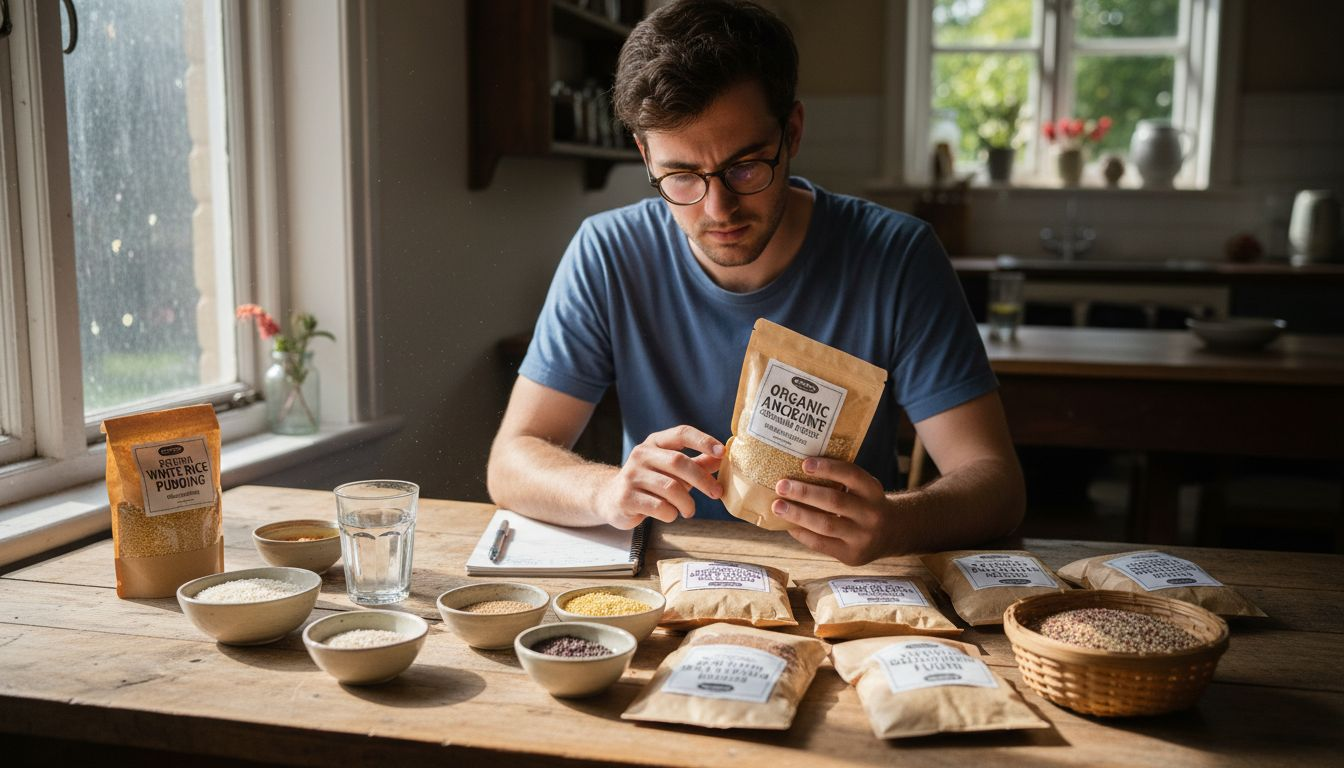
This biochemical distinction governs dietary gluten sources worldwide. No amount of processing or preparation can add gluten to rice or remove it from wheat. The protein composition is fixed by the plant’s genetic code. Understanding this helps you recognize that gluten presence is not about processing, refinement, or modern agriculture but about fundamental plant biology.
Knowing botanical relationships simplifies shopping decisions:
- Identify the grain family first, not the product type
- Remember Triticeae tribe equals gluten presence
- Check for wheat, barley, or rye in any form
- Verify cross contamination risk for naturally gluten free grains
- Trust certified gluten free labels for processed products
Pro tip: When evaluating unfamiliar grains, search their botanical classification. If they belong to the grass family Poaceae but not the Triticeae tribe, they are naturally gluten free. This method works for any grain you encounter, anywhere in the world.
The botanical basis of gluten remains constant across all wheat varieties. Whether you encounter heritage einkorn or modern bread wheat, the Triticeae membership guarantees gluten presence. This knowledge cuts through marketing claims and helps you focus on facts.
Common Misconceptions About Gluten Containing Grains
The assumption that ancient or heritage grains avoid gluten problems misleads many health conscious shoppers. Spelt, kamut, einkorn, and emmer are ancient wheat species that retain full gluten content. Their protein structures closely match modern wheat, triggering identical reactions in sensitive individuals. The “ancient” designation refers to cultivation history, not gluten status.
Oats generate perhaps the most confusion in gluten discussions. The grain produces avenin proteins instead of gliadin and glutenin, making pure oats technically gluten free. However, shared farming equipment, storage facilities, and processing lines contaminate most commercial oats with wheat, barley, or rye. Studies show contamination levels often exceed safe thresholds for celiac patients.
Some people believe healthy or wholegrain products avoid gluten. Grain refinement affects fiber and nutrient content but cannot alter protein composition. Wholegrain wheat contains more gluten than white flour because the protein concentrates in certain seed parts. Health benefits and gluten presence are completely independent characteristics.
Correct understanding requires distinguishing facts from assumptions:
- Rice, corn, quinoa, millet, and sorghum never contain gluten
- All wheat varieties from any era contain gluten proteins
- Oat safety depends entirely on certified gluten free processing
- Ancient grain labels do not indicate gluten free status
- Grain refinement level does not affect gluten presence
Pro tip: Always verify gluten misconceptions corrected information before trying “alternative” wheat products. Check ingredient lists for wheat, barley, or rye, regardless of health claims or heritage marketing. For oats, look specifically for gluten free certification, not just “pure” or “natural” labels.
The persistent myth that gluten appears in all grains creates unnecessary dietary restrictions. Many people avoid nutritious gluten free grains like rice and quinoa because they cannot distinguish safe from unsafe options. Clear knowledge about which specific grains contain gluten opens up diverse, healthy food choices without compromising safety.
Comparison of Gluten Containing vs Gluten Free Grains
Structured comparison clarifies grain categories and helps you make informed choices quickly. The table below shows common grains in each category, with notes on their historical use and current availability in UK markets.
| Gluten Containing Grains | Gluten Free Grains | Ancient Gluten Grains | Ancient Gluten Free Grains |
|---|---|---|---|
| Wheat (all varieties) | Rice (all types) | Einkorn | Millet |
| Barley | Corn/Maize | Emmer | Sorghum |
| Rye | Quinoa | Spelt | Teff |
| Triticale | Buckwheat | Kamut | Amaranth |
| Wheat derivatives | Millet | Farro | - |
Wheat derivatives deserve special attention because they appear under many names. Semolina, durum, bulgur, couscous, and farina all come from wheat and contain full gluten levels. Seitan, a popular meat alternative, is pure wheat gluten. These products often confuse people because the wheat origin is not immediately obvious from the name.
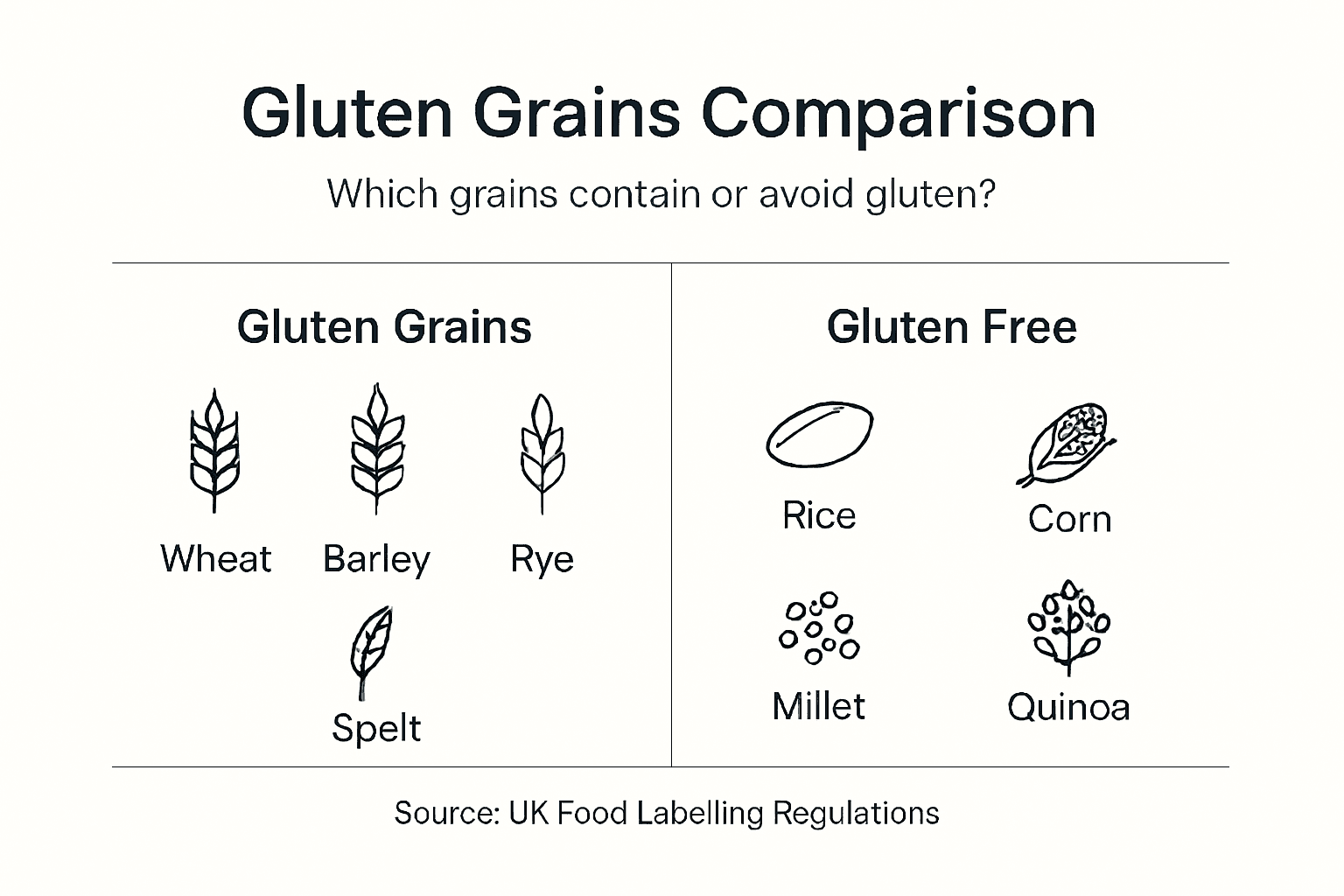
Ancient grains split evenly between gluten containing and gluten free options. Choosing gluten free grains requires checking each grain individually rather than assuming heritage status indicates safety. Millet and sorghum have fed humans for thousands of years and remain completely gluten free. Einkorn and emmer have equally long histories but retain full gluten content.
Key distinctions for practical use:
- Modern wheat breeding did not create gluten; all wheat varieties naturally contain it
- Corn and rice dominate gluten free grain consumption worldwide
- Triticale is a wheat rye hybrid, combining gluten sources from both parents
- Buckwheat is gluten free despite the misleading name; it is not related to wheat
- Quinoa and amaranth are actually seeds, not true grains, but are grouped with gluten free grains for culinary purposes
Cross contamination affects naturally gluten free grains during commercial processing. Facilities that handle wheat often process rice, corn, or oats on the same equipment. For people with celiac disease, even trace contamination triggers immune responses. Certified gluten free products undergo testing to verify contamination stays below 20 parts per million, the threshold considered safe.
Understanding these categories helps you navigate grocery aisles with confidence. When you see an unfamiliar grain product, check whether it derives from wheat, barley, or rye. If not, verify whether the manufacturer certifies it gluten free to ensure processing prevented cross contamination.
Health Implications of Consuming Gluten Containing Grains
About 1% of the UK population has celiac disease and 6% report non celiac gluten sensitivity. Celiac disease is an autoimmune condition where gluten triggers the immune system to attack the small intestine. Repeated exposure causes severe damage to intestinal villi, leading to malnutrition, anemia, osteoporosis, and increased cancer risk.
Non celiac gluten sensitivity produces digestive symptoms, fatigue, headaches, and brain fog without the intestinal damage seen in celiac disease. Blood tests and biopsies show no autoimmune activity, yet symptoms resolve on gluten free diets. The mechanism remains under research, but the condition significantly affects quality of life for millions of UK residents.
Wheat allergy represents a third distinct condition. The immune system creates IgE antibodies against wheat proteins, causing rapid allergic reactions ranging from hives to anaphylaxis. People with wheat allergy must avoid wheat specifically but can usually tolerate barley and rye. This differs from celiac disease, which requires avoiding all gluten sources.
“Gluten containing grains pose no health risk to the majority of people. However, for those with diagnosed gluten related disorders, strict avoidance is not optional but medically necessary to prevent serious long term health complications.”
The gluten and health impact in ancient grains remains identical to modern wheat for sensitive individuals. Despite marketing suggestions that ancient wheats are more digestible, research shows they trigger the same immune responses. People with celiac disease react to einkorn, spelt, and kamut exactly as they react to conventional wheat.
For the 93% of UK residents without gluten related disorders, gluten containing grains provide valuable nutrition. Whole wheat offers fiber, B vitamins, iron, and magnesium. Barley provides beta glucans that support heart health. Rye delivers resistant starch that feeds beneficial gut bacteria. Avoiding these grains without medical reason eliminates nutrient dense foods from your diet unnecessarily.
Recognizing symptoms that warrant gluten evaluation helps people seek appropriate medical testing:
- Persistent digestive discomfort after meals containing bread, pasta, or baked goods
- Unexplained iron deficiency anemia that does not respond to supplementation
- Chronic fatigue accompanied by digestive symptoms
- Skin rashes, particularly dermatitis herpetiformis
- Unintentional weight loss with increased or normal appetite
UK gluten related health statistics show many people remain undiagnosed for years. Average time from symptom onset to diagnosis ranges from six to ten years. During this period, continued gluten exposure causes progressive intestinal damage. If you suspect gluten affects your health, consult your GP for proper testing before eliminating gluten from your diet, as testing requires active gluten consumption to produce accurate results.
Practical Guidance for Identifying Gluten Containing Grains
UK food labeling regulations require manufacturers to highlight gluten containing cereals in ingredient lists. Wheat, barley, rye, and oats must appear in bold or contrasting text, making them easy to spot. This legal requirement applies to all packaged foods sold in the UK, whether produced domestically or imported.
Gluten free certification marks provide additional assurance. The Crossed Grain symbol, an international standard, indicates products tested below 20 parts per million gluten. Many UK manufacturers also display Coeliac UK’s certification. These marks confirm both ingredient selection and manufacturing processes prevent cross contamination.
Effective label reading follows a systematic approach:
- Check the allergen statement first for bold highlighted gluten sources
- Scan ingredient lists for wheat, barley, rye, or oats without gluten free certification
- Look for hidden sources like malt (from barley), bulgur, or semolina (from wheat)
- Verify gluten free claims with certification marks, not just manufacturer statements
- Contact manufacturers directly if ingredients are unclear or ambiguous
- Remember that “wheat free” does not mean gluten free; barley and rye may still be present
Oat products require special scrutiny. Unless labeled gluten free with certification, assume contamination. Even products labeled “pure oats” or “100% oats” typically contain wheat traces from shared equipment. For people managing celiac disease or severe sensitivity, only certified gluten free oats provide safety.
Restaurant dining presents additional challenges because UK law does not require the same labeling standards for unpackaged food. Ask detailed questions about ingredients and preparation methods. Cross contamination occurs when gluten free food contacts surfaces, utensils, or cooking oil previously used for gluten containing items. Many restaurants now offer gluten free menus, but verification remains important.
Processed foods hide gluten in unexpected places:
- Soy sauce and teriyaki sauce typically contain wheat
- Malt vinegar and malt flavorings derive from barley
- Many soups and sauces use wheat flour as thickener
- Beer and ale are made from barley unless specifically gluten free
- Some medications and supplements use wheat starch as filler
Developing practical gluten identification tips skills takes practice but becomes automatic with experience. Start by focusing on obvious sources: bread, pasta, cereals, and baked goods. Then expand awareness to processed foods where gluten appears as thickener, stabilizer, or flavor carrier. Within weeks, you will recognize gluten sources instinctively and shop efficiently without constant label scrutiny.
Explore Ancient Grains and Gluten: Discover Healthy Choices
Navigating grain choices becomes simpler with expert guidance. Granavitalis provides detailed resources exploring how ancient grains fit into modern nutrition, including clear information about gluten content. Whether you seek gluten containing heritage varieties or certified gluten free alternatives, understanding ancient grains explained helps you make choices aligned with your health goals.

Our complete guide to ancient grains covers nutritional profiles, culinary applications, and sourcing considerations for diverse grain types. Discover how traditional grains support contemporary wellness through nutrient density and minimal processing. From naturally gluten free options to properly prepared gluten containing varieties, explore how ancient grains and wellness intersect to fuel your health journey.
Frequently Asked Questions About Gluten Containing Grains
What grains must be avoided on a gluten free diet?
Wheat, barley, rye, and their derivatives must be completely avoided. This includes spelt, kamut, einkorn, farro, triticale, semolina, bulgur, and couscous. These grains all contain the protein structures that define gluten.
Are oats safe for people with gluten sensitivity?
Oats are naturally gluten free but almost always contaminated during farming and processing. Only oats specifically certified gluten free are safe for people with celiac disease or severe sensitivity. Regular oats should be avoided.
How can I tell if a grain product contains gluten in the UK?
Check for wheat, barley, rye, or oats highlighted in bold in the ingredient list. Look for gluten free certification marks like the Crossed Grain symbol. If uncertain, contact the manufacturer before consuming.
Do ancient grains always contain gluten?
No, ancient grains include both gluten containing and gluten free varieties. Einkorn, emmer, spelt, and kamut are ancient wheats that contain full gluten levels. Millet, sorghum, and teff are ancient grains that are naturally gluten free.
What percentage of UK people have gluten related disorders?
Approximately 7% of the UK population experiences gluten related health issues. About 1% have celiac disease, while 6% report non celiac gluten sensitivity. The remaining 93% can consume gluten containing grains without adverse effects.