
Gluten in Grains – What You Need to Know
Choosing the right grains can be confusing when you are exploring gluten-free options and looking to boost your nutrition naturally. Many British adults wonder whether ancient grains like spelt or Kamut are safer for gluten-sensitive diets, yet research shows these varieties still contain gluten and can cause reactions for those with coeliac disease. This article clears up common misconceptions, helping you confidently select wholegrain foods and truly gluten-free alternatives without risking your wellbeing.
Table of Contents
- Defining Gluten and Its Role in Grains
- Gluten-Containing Grains: Modern and Ancient
- Common Myths About Ancient Grains and Gluten
- Gluten-Free Grains: Safe Alternatives
- Cross-Contamination and Hidden Gluten Risks
Key Takeaways
| Point | Details |
|---|---|
| Understanding Gluten’s Role | Gluten provides elasticity and structure in grain-based foods but is harmful to individuals with coeliac disease or gluten sensitivity. |
| Variety of Grains | Many grains contain gluten, including wheat, barley, and rye, while alternatives like quinoa and buckwheat are naturally gluten-free. |
| Myths About Ancient Grains | Not all ancient grains are gluten-free or safe for those with gluten intolerance; consumers should be cautious. |
| Cross-Contamination Risks | Cross-contamination poses significant risks, requiring thorough understanding and careful selection of gluten-free products. |
Defining Gluten and Its Role in Grains
Gluten is a complex protein network that plays a critical role in grain-based foods. Found primarily in wheat, barley, and rye, gluten gives dough its distinctive elasticity and helps create the chewy texture we associate with bread and baked goods. Understanding gluten’s protein structure reveals why it acts as a binding agent in many traditional food preparations.
The protein is composed of two primary components: gliadin and glutenin. When flour is mixed with water, these proteins interact to form a sticky, stretchy substance that allows bread to rise and maintain its shape during baking. This unique molecular structure makes gluten essential in:
- Creating bread’s characteristic texture
- Providing structure in pastries and baked goods
- Helping dough retain gas bubbles during fermentation
- Enabling foods to maintain their shape and consistency
However, gluten is not universally beneficial. For individuals with coeliac disease or gluten sensitivity, consuming gluten can trigger significant health complications. Different wholegrains contain varying gluten levels, with some grains being naturally gluten-free and others containing high concentrations of the protein.
Pro tip: If you suspect gluten sensitivity, consult a nutritionist who can guide you through comprehensive dietary assessments and alternative grain options.
Gluten-Containing Grains: Modern and Ancient
The world of gluten-containing grains is diverse and complex, spanning both modern and ancient grain varieties. Gluten-containing cereals include several familiar and lesser-known grains, each with unique characteristics and nutritional profiles. The primary gluten-containing grains are wheat, barley, and rye, which form the backbone of many traditional food systems.
Modern wheat varieties encompass several subspecies that all contain gluten, including:
- Common wheat (bread wheat)
- Durum wheat
- Spelt
- Einkorn
- Emmer
- Kamut (Khorasan wheat)
These ancient grain varieties, while predating industrial agricultural practices, still contain significant amounts of gluten. Spelt and Kamut, often marketed as more digestible alternatives, still pose risks for individuals with coeliac disease or gluten sensitivity. Specific grain varieties contain varying gluten concentrations, making careful identification crucial for those managing gluten-related dietary restrictions.
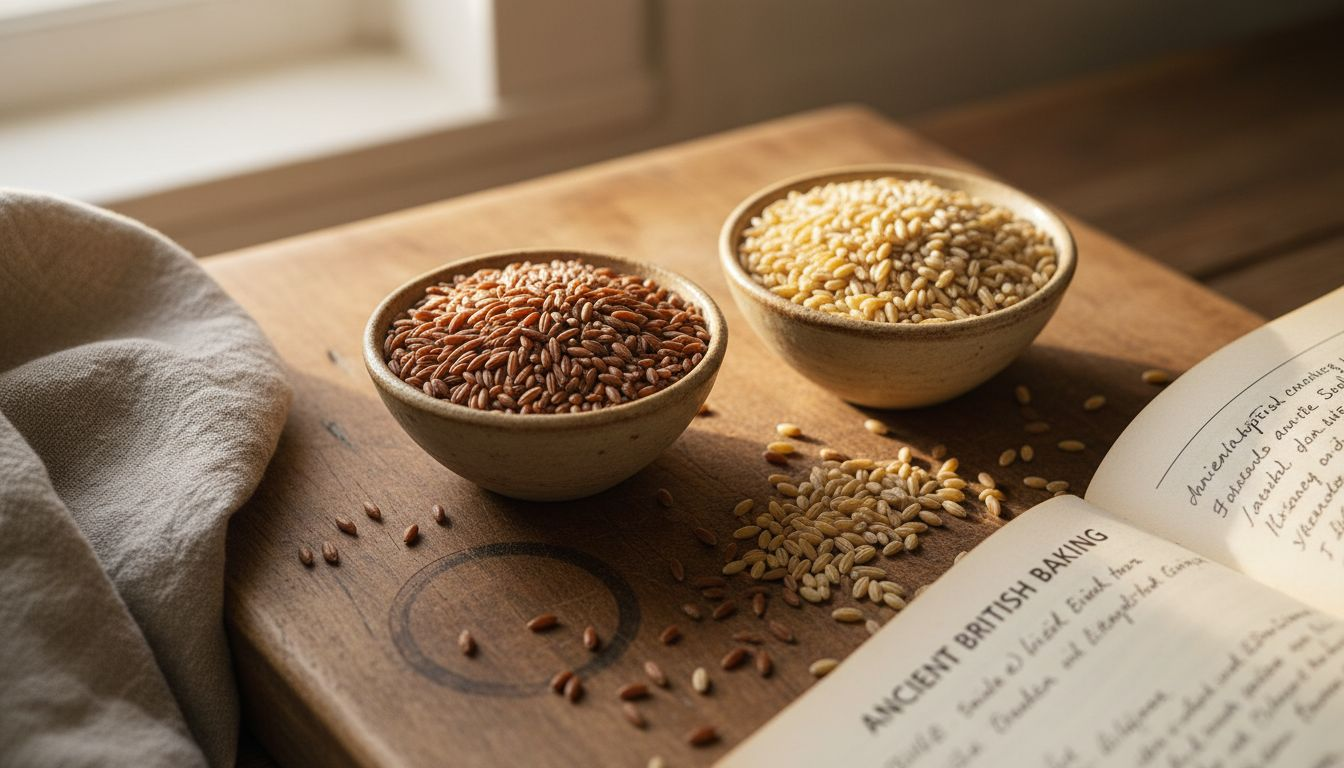
Interestingly, some grains are naturally gluten-free, providing alternatives for those seeking to avoid gluten. Buckwheat, quinoa, and millet offer nutritious options that can be safely consumed by individuals with gluten sensitivities. However, cross-contamination during processing remains a significant concern, necessitating careful selection and verification of truly gluten-free products.
Here is a comparison of gluten-containing and naturally gluten-free grains, highlighting their key features:
| Grain Type | Example Grains | Gluten Status | Notable Properties |
|---|---|---|---|
| Modern/Ancient Wheat | Bread wheat, spelt, kamut | Contains gluten | High elasticity, traditional baking |
| Rye & Barley | Rye, barley | Contains gluten | Distinctive flavour, fermentation use |
| Pseudo-cereals | Quinoa, buckwheat, amaranth | Naturally gluten-free | Rich nutrients, versatile use |
| Cereals | Rice, maize, millet | Naturally gluten-free | Easy digestion, global staple foods |
Pro tip: When exploring alternative grains, always verify processing methods and look for certified gluten-free labels to ensure dietary safety.
Common Myths About Ancient Grains and Gluten
Navigating the world of ancient grains and gluten requires careful understanding, as numerous misconceptions can lead to serious health risks. Consumer misunderstandings about ancient grain gluten persist, creating potential dietary challenges for individuals with gluten sensitivities.
Common myths about ancient grains include:
- All ancient grains are gluten-free
- Ancient grains are safer for people with gluten intolerance
- Spelt and einkorn are completely different from modern wheat
- Older grain varieties are automatically more digestible
- Traditional processing eliminates gluten entirely
Spelt and einkorn, often marketed as healthier alternatives, actually contain significant amounts of gluten. Coeliac patients must be particularly cautious about consuming these grains, as they can trigger the same inflammatory responses as modern wheat varieties.
Misconceptions about ancient grains stem from romanticised narratives about traditional agriculture and food production. While these grains may have nutritional benefits, they are not inherently safer or more digestible for individuals with gluten-related disorders. The molecular structure of gluten remains consistent across different wheat varieties, meaning that even heritage grain types can cause significant health complications for those with coeliac disease or gluten sensitivity.
Pro tip: Always consult a nutritionist or healthcare professional and read comprehensive ingredient labels before introducing any new grain into your diet.
Gluten-Free Grains: Safe Alternatives
For individuals with gluten sensitivities, navigating grain options can be challenging. Coeliac patients have multiple safe grain alternatives that provide essential nutrition without triggering inflammatory responses. These naturally gluten-free grains offer diverse culinary possibilities and nutritional benefits.
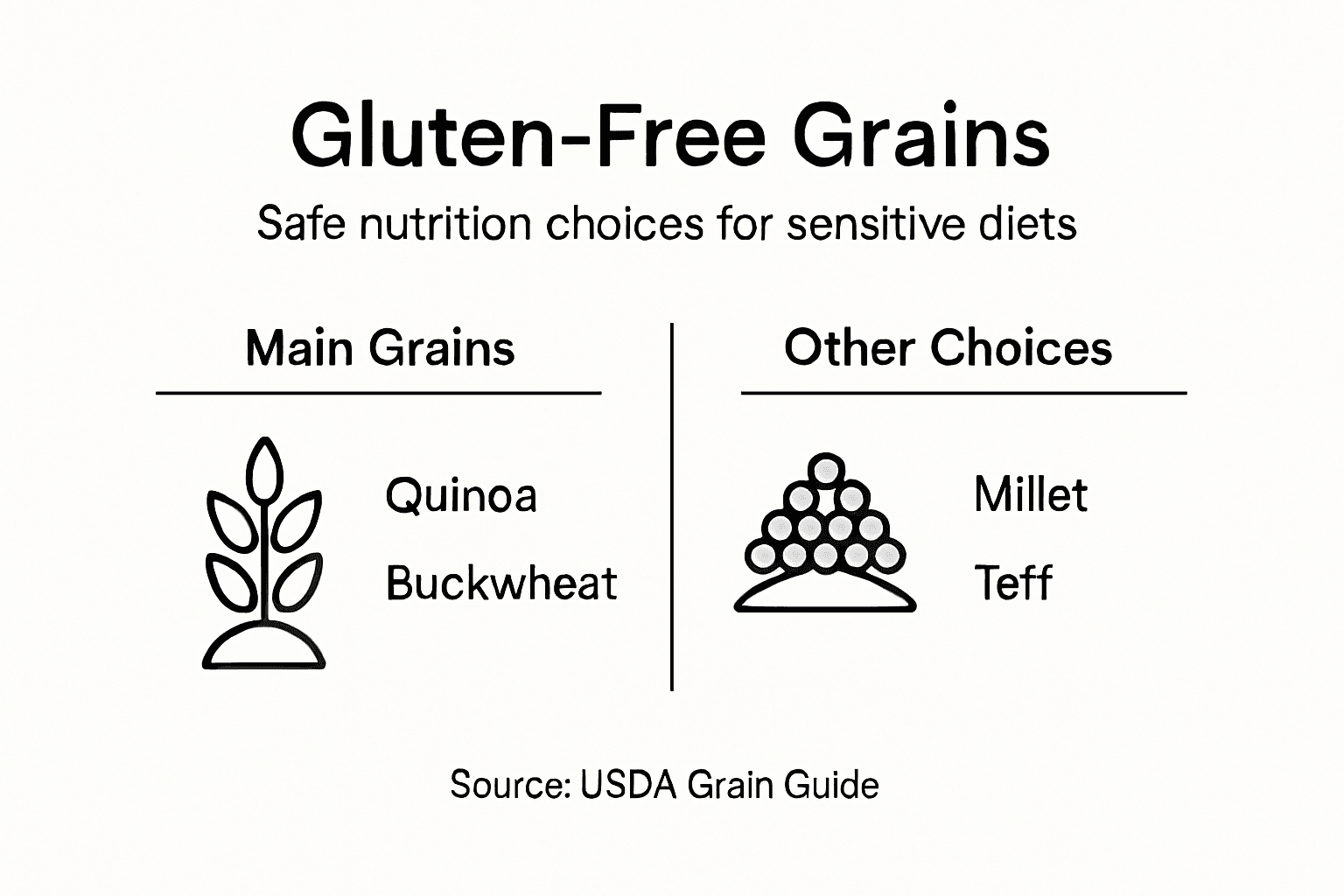
Naturally gluten-free grains include:
- Quinoa
- Rice
- Corn (maize)
- Millet
- Buckwheat
- Amaranth
- Sorghum
- Teff
- Gluten-free oats (certified)
Each of these grains presents unique nutritional profiles and cooking characteristics. Quinoa, for instance, is a complete protein source, while buckwheat offers rich mineral content despite its misleading name. Ancient grains present promising alternatives for those seeking diverse, nutritious gluten-free options.
Crucial to safe consumption is understanding processing methods. Cross-contamination remains a significant risk, meaning consumers must carefully select certified gluten-free products. Reputable manufacturers use dedicated processing facilities to prevent any potential gluten exposure, ensuring the grain’s inherent gluten-free status is maintained.
Pro tip: Always verify product labelling and choose certified gluten-free grains from trusted sources to minimise potential cross-contamination risks.
Cross-Contamination and Hidden Gluten Risks
Understanding cross-contamination risks is crucial for individuals managing gluten sensitivities. Even minuscule gluten traces can trigger significant health complications for people with coeliac disease or gluten intolerance. These invisible contamination pathways often occur through seemingly innocuous food preparation and processing methods.
Common cross-contamination scenarios include:
- Shared food preparation surfaces
- Equipment used for both gluten and gluten-free foods
- Manufacturing facilities processing multiple grain types
- Kitchen utensils with residual gluten
- Bulk storage containers
- Flour dust in processing environments
The risks extend beyond direct ingredient mixing. Food processing facilities represent significant potential contamination zones, where airborne flour particles or inadequate cleaning protocols can compromise supposedly gluten-free products. Detailed hygiene protocols are essential for preventing gluten exposure, requiring systematic approaches to equipment sanitisation and staff training.
To clarify the implications of gluten exposure, here is a summary of cross-contamination sources and their prevention methods:
| Contamination Source | Risk Example | Prevention Method |
|---|---|---|
| Shared Equipment | Crumbs in toasters | Use dedicated appliances |
| Airborne Flour | Dust during baking | Separate preparation areas |
| Bulk Storage | Mixed grains in bins | Store in sealed containers |
| Inadequate Cleaning | Residue on utensils | Rigorous sanitisation routines |
Consumers must remain vigilant, carefully examining product labels and understanding manufacturing practices. Certified gluten-free products undergo rigorous testing to ensure minimal contamination risks, providing safer alternatives for those with heightened gluten sensitivities.
Pro tip: Always contact manufacturers directly to understand their cross-contamination prevention strategies when uncertain about a product’s gluten-free status.
Discover Safe, Nutritious Grains Rooted in Tradition
Managing gluten sensitivities or coeliac disease means choosing grains that support your health without compromise. This article highlights the importance of understanding gluten content and avoiding hidden risks like cross-contamination. At Granavitalis, we are dedicated to bringing you naturally gluten-free ancient grain options and premium wholefoods that honour time-tested nutrition and modern wellness needs.
Explore our carefully selected range of Gluten Free Flours and Grains designed to fuel your body with purity and performance. Each product is transparently sourced and crafted to provide vibrant, clean nutrition while helping you avoid gluten pitfalls.

Take control of your nutrition journey today by choosing wholesome grains and flours that align with your gluten-free lifestyle. Visit Granavitalis now to find trusted products that respect your dietary needs and empower your everyday wellbeing.
Frequently Asked Questions
What is gluten, and what role does it play in grains?
Gluten is a complex protein network found primarily in wheat, barley, and rye. It provides elasticity and chewiness to dough, helping baked goods rise and maintain their shape.
Are all ancient grains gluten-free?
No, not all ancient grains are gluten-free. Grains like spelt and einkorn still contain significant amounts of gluten, which can trigger adverse reactions in individuals with coeliac disease or gluten sensitivity.
What are some safe gluten-free grain alternatives?
Safe gluten-free grain alternatives include quinoa, rice, corn (maize), millet, buckwheat, amaranth, sorghum, teff, and certified gluten-free oats, all of which provide essential nutrition without triggering gluten-related health issues.
How can I prevent cross-contamination when consuming gluten-free grains?
To prevent cross-contamination, use dedicated kitchen equipment for gluten-free foods, maintain separate preparation areas, store gluten-free grains in sealed containers, and adhere to strict cleaning protocols in your kitchen.
Recommended
- What Grains Have Gluten – Essential Facts for UK Diets – Granavitalis
- Gluten Found in What Grains: The Facts Explained – Granavitalis
- Gluten in Ancient Grains – Benefits and Realities Revealed – Granavitalis
- What Is Gluten in Ancient Grains? Complete Guide – Granavitalis
- 7 Alternatives to Gluten | UK Food Intolerance | Blog
- Gluten informatie en overzicht - Mijn Voedsel Intolerantie Test