
Ancient Flour Varieties – Revitalising Modern Wellbeing
Most British households reach for modern wheat flour without realizing that ancient flours like Spelt, Emmer, and Einkorn once formed the backbone of diets across Europe and beyond. These grains are gaining renewed attention as science reveals they often contain up to 30 percent more protein and minerals than conventional options. Understanding ancient flour varieties helps consumers reconnect with forgotten nutrition and taste, and offers valuable insight into how heritage grains can fit into a modern British kitchen.
Table of Contents
- Ancient Flours Defined And Their Heritage
- Distinct Varieties: Spelt, Einkorn, Emmer, More
- Nutritional Profile And Health Patterns
- Modern Uses In Baking And Cooking
- Comparing Ancient, Modern, And Gluten-Free Flours
- Risks, Gluten Content And Safe Sourcing
Key Takeaways
| Point | Details |
|---|---|
| Ancient Grains Offer Nutritional Benefits | Ancient flour varieties, such as Einkorn and Emmer, contain higher protein and mineral content compared to modern wheat strains, promoting better health outcomes. |
| Culinary Versatility | Ancient grain flours provide unique flavours and textures, enhancing the nutritional profile of various dishes, from artisan breads to plant-based recipes. |
| Understanding Gluten | Some ancient grains like Spelt contain gluten, requiring careful consideration for individuals with gluten sensitivities or coeliac disease when incorporating these grains into their diets. |
| Sourcing and Preparation | Prioritising quality sourcing and employing traditional preparation methods can improve the digestibility of ancient grains, helping to maximise their health benefits. |
Ancient Flours Defined and Their Heritage
Ancient flour varieties represent humanity’s profound agricultural heritage, embodying centuries of traditional cultivation and nutritional wisdom. Einkorn wheat, domesticated around 9,500 BC in the Near East, exemplifies the remarkable journey of human food production, demonstrating how early agricultural communities selected and nurtured resilient grain species.
These heritage grain varieties emerged through complex interactions between human innovation and natural environmental adaptation. Unlike modern industrial wheat strains, ancient grains developed unique characteristics that allowed them to thrive in challenging landscapes. The Watkins Landrace Wheat Collection illustrates this diversity, comprising wheat varieties from 32 countries that showcase remarkable genetic variation and localised nutritional profiles.
Understanding ancient flour varieties involves recognising their profound differences from contemporary agricultural products. These grains were not merely food sources but integral components of cultural ecosystems, representing intricate relationships between human societies and their natural environments. Key characteristics of ancient flour varieties include:
- Higher nutritional density
- Greater genetic diversity
- Enhanced adaptability to harsh growing conditions
- Lower gluten reactivity
- More complex flavour profiles
By embracing these traditional grain varieties, modern consumers reconnect with nutritional practices that sustained human populations for millennia, transforming our understanding of food as more than mere sustenance but as a living connection to our collective human story.
Distinct Varieties: Spelt, Einkorn, Emmer, More
Ancient grain varieties represent a treasure trove of nutritional diversity, offering unique characteristics that set them apart from modern wheat varieties. Spelt flour, a distinctive ancient grain, provides an excellent example of how these traditional grains offer remarkable nutritional benefits and complex flavour profiles that modern agricultural practices have largely overlooked.
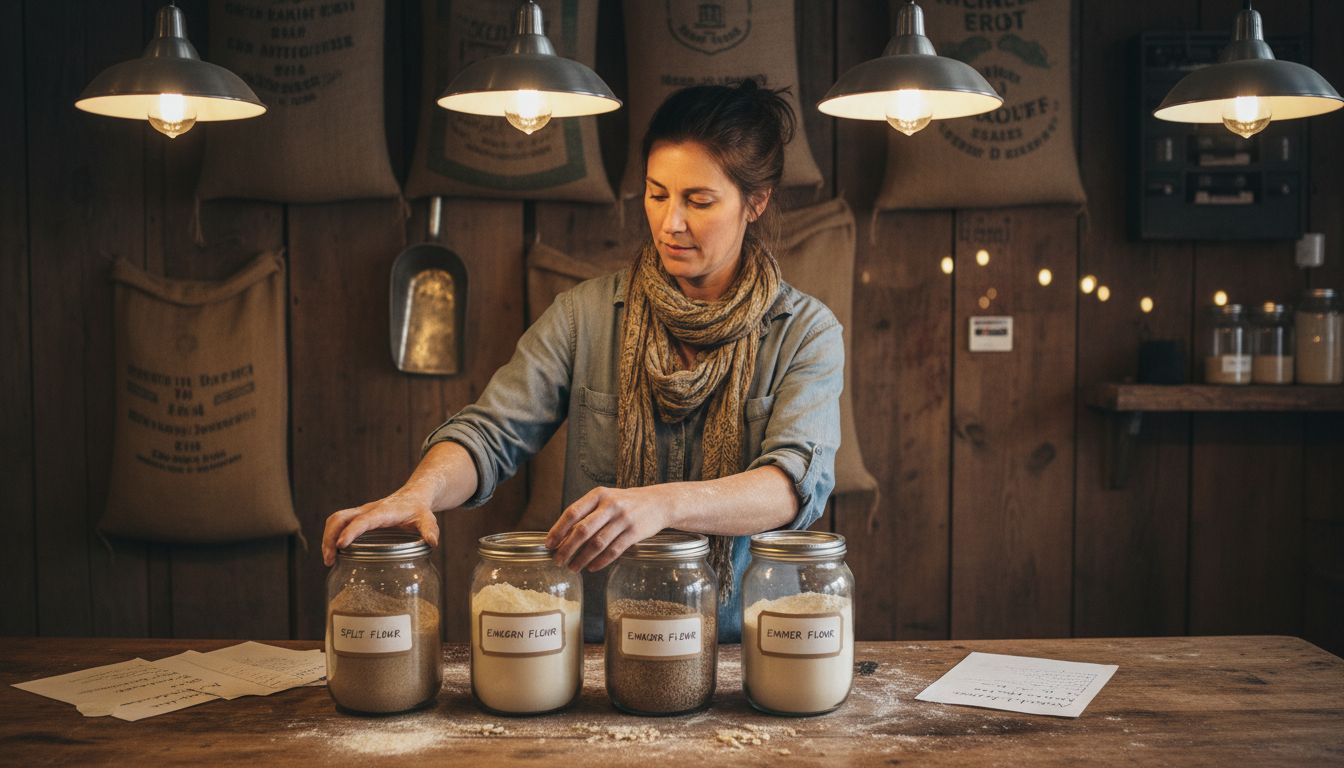
Einkorn stands out as perhaps the most primitive wheat variety, characterised by its distinctive genetic structure and lower gluten content. Unlike contemporary wheat strains, einkorn has remained relatively unchanged through centuries of agricultural development. This preservation of its original genetic makeup means it retains nutritional qualities that have been progressively bred out of modern wheat varieties. Likewise, emmer represents another fascinating ancient grain with deep historical roots, originating in the Fertile Crescent and demonstrating remarkable resilience in challenging agricultural environments.
Each ancient grain variety brings its own unique nutritional signature to the table:
- Spelt: Higher protein content, easier digestibility
- Einkorn: Lower gluten levels, higher antioxidant concentrations
- Emmer: Rich in minerals, particularly magnesium and zinc
- Kamut: Enhanced protein profile, buttery flavour
- Teff: Exceptional calcium and iron content
By exploring these ancient grain flours, health-conscious individuals can diversify their nutritional intake, reconnect with traditional agricultural practices, and experience a more nuanced approach to wholefood nutrition. These grains represent more than just alternative flour sources; they embody a profound connection to our agricultural heritage and sustainable food systems.
Nutritional Profile and Health Patterns
Nutritional density represents the cornerstone of ancient grain benefits, with scientific research revealing remarkable differences between traditional and modern wheat varieties. Comparative studies of protein and nutrient composition demonstrate that ancient wheat varieties like Einkorn, Emmer, and Khorasan contain significantly higher protein and mineral content compared to contemporary wheat strains.
The metabolic impact of these ancient grains extends beyond basic nutritional metrics. Research indicates these grains contain fewer anti-nutrients, potentially enhancing nutrient absorption and providing more comprehensive health benefits. Their unique molecular structures contribute to improved digestibility, reduced inflammatory responses, and a more balanced nutritional profile that supports overall metabolic function.
Key nutritional characteristics of ancient grain varieties include:
- Higher protein concentrations
- Enhanced mineral content
- Reduced anti-nutrient levels
- Lower carbohydrate percentages
- Increased phenolic compound presence
These nutritional distinctions translate into tangible health advantages, offering individuals an opportunity to diversify their dietary intake with grains that more closely resemble our ancestors’ nutritional foundations. By incorporating these ancient grain varieties, health-conscious individuals can potentially mitigate modern nutritional challenges and support more balanced, holistic wellness strategies.
Modern Uses in Baking and Cooking
Ancient grain flours have transformed contemporary culinary practices, offering innovative approaches to traditional baking and cooking techniques. Emmer grain demonstrates remarkable versatility in kitchen applications, bringing a distinctive spicy and nutty flavour profile that elevates numerous dishes beyond standard wheat-based preparations.
Bakers and home cooks are discovering that ancient grain flours provide unique textural and flavourful dimensions to their culinary creations. These grains can be integrated into multiple cooking styles, from artisan breads and pastries to hearty main courses and innovative plant-based recipes. Their robust molecular structures allow for different absorption rates and cooking characteristics compared to conventional wheat flour, requiring subtle yet important technique adjustments.
Practical applications for ancient grain flours include:
- Artisan bread baking with enhanced nutritional profiles
- Gluten-sensitive alternative flour options
- Rustic pasta and dumpling preparations
- Nutrient-dense breakfast bakes and pancakes
- Thickening agents for soups and sauces
- Crumbly, flavourful pie crusts and pastry bases
By embracing these traditional grain varieties, contemporary cooks can reimagine classic recipes while simultaneously improving nutritional intake and exploring more complex, authentic flavour experiences. The culinary potential of ancient grains extends far beyond simple substitution, representing a meaningful reconnection with historical food preparation techniques.
Comparing Ancient, Modern, and Gluten-Free Flours
Flour varieties represent a complex nutritional landscape, with significant differences emerging between ancient, modern, and gluten-free options. Comparative research reveals profound nutritional distinctions among wheat varieties, highlighting how agricultural evolution has dramatically transformed our fundamental grain sources.
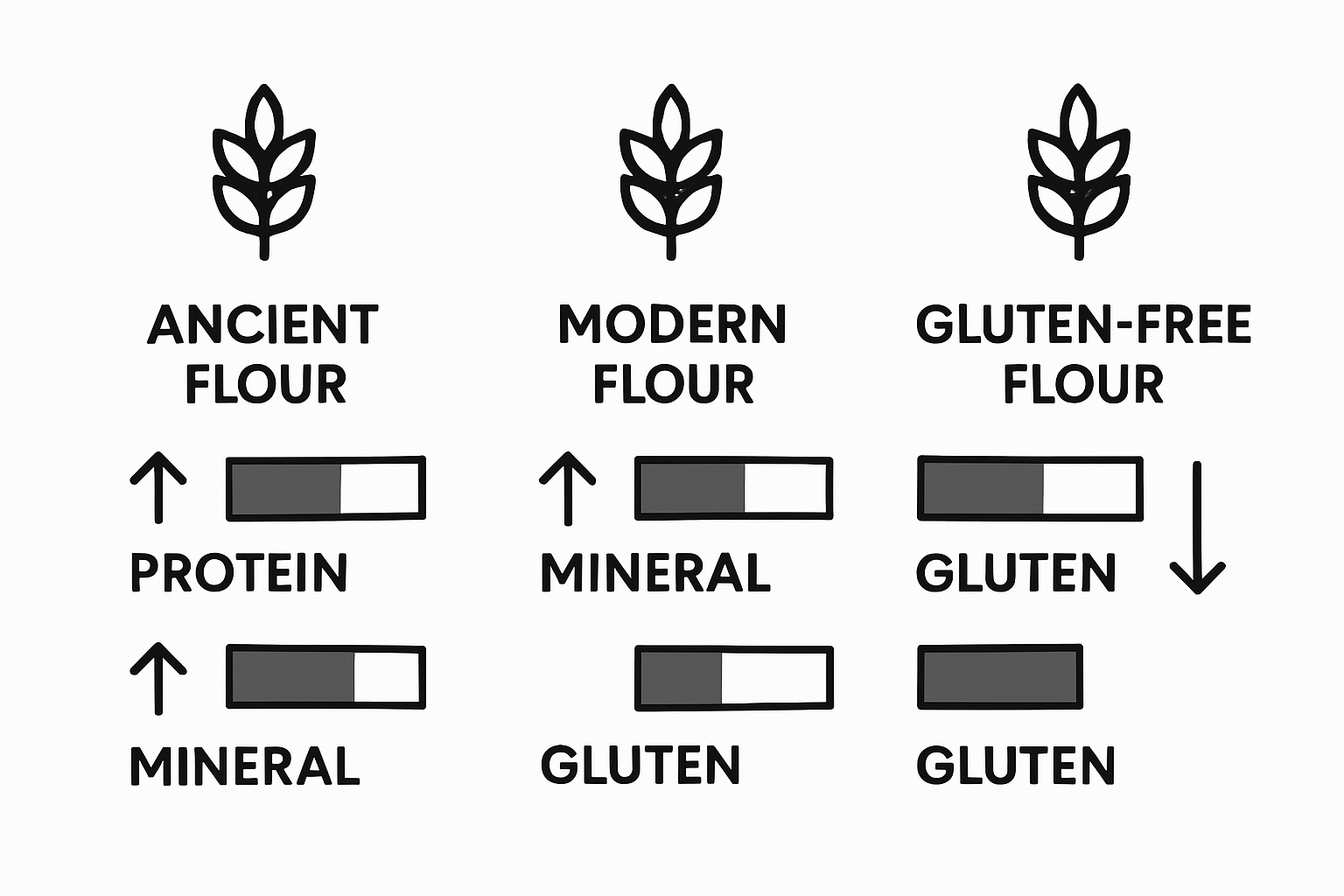
Ancient wheat varieties like Einkorn and Emmer stand apart from modern wheat strains through their exceptional nutritional composition. While contemporary wheat has been optimised for yield and industrial processing, these heritage grains maintain higher concentrations of protein, minerals, and micronutrients. Understanding gluten-free ancient grain alternatives becomes crucial for individuals seeking nutritionally dense alternatives to standard wheat products.
Key comparative characteristics include:
- Ancient Grains: Higher protein, mineral, and fibre content
- Modern Wheat: Optimised for mass production
- Gluten-Free Options: Designed for dietary restrictions
- Nutritional Density: Inversely proportional to industrial processing
- Genetic Complexity: More diverse in heritage varieties
These differences underscore the importance of reconsidering our approach to flour and grain consumption, recognising that not all wheat products are nutritionally equivalent. By exploring diverse flour options, health-conscious individuals can make more informed dietary choices that align with their nutritional goals and physiological requirements.
Risks, Gluten Content and Safe Sourcing
Navigation of ancient grain consumption requires careful understanding of potential health risks and nutritional complexities. Spelt, a popular ancient grain, contains gluten, presenting significant considerations for individuals with specific dietary requirements, particularly those managing coeliac disease or gluten sensitivities.
Traditional processing methods offer promising approaches to mitigate potential digestive challenges associated with ancient grains. Understanding gluten content in different grain varieties becomes crucial for making informed dietary choices. Techniques such as soaking, sprouting, and fermentation can potentially reduce antinutrients and improve overall grain digestibility, offering more nuanced approaches to grain consumption.
Key risk mitigation strategies include:
- Comprehensive grain sourcing from reputable suppliers
- Detailed understanding of personal digestive sensitivities
- Gradual introduction of ancient grains into diet
- Professional nutritional consultation
- Careful monitoring of individual physiological responses
- Selection of minimally processed grain varieties
By approaching ancient grain consumption with informed caution and personalised nutritional awareness, individuals can explore these fascinating food sources while maintaining optimal health and wellbeing. The journey involves understanding individual tolerance, sourcing high-quality grains, and embracing traditional preparation methods that enhance digestibility and nutritional value.
Rediscover Ancient Flours To Nourish Your Body And Mind
Ancient flour varieties offer more than just nutrition. These grains bring higher protein, richer minerals and a heritage of purity untouched by modern hybridisation. If you seek to reconnect with food that supports strength, recovery and balanced wellbeing, exploring our All Flours – Granavitalis collection is the perfect place to start.
Embrace the power of tradition today by choosing ancient grains that honour natural complexity and vibrant nutrition. Explore our range of carefully sourced Grains – Granavitalis alongside specialist Gluten Free Flours – Granavitalis for options suited to all dietary needs. Begin your journey with Granavitalis at https://granavitalis.com and fuel your future with the strength of the past.
Frequently Asked Questions
What are ancient flour varieties?
Ancient flour varieties refer to traditional grains like einkorn, spelt, and emmer that have not undergone significant genetic modification compared to modern wheat. These grains were cultivated for thousands of years and are known for their higher nutritional density and unique flavour profiles.
How do ancient flours differ from modern flours?
Ancient flours typically have higher protein and mineral content, greater genetic diversity, and lower gluten reactivity than modern flours. They have been less processed and retain more of their original nutrients and flavours, making them a more nutritious alternative for many consumers.
Can ancient grain flours be used in baking?
Yes, ancient grain flours can be used in baking and cooking. They are versatile and can enhance the nutritional profile and flavour of various recipes, including artisan breads, pastries, and pasta. However, adjustments in techniques might be needed due to their unique properties.
Are ancient grain flours gluten-free?
Not all ancient grain flours are gluten-free. For example, spelt contains gluten, which may not be suitable for individuals with gluten sensitivities or coeliac disease. It’s crucial to understand the gluten content of specific ancient grains and consult with a healthcare professional if you have dietary restrictions.