
Gluten in Ancient Grains – Benefits and Realities Revealed
Most people assume ancient grains are naturally gluten-free, but British research reveals that even heritage crops like einkorn and spelt can trigger strong reactions in sensitive individuals. For anyone trying to choose healthier alternatives to modern wheat, these findings change the conversation around nutrition and gluten. By untangling the facts from myths, this guide will help you navigate the real differences in gluten content found in ancient grains—and what that means for your diet.
Table of Contents
- Defining Gluten In Ancient Grains
- Types Of Ancient Grains And Gluten Content
- How Gluten Structure Differs In Ancient Varieties
- Nutritional Role Of Gluten In Wholefoods
- Risks And Safeguards For Sensitive Diets
Key Takeaways
| Point | Details |
|---|---|
| Gluten Composition in Ancient Grains | Ancient grains like Einkorn, Emmer, and Spelt contain gluten, capable of triggering coeliac responses, contrary to common beliefs. |
| Digestibility Differences | Each ancient grain has distinct gluten profiles that may affect digestibility, with some individuals reporting better tolerance compared to modern wheat. |
| Nutritional Role of Gluten | Gluten plays a crucial role in the nutritional value of whole grains, offering important amino acids and aiding in the texture of baked products. |
| Cautions for Gluten Sensitivities | Individuals with gluten sensitivities should consult healthcare professionals and consider individual responses when trying ancient grains. |
Defining Gluten in Ancient Grains
Gluten represents a complex protein composite found in several cereal grains, comprising two primary protein groups: glutenins and gliadins. These proteins play a critical structural role in grain development and provide distinctive elastic properties in baked products. When examining ancient grains, understanding gluten becomes particularly nuanced, as these heritage varieties exhibit unique protein profiles compared to modern wheat strains.
Research indicates that ancient wheat varieties like einkorn, emmer, and spelt do indeed contain gluten, contrary to popular misconceptions. Genetic studies from research portals demonstrate that these grains possess gluten structures capable of triggering coeliac responses in sensitive individuals. The genetic complexity of gluten emerges from intricate hybridisation processes, with modern bread wheat developing its distinctive gluten characteristics through specific genomic contributions.
The protein composition in ancient grains varies significantly from contemporary wheat strains. While modern wheat has been selectively bred for increased gluten content to improve baking performance, ancient grains maintain more diverse and potentially less inflammatory protein structures. Interestingly, genetic research tracking bread wheat’s gluten origins reveals that the D-genome, crucial for gluten’s mechanical properties, originated from specific hybridisation events involving wild grass species.
Pro Tip: Always consult medical professionals if you have gluten sensitivities, as individual responses to ancient grain proteins can vary widely, and blanket assumptions about digestibility may not apply to everyone.
Types of Ancient Grains and Gluten Content
Ancient grains represent a diverse family of cereal crops that have remained relatively unchanged by modern agricultural practices. These heritage varieties include einkorn, emmer, spelt, Khorasan wheat, and heritage wheat strains, each presenting unique gluten characteristics that distinguish them from contemporary wheat varieties. Comprehensive research on ancient wheat varieties reveals fascinating insights into their protein composition and potential nutritional benefits.
Each ancient grain exhibits distinctive gluten profiles that impact their digestibility and culinary applications. Einkorn, one of the oldest known wheat varieties, contains a simpler gluten structure with lower elasticity compared to modern wheat. Spelt, another notable ancient grain, features a more complex protein composition that some individuals find easier to digest. Agricultural research from Scottish institutions highlights the importance of understanding these grains’ unique cultivation and genetic characteristics.
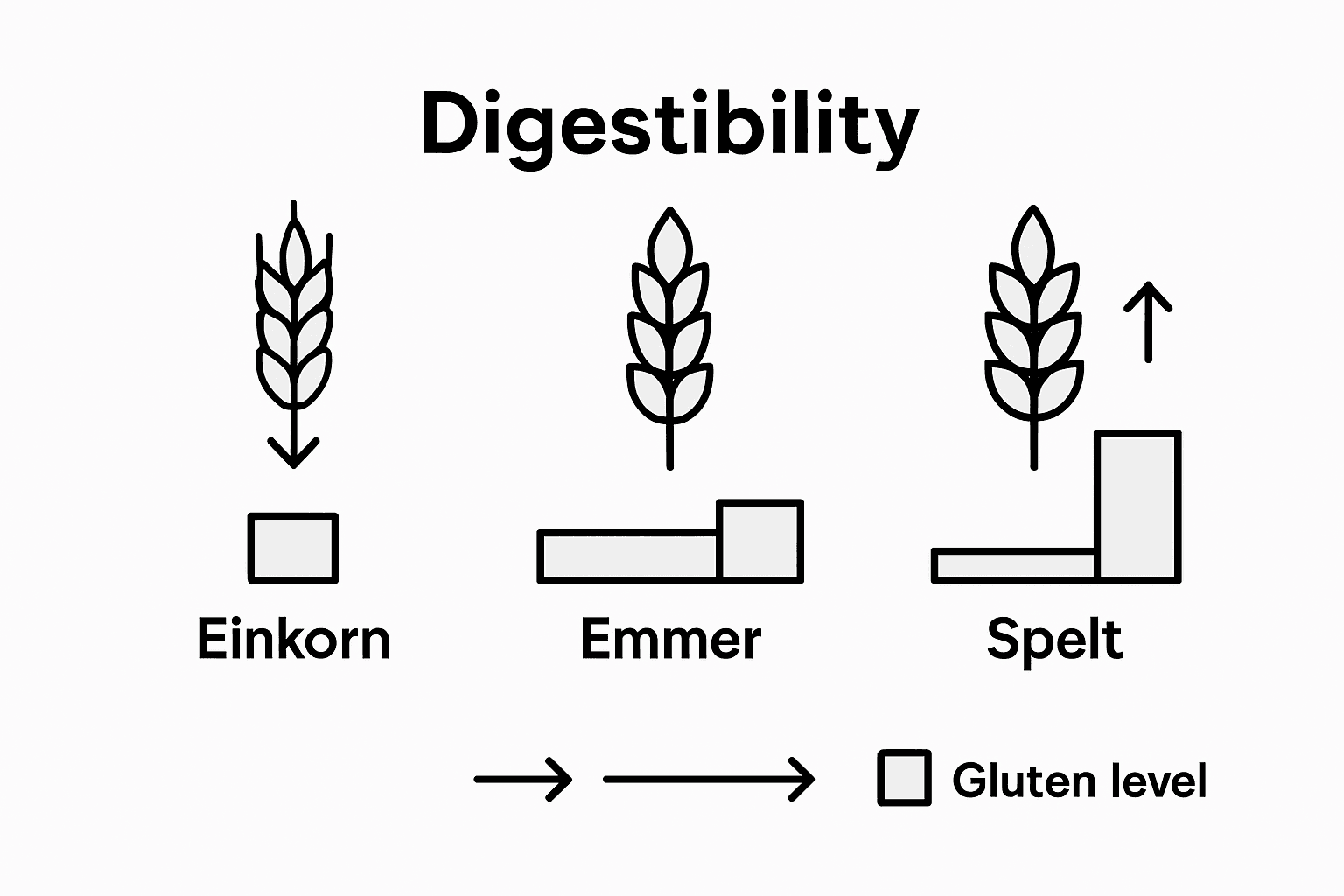
The protein content in ancient grains varies significantly from modern wheat strains. While contemporary wheat has been selectively bred for increased gluten content to improve baking performance, ancient grains maintain more diverse protein structures. This variation means that some individuals who struggle with modern wheat might experience different digestive responses when consuming heritage grain varieties. The gluten content in these grains can range from moderate to high, making it crucial for those with gluten sensitivities to consult healthcare professionals before incorporating them into their diet.
Pro Tip: Always conduct a small dietary trial when introducing ancient grains, monitoring your body’s response and consulting a nutritionist to understand your individual tolerance levels.
Here is a summary comparing key ancient grains and their gluten characteristics:
| Ancient Grain | Gluten Structure | Digestibility Potential | Notable Feature |
|---|---|---|---|
| Einkorn | Simple, less elastic | Sometimes gentler than modern | Oldest known cultivated wheat |
| Emmer | Multi-genome composition | Varies, can trigger sensitivities | Used in early breads |
| Spelt | Complex, extensible | Some report easier digestion | Popular in artisan baking |
| Khorasan (Kamut) | High protein, robust gluten | Usually similar to modern wheat | Large grains, nutty flavour |
| Heritage Wheat | Variable, diverse profiles | Tolerance differs by individual | Grown using traditional methods |
How Gluten Structure Differs in Ancient Varieties
The molecular architecture of gluten in ancient grain varieties presents a fascinating divergence from modern wheat proteins. Research into gluten protein distribution reveals complex polymeric structures that vary significantly between traditional and contemporary wheat strains. Ancient grains like einkorn, emmer, and spelt possess unique protein configurations that distinguish them from industrially developed wheat varieties, offering a more nuanced nutritional profile.

Genetic studies highlight critical differences in protein composition. Comprehensive research on ancient wheat varieties demonstrates that these heritage grains contain higher levels of coeliac disease-active epitopes compared to modern bread wheat. This means the molecular structure of gluten in ancient grains can potentially trigger more pronounced immune responses in sensitive individuals, challenging the misconception that they are universally more digestible.
The biochemical complexity of gluten in ancient grains stems from their minimal genetic manipulation. While modern wheat has been selectively bred to enhance gluten’s elastic properties for industrial baking, ancient varieties maintain their original protein structures. Gluten polymers in these grains form differently, resulting in distinct textural and nutritional characteristics. Some individuals report less inflammatory responses to these heritage grain proteins, though individual reactions can vary dramatically.
Pro Tip: Before introducing ancient grains into your diet, conduct a careful elimination and reintroduction process under professional nutritional guidance to understand your personal gluten tolerance.
Nutritional Role of Gluten in Wholefoods
Gluten serves as a fundamental protein complex that plays a critical nutritional role in whole grain foods, providing essential structural and metabolic benefits. Comprehensive research on wheat protein distribution reveals that gluten proteins constitute the primary storage protein fraction in mature wheat grains, contributing significantly to the overall nutritional profile of wholefoods. These proteins are not merely structural components but represent a complex nutritional reservoir that supports human dietary requirements.
The protein composition of gluten encompasses a range of amino acids essential for human nutrition. Nutritional studies on wheat grains indicate that gluten contributes substantial protein content to whole grain foods, providing critical nutrients like amino acids, minerals, and trace elements. Beyond its nutritional value, gluten offers unique textural properties that enhance the culinary versatility of whole grain products, making them more appealing and digestible.
Despite misconceptions, gluten plays a nuanced role in wholefood nutrition. Its molecular structure enables food products to maintain structural integrity, trapping gases during baking and creating desirable textures in bread, pastries, and other grain-based foods. While some individuals may have sensitivities, for most people, gluten represents a valuable source of plant-based protein, offering a complex nutritional profile that supports overall dietary health. The protein’s ability to bind and retain moisture also contributes to the satiety and enjoyment of whole grain foods.
Pro Tip: Diversify your grain intake by rotating different ancient and modern wheat varieties to maximise nutritional benefits and minimise potential sensitivities.
Risks and Safeguards for Sensitive Diets
Individuals with gluten sensitivities and coeliac disease face significant dietary challenges that require meticulous nutritional management. Systematic research on tolerable gluten levels highlights the critical need for precise understanding of safe gluten consumption thresholds. These individuals must navigate complex nutritional landscapes, carefully monitoring their grain intake to prevent potential adverse immune responses and maintain optimal health.
The risk spectrum for gluten-sensitive individuals ranges from mild digestive discomfort to severe autoimmune reactions. Comprehensive dietary strategies involve not just avoiding obvious wheat products but understanding hidden gluten sources in processed foods. Official food safety guidance recommends comprehensive allergen labelling to help consumers make informed dietary choices, emphasising the importance of transparent ingredient communication for protecting vulnerable populations.
Effective management of gluten sensitivity requires a multifaceted approach. This involves collaboration between nutritionists, healthcare professionals, and individuals to develop personalised dietary protocols. Emerging research suggests that different ancient grain varieties might offer varying levels of digestibility, providing potential alternatives for those struggling with standard wheat products. However, individual responses can vary dramatically, underscoring the importance of personalised nutritional assessment and careful dietary introduction.
Pro Tip: Consult a registered nutritionist to develop a tailored gluten management strategy that accounts for your specific sensitivities and nutritional requirements.
To aid those managing sensitivities, here is a quick reference for gluten risk and management strategies:
| Risk Level | Example Grains | Management Approach |
|---|---|---|
| High (Coeliac Risk) | Modern wheat, Emmer | Strict avoidance, medical supervision |
| Moderate | Spelt, Khorasan | Careful trial, nutritionist guidance |
| Personal Variation | Einkorn, Heritage | Monitor individual response closely |
Discover the Truth About Ancient Grains and Gluten with Granavitalis
Navigating the complexities of gluten in ancient grains can be challenging especially when concerns about digestibility and sensitivities arise. This article reveals the unique gluten structures found in einkorn, spelt and emmer and highlights the need for mindful food choices that honour both tradition and personal health. If you are seeking nutrient-dense, heritage grains that provide authentic wholefood vitality without compromising your well-being explore our carefully curated Grains – Granavitalis collection.

Embrace a nutritional journey rooted in time and powered for today with Granavitalis. Whether you require gluten-free alternatives or are looking to experience the wholesome benefits of ancient grain flours discover our full range of All Flours – Granavitalis and Gluten Free Flours – Granavitalis. Act now to make informed choices that support your unique dietary needs and fuel your body with purity performance and purpose. Visit us today at Granavitalis and transform your nutrition by honouring the past.
Frequently Asked Questions
What are ancient grains and do they contain gluten?
Ancient grains are cereal crops that have remained largely unchanged by modern agricultural practices. Varieties such as einkorn, emmer, and spelt do contain gluten, although their protein structures differ from those of modern wheat.
How do gluten levels in ancient grains compare to modern wheat?
The gluten content in ancient grains can vary from moderate to high. While modern wheat has been selectively bred for increased gluten content to enhance baking, ancient grains typically maintain diverse protein structures, which may be less inflammatory for some individuals.
Can individuals with gluten sensitivities safely consume ancient grains?
Individuals with gluten sensitivities should exercise caution when consuming ancient grains. Although some people find heritage grains like spelt and einkorn easier to digest, these grains still contain gluten and can trigger responses in sensitive individuals. It’s advisable to consult with a healthcare professional before incorporating them into your diet.
What nutritional benefits do ancient grains offer?
Ancient grains often provide unique nutritional profiles, including essential amino acids, minerals, and trace elements. Their protein structures may also contribute to unique textural and culinary properties, making them a valuable addition to a balanced diet for those without gluten sensitivities.