
Plant-based diet explained: benefits, risks & longevity
TL;DR:
- A plant-based diet emphasizes whole plant foods with flexible animal product inclusion.
- Ancient grains like quinoa and amaranth are nutrient-dense staples for optimal health.
- Quality, diversity, and proper planning are more important than labels or ultra-processed foods.
Most people assume a plant-based diet means going fully vegan, swapping every meal for salad, and spending weekends reading ingredient labels. That picture is wrong, and it matters. A plant-based diet emphasises foods from plants such as fruits, vegetables, whole grains, legumes, nuts, and seeds, while reducing rather than necessarily eliminating animal products. For UK adults looking to improve energy, manage weight, or invest in long-term health, understanding what this really means opens up far more practical options than the mainstream conversation lets on. This guide covers what qualifies as plant-based, which foods power it, what the science shows, and how to do it well.
Table of Contents
- What is a plant-based diet?
- Core foods and ancient grains for optimal wellness
- Health benefits: what the science says
- Risks, deficiencies, and what to watch out for
- How to build a balanced and sustainable plant-based plate
- A fresh perspective: why ‘plant-based’ quality matters more than labels
- Explore ancient grains and nutrient-rich options with Granavitalis
- Frequently asked questions
Key Takeaways
| Point | Details |
|---|---|
| Plant-based is a spectrum | You can tailor your plant-based diet to suit your lifestyle, from vegan to flexitarian. |
| Ancient grains boost nutrition | Incorporating grains like quinoa and spelt provides more protein, minerals, and sustained energy. |
| Evidence-based health benefits | A well-planned plant-based diet reduces disease risk and supports longevity, backed by robust UK research. |
| Watch for key nutrients | B12, iron, and vitamin D need extra attention to prevent deficiencies on a plant-based diet. |
| Quality matters most | Choosing diverse, whole, and minimally processed plant foods leads to the best health results. |
What is a plant-based diet?
At its core, a plant-based diet places whole, minimally processed plant foods at the centre of every plate. Animal products may be reduced, avoided altogether, or consumed occasionally, depending on your approach. What matters most is that the foundation of your nutrition comes from the plant kingdom.
A plant-based diet can range from fully vegan, where no animal products feature at all, through to flexitarian, where plants dominate but occasional animal foods appear. Neither extreme is the only valid choice. The key insight is that it is a spectrum, not a binary switch.
Here is a quick look at the main variations:
| Diet type | Animal products | Typical focus |
|---|---|---|
| Vegan | None | Entirely plant-sourced |
| Vegetarian | Dairy and eggs only | Plant-forward with some animal foods |
| Pescatarian | Fish and seafood | Plants plus aquatic protein |
| Flexitarian | Occasional meat or fish | Mostly plants, flexible on occasions |
Core components shared across all these variations include whole grains, legumes, nuts, seeds, fruits, and vegetables. What differs is mostly what gets added alongside them.
One persistent misconception is that plant-based eating is all-or-nothing. In practice, the majority of research showing health benefits comes from people who shifted towards plant foods rather than achieving perfect adherence. You do not need a label to benefit.
For those curious about the role of ancient grains in a plant-based lifestyle, these heritage foods sit naturally at the heart of the diet. Looking for inspiration? Some vegan menu ideas can be surprisingly practical for everyday cooking too, not just special occasions.
“The best plant-based diet is the one you can sustain. Shifting emphasis towards plants, rather than pursuing dietary perfection, is where the real health gains begin.” Nutrition research consensus, UK, 2025.
The point is not to find the right label. It is to build meals where plants are doing most of the nutritional heavy lifting.
Core foods and ancient grains for optimal wellness
With the framework established, the practical question becomes: which foods should be filling your plate? The answer spans several food groups, but ancient grains deserve particular attention because they offer nutritional density that modern refined grains simply cannot match.
Ancient grains like quinoa and amaranth are rich in complete protein and minerals, making them ideal anchors for plant-focused meals. Unlike white rice or standard wheat flour, these grains bring meaningful amounts of iron, magnesium, zinc, and fibre alongside their carbohydrate content.
Here is how ancient grains compare to common modern grains:
| Grain | Protein per 100g | Fibre per 100g | Key mineral |
|---|---|---|---|
| Quinoa | 14g | 7g | Iron, magnesium |
| Amaranth | 14g | 6.7g | Calcium, phosphorus |
| Teff | 13g | 8g | Iron, zinc |
| White rice | 6.7g | 0.4g | Minimal |
| White bread | 8g | 2.7g | Minimal |
Beyond ancient grains, a well-built plant-based diet draws on:
- Pulses: lentils, chickpeas, black beans, kidney beans
- Nuts and seeds: almonds, walnuts, hemp seeds, chia seeds, pumpkin seeds
- Leafy greens: kale, spinach, rocket, watercress
- Fermented soy: tofu, tempeh, edamame
- Roots and brassicas: sweet potato, broccoli, cauliflower
Beans, lentils, nuts, and leafy greens are particularly rich in fibre and plant protein, both of which support gut health and lasting satiety.

For UK eating habits, ancient grains fit beautifully into porridge, muesli, grain salads, and hearty soups. Swapping refined flour for teff or amaranth in baking is a simple step with significant nutritional upside. Explore top plant proteins to see which foods punch hardest in the protein department.
Pro Tip: Mix a grain with a legume at each meal, such as brown rice with lentils or quinoa with chickpeas, to create a complete amino acid profile without any supplements needed.
Health benefits: what the science says
The evidence base for plant-based eating has grown considerably over the past decade, and the findings are hard to dismiss. This is not fringe nutrition research. It is large-scale, peer-reviewed science involving hundreds of thousands of participants.
Key findings include:
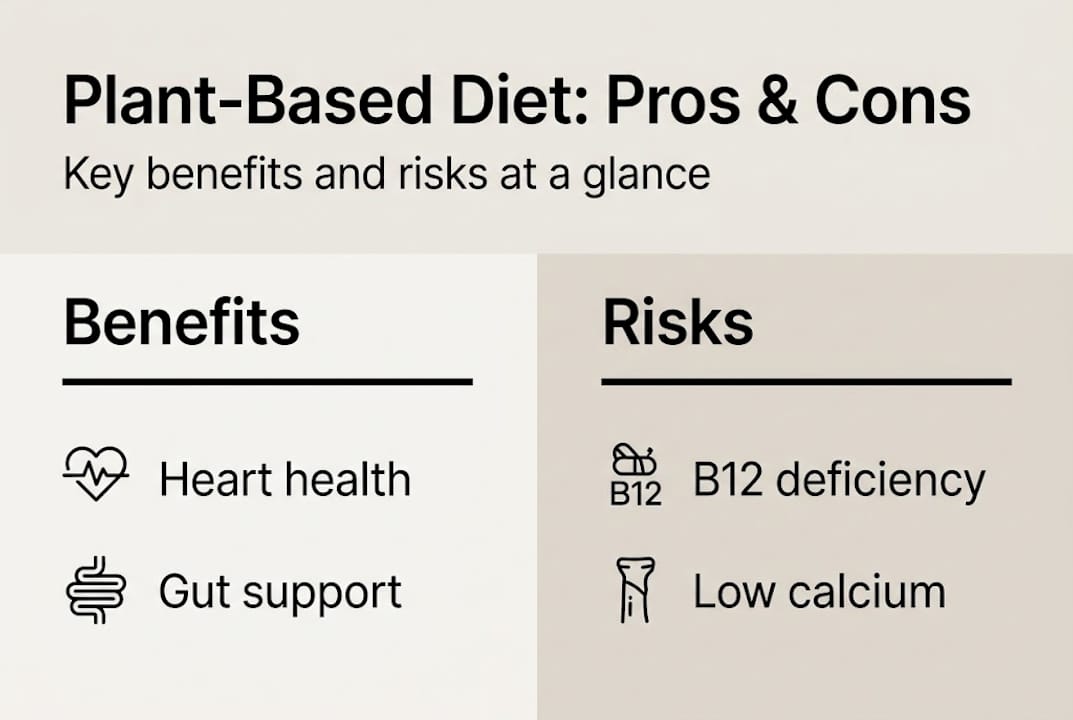
- Cardiovascular disease: Plant-based diets lower the risk of CVD, cancer, and total mortality, and support longevity via reduced biological ageing.
- Mortality: UK Biobank data from 126,394 participants shows a mortality hazard ratio of 0.84 for those in the top plant-based diet index quartile versus the bottom. That is a 16% reduction in all-cause mortality.
- Type 2 diabetes: Higher fibre and lower saturated fat intake improve insulin sensitivity and glycaemic control.
- Gut health: Diverse plant foods feed beneficial gut bacteria, improving the microbiome and reducing systemic inflammation.
- Body weight: Plant-based eaters consistently show lower average BMI in large cohort studies, even without deliberate calorie restriction.
These benefits appear independent of BMI and genetic background, which suggests it is the diet itself driving change rather than pre-existing health status. Explore benefits of high-protein plants to understand how protein choice within a plant-based diet can further sharpen these outcomes.
“Large-scale evidence now confirms that diets rich in diverse plant foods reduce biological ageing markers and chronic disease risk across multiple population groups.” Nature Plants, 2025.
The fibre point is worth stressing. Most UK adults consume well under the recommended 30g per day. A well-planned plant-based diet can comfortably exceed that target through whole grains, legumes, and vegetables alone, addressing one of the most widespread nutritional shortfalls in Britain today.
Risks, deficiencies, and what to watch out for
No discussion of plant-based eating is complete without a frank conversation about where things can go wrong. A poorly planned plant-based diet can create real nutritional gaps, and ultra-processed plant foods make this worse, not better.
Potential risks include B12, iron, calcium, vitamin D, omega-3, iodine, and zinc deficiencies. Critically, an unhealthful plant-based diet index (uPDI), one high in refined grains, sugary drinks, and processed meat alternatives, is associated with increased mortality and cardiovascular risk. Plant-based does not automatically mean healthful.
Signs your plant-based diet may be off-balance:
- Persistent fatigue or brain fog (possible B12 or iron low)
- Frequent illness or slow wound healing (possible zinc deficiency)
- Joint pain or low mood in winter months (possible vitamin D shortfall)
- Digestive irregularity despite high vegetable intake (possibly insufficient variety)
- Heavy reliance on vegan ready meals or meat-free junk foods
Mental health is worth mentioning too. Some individuals develop orthorexia, an obsessive relationship with healthy eating, when following restrictive dietary frameworks. A flexible, enjoyment-led approach tends to produce better long-term outcomes than rigid rule-following.
Exploring best ancient grains is one way to build more nutritional variety into your routine without complexity.
Pro Tip: Supplement B12 daily regardless of how varied your plant-based diet appears. It is the one nutrient with no reliable plant source. Add a vitamin D supplement from October through March, as recommended for all UK adults.
How to build a balanced and sustainable plant-based plate
Knowing what to eat is one thing. Putting it together consistently, in real UK kitchens with real time pressures, is quite another. Here is a practical framework for building meals that work day after day.
- Start with a grain base. Choose an ancient grain or whole grain such as oats, buckwheat, quinoa, or brown rice. This provides sustained energy and valuable minerals.
- Add a legume. Lentils, chickpeas, black beans, or edamame boost protein, iron, and fibre in every meal.
- Load in the vegetables. Aim for at least two colours per meal. Variety in colour signals variety in phytonutrients.
- Include a healthy fat. A small handful of nuts, a drizzle of cold-pressed rapeseed oil, or sliced avocado supports fat-soluble vitamin absorption.
- Fortify where needed. Use fortified plant milks for calcium and B12. Check labels and choose brands with meaningful amounts added.
- Batch cook weekly. Prepare grains and legumes in bulk on Sundays to make weekday meals faster and more consistent.
- Use the Eatwell Guide. Planning with the Eatwell Guide, combining grains with legumes and choosing whole foods, remains the clearest UK framework for balanced plant-based nutrition.
For shopping, prioritise the perimeter of the supermarket where whole foods live. Frozen vegetables and tinned legumes are just as nutritious as fresh and considerably more convenient. For flavour inspiration, learning about pairing ancient grains with complementary ingredients transforms simple meals into genuinely satisfying ones.
Snacks are a real weak point for many plant-based eaters in the UK. Nut butters on oatcakes, roasted chickpeas, or a handful of mixed seeds provide protein and fat that keep energy stable between meals.
A fresh perspective: why ‘plant-based’ quality matters more than labels
Here is the part of the conversation that most plant-based articles skip entirely. The label you choose matters far less than the quality and diversity of the foods within it.
We have seen clients who called themselves vegan but relied heavily on white pasta, oat milk lattes, and processed vegan burgers. Their blood work told a different story to what the label promised. Meanwhile, a flexitarian eating plenty of ancient grains, pulses, and vegetables with an occasional egg or piece of fish can outperform that vegan diet on almost every clinical marker.
The uncomfortable truth is that the plant-based food industry has successfully marketed highly processed products as inherently healthy because they avoid meat. They are not. The hidden cost of modern grains in industrialised food systems applies equally to plant-based ultra-processed products.
What genuinely drives better outcomes is diversity, whole food prioritisation, and real nutritional density. A plant-based diet built on ancient grains, pulses, nuts, seeds, and seasonal vegetables will always outperform one built on marketing claims.
“Dietary quality and diversity, rather than categorical avoidance, predict the strongest health outcomes in plant-based eating research.” Nutrition research summary, 2025.
Choose food that nourishes. Let the label follow.
Explore ancient grains and nutrient-rich options with Granavitalis
If you are ready to build a plant-based routine grounded in real nutritional quality, the right ingredients make all the difference.
At Granavitalis, we source ancient grains, premium nuts, seeds, and clean plant proteins with full transparency and minimal processing. Whether you are looking for a convenient starting point or want to expand what is already working, our organic nut and seed butter selection is a brilliant way to add nutrient-dense healthy fats to everyday meals. For a broader nutritional boost, the superfoods mix for immunity delivers zinc and vitamin B1 in one simple addition to your routine. Real food. Purposeful nutrition. Rooted in what works.
Frequently asked questions
Is a plant-based diet the same as being vegan?
No. A plant-based diet can range from fully vegan to flexitarian, meaning small amounts of animal foods can fit within it. Veganism is a stricter ethical position that excludes all animal-derived products entirely.
Do you get enough protein on a plant-based diet?
Yes, with thoughtful food choices. Ancient grains and legumes together create complete amino acid profiles, and combining foods like lentils with quinoa or chickpeas with hemp seeds covers all essential protein needs.
What are the main health risks of a plant-based diet?
Poor planning can lead to key nutrient deficiencies including B12, iron, calcium, and vitamin D. These are manageable with targeted supplementation and fortified foods, but they require active attention rather than assumption.
How do you build a balanced plant-based meal in the UK?
Plan meals using the Eatwell Guide and centre each plate on a whole grain, a legume, and a generous portion of vegetables. Fortified plant milks and regular B12 supplementation fill the remaining gaps reliably.
Recommended
- Plant protein vs animal protein: 19% lower CVD risk – Granavitalis
- What foods are on a plant based diet: complete 2026 guide – Granavitalis
- Complete Guide to the Role of Plant Based Proteins – Granavitalis
- What foods are in a plant-based diet? 5 key groups – Granavitalis
- Irish moss explained: benefits and risks for women over 40 – Caribella
- Why test your blood? Unlock wellness and longevity at any age | Healthspan Holistic