
Role of ancient grains in wellness: nutrition 2026
Many people assume all grains offer similar health benefits, but ancient grains like quinoa, teff, spelt, and amaranth provide nutrient profiles that far exceed those of refined modern grains. These traditional grains, unchanged by industrial hybridisation, deliver superior protein, fibre, vitamins, minerals, and bioactive compounds that support wellness in ways modern wheat cannot match. This article explains how ancient grains function in your body to promote health, clarifies common misconceptions about gluten and nutrition, and shows you practical ways to incorporate these nutrient-dense foods into your daily diet. Whether you seek better gut health, blood sugar control, or sustainable nutrition rooted in tradition, ancient grains offer a proven path forward.
Table of Contents
- Nutritional Profiles Of Ancient Grains Compared With Modern Grains
- Health Mechanisms And Wellness Benefits Of Consuming Ancient Grains
- Debunking Myths And Clarifying Nutritional Nuances About Ancient Grains
- Incorporating Ancient Grains Into Your Diet And Supporting UK Wellness Trends
- Explore Nutrient-Rich Ancient Grain Foods And Superfoods
- Frequently Asked Questions About Ancient Grains And Wellness
Key takeaways
| Point | Details |
|---|---|
| Superior nutrient density | Ancient grains provide up to five times more protein, fibre, vitamins, and minerals than refined modern grains. |
| Multiple wellness mechanisms | They reduce oxidative stress, regulate blood sugar, support gut microbiota, and lower chronic disease risks through antioxidant and anti-inflammatory pathways. |
| Not all are gluten-free | Quinoa and teff contain no gluten, whilst einkorn, spelt, and emmer are wheat varieties unsuitable for coeliac disease. |
| Dietary diversity matters | Combining ancient and modern whole grains maximises nutritional balance and supports healthy ageing better than relying on single grain types. |
| Environmental sustainability | Ancient grains like millets demonstrate drought resistance and biodiversity benefits, aligning wellness choices with regenerative agriculture. |
Nutritional profiles of ancient grains compared with modern grains
Ancient grains include millets, quinoa, teff, amaranth, einkorn, emmer, and spelt. These heritage varieties have remained genetically stable for thousands of years, preserving nutrient profiles that industrial breeding has diminished in modern wheat and rice. Understanding their specific nutritional advantages helps you make informed choices about which grains best support your wellness goals.
Millets provide three to five times more vitamins, fibre, protein, and minerals than modern grains, whilst teff stands out with protein content reaching 20.99% and dietary fibre up to 8%. Compare this to refined white rice at roughly 7% protein and minimal fibre, and the difference becomes stark. Ancient grains deliver complete or near-complete amino acid profiles, making them valuable protein sources for plant-based diets.
Beyond macronutrients, ancient grains contain essential minerals like iron, calcium, magnesium, zinc, B-group vitamins, vitamin E, and bioactive compounds including polyphenols and flavonoids. These bioactives function as antioxidants, protecting cells from damage and supporting metabolic health. Modern refining processes strip away bran and germ layers where these nutrients concentrate, leaving only starchy endosperm.
The table below compares key nutritional values across selected ancient grains:
| Grain | Protein (%) | Fibre (%) | Iron (mg/100g) | Calcium (mg/100g) |
|---|---|---|---|---|
| Teff | 20.99 | 8.0 | 7.6 | 180 |
| Quinoa | 14.1 | 7.0 | 4.6 | 47 |
| Amaranth | 13.6 | 6.7 | 7.6 | 159 |
| Spelt | 14.6 | 10.7 | 4.4 | 27 |
| White rice | 7.1 | 1.3 | 0.8 | 28 |
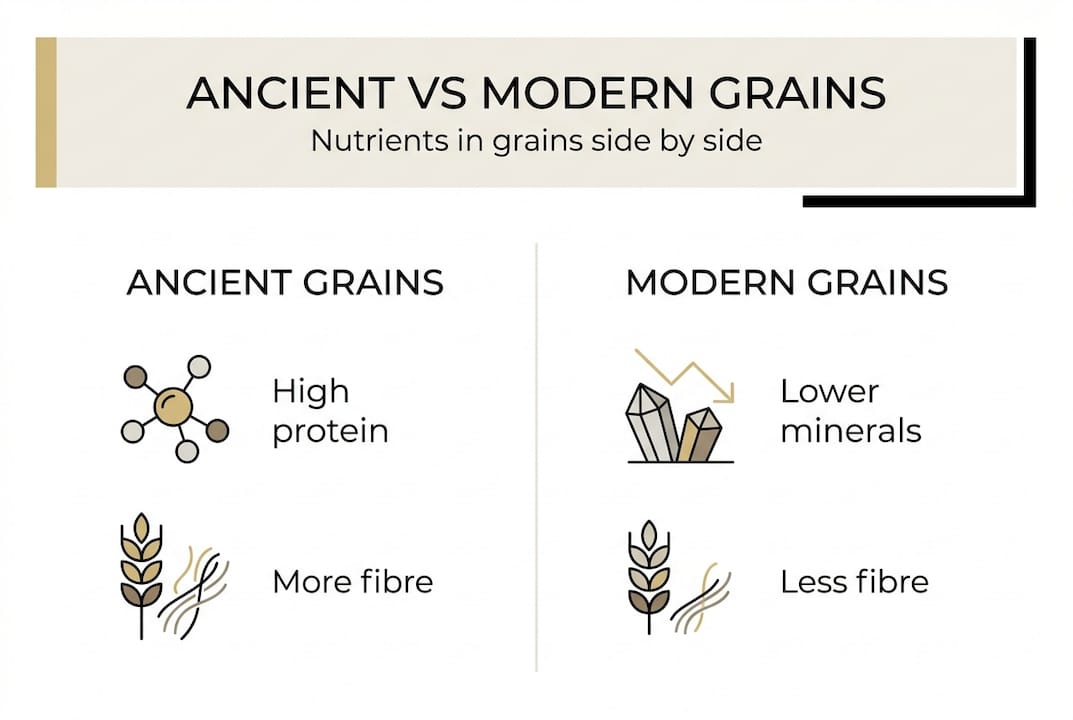
This data reveals why ancient grains support wellness more effectively than refined options. Their mineral density addresses common deficiencies in modern diets, particularly iron and calcium shortfalls among women and older adults.
Pro Tip: Choose whole-grain ancient grains rather than refined ancient grain flours to preserve maximum nutrient content and support gut health through intact fibre and phytonutrients.
Incorporating nutritional advantages ancient grains offer into your diet requires understanding which varieties suit your needs. Gluten-free options like quinoa and teff work for sensitive individuals, whilst spelt and einkorn provide wheat alternatives with different protein structures that some people tolerate better. The key lies in selecting whole-grain forms and preparing them properly to maximise nutrient availability.
Health mechanisms and wellness benefits of consuming ancient grains
Nutrient profiles tell only part of the story. How these nutrients function biologically determines their true wellness value. Ancient grains support health through multiple interconnected mechanisms that modern nutritional science continues to validate.

Antioxidant properties in ancient grains reduce oxidative stress, the cellular damage underlying ageing and chronic disease. Polyphenols and flavonoids neutralise free radicals, protecting DNA, proteins, and lipids from degradation. This cellular protection translates to reduced inflammation, a root cause of conditions from arthritis to cardiovascular disease.
Ancient grains reduce oxidative stress via antioxidant activity and modulate blood sugar through lower glycaemic index profiles, supporting metabolic health and lowering chronic disease risks. Teff, for example, shows a glycaemic index between 57 and 74, compared to white bread at 75 or higher. This slower glucose release prevents blood sugar spikes, reducing insulin demand and supporting sustained energy.
Key wellness mechanisms include:
- Anti-inflammatory effects that protect against chronic diseases by reducing inflammatory markers like C-reactive protein
- Modulation of glucose and lipid metabolism, assisting blood sugar control and healthy cholesterol levels
- Support for gut microbiota composition through prebiotic fibres that feed beneficial bacteria
- Cellular protection through antioxidant compounds that prevent DNA damage and support healthy ageing
Gut health benefits deserve special attention. Ancient grain fibres resist digestion in the small intestine, reaching the colon where they ferment and produce short-chain fatty acids. These compounds nourish colon cells, reduce inflammation, and strengthen the intestinal barrier. A healthy gut microbiome influences everything from immune function to mental health, making ancient grains’ prebiotic effects particularly valuable.
High intake of whole grains including ancient varieties is linked to healthy ageing with reduced risk of diabetes, cardiovascular diseases, obesity, and cancer, showing an odds ratio of 1.86 for achieving healthy ageing outcomes.
This evidence demonstrates that ancient grains function as more than simple carbohydrate sources. They actively support metabolic health, reduce disease risk, and promote longevity through multiple biological pathways. The combination of fibre, minerals, vitamins, and bioactive compounds creates synergistic effects that isolated nutrients cannot replicate.
Pro Tip: Incorporate diverse ancient grains gradually over several weeks to allow your gut microbiome time to adapt, minimising potential digestive discomfort whilst maximising long-term health benefits.
Understanding ancient grains support wellness through these mechanisms helps you appreciate why simply adding them to your diet creates measurable health improvements. The science validates what traditional cultures knew instinctively: these grains nourish deeply when consumed as whole foods.
Debunking myths and clarifying nutritional nuances about ancient grains
Misconceptions about ancient grains can lead to poor choices or unrealistic expectations. Separating fact from fiction ensures you benefit fully from these traditional foods whilst avoiding potential pitfalls.
The most common myth suggests all ancient grains are gluten-free. Not all ancient grains lack gluten; wheat varieties like einkorn and spelt contain gluten and may not suit coeliac sufferers. Quinoa, teff, amaranth, and millets truly contain no gluten, making them safe for coeliac disease and gluten sensitivity. However, einkorn, emmer, spelt, and kamut are ancient wheat species with gluten proteins.
Some people with wheat sensitivity tolerate ancient wheat varieties better than modern wheat due to different gluten protein structures and lower overall gluten content. This does not make them safe for coeliac disease, where even trace gluten triggers immune responses. Always verify gluten status before recommending ancient grains to those with diagnosed coeliac disease.
Another myth claims ancient grains are nutritionally superior to all modern whole grains. Nutritional superiority over modern whole grains is not always stark; diversity in diet is key for balanced nutrition. Modern whole oats, brown rice, and whole rye offer excellent fibre, minerals, and bioactive compounds. The advantage of ancient grains lies in their specific nutrient profiles and the biodiversity they add to diets, not absolute superiority across all metrics.
The comparison table below clarifies gluten status and nutritional highlights:
| Grain type | Gluten status | Key nutrients | Best uses |
|---|---|---|---|
| Quinoa | Gluten-free | Complete protein, iron, magnesium | Salads, porridge, grain bowls |
| Teff | Gluten-free | High protein and fibre, calcium, iron | Porridge, flatbreads, baking |
| Spelt | Contains gluten | High fibre, B vitamins, manganese | Breads, pasta, baked goods |
| Einkorn | Contains gluten | Lutein, vitamin A, lower gluten | Artisan breads, pastries |
| Brown rice | Gluten-free | Manganese, selenium, magnesium | Side dishes, grain bowls |
| Modern whole wheat | Contains gluten | Fibre, B vitamins, iron | Breads, pasta, general baking |
This table shows that both ancient and modern whole grains contribute valuable nutrients. Choosing a variety from both categories provides broader nutritional coverage than relying exclusively on either group.
Pro Tip: Use preparation techniques like fermenting or germinating ancient grains to reduce phytates, compounds that bind minerals and reduce absorption, thereby improving nutrient availability and digestibility.
Understanding these nuances helps you navigate ancient grains vs modern wheat comparisons intelligently. The goal is not to replace all modern grains but to diversify your grain intake for optimal nutrition and enjoyment. Learning more through resources on understanding ancient grains explained builds the knowledge needed for confident food choices.
Incorporating ancient grains into your diet and supporting UK wellness trends
Knowing ancient grains’ benefits means little without practical strategies for including them in daily meals. This section provides actionable guidance aligned with UK wellness trends towards traditional, sustainable foods.
Start with these steps to incorporate ancient grains:
- Replace refined grains with ancient grain alternatives in familiar dishes: use quinoa instead of white rice, teff porridge instead of instant oats, or spelt flour in baking.
- Experiment with one new ancient grain monthly, learning its cooking time, flavour profile, and best applications before adding another variety.
- Combine ancient grains with vegetables, legumes, nuts, and seeds to create complete, satisfying meals that deliver diverse nutrients.
- Prepare larger batches and refrigerate or freeze portions for quick meal assembly throughout the week.
- Use ancient grain flours in baking to increase nutrient density in breads, pancakes, and baked goods without dramatically changing recipes.
Popular ancient grains and their applications include:
- Quinoa: rinse thoroughly, simmer 15 minutes, use in salads, breakfast bowls, or as rice substitute
- Teff: cook into porridge, use flour for injera-style flatbreads, or add to soups for thickness
- Spelt: substitute for wheat flour in breads and pasta, use whole grains in soups and grain salads
- Amaranth: pop like popcorn for snacks, cook into porridge, or use flour in gluten-free baking blends
- Millet: toast before cooking for nutty flavour, use in pilafs, porridge, or ferment for traditional beverages
Ancient flours like spelt, einkorn, and rye are gaining popularity in the UK for porridge, breads, and wellness foods, also supporting regenerative agriculture. This trend reflects growing consumer awareness of nutrition quality and environmental impact. Ancient grains often require less intensive farming, tolerate poor soils, and support biodiversity better than modern monoculture crops.
Environmental benefits include drought resistance in millets and teff, soil improvement through deep root systems, and preservation of agricultural biodiversity. Choosing ancient grains supports farming systems that work with nature rather than against it, aligning personal wellness with planetary health.
Pro Tip: Start with small portions of 50 to 100 grams daily to allow your gut microbiome time to adapt to increased fibre and resistant starch, preventing bloating or digestive discomfort during the transition.
Emphasising gluten-free ancient grains for those with sensitivities is important for dietary inclusivity. Quinoa, teff, amaranth, and millets provide safe, nutritious options that don’t compromise on taste or versatility. These grains work in both sweet and savoury applications, from breakfast porridges to dinner grain bowls.
UK wellness trends increasingly embrace traditional grains as consumers seek:
- Nutrient-dense whole foods over processed alternatives
- Sustainable, regeneratively grown ingredients
- Gluten-free options that deliver genuine nutritional value
- Connection to food heritage and traditional preparation methods
- Transparency in sourcing and minimal processing
These trends align perfectly with ancient grains’ strengths. By incorporating them into your diet, you participate in a broader movement towards food systems that nourish people and planet simultaneously. Resources on ancient grains and gut health provide additional guidance for maximising digestive benefits.
Explore nutrient-rich ancient grain foods and superfoods
Building a wellness-focused diet extends beyond grains alone. Complementary nutrient-dense foods amplify the benefits ancient grains provide, creating synergistic nutrition that supports your health goals comprehensively.

Granavitalis offers organic nut butters that pair beautifully with ancient grain-based meals. Raw organic pecan butter RAWGORILLA delivers healthy fats, vitamin E, and minerals that complement the complex carbohydrates and protein in ancient grains. Spread it on spelt toast or stir into teff porridge for sustained energy and satisfying flavour.
For those seeking variety, the organic nut and seed butter selection box provides multiple options to discover your favourites whilst diversifying nutrient intake. Each butter brings unique fatty acid profiles, minerals, and antioxidants that enhance overall dietary quality.
Superfoods like goji berries add concentrated antioxidants, vitamin C, and immune-supporting compounds to meals. Sprinkle them over quinoa breakfast bowls or mix into amaranth porridge for a nutritional boost rooted in traditional wellness practices.
Granavitalis products emphasise organic certification, minimal processing, and transparent sourcing, aligning with the same values that make ancient grains appealing. Whether you’re building a nutrient-dense breakfast, preparing post-workout recovery meals, or creating balanced family dinners, these complementary foods support your wellness journey with wholefood vitality.
Frequently asked questions about ancient grains and wellness
What are the best ancient grains for gluten intolerance?
Quinoa, teff, amaranth, and millets contain no gluten and suit coeliac disease and gluten sensitivity perfectly. These grains provide complete or near-complete protein, high fibre, and essential minerals without triggering gluten-related immune responses. Always verify product labels for cross-contamination risks if you have coeliac disease.
Can ancient grains aid in weight loss?
Ancient grains support weight management through high fibre content that increases satiety and reduces overall calorie intake. Their lower glycaemic index prevents blood sugar spikes that trigger hunger and cravings. However, portion control remains essential, as ancient grains still provide significant calories. Combine them with vegetables and lean proteins for balanced, satisfying meals that support healthy weight.
How do ancient grains support gut health?
Ancient grains contain prebiotic fibres that feed beneficial gut bacteria, promoting diverse microbiome composition. These fibres ferment in the colon, producing short-chain fatty acids that nourish intestinal cells, reduce inflammation, and strengthen the gut barrier. Regular consumption improves digestive regularity, nutrient absorption, and immune function through gut-immune system interactions.
Are ancient grains environmentally sustainable?
Many ancient grains demonstrate superior environmental sustainability compared to modern crops. Millets and teff tolerate drought and poor soils, requiring less irrigation and fewer chemical inputs. Their genetic diversity supports agricultural resilience against climate change and pests. Choosing ancient grains supports regenerative farming practices that build soil health and biodiversity rather than depleting resources.
How to prepare ancient grains for optimal nutrition?
Soak ancient grains for four to eight hours before cooking to reduce phytates that inhibit mineral absorption. Rinse quinoa thoroughly to remove bitter saponins. Cook grains in mineral-rich bone broth or vegetable stock to increase nutrient content. Fermenting or sprouting grains before cooking further enhances digestibility and nutrient availability whilst adding beneficial enzymes and probiotics.