
7 nutritious ancient grains families should choose in 2026
Choosing the right ancient grains for your family can feel overwhelming when supermarket shelves overflow with unfamiliar names and competing health claims. Yet selecting nutrient-dense grains that actually suit your household’s tastes, cooking routines and dietary needs doesn’t require guesswork. This guide cuts through the confusion by establishing clear selection criteria and spotlighting seven ancient grains that deliver exceptional nutrition, versatility and family appeal. You’ll discover how to evaluate grains based on nutritional content, preparation ease and flavour profiles, then explore detailed profiles of quinoa, amaranth, farro, millet, spelt, teff and sorghum to transform your family meals with wholefood vitality.
Table of Contents
- Key takeaways
- Criteria for choosing ancient grains for families
- Seven essential ancient grains for balanced family nutrition
- Comparing ancient grains: nutritional content and cooking ease
- Which ancient grains suit your family’s needs best?
- Explore nutrient-rich wholefoods at Granavitalis
- FAQ
Key Takeaways
| Point | Details |
|---|---|
| Selection criteria | Prioritise nutrient density and digestibility while ensuring preparation time and flavours fit your household routines. |
| Grains covered | The guide profiles seven ancient grains Quinoa Amaranth Farro Millet Spelt Teff and Sorghum, highlighting their nutrition and meal versatility. |
| Quinoa advantages | Quinoa provides complete protein with all nine essential amino acids, cooks in around 15 minutes and suits a wide range of meals. |
| Amaranth value | Amaranth is gluten free, contains more calcium than milk per serving and provides substantial iron. |
| Soaking tip | Pre soaking grains for six to eight hours reduces phytic acid content, improves mineral absorption and can cut cooking time by up to 30 per cent. |
Criteria for choosing ancient grains for families
Before filling your pantry with every ancient grain available, establish clear standards that align with your family’s wellness goals and daily realities. Nutritional benefits and digestibility are critical for family acceptance of ancient grains, so prioritise varieties that deliver substantial fibre, complete or high-quality protein, and essential micronutrients like iron, magnesium and B vitamins. A grain might boast impressive credentials on paper, yet fall flat if your children refuse to eat it or meal preparation demands hours you don’t have.
Cooking time and technique directly impact whether a grain becomes a weekly staple or gathers dust in the cupboard. Quick-cooking options like quinoa suit busy weeknight dinners, whilst longer-cooking varieties work well for weekend batch preparation. Flavour profiles also influence acceptance: mild, slightly nutty grains integrate seamlessly into familiar dishes, whereas stronger tastes may require gradual introduction. Consider texture too, since children often prefer softer, fluffier grains over chewy or dense varieties.
Sustainability matters to health-conscious families who recognise that environmental impact affects long-term food security. Ancient grains typically require less water and fewer pesticides than modern wheat, making them sound ecological choices. Assess potential allergens or sensitivities within your household, particularly if anyone avoids gluten. Understanding why choose ancient grains helps frame these criteria within broader wellness objectives.
Pro Tip: Pre-soaking grains for 6-8 hours before cooking reduces phytic acid content, improving mineral absorption and digestibility whilst cutting cooking time by up to 30%.
Key selection factors include:
- Nutrient density per serving, especially protein and fibre content
- Preparation time that fits your family’s schedule
- Flavour and texture that appeal to all household members
- Gluten status for those with sensitivities
- Environmental footprint and sourcing practices
- Cost per serving relative to nutritional value
Seven essential ancient grains for balanced family nutrition
Quinoa stands as the gateway grain for families new to ancient varieties, offering complete protein with all nine essential amino acids in a fluffy, mild-tasting package that cooks in just 15 minutes. Its versatility shines in breakfast porridges, lunch salads and dinner pilafs, whilst children often accept its subtle, slightly nutty flavour without resistance. Each cooked cup delivers 8 grams of protein and 5 grams of fibre, making it particularly valuable for vegetarian families.
Amaranth brings impressive nutritional firepower in tiny seeds that cook into a porridge-like consistency perfect for breakfast bowls or as a thickener in soups. This gluten-free grain contains more calcium than milk per serving and provides substantial iron, making it especially beneficial for growing children. Toast amaranth seeds in a dry pan for a popcorn-like snack that delights young eaters whilst delivering concentrated nutrition.
Farro offers a chewy, satisfying texture that holds up beautifully in hearty grain bowls, soups and Mediterranean-style salads. This ancient wheat variety contains gluten but provides more protein and fibre than modern wheat, along with notable amounts of zinc and magnesium. Its robust, nutty flavour appeals to adults and older children who appreciate more complex tastes. Semi-pearled farro cooks in 20-25 minutes, balancing convenience with nutritional retention.
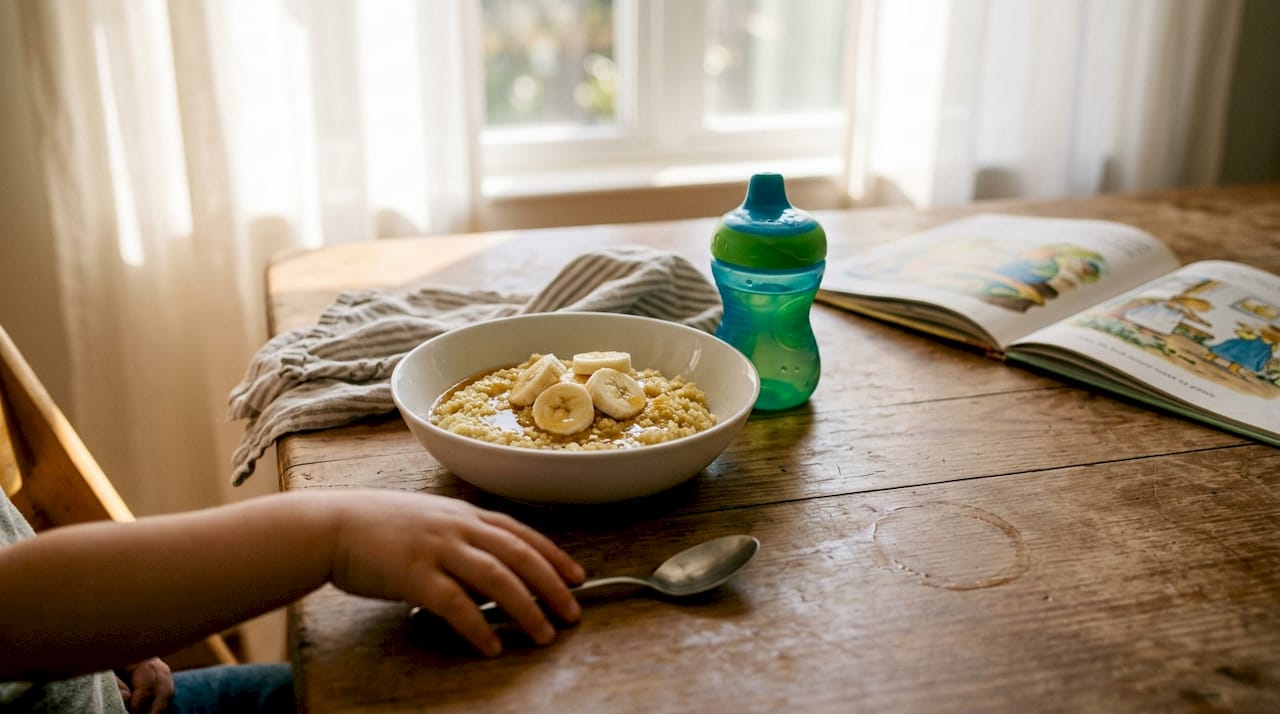
Millet surprises families with its mild, slightly sweet flavour and fluffy texture when cooked properly, making it an excellent rice alternative that children readily accept. This gluten-free grain cooks quickly, provides substantial B vitamins and magnesium, and works equally well in sweet or savoury applications. Try it as breakfast porridge with fruit, or as a side dish seasoned with herbs and vegetables.
Spelt delivers a rich, slightly sweet flavour that enhances baked goods, pasta and pilafs whilst providing more protein than common wheat. Though it contains gluten, some individuals with wheat sensitivities tolerate spelt better due to its different gluten structure. Its whole grain form requires longer cooking, but spelt flakes offer quick-cooking convenience for morning porridges that fuel active family days.
Teff forms the nutritional foundation of Ethiopian cuisine and brings exceptional iron content alongside substantial calcium and resistant starch that supports digestive health. These tiny seeds cook into a porridge-like consistency in just 15-20 minutes, making them ideal for quick breakfasts or as a base for grain bowls. The mild, slightly molasses-like flavour works beautifully in both sweet and savoury preparations.
Sorghum provides impressive antioxidant content and a neutral flavour that adapts to various cuisines, from Asian stir-fries to Mediterranean salads. This gluten-free grain requires longer cooking time, typically 50-60 minutes, but rewards patience with a satisfying, chewy texture similar to wheat berries. Pop sorghum like popcorn for a nutritious snack that children love. Listing nutrient densities and culinary uses makes integrating ancient grains easier for families seeking practical meal solutions.
Exploring ancient grains for kids reveals specific preparation techniques that increase acceptance amongst younger eaters.
Comparing ancient grains: nutritional content and cooking ease
Direct comparison reveals how these seven grains stack up on metrics that matter most to busy families balancing nutrition with practicality:
| Grain | Protein (per cooked cup) | Fibre (per cooked cup) | Key micronutrients | Cooking time | Gluten status |
|---|---|---|---|---|---|
| Quinoa | 8g | 5g | Iron, magnesium, manganese | 15 minutes | Gluten-free |
| Amaranth | 9g | 5g | Calcium, iron, phosphorus | 20 minutes | Gluten-free |
| Farro | 8g | 7g | Zinc, magnesium, B vitamins | 25 minutes | Contains gluten |
| Millet | 6g | 2g | Magnesium, phosphorus, B vitamins | 20 minutes | Gluten-free |
| Spelt | 11g | 8g | Manganese, phosphorus, niacin | 40 minutes | Contains gluten |
| Teff | 10g | 7g | Iron, calcium, vitamin C | 20 minutes | Gluten-free |
| Sorghum | 5g | 6g | Antioxidants, B vitamins, iron | 60 minutes | Gluten-free |
This data illuminates strategic choices for different family scenarios. Quinoa and teff emerge as weeknight champions, combining quick cooking with substantial protein and fibre. Spelt and farro deliver the highest fibre content but demand more cooking time, making them ideal for weekend batch preparation. Amaranth and teff stand out for families prioritising calcium and iron, particularly important for growing children and menstruating women.
Comparison tables help families quickly identify best grains for their nutritional and practical needs, transforming abstract health claims into actionable meal planning. Notice that gluten-free options outnumber gluten-containing varieties, providing ample choice for households managing coeliac disease or gluten sensitivity. Protein content varies significantly, with spelt and teff leading the pack at 10-11 grams per cooked cup, nearly double sorghum’s contribution.
Cooking time differences matter enormously when you’re managing homework, activities and dinner simultaneously. The 45-minute gap between quinoa and sorghum can determine whether a grain becomes a regular rotation player or occasional weekend experiment. Understanding ancient grains in their historical and botanical context deepens appreciation for their diverse characteristics.
Pro Tip: Cook large batches of longer-cooking grains like sorghum and spelt on Sunday, then freeze in portion-sized containers for quick weeknight reheating that rivals instant rice for convenience.
Micronutrient profiles reveal complementary strengths worth rotating through your weekly menu. Amaranth’s exceptional calcium content supports bone development in children, whilst teff’s iron density helps prevent anaemia in active families. Combining different grains throughout the week ensures broader micronutrient coverage than relying on a single variety, however nutritious.
Which ancient grains suit your family’s needs best?
Matching grains to your household’s specific circumstances transforms nutritional theory into sustainable practice. Tailoring grain choices to family needs improves long-term dietary success by acknowledging that the “best” grain varies based on individual contexts, not universal rankings.
For families prioritising quick weeknight meals, quinoa, millet and teff deliver substantial nutrition in 20 minutes or less, fitting seamlessly into busy schedules without compromising dietary quality. Their mild flavours and versatile textures work across cuisines, from Asian-inspired bowls to Mediterranean-style sides. If gluten sensitivity affects your household, focus on quinoa, amaranth, millet, teff and sorghum, which provide diverse options without triggering reactions.
Picky eaters often respond best to quinoa and millet due to their mild flavours and familiar textures that don’t challenge developing palates. Introduce these gateway grains first, then gradually expand to more distinctive varieties like amaranth or teff once acceptance builds. Families with adventurous eaters can explore the full spectrum immediately, appreciating how farro’s chewiness or amaranth’s creaminess adds textural interest to meals.
Budget-conscious households benefit from buying grains in bulk, with millet and sorghum typically offering the lowest cost per serving whilst still delivering solid nutrition. Quinoa commands premium prices but justifies the investment through complete protein and quick cooking that reduces energy costs. Consider your family’s consumption patterns when evaluating value, since a slightly pricier grain that everyone enjoys beats a bargain variety that languishes unused.
Meal type preferences also guide selection:
- Breakfast: Amaranth, teff and millet excel in porridges and breakfast bowls
- Lunch salads: Quinoa, farro and millet hold dressing well without becoming mushy
- Dinner sides: Quinoa, millet and farro substitute beautifully for rice or pasta
- Baking: Spelt and teff flours add nutrition and flavour to breads and muffins
- Snacks: Popped sorghum and toasted amaranth create nutritious alternatives to crisps
Experimentation remains essential, since individual preferences vary unpredictably. Purchase small quantities initially, testing preparation methods and flavour combinations before committing to bulk purchases. Exploring ancient grains and wellness connections reinforces how these traditional foods support contemporary health goals. Even outdoor activities benefit from portable, nutrient-dense grain-based meals, as demonstrated by creative family camping food ideas that incorporate ancient grains into adventure nutrition.
Explore nutrient-rich wholefoods at Granavitalis
Building balanced family nutrition extends beyond grains alone to encompass complementary wholefoods that amplify nutritional benefits and meal satisfaction. Pairing your ancient grain discoveries with premium nut and seed butters creates synergistic nutrition that supports active family lifestyles through complete amino acid profiles and sustained energy release.
Granavitalis sources organic, minimally processed nut and seed butters that honour traditional food wisdom whilst meeting modern nutritional needs. Our raw organic pecan butter delivers heart-healthy fats and minerals that complement grain-based meals beautifully, whether spread on spelt toast or stirred into amaranth porridge. The organic nut and seed butter selection box lets your family explore diverse flavour profiles and nutritional benefits without committing to full jars, perfect for discovering which varieties resonate with your household’s preferences.

Every product reflects our commitment to purity, performance and purpose, ensuring that convenience never compromises nutritional integrity. We believe families deserve transparent sourcing and thoughtful crafting that makes wholefood nutrition accessible for everyday wellness, not just special occasions.
FAQ
What are the easiest ancient grains for busy families to prepare?
Quinoa, millet and teff cook in 15-20 minutes, making them ideal for hectic weeknights when time runs short. Their quick preparation rivals instant rice whilst delivering substantially more nutrition and flavour versatility. Batch-cook these grains on weekends, then refrigerate or freeze portions for even faster weeknight reheating that transforms them into five-minute meal components.
Can ancient grains help children with picky eating habits?
Mild-flavoured grains like quinoa and millet often gain acceptance from selective eaters when introduced gradually and prepared with familiar seasonings. Mix small amounts into favourite dishes initially, then increase proportions as acceptance grows. Exploring ancient grains for kids reveals specific preparation techniques that increase appeal amongst younger palates through texture modification and flavour pairing strategies.
Are ancient grains suitable for gluten-sensitive family members?
Quinoa, amaranth, millet, teff and sorghum provide excellent gluten-free options that deliver comparable or superior nutrition to wheat-based grains. These varieties suit coeliac disease and gluten sensitivity without sacrificing taste or versatility. Always verify packaging confirms gluten-free certification, since cross-contamination during processing can occur even with naturally gluten-free grains.
How do ancient grains compare nutritionally to modern wheat and rice?
Ancient grains typically provide 25-50% more protein and fibre than white rice, along with substantially higher mineral content including iron, magnesium and zinc. Compared to modern wheat, varieties like spelt and farro offer similar or enhanced nutrition with potentially better digestibility for some individuals. The diverse nutrient profiles across ancient grains allow strategic rotation that covers nutritional bases more comprehensively than relying solely on wheat or rice.