
What foods are on a plant based diet: complete 2026 guide
Many people believe plant-based diets lack variety or fail to provide complete nutrition. That misconception stops thousands from exploring one of the healthiest eating patterns available today. This guide clarifies exactly what foods belong in a nutritious plant-based diet for 2026, from protein-rich legumes to ancient grains, healthy fats, and vibrant vegetables that fuel your body with wholefood vitality.
Table of Contents
- What Foods Are Included In A Plant-Based Diet?
- Nutritious Vegan Protein Options On A Plant-Based Diet
- Whole Grains, Ancient Grains And Complex Carbohydrates
- Healthy Plant Fats And Their Benefits
- Addressing Common Nutritional Considerations And Challenges
- Explore Plant-Based Superfoods And Essentials At Granavitalis
- What Foods Can I Eat On A Plant-Based Diet?
Key takeaways
| Point | Details |
|---|---|
| Focus on whole foods | Plant-based diets emphasise whole, minimally processed foods including vegetables, fruits, whole grains, legumes, nuts, and seeds for optimal nutrition. |
| Protein sources matter | Legumes, nuts, seeds, and grains provide adequate protein when combined thoughtfully throughout the day. |
| Healthy fats essential | Unsaturated plant oils, nuts, seeds, and avocados deliver heart-healthy fats critical for nutrient absorption and cellular health. |
| Nutrient planning vital | Proper planning with fortified foods and targeted supplements prevents B12, iron, and omega-3 deficiencies common in poorly structured plant diets. |
| Disease risk reduction | Evidence shows well-planned plant-based eating reduces chronic disease risk and supports sustainable weight management in 2026. |
What foods are included in a plant-based diet?
A healthy vegan diet focuses on whole, minimally processed plant foods across several key categories. Understanding these groups helps you build balanced meals that deliver complete nutrition without guesswork.
The foundation starts with colourful vegetables, particularly leafy greens like spinach and kale, plus cruciferous varieties such as broccoli and Brussels sprouts. Fresh and frozen fruits provide natural sweetness alongside fibre and antioxidants. Whole grains deliver sustained energy through complex carbohydrates whilst legumes offer both protein and resistant starch for gut health.
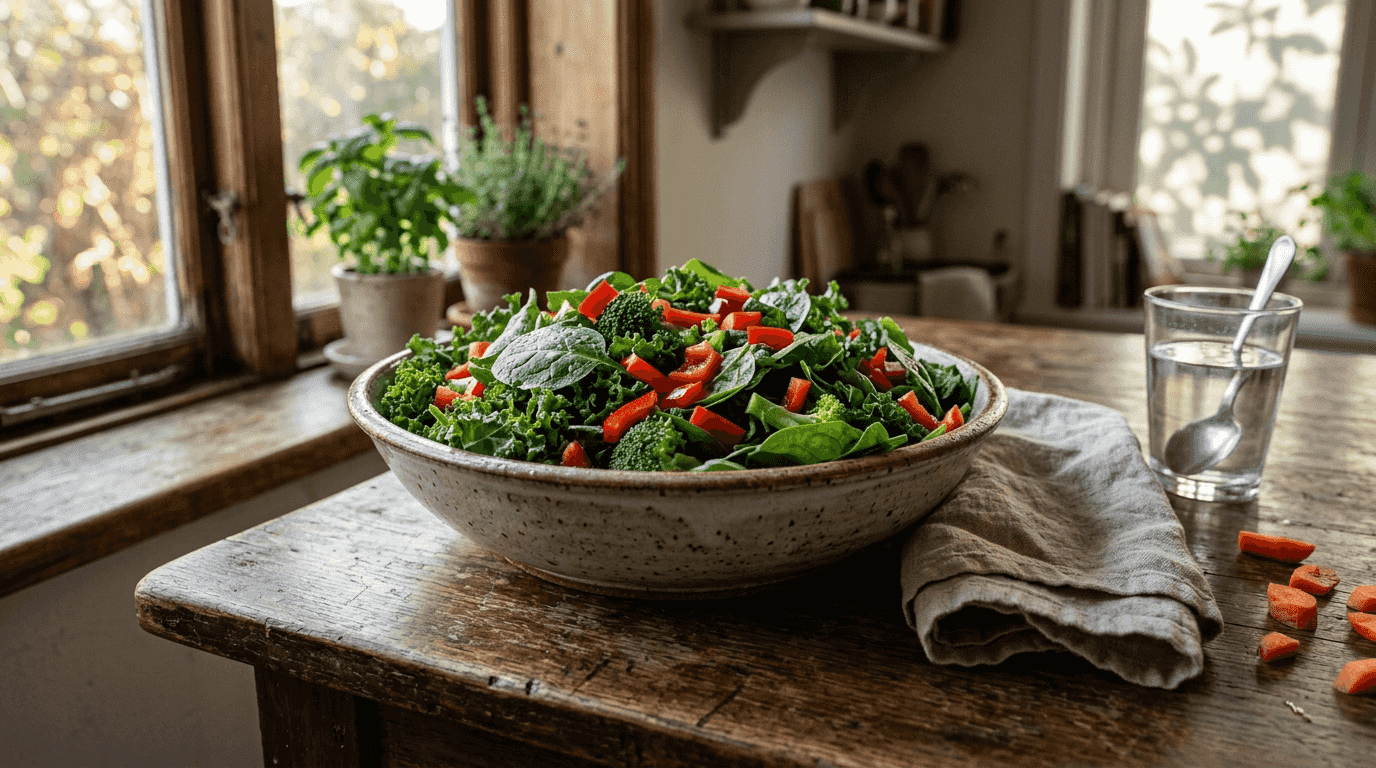
Planning requires variety at each meal with plant proteins, whole grains, vegetables, fruits, and plant fats working together. Nuts and seeds contribute healthy fats, minerals, and additional protein. This diversity ensures you receive a spectrum of vitamins, minerals, and phytonutrients your body needs daily.
The essential food groups include:
- Vegetables (leafy greens, cruciferous, root vegetables, peppers, tomatoes)
- Fruits (berries, citrus, stone fruits, tropical varieties)
- Whole grains (quinoa, brown rice, oats, barley, ancient grains)
- Legumes (lentils, chickpeas, black beans, kidney beans, split peas)
- Nuts and seeds (almonds, walnuts, chia, flax, hemp, pumpkin seeds)
- Healthy plant oils (extra virgin olive oil, avocado oil, cold-pressed nut oils)
Building meals around these top vegan protein sources creates satisfying dishes that support muscle maintenance, immune function, and metabolic health. Each category offers unique nutritional benefits that complement the others when combined thoughtfully.
Nutritious vegan protein options on a plant-based diet
Protein sufficiency concerns many people considering plant-based eating. The truth is that strategic food choices easily meet protein requirements without animal products.
Protein-rich legumes and plant proteins support muscle, hormone production, and metabolism when included regularly. Lentils deliver approximately 18 grams per cooked cup, whilst chickpeas provide around 15 grams alongside beneficial fibre. Black beans, kidney beans, and split peas offer similar protein density with varying micronutrient profiles.
Soy products stand out for completeness. Tempeh, tofu, and edamame contain all essential amino acids in optimal ratios. A 100-gram serving of tempeh provides roughly 19 grams of protein with gut-friendly probiotics from fermentation.
Amino acid completeness matters more than daily gram totals alone for protein quality. Combining different plant proteins throughout the day ensures you receive all nine essential amino acids your body cannot synthesise. Quinoa and buckwheat offer complete proteins naturally, whilst nuts and seeds add supplementary amino acids plus healthy fats.
Pro Tip: Pair grains with legumes at meals to create complementary protein profiles. Brown rice with lentils or wholemeal toast with peanut butter delivers complete amino acid coverage naturally.
Effective protein sources include:
- Legumes (lentils, all bean varieties, split peas, chickpeas)
- Soy foods (tempeh, firm tofu, edamame, organic soy milk)
- Nuts (almonds, cashews, walnuts, pecans, pistachios)
- Seeds (hemp, chia, pumpkin, sunflower, flax)
- Whole grains (quinoa, amaranth, buckwheat, teff, wild rice)
- Nutritional yeast (complete protein with B vitamins)
Plant protein powders from pea, rice, or hemp can supplement whole food intake but should not replace diverse plant-based protein sources in your regular meals. Whole foods provide fibre, phytonutrients, and micronutrients that isolated powders lack.
Whole grains, ancient grains and complex carbohydrates
Carbohydrates fuel your brain, muscles, and cellular processes. Choosing the right types makes all the difference for sustained energy and metabolic health.
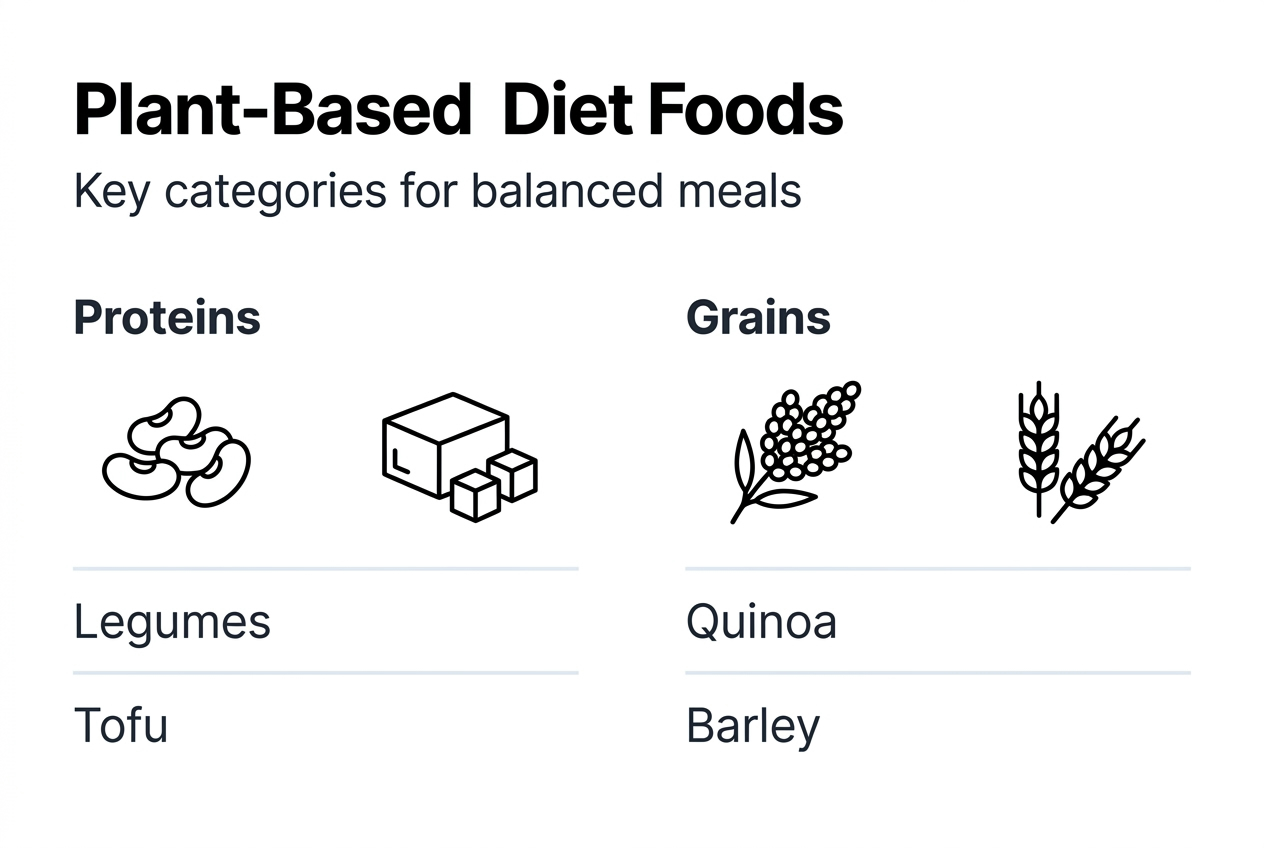
Whole grains like barley, Kamut, and wild rice provide fibre and lower glycemic responses compared to refined grains. Ancient grains particularly shine for nutrient density. Kamut delivers more protein and minerals than modern wheat, whilst teff provides exceptional calcium and iron levels.
The fibre content in whole grains slows glucose absorption, preventing blood sugar spikes that lead to energy crashes and increased hunger. This benefit supports weight management and reduces diabetes risk over time. Whole grains also feed beneficial gut bacteria, producing short-chain fatty acids that reduce inflammation.
| Grain Type | Protein per 100g (cooked) | Fibre per 100g | Key Benefits |
|---|---|---|---|
| Quinoa | 4.4g | 2.8g | Complete protein, iron, magnesium |
| Kamut | 5.7g | 7.4g | High selenium, vitamin E |
| Wild Rice | 4.0g | 1.8g | Antioxidants, B vitamins |
| Teff | 3.9g | 2.8g | Exceptional calcium, iron |
| Barley | 2.3g | 3.8g | Beta-glucan for cholesterol |
| Brown Rice | 2.6g | 1.8g | Manganese, selenium |
Incorporating ancient grains into your plant-based routine:
- Cook large batches on meal prep days for quick additions to salads and bowls
- Replace refined grains with quinoa or Kamut in familiar recipes
- Use teff flour for naturally gluten-free baking with extra nutrition
- Add cooked grains to breakfast porridge for texture and staying power
- Experiment with grain salads featuring herbs, vegetables, and lemon dressing
Aim for three to five servings of whole grains daily, with one serving equalling approximately half a cup cooked or one slice of wholemeal bread. This provides ample fibre, B vitamins, and sustained energy without excessive calories. Exploring high-protein plants including these grains adds variety whilst boosting your overall protein intake naturally.
Healthy plant fats and their benefits
Dietary fats often spark confusion, yet the right fats support hormone production, nutrient absorption, and cardiovascular health. Plant-based diets offer exceptional fat quality when you choose wisely.
Unsaturated fats from olives, olive oil, avocados, nuts and seeds benefit heart health by improving cholesterol ratios and reducing inflammation. Monounsaturated fats in olive oil and avocados raise HDL (protective cholesterol) whilst lowering LDL (harmful cholesterol). Polyunsaturated fats from walnuts, flaxseeds, and chia provide omega-3 fatty acids critical for brain function and inflammation control.
Your body cannot produce essential fatty acids, making dietary sources non-negotiable for optimal health. Alpha-linolenic acid (ALA) from flax, chia, and hemp seeds converts partially to EPA and DHA, the omega-3s abundant in fish. Whilst conversion rates vary between individuals, consuming these sources daily ensures adequate intake for most people.
Pro Tip: Rotate between different raw organic pecan butter, almond butter, and tahini throughout the week. Each offers unique mineral profiles and flavour dimensions that prevent taste fatigue whilst diversifying your nutrient intake.
For 2026 plant-based eating, aim for approximately 20 to 35 percent of daily calories from healthy fats. This translates to roughly 44 to 78 grams for someone consuming 2,000 calories daily. Focus on whole food sources rather than extracted oils whenever possible.
Top plant fat sources include:
- Extra virgin olive oil (monounsaturated, polyphenols)
- Avocados (monounsaturated, potassium, fibre)
- Raw nuts (almonds, walnuts, pecans, cashews, Brazil nuts)
- Seeds (flax, chia, hemp, pumpkin, sunflower)
- Nut and seed butters (choose raw, organic varieties without added oils or sugars)
- Coconut (use sparingly due to saturated fat content)
The organic nut & seed butter selection makes exploring these healthy fats simple and delicious. Spreading different butters on wholegrain toast, stirring them into porridge, or using them in energy balls delivers satisfying nutrition that keeps you full between meals.
Addressing common nutritional considerations and challenges
Even well-intentioned plant-based eaters face potential nutrient gaps without proper planning. Understanding these risks empowers you to maintain optimal health long term.
Vegan diets risk deficiencies in B12, iron, calcium, vitamin D, iodine, zinc, and omega-3s without careful attention. Vitamin B12 deficiency particularly concerns long-term vegans because no reliable plant foods contain bioavailable B12. Deficiency symptoms include fatigue, nerve damage, and cognitive impairment that may become irreversible if left untreated.
Iron from plant sources (non-haem iron) absorbs less efficiently than animal-derived haem iron. Combining iron-rich foods like lentils and spinach with vitamin C sources such as bell peppers or citrus significantly enhances absorption. Avoiding tea and coffee with meals also helps, as tannins inhibit iron uptake.
Proper dietary planning with fortified foods and supplements maintains optimal health on plant-based diets. Fortified plant milks, nutritional yeast, and breakfast cereals provide reliable B12, calcium, and vitamin D. However, supplementation remains essential for B12, with most experts recommending 250 micrograms daily or 2,500 micrograms weekly.
Genetic variations affect nutrient conversion efficiency. Some individuals convert beta-carotene to vitamin A poorly, whilst others struggle with ALA to EPA/DHA conversion. Working with a knowledgeable nutritionist helps identify personal needs through testing and symptoms.
Practical steps for nutrient sufficiency:
- Take a daily B12 supplement (methylcobalamin or cyanocobalamin form)
- Consume vitamin C-rich foods with iron sources at each meal
- Include fortified plant milk providing calcium and vitamin D daily
- Eat iodised salt in moderation or consume seaweed weekly for iodine
- Consider algae-based omega-3 supplements for direct EPA and DHA
- Monitor zinc intake through legumes, nuts, seeds, and whole grains
- Request annual blood work checking B12, iron, vitamin D, and omega-3 levels
Following a high protein plant-based diet alongside these nutritional safeguards ensures you thrive rather than merely survive on plant foods. Individual needs vary, particularly for pregnant women, children, and athletes who require tailored approaches.
Explore plant-based superfoods and essentials at Granavitalis
Building your plant-based kitchen becomes simpler when you source nutrient-dense staples that align with wholefood principles. Granavitalis offers carefully selected products supporting your nutritional goals without compromising on purity or taste.
The immune booster superfood bundle combines ancient grains, adaptogenic botanicals, and nutrient-rich seeds that fortify your daily nutrition naturally. These minimally processed ingredients deliver phytonutrients, antioxidants, and essential minerals often lacking in modern diets.
Raw organic nut and seed butters provide concentrated nutrition in convenient forms. The raw organic pecan butter offers exceptional manganese and copper alongside heart-healthy monounsaturated fats. Rotating between different varieties through the organic nut & seed butter selection ensures you receive diverse micronutrients whilst keeping your palate interested.
Pro Tip: Stir a tablespoon of raw nut butter into your morning porridge alongside ground flax and berries. This simple addition provides lasting energy, healthy fats, and complete nutrition to power your most demanding mornings.
What foods can I eat on a plant-based diet?
What are typical plant-based diet foods?
Typical foods include vegetables, fruits, whole grains, legumes, nuts, seeds, and plant oils. Focus on variety across these groups daily. Minimally processed options deliver superior nutrition compared to refined alternatives.
How can I ensure I get enough protein on a plant-based diet?
Combine legumes, whole grains, nuts, and seeds throughout the day for complete amino acid coverage. Most adults need 0.8 to 1.0 grams per kilogram of body weight daily. Athletes may require 1.2 to 2.0 grams per kilogram depending on training intensity.
Are there any risks of nutritional deficiencies?
Yes, B12, iron, calcium, vitamin D, iodine, zinc, and omega-3 deficiencies can occur without planning. Take a B12 supplement, eat fortified foods, and consider professional blood testing annually. Proper planning eliminates most risks effectively.
Can I eat processed plant-based foods?
Occasional processed foods fit within flexible plant-based eating, but they should not form your dietary foundation. Many vegan processed foods contain excess sodium, refined oils, and additives. Prioritise whole foods for at least 80 percent of your intake.
How can I start transitioning to plant-based eating?
Begin by adding one fully plant-based meal daily, then gradually increase frequency. Experiment with familiar dishes using plant proteins instead of animal products. Stock your kitchen with diverse whole grains, legumes, and frozen vegetables for convenient meal assembly. Small, consistent changes create lasting habits more effectively than abrupt overhauls.
Recommended
- Top plants high in protein: complete UK guide for 2026 – Granavitalis
- Understanding plant protein: complete nutrition guide – Granavitalis
- Plant Based High Protein Meals: 30% More Complete Nutrition – Granavitalis
- Top 10 Vegan Sources of Protein for Your Diet – Granavitalis
- Benefits of Plant Protein: Complete Guide for Fitness – MyGymSupplements