
Easy plant-based breakfasts for active mornings: a guide
TL;DR:
- Plant-based breakfasts are quick, high in fiber and protein, supporting sustained energy and satiety.
- Recipes like tofu scramble, overnight oats, and power bowls provide 18-30 grams of protein with minimal prep.
- Proper ingredient choices and prep hacks make plant-based mornings easy and effective for active adults.
Most mornings, the gap between wanting to eat well and actually doing it comes down to one thing: time. You want something that fuels your workout, keeps you sharp until lunch, and doesn’t require a chef’s kitchen or a long shopping list. The good news is that plant-based breakfasts have quietly become the most practical solution for active people aged 25 to 45. They are quick to prepare, rich in fibre and protein, and backed by solid nutritional science. This guide walks you through exactly why they work, what to stock, and how to make three brilliant breakfasts that will change your mornings for good.
Table of Contents
- Why prioritise nutrient-dense plant-based breakfasts?
- What you need: simple ingredients and smart swaps
- Step-by-step: three easy, high-protein plant-based breakfasts
- Troubleshooting and time-saving hacks for plant-based breakfasts
- The truth about plant-based breakfasts: what experts get wrong
- Make every breakfast easy (and better) with Granavitalis
- Frequently asked questions
Key Takeaways
| Point | Details |
|---|---|
| Prioritise protein | Choosing at least 20g protein each morning supports energy, muscle and satiety. |
| Prep for speed | Overnight or batch-cooked breakfasts mean less morning stress and more time for your routine. |
| Balance with fibre and healthy fats | Combining fibre-rich foods with healthy fats keeps you satisfied and supports wellness. |
| Simple swaps work | Smart swaps like soy milk or tofu make plant-based breakfasts easy, diverse and nutritious. |
Why prioritise nutrient-dense plant-based breakfasts?
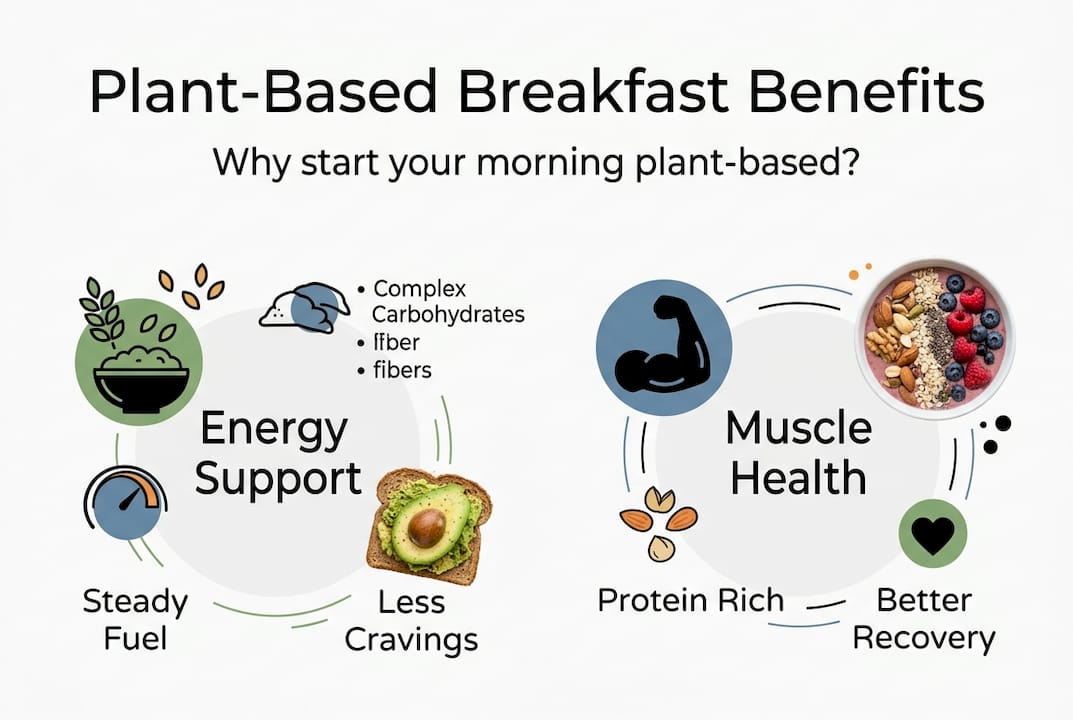
Breakfast sets the nutritional tone for your entire day, and what you eat in the first hour shapes your energy, focus, and hunger patterns right through to dinner. A nutrient-dense breakfast guide consistently shows that fibre and protein together are the two most powerful tools for suppressing mid-morning cravings and keeping blood sugar stable.
The science is clear. High-protein breakfasts reduce cravings and improve the quality of food choices made later in the day, supporting satiety across the board. When you start with whole plant foods rather than processed cereals or pastries, you are feeding your body with complex carbohydrates, micronutrients, and plant compounds that refined alternatives simply cannot match.
For active people, this matters even more. A common concern is whether plant-based eating can support real athletic performance. Research confirms that vegan diets match omnivorous diets for running performance and muscle metrics, meaning there is no performance penalty for skipping animal products at breakfast. What matters is the quality and completeness of what you eat, not whether it came from an animal.
Looking at the plant-based breakfast quality study published in Nature, nutrient-dense plant-based meals consistently improve overall diet quality throughout the day, not just at breakfast. That ripple effect is significant for anyone trying to build consistent wellness habits.
Here is a quick summary of what a well-constructed plant-based breakfast delivers:
- Sustained energy from complex carbohydrates and healthy fats
- Better focus from steady blood sugar rather than a glucose spike and crash
- Muscle support via complete proteins from tofu, soy, beans, and seeds
- Easier meal prep because most options require minimal cooking
- Improved diet quality throughout the rest of the day
“Nutrient-dense plant-based breakfasts improve the quality of later meals and support satiety far more effectively than low-fibre, high-sugar alternatives.”
Exploring plant-based protein breakfast options and understanding how to maximise breakfast protein are the two practical steps that make the biggest difference for active adults.
What you need: simple ingredients and smart swaps
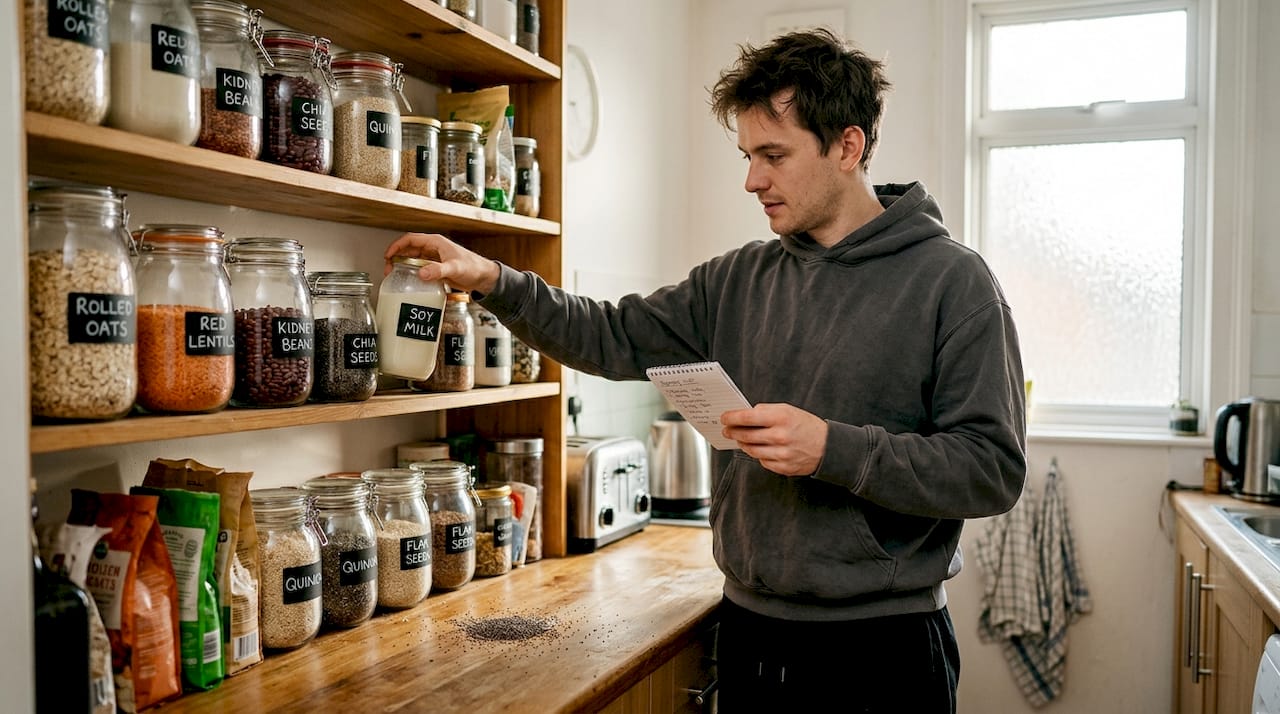
Building a reliable plant-based breakfast routine starts with stocking the right ingredients. The good news is that the core list is short, affordable, and available in most supermarkets across the UK.
Here is a comparison of the best options across protein, carbohydrate, and healthy fat categories:
| Category | Top choices | Protein per serving |
|---|---|---|
| Protein | Firm tofu, soy milk, black beans, edamame | 10 to 20g |
| Carbohydrates | Rolled oats, wholegrain bread, sweet potato | 4 to 8g |
| Healthy fats | Nut butters, chia seeds, hemp seeds, flaxseed | 3 to 6g |
| Micronutrient boosts | Nutritional yeast, leafy greens, turmeric | Varies |
For active adults aged 25 to 45, aim for 20g+ protein at breakfast by combining tofu or soy milk with seeds or beans alongside fibre-rich vegetables and whole grains. This combination delivers steady energy rather than a quick spike.
Your essential weekly shopping list should include:
- Firm tofu (versatile, high protein, quick to cook)
- Rolled oats (fibre-rich, filling, cheap)
- Chia seeds and hemp seeds (omega-3s, protein, texture)
- Plant milk, preferably soy (highest protein of all plant milks)
- Tinned black beans or chickpeas (convenient and protein-dense)
- Leafy greens such as spinach or kale
- A good spice selection: turmeric, cumin, smoked paprika, black salt
If you follow a fully vegan diet, B12 supplementation is recommended because plant foods do not provide reliable amounts of this essential vitamin. A daily supplement or fortified plant milk covers this gap simply and cheaply.
For further inspiration, the vegan protein sources guide and a nutritious breakfast checklist are practical references to keep bookmarked.
Pro Tip: For an eggy flavour in tofu scramble without eggs, combine nutritional yeast, black salt (kala namak), and a pinch of turmeric. The black salt contains sulphur compounds that genuinely replicate that distinctive egg taste.
Step-by-step: three easy, high-protein plant-based breakfasts
Once your kitchen is stocked, these three recipes will cover your mornings whether you have five minutes or twenty.
Recipe 1: Tofu scramble with black beans and spinach
- Press 200g of firm tofu between two plates for two minutes to remove excess water.
- Crumble the tofu into a hot, lightly oiled pan over medium heat.
- Add half a tin of black beans, a handful of spinach, and your spice mix (turmeric, smoked paprika, black salt).
- Stir and cook for eight to ten minutes until golden and slightly crispy at the edges.
- Serve on wholegrain toast or in a wrap.
A tofu scramble with black beans delivers 20 to 30g of protein per serving and takes 15 to 20 minutes using a single pan. It is genuinely one of the most efficient high-protein breakfasts available.
Recipe 2: High-protein overnight oats
- Combine 80g rolled oats with 250ml soy milk in a jar.
- Add two tablespoons of chia seeds and one tablespoon of hemp seeds.
- Stir, seal, and refrigerate overnight.
- Top with fresh or frozen berries in the morning.
Overnight oats with soy milk and seeds provide 18 to 33g of protein per serving depending on additions, with zero morning cooking required.
Recipe 3: Power breakfast bowl
- Base: cooked quinoa or leftover sweet potato.
- Add: half an avocado, a soft-boiled tofu slice or edamame, and roasted chickpeas.
- Drizzle with tahini and a squeeze of lemon.
- Season with cumin and chilli flakes.
| Recipe | Prep time | Protein | Prep style |
|---|---|---|---|
| Tofu scramble | 15 to 20 min | 20 to 30g | Morning cook |
| Overnight oats | 3 min (night before) | 18 to 33g | Make-ahead |
| Power breakfast bowl | 10 min | 18 to 25g | Batch-friendly |
For more inspiration, browse high-protein breakfast ideas, vegan high-protein meals, and high-protein breakfast without eggs. For a creamy, no-cook alternative, a high-protein chia pudding is worth trying.
Pro Tip: Double every recipe on Sunday. Tofu scramble keeps well in the fridge for three days and reheats in two minutes. Overnight oats can be portioned into four jars at once, giving you a ready breakfast every morning until Thursday.
Troubleshooting and time-saving hacks for plant-based breakfasts
Even with clear recipes, busy mornings and shifting tastes can make even the best routine feel stale. Here is how to keep things working smoothly.
The most common issues and their fixes:
- No time in the morning: Shift your prep to the evening. Overnight oats, chia pudding, and pre-portioned breakfast bowls all take three minutes the night before and zero effort in the morning.
- Tofu is bland or watery: Press it longer and use more spice. Black salt is the game-changer most people miss.
- Getting bored of the same thing: Batch cook variety using baked oatmeal, breakfast hashes, and grain bowls on rotation. Nutritionists consistently recommend variety for both nutrient diversity and long-term adherence.
- Not feeling full: You are likely under-eating protein. Add an extra tablespoon of hemp seeds, a scoop of soy protein powder, or a spoonful of nut butter to hit that 20g minimum.
- Nut allergy: Swap nut butters for sunflower seed butter or tahini. Both are rich in healthy fats and completely nut-free.
- Soy intolerance: Use oat milk or pea milk and replace tofu with chickpeas or lentils for your protein base.
For more strategies, the cheap high-protein vegan breakfast guide covers budget-friendly approaches that do not sacrifice nutrition. And for a detailed breakdown of high-protein tofu scramble tips, there are practical techniques to push your scramble to 30g protein per serving.
Pro Tip: Create three pre-mixed spice jars labelled “scramble blend”, “sweet oats blend”, and “bowl blend”. Grab and sprinkle without thinking. This single habit removes the biggest friction point in morning cooking.
Rotating your ingredients weekly, rather than eating the same meal every day, also helps your gut microbiome thrive by exposing it to a wider range of plant fibres and compounds.
The truth about plant-based breakfasts: what experts get wrong
Here is something worth saying plainly: most plant-based breakfast content is written for people who already eat this way. It assumes motivation, time, and familiarity with ingredients like miso, tempeh, or activated buckwheat. For genuinely busy, active people, that content misses the point entirely.
The bigger mistake is the persistent myth that plant-based eating means carb-heavy and protein-light. It does not. As research confirms, smart plant combinations deliver all-day stamina, satiety, and protein levels that match traditional breakfasts. The issue is not the food. It is the framing.
Active adults in their 30s and 40s do not need another smoothie bowl recipe with seventeen toppings. They need a reliable 15-minute option that hits 25g of protein, keeps them full until noon, and does not require a blender. That is what the three recipes above actually deliver. Nutrient timing matters too. Eating protein within an hour of waking supports muscle protein synthesis, which is especially relevant if you train in the morning or at lunchtime. Most breakfast advice glosses over this completely. The practical reality is that plant-based breakfasts, done well, are not a compromise. They are an upgrade.
Make every breakfast easy (and better) with Granavitalis
If you want your plant-based breakfast routine to be even simpler and more satisfying, Granavitalis has exactly what you need to take it further.

Stirring a spoonful of raw pecan butter into your overnight oats adds rich flavour, healthy fats, and a hit of natural energy without any fuss. For variety, the nut and seed butter selection gives you multiple options to rotate through your bowls, toast, and recipes each week. Every product we make at Granavitalis is sourced for purity and crafted to support real-life wellness goals. No shortcuts, no fillers. Just clean, wholefood ingredients that belong in a genuinely energising breakfast.
Frequently asked questions
What is the fastest easy plant-based breakfast for busy mornings?
Overnight oats or chia pudding can be prepped in three minutes the night before, providing up to 33g of protein and high fibre ready for you in the morning with zero cooking required.
Can plant-based breakfasts support an active lifestyle and muscle building?
Yes. Plant-based diets match omnivorous diets for athletic performance and muscle recovery metrics, meaning a well-constructed plant-based breakfast fuels training just as effectively as traditional options.
How much protein should a plant-based breakfast contain?
Aim for at least 20g of protein by combining tofu, soy milk, beans, or seeds with whole grains to support energy, muscle maintenance, and lasting fullness.
Should I supplement anything if I am fully plant-based?
Yes. A regular vitamin B12 supplement is recommended for anyone following a fully vegan or plant-based diet, as plant foods do not provide reliable amounts of this essential vitamin.
Recommended
- Plant-based breakfast options for protein and energy – Granavitalis
- Nutrient-dense breakfast guide for wellness 2026 – Granavitalis
- Cheap High Protein Breakfast: Easy Vegan UK Guide – Granavitalis
- Build a high-protein breakfast with ancient grains – Granavitalis
- Efficient Meal Prep for Backpacking Guide for Multi-Day Hikes