
Nutrient-dense breakfast guide for wellness 2026
Most people believe their morning bowl of cereal or toast qualifies as a healthy breakfast. Yet research reveals that many popular breakfast choices deliver surprisingly low nutrient density, missing the essential vitamins, minerals, and complete proteins your body needs for sustained energy and wellness. This guide explores how ancient grains and plant-based proteins create genuinely nutrient-rich breakfasts that fuel vitality throughout your day. You’ll discover which ingredients deliver maximum nutritional value, how breakfast quality influences your entire day’s diet, and practical steps to build balanced morning meals that support long-term health.
Table of Contents
- Why Ancient Grains And Plant Proteins Matter For A Nutrient-Dense Breakfast
- How Nutrient-Dense Breakfasts Improve Daily Diet And Wellness
- Comparing Popular Breakfasts: Nutrient Density And Health Impact
- Practical Tips For Creating Balanced Nutrient-Dense Breakfasts
- Discover Nutrient-Rich Ingredients At Granavitalis
Key takeaways
| Point | Details |
|---|---|
| Ancient grains deliver superior nutrition | Quinoa, amaranth, and buckwheat provide complete proteins, higher fibre, and more minerals than refined grains. |
| Breakfast quality shapes daily diet | A nutrient-dense morning meal correlates with seven times better overall diet quality throughout the day. |
| Plant proteins stabilise energy | Combining ancient grains with plant-based proteins promotes sustained energy, satiety, and reduced chronic disease risk. |
| Preparation methods matter | Soaking, fermenting, and slow cooking enhance nutrient bioavailability and digestibility of whole grains. |
Why ancient grains and plant proteins matter for a nutrient-dense breakfast
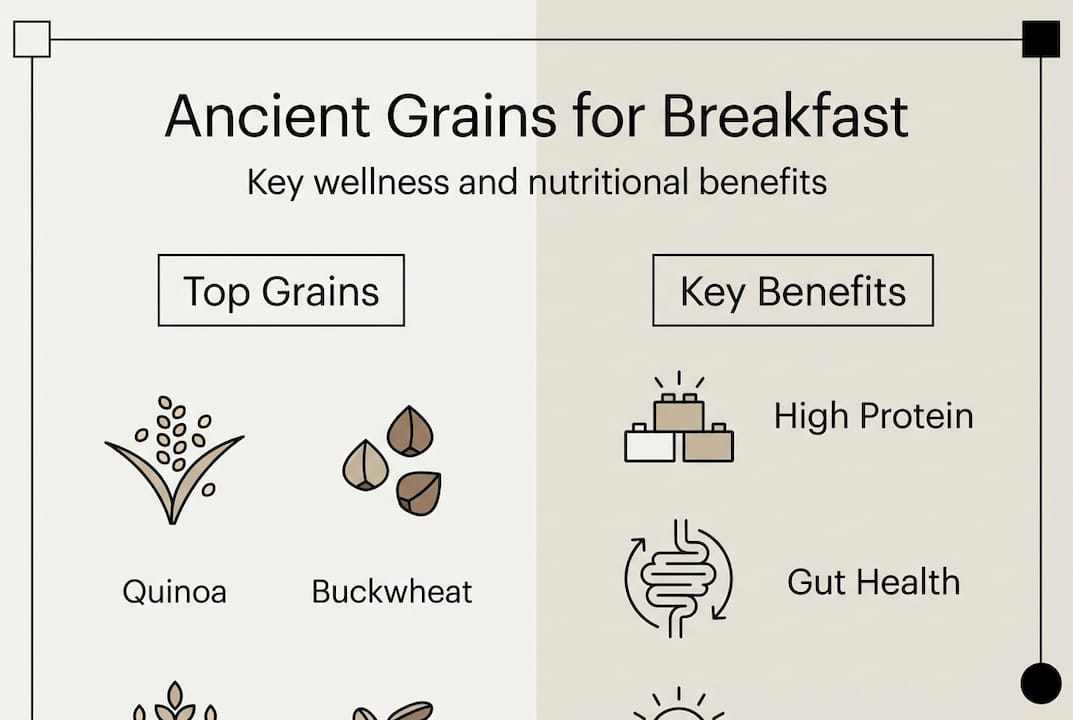
Ancient grains are heritage varieties that remain largely unchanged by modern agricultural hybridisation. Unlike refined grains stripped of their bran and germ, ancient grains retain their complete nutritional structure. This distinction translates into measurably higher concentrations of protein, dietary fibre, and essential minerals.
Consider the standout options. Ancient grains like quinoa, buckwheat, and amaranth provide complete proteins, higher fibre and minerals than modern refined grains. Quinoa and amaranth are particularly remarkable because quinoa contains all nine essential amino acids making it a complete protein source, a rarity in the plant kingdom. Buckwheat delivers substantial amounts of magnesium and manganese whilst remaining naturally gluten-free. Millet offers B vitamins and phosphorus. Spelt provides notable zinc content. Teff, the tiny grain from Ethiopia, packs impressive calcium and iron levels.
These nutritional profiles directly support morning wellness. The higher fibre content in ancient grains slows glucose absorption, preventing the blood sugar spikes and crashes associated with refined breakfast cereals. Iron supports oxygen transport and combats morning fatigue. Magnesium aids muscle function and nervous system regulation. Zinc strengthens immune response.
Plant-based proteins play an equally vital role. When you combine ancient grains with nuts, seeds, or legume-based proteins, you create a breakfast that stabilises blood sugar and extends satiety well into midday. This combination prevents the mid-morning energy dip that sends many people reaching for sugary snacks.
The fibre in whole grains also feeds beneficial gut bacteria, supporting digestive health and nutrient absorption. A healthy gut microbiome influences everything from immune function to mood regulation, making your breakfast choice a foundation for whole-body wellness.
Pro Tip: Soak ancient grains overnight in filtered water with a splash of lemon juice or apple cider vinegar. This simple step reduces phytic acid content, which can bind minerals and reduce their absorption. Slow cooking or fermenting grains similarly improves bioavailability, allowing your body to access more of the nutrients these grains contain.
Exploring top ancient grains for breakfast reveals the diverse options available for building genuinely nourishing morning meals.
How nutrient-dense breakfasts improve daily diet and wellness
Scientists use the Nutrient Rich Foods Index 9.3 to quantify food quality objectively. This scoring system awards points for nine beneficial nutrients whilst subtracting points for three components best consumed in moderation. The nine positive nutrients are protein, dietary fibre, vitamin A, vitamin C, vitamin D, calcium, iron, potassium, and magnesium. The three negative factors are saturated fat, added sugar, and sodium.
When researchers applied this index to breakfast choices, they discovered something remarkable. Higher NRF9.3 index at breakfast associates with 7x better overall diet quality and nutrient sufficiency throughout the day. Your morning meal doesn’t just affect your morning. It sets a nutritional trajectory that influences every subsequent eating decision.
The mechanism behind this effect involves both physiological and behavioural factors. Fibre at breakfast boosts dinner nutrient density; sugar/fat at breakfast lowers lunch NRF. A breakfast rich in fibre and protein triggers satiety hormones that regulate appetite throughout the day. You naturally gravitate towards more nutritious choices at later meals because your body’s nutrient needs are already partially met.
Conversely, starting your day with refined carbohydrates and added sugars creates a blood glucose rollercoaster. The rapid spike followed by a sharp drop triggers hunger signals that often lead to poor food choices at lunch. This pattern compounds throughout the day, resulting in lower overall nutrient intake.
Ancient grains contribute bioactive compounds beyond basic macronutrients and minerals. These grains contain polyphenols, flavonoids, and other antioxidants that combat oxidative stress and inflammation. Chronic low-grade inflammation links to numerous health conditions, including cardiovascular disease, type 2 diabetes, and metabolic syndrome. Regular consumption of these anti-inflammatory compounds may reduce long-term disease risk.
“The quality of your first meal creates a ripple effect. A nutrient-dense breakfast establishes metabolic patterns that support better choices and stable energy levels throughout your waking hours.”
Here’s how different breakfast types compare using NRF9.3 scoring:
| Breakfast type | Protein (g) | Fibre (g) | Key vitamins/minerals | NRF9.3 score | Impact on energy |
|---|---|---|---|---|---|
| Sugary refined cereal with milk | 6 | 1 | Low B vitamins, some calcium | 12 | Rapid spike, crash |
| White toast with jam | 4 | 2 | Minimal | 8 | Short-lived energy |
| Porridge with berries | 8 | 6 | Iron, B vitamins, vitamin C | 45 | Moderate sustained |
| Ancient grain bowl with nuts | 14 | 9 | Iron, magnesium, zinc, vitamin E | 78 | Sustained, stable |
Understanding nutrient-dense breakfast steps helps you apply these principles to create meals that genuinely support your wellness goals.
Comparing popular breakfasts: nutrient density and health impact
Not all breakfast choices deliver equal nutritional value. Understanding the differences helps you make informed decisions that align with your health objectives.
Refined grain cereals dominate supermarket shelves, yet they represent the least nutrient-dense option. Manufacturing processes strip away the bran and germ where most vitamins, minerals, and fibre reside. Many manufacturers then fortify these products with synthetic vitamins, but this doesn’t replicate the complex nutritional matrix of whole grains. These cereals typically contain added sugars that provide empty calories whilst spiking blood glucose.
Traditional porridge made from whole oats offers improvement. Oats retain their bran and provide beta-glucan, a soluble fibre that supports heart health and stable blood sugar. However, oats alone don’t provide complete protein, and their mineral content, whilst respectable, doesn’t match ancient grain alternatives.

Ancient grains and plant-based breakfasts provide more balanced nutrient profiles and fewer negative components than refined grain breakfasts. A bowl combining quinoa or amaranth with nuts, seeds, and fresh fruit delivers complete proteins, substantial fibre, and a broader spectrum of minerals. The natural fats from nuts and seeds support absorption of fat-soluble vitamins whilst contributing to satiety.
When selecting breakfast components for maximum nutrient density, consider these factors:
- Protein completeness: Does the meal provide all essential amino acids your body cannot synthesise?
- Fibre content: Aim for at least 5-8 grams per serving to support digestive health and blood sugar stability.
- Micronutrient diversity: Choose ingredients that contribute different vitamins and minerals rather than relying on a single source.
- Processing level: Minimally processed whole foods retain more of their natural nutritional value.
- Added sugar content: Keep added sugars below 5 grams per serving to avoid blood glucose spikes.
- Healthy fat inclusion: Nuts, seeds, and avocado provide essential fatty acids and improve nutrient absorption.
The impact on your body varies significantly. Refined, sugary breakfasts cause rapid glucose elevation followed by insulin surge and subsequent energy crash. This pattern leaves you feeling tired and hungry within two hours. Ancient grain-based meals with balanced macronutrients produce gradual glucose elevation and sustained energy lasting four to six hours. The higher protein and fibre content triggers release of satiety hormones that naturally regulate appetite.
Digestive comfort also differs. Refined grains move quickly through your system, providing minimal benefit to gut bacteria. Whole ancient grains feed beneficial microbes, supporting a healthy gut environment that influences immune function, nutrient synthesis, and even mood regulation.
Discover quick protein breakfast ancient grains options that fit busy morning schedules without compromising nutritional quality.
Practical tips for creating balanced nutrient-dense breakfasts
Transforming nutritional knowledge into daily practice requires straightforward strategies that fit real-world schedules. Follow these steps to build breakfasts that genuinely support your wellness:
- Select your ancient grain base: Choose quinoa, amaranth, buckwheat, millet, or teff as your foundation. Rotate between options throughout the week for nutritional variety.
- Add complementary plant proteins: Incorporate nuts, seeds, nut butters, or plant-based protein powder to boost amino acid profiles and healthy fats.
- Include colourful produce: Fresh or frozen berries, sliced banana, grated apple, or sautéed vegetables add vitamins, antioxidants, and natural sweetness.
- Incorporate healthy fats: A tablespoon of ground flaxseed, chia seeds, hemp hearts, or nut butter supports hormone production and nutrient absorption.
- Enhance with natural flavours: Cinnamon, vanilla, ginger, or cardamom add taste complexity without sugar whilst contributing their own anti-inflammatory compounds.
- Balance your portions: Aim for roughly 40% complex carbohydrates, 30% protein, and 30% healthy fats to optimise satiety and energy.
Preparation methods significantly influence nutrient availability. Slow cooking and fermentation techniques enhance nutrient bioavailability and digestibility of ancient grains. Soaking grains for 8-12 hours before cooking reduces phytic acid, an antinutrient that binds minerals and prevents absorption. Adding an acidic medium like lemon juice or apple cider vinegar to the soaking water enhances this effect.
Slow cooking at lower temperatures preserves more heat-sensitive nutrients compared to rapid boiling. A slow cooker allows you to prepare a week’s worth of ancient grain porridge base overnight. Portion into containers and refrigerate. Each morning, reheat a serving and add fresh toppings.
Fermenting grains creates an even more digestible product. Traditional preparations like sourdough demonstrate how fermentation pre-digests complex carbohydrates and increases B vitamin content. You can apply similar principles to breakfast grains by soaking them with a small amount of yoghurt or kefir, which introduces beneficial bacteria.
Pro Tip: Batch preparation solves the time constraint many people face. Cook a large pot of mixed ancient grains on Sunday evening. Quinoa, millet, and amaranth work well together. Store in the refrigerator for up to five days. Each morning, scoop out a portion, warm it, and customise with different toppings. This approach provides convenience without sacrificing nutrition.
Tracking your intake helps ensure balance. You don’t need obsessive calorie counting, but periodically logging your breakfast composition reveals patterns. Are you getting enough protein? Is your fibre intake adequate? Simple awareness often prompts better choices.
Applying NRF9.3 principles means asking: Does this breakfast provide substantial amounts of the nine beneficial nutrients whilst minimising saturated fat, added sugar, and sodium? Ancient grains naturally excel in this framework, especially when paired with nutrient-dense additions.
Explore easy nutritious breakfast ancient grains vegan protein recipes that demonstrate these principles in action. For those seeking comprehensive morning nutrition, consider a full morning ritual approach that supports your wellness goals from the moment you wake.
Discover nutrient-rich ingredients at Granavitalis
Building genuinely nutrient-dense breakfasts starts with quality ingredients. Granavitalis sources premium nuts, seeds, and nut butters that complement ancient grain breakfasts perfectly.

Our raw organic pecan butter delivers healthy fats, plant-based protein, and a rich, buttery flavour that transforms morning porridge. Pecans provide notable amounts of thiamine, zinc, and manganese whilst contributing anti-inflammatory polyphenols. The raw, organic processing preserves heat-sensitive nutrients often destroyed in conventional production.
Explore our organic nut and seed butter selection to discover variety. Each butter brings unique nutritional benefits and flavour profiles that prevent breakfast monotony. Our nibbed hazel nuts offer convenient texture and concentrated nutrition, perfect for sprinkling over ancient grain bowls.
Granavitalis products honour traditional food wisdom whilst meeting modern nutritional needs. We believe true vitality comes from ingredients rooted in heritage, minimally processed, and transparently sourced. Every product supports your commitment to wholefood nutrition that genuinely serves your body and mind.
FAQ
What are the best ancient grains for breakfast?
Quinoa tops the list because it provides complete protein with all nine essential amino acids. Amaranth similarly offers complete protein alongside impressive calcium and iron content. Buckwheat delivers magnesium and stays naturally gluten-free despite its name. Millet provides B vitamins and easily digestible carbohydrates. Teff, though tiny, packs substantial calcium and iron. Each grain brings unique nutritional strengths, so rotating between options maximises dietary diversity. Learn more about 7 ancient grains to try healthier breakfast options.
How can I increase protein in a plant-based breakfast?
Combine protein-rich ancient grains like quinoa or amaranth with nuts, seeds, or nut butters. A serving of quinoa provides about 8 grams of protein, whilst two tablespoons of almond butter adds another 7 grams. Sprinkling hemp seeds contributes complete protein with all essential amino acids. Mixing complementary protein sources ensures you obtain the full spectrum of amino acids your body needs. For practical ideas, explore quick protein breakfast ancient grains recipes that deliver 15-20 grams of plant-based protein per serving.
What cooking methods improve nutrient absorption in grains?
Slow cooking and fermentation improve bioavailability of nutrients in ancient grains. Soaking grains for 8-12 hours before cooking reduces phytic acid, which otherwise binds minerals and prevents absorption. Adding acidic ingredients like lemon juice to soaking water enhances this effect. Slow cooking at lower temperatures preserves more vitamins compared to rapid boiling. Fermenting grains with yoghurt or kefir introduces beneficial bacteria that pre-digest complex carbohydrates and increase B vitamin content. These traditional preparation methods significantly improve how much nutrition your body actually absorbs. Discover detailed nutrient-dense breakfast steps for optimal preparation.
How does a nutrient-dense breakfast affect all-day energy?
High nutrient density at breakfast improves sustained energy and nutrient intake through the day. Balanced breakfasts with adequate protein, fibre, and healthy fats produce gradual glucose elevation rather than spikes and crashes. This stability maintains consistent energy levels for four to six hours. The satiety hormones triggered by protein and fibre naturally regulate appetite, reducing cravings for sugary snacks. Your breakfast choice also influences subsequent meal quality, creating a positive nutritional trajectory that compounds throughout your day. Starting with nutrient-dense foods essentially programmes your body for better choices and stable energy from morning through evening.
Recommended
- Nutritious Breakfasts: Fuel for Modern Wellbeing – Granavitalis
- Nutritious Breakfast Checklist: Build Your Morning Power Meal – Granavitalis
- Nutrient-Dense Breakfasts: Fuel for UK Wellness – Granavitalis
- 7 Micronutrient-Packed Breakfast Foods for Lasting Energy – Granavitalis
- Sustainable wellness habits guide for lasting health in 2026 – EQUA - Sustainable Water Bottles