
Maximise breakfast protein for lasting energy and satiety
Most people believe a slice of toast or bowl of cereal provides enough morning fuel, yet research reveals that breakfasts with fewer than 15 grams of protein leave you hungry within hours. The difference between adequate and optimal protein intake at breakfast dramatically affects your appetite hormones, energy levels throughout the day, and your body’s ability to maintain muscle tissue. This guide examines the science behind breakfast protein’s effects on satiety, compares plant and animal protein sources for muscle health, and explores traditional European wholefood breakfasts that naturally deliver the protein your body needs each morning.
Table of Contents
- Key takeaways
- How protein at breakfast influences appetite and energy intake
- Plant versus animal protein: effects on muscle synthesis and satiety
- High-protein breakfast traditions across Europe with modern nutrient enhancements
- Balancing protein intake with broader European dietary patterns and sustainability
- Explore nutrient-dense, high-protein options at Granavitalis
- FAQ
Key Takeaways
| Point | Details |
|---|---|
| Protein at breakfast matters | A 25 to 35 grams breakfast serving elevates satiety hormones and slows gastric emptying, curbing mid morning hunger and later energy intake. |
| Whey supports muscle synthesis | While both whey and pea proteins raise satiety hormones, whey protein tends to enhance muscle protein synthesis more effectively when consumed at breakfast. |
| Plant and animal proteins | Both plant and animal proteins can boost fullness by raising GLP1 and PYY, with similar satiety effects when matched for amount. |
| European breakfast templates | Traditional European breakfasts provide nutritious high protein templates to emulate for a protein rich morning meal. |
How protein at breakfast influences appetite and energy intake
Your body responds to morning protein intake by triggering a cascade of hormonal signals that regulate hunger and fullness throughout the day. When you consume a high-protein breakfast (25-35g protein), your gut releases elevated levels of glucagon-like peptide-1 (GLP-1) and peptide YY (PYY), two hormones that communicate satiety to your brain. These hormones slow gastric emptying, meaning food stays in your stomach longer, creating a sustained feeling of fullness that reduces the likelihood of mid-morning snacking.
The thermogenic effect of protein also contributes to appetite regulation. Your body expends more energy digesting protein compared to carbohydrates or fats, a process called diet-induced thermogenesis. This increased metabolic activity not only burns additional calories but also generates signals that suppress appetite. Research consistently demonstrates that individuals consuming protein-rich breakfasts report lower hunger scores and consume fewer calories at subsequent meals compared to those eating high-carbohydrate, low-protein options.
Interestingly, the satiety benefits of breakfast protein remain consistent across age groups. Studies involving both younger adults and those over 50 show similar appetite-suppressing effects when protein intake reaches the 25-35 gram threshold. This finding matters because many people assume older adults require different nutritional approaches, yet the fundamental hormonal responses to protein remain remarkably stable throughout adulthood.
The practical implications extend beyond simple hunger management. By reducing subsequent energy intake naturally through hormonal mechanisms, adequate breakfast protein supports weight management without requiring conscious calorie restriction. Your body essentially self-regulates intake more effectively when morning meals provide sufficient protein.
Key mechanisms of protein-induced satiety:
- GLP-1 hormone release signals fullness to the brain and slows stomach emptying
- PYY elevation reduces appetite and delays return of hunger sensations
- Increased thermogenesis burns extra calories during digestion
- Stabilised blood glucose prevents energy crashes that trigger cravings
- Enhanced meal satisfaction reduces psychological drive to snack
“The elevation of satiety hormones following high-protein breakfasts creates a biological advantage for appetite control that extends well beyond the morning meal, influencing energy balance throughout the entire day.”
For those seeking to optimise energy and recovery, understanding these mechanisms clarifies why simply adding protein-rich foods to breakfast produces measurable benefits without complicated dietary protocols.
Plant versus animal protein: effects on muscle synthesis and satiety
Whilst both plant and animal proteins effectively stimulate satiety hormones when consumed in equal amounts, their impacts on muscle protein synthesis differ substantially. This distinction matters particularly for health-conscious individuals prioritising both appetite control and muscle maintenance as part of their wellness goals.
When researchers compare whey protein to pea protein in breakfast contexts, satiety responses appear similar. Both protein types elevate GLP-1 and PYY to comparable degrees when matched gram for gram, meaning a 30-gram serving of pea protein produces fullness signals roughly equivalent to 30 grams of whey. This finding challenges the assumption that only animal proteins effectively suppress appetite, demonstrating that plant-based protein sources can support satiety goals when consumed in adequate quantities.
However, the leucine response tells a different story. Leucine, an essential amino acid, acts as a primary trigger for muscle protein synthesis, the process by which your body repairs and builds muscle tissue. Studies show that supplementing breakfast with whey protein produces significantly higher postprandial leucine concentrations compared to equivalent amounts of pea protein, especially in middle-aged and older adults. This elevated leucine availability translates to more robust muscle protein synthesis, supporting muscle maintenance and recovery.
The practical implication centres on matching protein choices to your specific health priorities. If your primary goal involves appetite management and weight control, plant proteins perform admirably. If muscle preservation matters equally, particularly as you age, incorporating whey or other high-leucine animal proteins provides measurable advantages.
| Protein source | Satiety effect | Leucine response | Muscle protein synthesis | Best for |
|---|---|---|---|---|
| Whey protein | High | Very high | Excellent | Muscle maintenance, recovery, older adults |
| Pea protein | High | Moderate | Good | Plant-based diets, appetite control, sustainability |
| Mixed plant proteins | High | Moderate to high | Good to very good | Balanced approach, nutrient diversity |
| Egg whites | High | High | Excellent | Whole food preference, nutrient density |
Pro tip: Combine complementary plant proteins at breakfast to optimise leucine content naturally. Pairing hemp seeds (rich in leucine) with pea protein powder, or adding pumpkin seeds to oat-based meals, elevates the leucine profile of plant-based breakfasts whilst maintaining sustainability benefits. This strategy allows you to support muscle health without relying exclusively on animal proteins.
For individuals following plant-based eating patterns, understanding these nuances enables strategic protein selection that addresses both immediate satiety needs and longer-term muscle health goals simultaneously.
High-protein breakfast traditions across Europe with modern nutrient enhancements
European culinary traditions offer remarkable templates for wholefood, protein-rich breakfasts that modern health-conscious individuals can adapt and enhance. These regional dishes demonstrate that adequate morning protein intake need not rely on processed supplements or unfamiliar foods, instead drawing from time-honoured preparations that naturally deliver substantial protein alongside other essential nutrients.
German Bauernfrühstück, or farmer’s breakfast, combines eggs, potatoes, and often bacon or ham into a hearty skillet dish that provides approximately 28 grams of protein per serving. The combination of whole eggs and potato creates a satisfying meal that sustained agricultural workers through demanding morning labour. Danish Æggekage, a thick pancake-style omelette often filled with vegetables and served with rye bread, delivers similar protein levels whilst incorporating fibre-rich whole grains. Swiss Bircher muesli, when prepared traditionally with nuts, seeds, and dairy, reaches 30 grams of protein, demonstrating that even grain-based breakfasts can meet higher protein targets.

| Traditional breakfast | Protein content | Approximate calories | Main protein sources | Cultural origin |
|---|---|---|---|---|
| Bauernfrühstück | 28g | 420 | Eggs, ham, cheese | Germany |
| Æggekage with rye | 26g | 380 | Eggs, milk, rye bread | Denmark |
| Bircher muesli (traditional) | 30g | 450 | Oats, nuts, yoghurt, milk | Switzerland |
| Full English (modified) | 32g | 480 | Eggs, beans, mushrooms | United Kingdom |
Modern adaptations of these classics allow you to boost protein content further whilst maintaining the essential character of each dish. Adding cottage cheese or skyr to Bircher muesli increases protein by 12-15 grams per serving without altering the creamy texture. Incorporating white beans or lentils into Bauernfrühstück provides plant protein alongside the traditional eggs. Spreading nut butters on rye bread accompanying Æggekage adds both protein and healthy fats.
Ways to enhance traditional European breakfasts with modern protein sources:
- Stir unflavoured protein powder into porridge or muesli bases (adds 20-25g protein)
- Replace regular yoghurt with Greek yoghurt or skyr in any dairy-based dish (doubles protein content)
- Add hemp seeds or chia seeds to grain-based breakfasts (contributes 5-8g protein per tablespoon)
- Include nut butters as spreads or stirred into warm cereals (provides 6-8g protein per serving)
- Incorporate white beans into egg dishes for additional plant protein and fibre
Pro tip: Balance nutrient density with flavour by choosing enhancement ingredients that complement rather than compete with traditional tastes. Unflavoured protein powder disappears into porridge, whilst vanilla-flavoured options can overwhelm delicate flavours. Similarly, selecting nut butters that match the regional character of the dish, such as hazelnut butter with Swiss muesli or almond butter with Scandinavian rye bread, maintains authenticity whilst boosting nutrition.
These fast, high-protein breakfast approaches demonstrate that traditional wisdom and modern nutritional science align beautifully. You need not abandon cultural food heritage to meet contemporary protein recommendations. For those seeking high-protein options without eggs, the muesli and enhanced porridge approaches offer equally effective alternatives rooted in European wholefood traditions.
Balancing protein intake with broader European dietary patterns and sustainability
Protein consumption patterns across Europe reveal significant variation in source preferences, with implications for both personal health and environmental sustainability. Understanding these patterns helps you make informed choices that align with your health goals whilst considering broader ecological impacts.
Current data indicates that animal proteins dominate European breakfast tables, representing 64-69% of total protein intake in most regions. Eggs, dairy products, and processed meats constitute the primary morning protein sources for the majority of Europeans. Whilst these foods deliver complete proteins with favourable amino acid profiles, their production carries higher environmental costs compared to plant alternatives.
Plant-forward dietary patterns demonstrate measurably lower greenhouse gas emissions and land use requirements whilst delivering higher nutrient density per calorie when sources are selected thoughtfully. Legumes, nuts, seeds, and whole grains provide substantial protein alongside fibre, vitamins, minerals, and beneficial plant compounds that animal proteins lack. The challenge lies in achieving adequate protein quantities from plant sources at breakfast, as many traditional plant-based morning foods contain relatively modest protein levels.
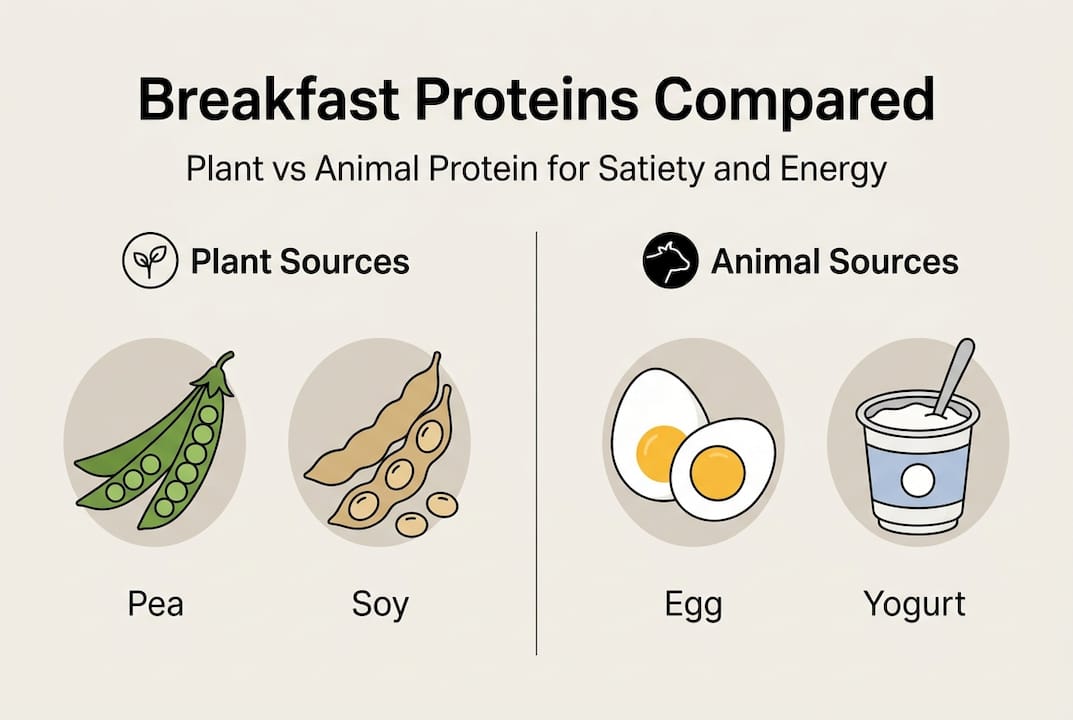
Health-conscious consumers increasingly recognise that optimal nutrition involves balancing multiple factors simultaneously: protein adequacy, amino acid quality, micronutrient density, and environmental sustainability. This awareness drives growing interest in hybrid approaches that incorporate both animal and plant proteins strategically, maximising the benefits of each whilst mitigating individual limitations.
Benefits of increasing plant protein at breakfast:
- Reduced environmental footprint through lower greenhouse gas emissions and land use
- Higher fibre intake supporting digestive health and stable blood glucose
- Increased phytonutrient consumption from whole plant foods
- Lower saturated fat intake when replacing processed meats
- Cost savings as plant proteins typically cost less per gram than animal sources
- Greater dietary diversity introducing varied nutrient profiles
The practical application involves identifying nutrient-dense plant proteins that integrate easily into breakfast routines without requiring extensive preparation. Hemp seeds, for instance, provide 10 grams of protein per 3 tablespoons alongside omega-3 fatty acids and minerals. Nut butters deliver 6-8 grams of protein per serving with minimal preparation. Incorporating these foods into existing breakfast patterns gradually shifts the animal-to-plant protein ratio without demanding wholesale dietary overhaul.
For those exploring vegan meals high in protein, European breakfast traditions offer surprisingly adaptable frameworks. Bircher muesli transitions seamlessly to plant-based versions using oat milk and vegan yoghurt alternatives. Scandinavian open-faced sandwiches accommodate hummus, nut butters, and seed spreads as protein-rich toppings. Even traditionally egg-based dishes like Æggekage have successful plant-based interpretations using chickpea flour or tofu as the protein base.
The key insight recognises that neither purely animal-based nor exclusively plant-based approaches hold monopoly on optimal breakfast nutrition. Your specific health status, activity levels, ethical considerations, and taste preferences all legitimately influence ideal protein choices. What matters most is achieving adequate total protein intake from nutrient-dense sources, whether those sources come primarily from plants, animals, or a thoughtful combination of both.
Explore nutrient-dense, high-protein options at Granavitalis
Applying the insights from this guide becomes simpler when you have access to convenient, wholefood protein sources that align with both traditional nutrition wisdom and modern wellness goals. Granavitalis curates premium nut butters, seed blends, and superfood mixes specifically to help you enhance breakfast protein quality without compromising on taste or nutrient density.
Our raw organic pecan butter delivers rich, creamy texture alongside protein, healthy fats, and minerals that support morning vitality. Spread it on whole grain bread, stir it into porridge, or add it to smoothies for an instant protein boost. For those wanting variety, the organic nut and seed butter selection box provides multiple flavour profiles to rotate through your breakfast routine, preventing taste fatigue whilst maintaining consistent protein intake. When you seek additional immune support alongside protein, our superfoods mix combines nutrient-dense ingredients that complement any breakfast base, from yoghurt to oatmeal. Each product reflects our commitment to purity, minimal processing, and maximum nutritional integrity, helping you fuel your mornings with foods rooted in wholefood traditions yet optimised for contemporary wellness needs.
FAQ
What amount of protein is ideal at breakfast for adults?
Research consistently shows that 25-35 grams of protein at breakfast optimally stimulates satiety hormones and reduces subsequent calorie intake. This range applies to most adults regardless of age, though highly active individuals or those focused on muscle building may benefit from amounts towards the upper end or slightly beyond.
Can plant proteins provide the same benefits as animal proteins in breakfast?
Plant proteins match animal proteins for satiety effects when consumed in equal amounts, meaning both effectively suppress appetite. However, whey and other animal proteins deliver higher leucine levels, which better support muscle protein synthesis, particularly important for adults over 50 focused on muscle maintenance.
Are high-protein breakfasts suitable for weight management?
Yes, high-protein breakfasts support weight management by elevating satiety hormones that naturally reduce hunger and subsequent calorie intake throughout the day. This hormonal regulation helps your body self-regulate energy balance without requiring conscious calorie restriction or willpower-dependent strategies.
How can traditional European breakfasts be adapted for more protein?
Add cottage cheese or skyr to grain-based dishes like Bircher muesli, incorporate nut butters as spreads on rye bread, stir unflavoured protein powder into porridge, or include hemp seeds and chia seeds in any breakfast base. These additions boost protein by 10-20 grams whilst maintaining traditional flavour profiles.
Is whey protein necessary for muscle health at breakfast?
Whey protein provides advantages for muscle protein synthesis due to high leucine content, but it is not strictly necessary. You can achieve similar benefits by combining complementary plant proteins strategically, such as pairing hemp seeds with pea protein, or by including eggs or Greek yoghurt if you consume animal products.