

Cooking with wheat: a complete guide for home cooks
TL;DR:
- Cooking with wheat involves preparing meals using whole grains or wheat-derived flours to create nutritious dishes. Different wheat varieties suit specific recipes, with hard wheat ideal for bread and soft or ancient grains better for pastries and tender baked goods. Cooking wheat berries from scratch offers versatile batch options, enhancing various meals while preserving their full nutritional benefits.
Cooking with wheat is defined as preparing meals using whole wheat grains, wheat berries, or wheat-derived flours to build nutritious, satisfying dishes. Wheat is one of the oldest cultivated crops on earth, and its culinary range is extraordinary. From chewy grain bowls to crusty sourdough, from silky porridge to creamy risotto, the grain adapts to almost every cooking method. Understanding wheat varieties, preparation techniques, and the nutritional benefits of whole grains gives you the foundation to cook with real confidence. Granavitalis has built its entire philosophy around exactly this kind of ingredient knowledge.
What wheat varieties work best for cooking with wheat?
Hard red and hard white wheat have high gluten content, making them ideal for yeast-risen breads that need strong structure. The gluten network traps gas during fermentation, which is what gives a loaf its lift and chew. If you want a proper sandwich loaf or burger bun, hard wheat is your starting point.
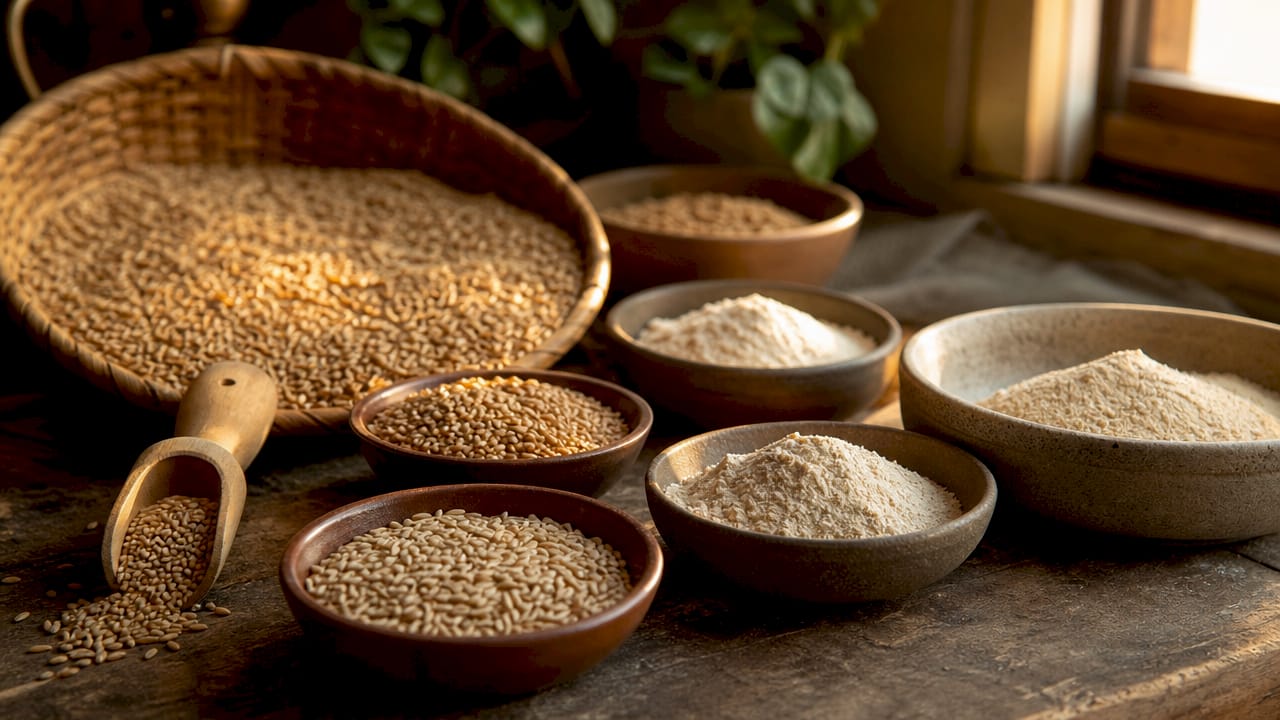
Soft wheat and ancient grains tell a different story. Einkorn has weaker gluten and a rich, buttery flavour that suits pastries, pancakes, and tender cakes. Spelt behaves similarly but carries a slightly nuttier taste. Both reward gentle handling. Overwork the dough and the delicate gluten structure breaks down, leaving you with a dense, heavy result.
The table below gives you a quick reference for matching wheat type to dish.
| Wheat type | Gluten level | Best uses |
|---|---|---|
| Hard red wheat | High | Sourdough, sandwich loaves, pizza dough |
| Hard white wheat | High | Lighter breads, dinner rolls, flatbreads |
| Soft white wheat | Low | Biscuits, cakes, pastry shortcrust |
| Einkorn | Very low | Pancakes, pasta, tender pastries |
| Spelt | Moderate | Muffins, crackers, gentle bread doughs |
Ancient grains like Einkorn and Spelt also carry a deeper nutritional profile than modern hybridised wheats. The Granavitalis guide to Einkorn wheat covers this in detail, including how its gentler gluten structure affects baking outcomes.
Pro Tip: When substituting Einkorn for standard flour, reduce liquid by roughly 15% and mix only until the dough just comes together. Einkorn absorbs moisture differently and punishes over-mixing.
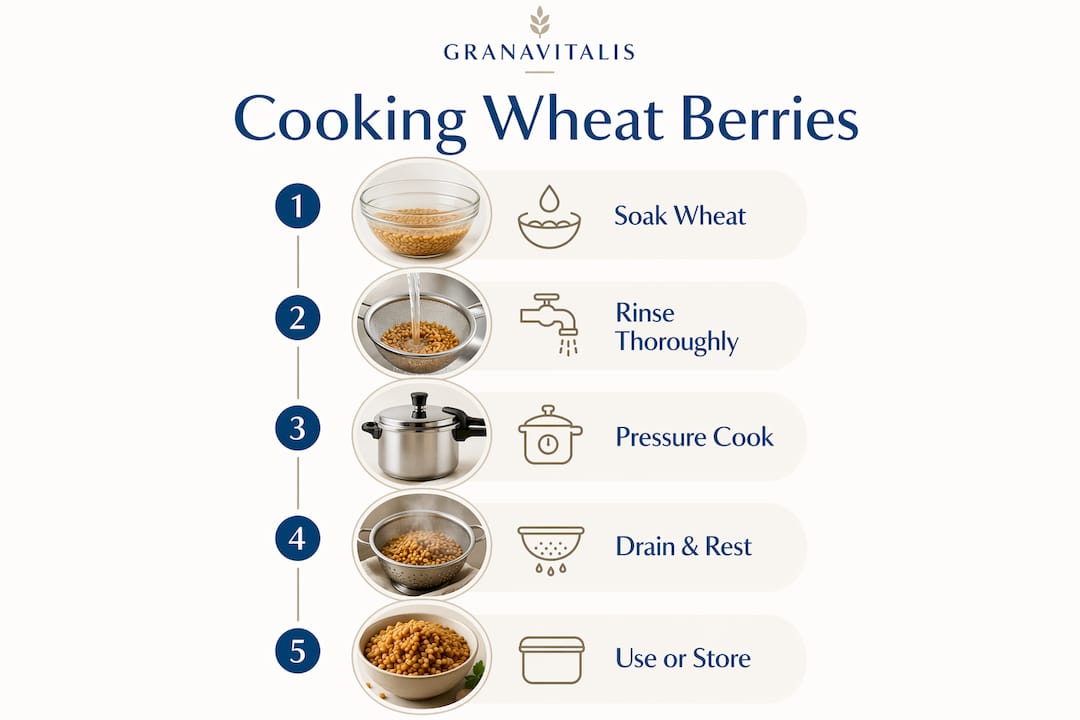
How do you cook wheat berries from scratch?
Wheat berries are the whole, unprocessed kernel of the wheat plant. They are the most nutritious form of wheat you can cook with, retaining bran, germ, and endosperm intact. The cooking process is straightforward once you know the ratios.
Stovetop method
- Rinse 1 cup of wheat berries under cold water and remove any debris.
- Soak in cold water for 8 hours or overnight. Soaking reduces cooking time from around 45–60 minutes down to approximately 25–35 minutes.
- Drain and add to a pot with 2.5–3 parts fresh water to 1 part wheat berries.
- Bring to the boil, then reduce to a steady simmer.
- Cook for 45–60 minutes until tender but still pleasantly chewy. Drain any excess water.
Pressure cooker method
A pressure cooker or Instant Pot cuts the process significantly. Use the same water ratio, skip the soaking step if you are short on time, and cook on high pressure for 25–30 minutes with a natural release. The result is slightly softer than the stovetop version, which suits soups and porridges well.
Storage
Cooked wheat berries keep in the fridge for up to 7 days or in the freezer for up to one month without losing texture. That makes batch cooking a genuinely practical habit. Cook a large pot on Sunday and you have the base for grain bowls, salads, and warm dishes all week.
| Method | Soak required | Cook time | Best texture result |
|---|---|---|---|
| Stovetop (soaked) | Yes, 8 hours | 25–35 minutes | Chewy, firm |
| Stovetop (unsoaked) | No | 45–60 minutes | Chewy, slightly firmer |
| Pressure cooker | Optional | 25–30 minutes | Softer, ideal for soups |
Pro Tip: Freeze cooked wheat berries in 1-cup portions in zip-lock bags laid flat. They defrost in minutes and go straight into a hot pan or bowl of soup.
Creative wheat recipe ideas for everyday meals
Wheat berries substitute for rice or pasta in almost any recipe, adding a nutty chew that refined grains simply cannot match. The swap works in grain bowls, pilafs, stuffed peppers, and warm salads. Here are the most practical ways to put them to work.
- Grain bowls. Toss cooked wheat berries with roasted vegetables, a tahini dressing, and toasted seeds. The chewiness holds up against bold flavours and heavy dressings where rice would turn soggy.
- Wheat berry salad. Combine with cucumber, pomegranate, fresh mint, and a lemon and olive oil dressing. Serve at room temperature. This keeps well for two days in the fridge, making it a reliable packed lunch.
- Morning porridge. Simmer pre-cooked wheat berries in oat milk with a pinch of cinnamon and a spoonful of honey. The texture is more substantial than oat porridge and keeps you full considerably longer.
- Soups and stews. Add a handful of cooked wheat berries to a vegetable or chicken broth in the final 10 minutes of cooking. They absorb the broth’s flavour and give the soup body without needing thickeners.
- Mushroom wheat berry risotto. This is the dish that surprises people most. Slow addition of broth and stirring emulsifies the starch from the wheat berries, creating a creamy texture unlike anything rice produces. Finish with the mantecatura technique: remove the pan from the heat, add cold butter and Parmesan, and stir vigorously until the sauce turns glossy and rich.
Pro Tip: For the wheat berry risotto, use a wide, shallow pan rather than a deep saucepan. More surface area means faster evaporation and better starch release from the grains.
Wheat flour opens a second set of recipe possibilities. Bread, pizza dough, soft burger buns, and shortcrust pastry all begin with flour. The key is matching the flour to the job, which the next section covers directly.
What are the health benefits of cooking with whole wheat?
Whole wheat retains the bran and germ, which is where the majority of its nutrients live. Whole wheat provides B vitamins, iron, and magnesium, along with meaningful amounts of dietary fibre. Refined white flour strips most of this away during milling.
The practical benefits for your body are significant:
- Digestive health. The fibre in whole wheat feeds beneficial gut bacteria and supports regular digestion. Refined grains provide almost none of this.
- Sustained energy. Whole wheat digests more slowly than refined carbohydrates, which means a steadier release of glucose into the bloodstream. You avoid the energy spike and crash that white bread produces.
- Blood sugar regulation. The fibre and nutrient density of whole wheat supports better blood sugar control, which matters for long-term metabolic health.
- Heart health. Regular consumption of whole grains is linked to lower LDL cholesterol levels and reduced cardiovascular risk.
- Antioxidants. The bran layer contains phenolic compounds that act as antioxidants, protecting cells from oxidative stress.
Choosing whole wheat berries over refined flour preserves these nutrients fully. Even a high-quality wholemeal flour loses some nutritional integrity during milling. Cooking with the whole berry is the most direct way to access everything the grain offers.
How to use wheat flour in baking and cooking
Different wheat flours affect dough handling and final texture in ways that matter enormously in practice. Hard wheat flour builds strong gluten networks, which is what you want for bread. Soft wheat flour produces tender, crumbly results, which is what you want for pastry.
A few practical rules make flour selection straightforward:
- Use strong bread flour (hard wheat) for pizza dough, sourdough, and enriched doughs like brioche or burger buns. The gluten needs to stretch without tearing.
- Use plain or soft flour for shortcrust pastry, biscuits, and sponge cakes. Less gluten means less toughness.
- Spelt flour requires gentle mixing. Overworking it breaks down its moderate gluten structure and produces a dense loaf.
- Fresh-milled flour behaves differently from shop-bought flour. It absorbs more liquid and ferments faster. Reduce your water by 10% when switching to freshly milled flour for the first time.
For pizza specifically, matching flour to dough style makes a real difference. The choice of flour for pizza affects hydration, elasticity, and how the crust blisters in a hot oven.
Ancient grain flours like Einkorn deserve their own attention. The culinary uses of Einkorn flour extend well beyond simple substitution. Its flavour is richer and its nutritional profile is closer to what wheat offered before modern hybridisation. Granavitalis sources these ancient flour varieties with exactly this nutritional integrity in mind.
Pro Tip: When baking bread with wholemeal flour for the first time, blend it 50/50 with strong white bread flour. You get the nutritional benefit of whole wheat with a lighter, more open crumb that is easier to work with.
Key takeaways
Cooking with wheat rewards home cooks who match the right variety to the right dish and apply consistent preparation techniques.
| Point | Details |
|---|---|
| Match wheat to the dish | Hard wheat suits bread; soft wheat and Einkorn suit pastries and tender baking. |
| Soak wheat berries first | Soaking reduces stovetop cooking time from 45–60 minutes down to 25–35 minutes. |
| Batch cook and store | Cooked wheat berries keep for 7 days refrigerated or one month frozen. |
| Whole wheat beats refined | Whole wheat retains bran and germ, providing fibre, B vitamins, iron, and magnesium. |
| Technique changes everything | The mantecatura method transforms wheat berries into a genuinely creamy risotto. |
Why wheat berries changed how I cook
The honest truth is that I underestimated wheat berries for years. I treated wheat as flour and nothing else. The first time I made a mushroom wheat berry risotto using the mantecatura technique, I genuinely did not expect the result. The grain held its chew while the sauce turned glossy and rich in a way that rice risotto rarely achieves. That dish alone convinced me that wheat berries belong in every home cook’s weekly rotation.
What I have found is that beginners worry too much about getting the technique perfect on the first attempt. The stovetop method is forgiving. If the berries are still too firm at 35 minutes, add a splash more water and give them another 10 minutes. The grain tells you when it is ready. You will feel the difference between a chalky, undercooked berry and one with that satisfying, nutty chew.
The nutritional argument for whole wheat over refined flour is not just marketing. Once you start cooking with whole berries and wholemeal flours regularly, the difference in how you feel after a meal is noticeable. Sustained energy rather than a mid-afternoon slump is a real, practical outcome. That is what Granavitalis means when it talks about foods that fuel your body’s movement and your mind’s clarity.
My advice to anyone starting out: cook a batch of wheat berries this weekend. Use them in three different ways across the week. A grain bowl on Monday, a handful in soup on Wednesday, porridge on Friday morning. By the end of the week, you will have a clear sense of how the grain behaves and what it can do for your cooking.
— Jarrod
Granavitalis products that complement your wheat cooking
Wheat-based dishes are nutritious on their own. Pair them with the right accompaniments and the flavour and texture improve considerably.

Granavitalis sources organic nut and seed butters that work beautifully alongside wheat-based meals. A spoonful of raw organic pecan butter stirred into a wheat berry porridge adds healthy fats, a deep caramel richness, and a satisfying creaminess that transforms a simple breakfast into something genuinely special. For home cooks who want to try several options, the nut and seed butter selection box offers a range of organic butters ideal for dressings, dips, and finishing touches on grain bowls. Every product Granavitalis offers is minimally processed and transparently sourced, which aligns directly with the whole-food approach that cooking with wheat represents.
FAQ
What is the best wheat variety for bread baking?
Hard red or hard white wheat is best for bread. Both develop strong gluten structures that give yeast-risen loaves their lift and chewy texture.
How long do cooked wheat berries last in the fridge?
Cooked wheat berries keep for up to 7 days refrigerated or up to one month in the freezer without losing their texture.
Can I use wheat berries instead of rice?
Wheat berries substitute directly for rice in grain bowls, pilafs, soups, and salads. They add a nuttier flavour and a firmer, chewier texture than rice provides.
Is whole wheat healthier than white flour?
Whole wheat retains the bran and germ, which contain fibre, B vitamins, iron, and magnesium. Refined white flour loses most of these during milling.
What does the mantecatura technique do in wheat berry risotto?
Mantecatura involves adding cold butter off the heat and stirring vigorously to emulsify the starches, creating a glossy, creamy sauce that coats the wheat berries richly.