
Boost oatmeal protein with smart plant-based choices
TL;DR:
- Plain oats provide only 5 to 6 grams of protein per half-cup dry serving, which is insufficient for many active adults.
- Boosting protein in oatmeal involves using higher-protein liquids like soy milk and adding nutrient-rich toppings such as nut butters, seeds, and protein powders.
Plain oats have a reputation as a wholesome breakfast staple, yet a half-cup dry serving delivers only around 5 to 6 grams of protein. For health-focused adults aiming to stay full until lunch, power through a morning workout, or simply build a more balanced plate, that number falls noticeably short. The good news is that a few targeted swaps and additions can transform your bowl into a genuinely high-protein meal. This article walks you through the practical, evidence-backed strategies to get there, with a firm emphasis on plant-based options that taste great and fit real morning routines.
Table of Contents
- What you need to know before boosting protein
- Choosing your protein: base swaps and upgrades
- Essential protein boosters: toppings and mix-ins
- Advanced protein options: powders, yoghurts and TVP
- Sample high-protein oatmeal builds and troubleshooting guide
- The truth about high-protein oatmeal: what most guides miss
- Discover premium nut butters and plant protein toppings
- Frequently asked questions
Key Takeaways
| Point | Details |
|---|---|
| Plain oats are low in protein | A half-cup of oats provides just 5–6 grams of protein, so add-ins are needed for a hearty meal. |
| Base swaps matter | Using soy or high-protein milk instead of water significantly boosts your bowl’s total protein. |
| Use protein boosters | Nut butters, seeds, and Greek-style yoghurts quickly take your oats from average to high-protein. |
| Combine methods for 20–30g+ | Layering a high-protein base with concentrated toppings can help achieve 20–30 grams of protein per serving. |
| Timing avoids texture issues | Add protein powder and yoghurt after cooking to ensure smooth and creamy oatmeal. |
What you need to know before boosting protein
Before reaching for every topping in the cupboard, it helps to understand what you are actually working with. A standard half-cup of dry rolled oats provides roughly 5 to 6 grams of protein, which is a reasonable start but nowhere near enough to meet the satiety needs of most active adults. Most nutrition professionals suggest aiming for 20 to 30 grams of protein at breakfast to support muscle maintenance, sustained energy, and appetite control through the morning.
The reassuring reality is that oatmeal can reach 30 or more grams of protein with the right add-ins. You do not need to overhaul your breakfast completely. Instead, think in terms of layers: a higher-protein cooking liquid as your base, then two or three well-chosen toppings or mix-ins to push the number up meaningfully.
Here is a quick snapshot of where plain oats sit versus a boosted bowl:
| Bowl version | Approximate protein |
|---|---|
| Plain oats, water | 5 to 6 g |
| Oats with soy milk | 12 to 14 g |
| Oats, soy milk, nut butter | 19 to 21 g |
| Oats, soy milk, nut butter, seeds | 24 to 27 g |
| Oats, soy milk, protein powder | 30 to 35 g |
Key principles to carry into the sections ahead:
- Combine a protein-rich liquid with solid add-ins for the greatest cumulative gain
- Prioritise foods that also add fibre or healthy fats so the meal is genuinely nourishing
- Keep texture in mind because a bowl that tastes odd is a bowl you will not eat consistently
Exploring a wider range of plant-based breakfast options can also open up new flavours and nutrients beyond what oats alone provide.
“The goal is not a protein shake disguised as oatmeal. It is a real, enjoyable breakfast that happens to be high in protein.”
Pro Tip: Batch-cook your oats in a large quantity and refrigerate portions for the week. This removes the morning friction that stops people from building a better bowl each day.
Choosing your protein: base swaps and upgrades
The single largest lever most people overlook is the cooking liquid. Water is the default, and that is a missed opportunity. Swapping water for a high-protein liquid adds significant protein before you have added a single topping, and it requires zero extra effort at the hob.
Soy milk is the clear winner here. Soy is the ideal plant-milk option when protein is the priority, delivering around 7 to 8 grams per cup compared with the 1 gram or less you get from most almond or rice milks. Unlike many other plant milks, soy has a complete amino acid profile, meaning it offers the same quality protein building blocks as dairy.
Here is how common cooking liquids compare:
| Liquid (per 1 cup) | Approximate protein | Notes |
|---|---|---|
| Water | 0 g | No protein benefit |
| Almond milk | 1 g | Low protein |
| Oat milk | 3 g | Moderate, carb-forward |
| Soy milk | 7 to 8 g | Best plant-based option |
| Semi-skimmed cow’s milk | 8 to 9 g | Strong option for non-vegan diets |
Other plant milks simply do not measure up when protein is your primary concern. Oat milk is popular and creamy, but the protein content is modest. Almond milk, though light and pleasant in flavour, contributes almost nothing on the protein front.
For those interested in going further, using a base of vegan protein oatmeal techniques from the outset sets a strong nutritional foundation even before the toppings stage.
Pro Tip: Do not boil soy milk at high heat for extended periods. Bring it to a gentle simmer, add your oats, and reduce the heat. This preserves the creamier texture and prevents the milk from developing a slightly grainy consistency that can put some people off.
Essential protein boosters: toppings and mix-ins
Once your cooking liquid is sorted, toppings and mix-ins carry most of the remaining protein load. The best choices also bring fibre, healthy fats, and flavour, which means they are pulling their weight in multiple ways.
Here are the top performers to know:
-
Nut and seed butters. Two tablespoons of peanut butter add approximately 7 grams of protein along with monounsaturated fats that contribute to longer-lasting fullness. Almond butter, cashew butter, and pecan butter provide similar profiles with slightly different flavour characteristics. Stir them in towards the end of cooking so they blend smoothly into the oats rather than sitting as a separate layer on top.
-
Chia seeds. Two tablespoons of chia seeds contribute around 5 grams of protein plus an impressive fibre hit that helps regulate blood sugar after the meal. Chia also absorbs liquid and creates a gentle thickness in the bowl, which many people find very satisfying.
-
Hemp seeds. Three tablespoons of hemp seeds add roughly 10 grams of complete protein, making them one of the most effective single-ingredient boosters available. They have a mild, slightly nutty flavour that blends into almost any combination without overpowering it.
-
Flaxseeds (ground). Two tablespoons of ground flaxseed provide around 3 grams of protein alongside omega-3 fatty acids and soluble fibre. Ground flax blends invisibly into the bowl, which makes it ideal for those who want the nutrition without changing the texture.
-
Pumpkin seeds (pepitas). These offer a satisfying crunch and around 5 grams of protein per two-tablespoon serving. Scatter them on top after cooking for a pleasant contrast of textures.
Dietitians consistently recommend nut butters as one of the highest-impact additions for both protein and satiety, and seeds bring both protein and fibre in a compact package that is easy to keep stocked.
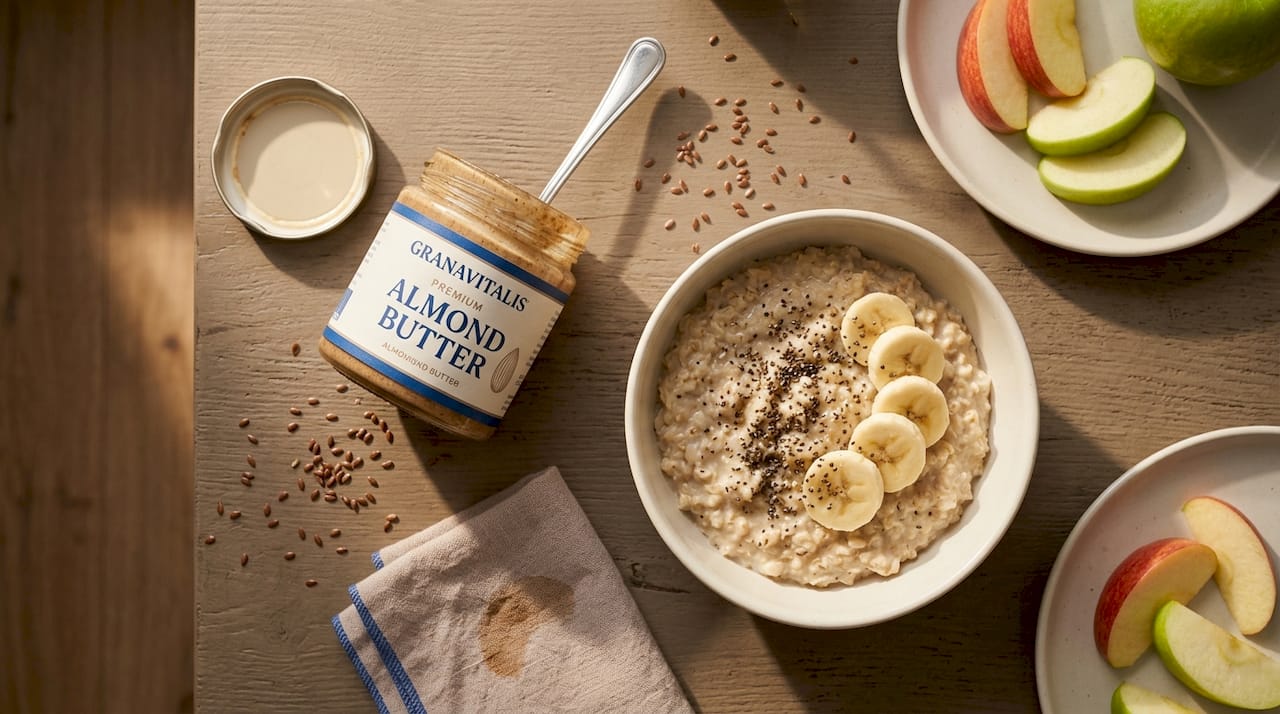
For those building active plant-based breakfasts around performance and recovery, combining two or three of the above adds up quickly without making the bowl feel heavy or overly complicated.
Pro Tip: Stir chia and flax seeds directly into the cooking oats for a creamier texture throughout the bowl. Add hemp seeds and pumpkin seeds after cooking to preserve their crunch and protect their delicate fats from unnecessary heat exposure.
Advanced protein options: powders, yoghurts and TVP
For those chasing higher protein targets, perhaps post-workout or as part of a deliberate sports nutrition strategy, three advanced options can significantly raise the ceiling on a single bowl.
Protein powder is the most efficient single addition for pure protein volume. A single scoop of a good plant-based powder can add 20 to 25 grams of protein in one go. The challenge is texture: adding powder directly to boiling oats produces unpleasant clumps. The correct technique is to mix powder with warm liquid first, creating a smooth slurry, then fold it gently into the cooked oats after removing them from the heat. This produces a creamy, unified texture rather than lumpy pockets.
Greek-style yoghurt (or a dairy-free alternative made from soy or coconut) adds between 10 and 17 grams of protein per 150-gram portion, depending on the brand. Stir yoghurt in after cooking or use it as a cold topping. Adding it while the oats are still on the heat risks separation and an unpleasant curdled texture, which is one of the most common mistakes people make with this approach.
Textured vegetable protein (TVP) is a soy-based ingredient that most people associate with savoury cooking, but it works surprisingly well as a stealthy oatmeal booster. Soak TVP until softened, drain, then stir it in while the oats are cooking. It is almost flavourless in small quantities and provides roughly 7 grams of protein per dry tablespoon.
Quick reference for using advanced boosters:
- Do mix protein powder into warm liquid before adding to oats
- Do add yoghurt after cooking, not during
- Do pre-soak TVP completely before incorporating
- Do not add cold yoghurt straight from the fridge to boiling oats
- Do not stir dry protein powder into actively bubbling oats
- Do not skip draining TVP, as excess liquid alters the final consistency
For inspiration on full meal builds that use these techniques in practice, the ancient grain breakfast ideas guide offers solid starting points that pair well with any of the methods above.
“Advanced protein additions reward patience. Take the oats off the heat first, then add, stir gently, and give the bowl sixty seconds to settle before eating.”
Pro Tip: For a dairy-free high-protein version, use unsweetened soy yoghurt. It blends seamlessly with oats and contributes an almost cheesecake-like creaminess when paired with fresh berries.
Sample high-protein oatmeal builds and troubleshooting guide
Knowing the individual add-ins is useful. Seeing them assembled into complete bowl builds makes the strategy practical and achievable on a real Tuesday morning.
| Protein target | Ingredients | Approximate protein |
|---|---|---|
| 10 g bowl | Oats (½ cup dry) + soy milk (1 cup) | 12 to 14 g |
| 20 g bowl | Oats + soy milk + 2 tbsp peanut butter + 2 tbsp chia seeds | 22 to 24 g |
| 30 g bowl | Oats + soy milk + 1 scoop plant protein powder + 2 tbsp hemp seeds | 32 to 36 g |
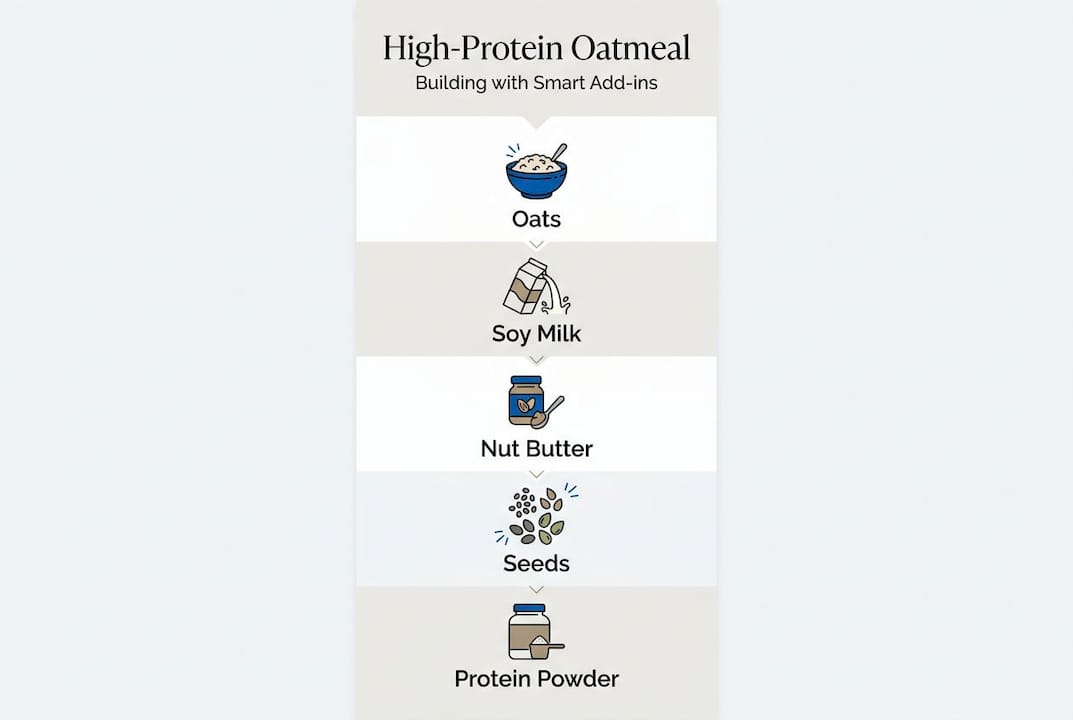
With the right add-ins, 30 or more grams of protein is genuinely achievable in a single serving without resorting to flavourless, joyless combinations.
Common issues and how to fix them:
- Bowl is too thick and stodgy: Add a small splash of extra liquid after cooking and stir thoroughly. Protein powder and chia both absorb moisture rapidly, so a thicker result is expected. More soy milk solves it.
- Protein powder clumped into dense pockets: This is the result of adding powder to hot oats directly. Mix the powder with 3 to 4 tablespoons of warm (not boiling) liquid first, then stir into cooked oats off the heat.
- Yoghurt has separated or gone grainy: Timing matters when adding yoghurt to hot oats. Always cool the bowl for a minute before stirring yoghurt in, or use it as a cold topping on top of the finished bowl.
- Nut butter is hard to incorporate: Warm the nut butter briefly in a spoon over the hob or microwave it for 10 seconds. It will stir in smoothly at this consistency without creating dense streaks.
- Bowl tastes bland despite all additions: This is usually a seasoning issue. A small pinch of cinnamon, a teaspoon of pure vanilla extract, or a drizzle of pure maple syrup goes a long way. Protein-heavy bowls sometimes need a gentle flavour anchor to bring everything together.
For budget-conscious plant-based eaters, the affordable vegan protein breakfasts guide provides practical context on building these bowls without overspending on ingredients.
Pro Tip: Build your bowl in layers rather than stirring everything together at once. Cook the oats in soy milk, stir in seeds and nut butter while warm, then top with yoghurt or powder blend and fresh fruit. This layered approach preserves distinct textures and makes the bowl far more enjoyable to eat.
The truth about high-protein oatmeal: what most guides miss
Most articles on this subject stop at a list of protein-rich ingredients and leave you to figure out the rest. That misses the real challenge, which is not finding protein sources but building a bowl you actually want to eat on a grey Wednesday morning when you are running short on time.
Here at Granavitalis, our view is that the texture and real-world taste of a high-protein bowl matter just as much as the protein number. A perfectly optimised 35-gram protein bowl that you find unpleasant will be abandoned by week two. A 22-gram bowl that you genuinely look forward to will serve you for years. Consistency wins.
There is also a tendency in this space to chase numbers at the expense of the broader meal. Protein is important, but the fibre from chia and flax, the healthy fats from nut butters, and the micronutrients from seeds are equally powerful contributors to how you actually feel mid-morning. A reductive focus on grams of protein misses the bigger picture of what makes a breakfast work.
We also think it is worth being honest about prep. Some of the advanced techniques, particularly TVP and from-scratch protein powder slurries, are not realistic every single day. The smarter habit is to have two or three reliable combinations that take under five minutes. Master those before experimenting with more involved builds.
The guide to plant-based protein oatmeal explores this in more depth, but the principle is simple: a good breakfast is one you make regularly, not one you make perfectly.
Finally, high-protein ancient grains deserve more attention as a base alternative to standard rolled oats. Amaranth, teff, and quinoa all offer higher protein than oats from the outset, which means the same add-ins can push totals even higher. Worth exploring if you are genuinely committed to raising your breakfast protein ceiling.
Discover premium nut butters and plant protein toppings
If the toppings and mix-ins section sparked your interest, the quality of what you add to your bowl makes a genuine difference to both flavour and nutrition.

At Granavitalis, we curate wholefood, minimally processed nut butters and seed-based toppings that are made for bowls exactly like this. Our raw organic pecan butter brings a rich, buttery depth to oatmeal while contributing healthy fats and plant protein. For variety and discovery, the nut and seed butter box lets you explore multiple premium options and find your favourite combination. If you prefer a roasted, caramel-edged flavour, our toasted hazelnut butter is a standout choice that turns a simple bowl into something genuinely special. Real ingredients, clean sourcing, real results.
Frequently asked questions
How much protein can I realistically get in a single bowl of oatmeal?
With the right combination of add-ins, a single bowl can provide 30 or more grams of protein. Soy milk as a base, combined with nut butter, seeds, and a protein powder or yoghurt addition, makes this achievable without overcomplicating the meal.
Which plant milk is best for boosting oatmeal protein?
Soy milk is the strongest choice, with around 7 to 8 grams of protein per cup. Most other plant milks, including almond and rice varieties, contribute very little protein in comparison.
Can I add protein powder directly to hot oatmeal while it cooks?
It is best to avoid this. Mix the powder with warm liquid separately first, then fold the slurry into your cooked oats after removing them from the heat to prevent clumping and an unpleasant grainy texture.
What are the top plant-based protein boosters for oatmeal besides nuts?
Chia, hemp, and flax seeds are among the most effective options, each contributing a useful amount of protein alongside fibre and healthy fats. Hemp seeds in particular are a complete protein source, making them especially valuable for plant-based diets.
Recommended
- How to make vegan protein oatmeal: 8g protein per cup – Granavitalis
- How to Make Vegan Protein Oats for Pure Everyday Energy – Granavitalis
- High Protein Vegan Oatmeal: Make a Power Breakfast – Granavitalis
- Easy plant-based breakfasts for active mornings: a guide – Granavitalis
- Pure Plant Protein - Brainwellness