
High Protein Vegan Oatmeal: Make a Power Breakfast
Most british adults do not meet daily protein needs at breakfast, missing out on vital energy for busy mornings. For those aiming to fill their plate with ancient grains and wholefood nutrition, the right start is everything. Discover how carefully selected vegan ingredients and simple methods can transform breakfast into a nutrient-rich, high-protein part of your day, supporting recovery, energy, and a healthy lifestyle.
Table of Contents
- Step 1: Select Protein-Rich Vegan Ingredients
- Step 2: Prepare Ancient Grains and Oats
- Step 3: Combine Plant Proteins and Liquids
- Step 4: Cook for Texture and Flavour
- Step 5: Add Nutrient-Dense Toppings and Check Consistency
Quick Summary
| Important Insight | Explanation |
|---|---|
| 1. Combine Different Protein Sources | Mixing three protein sources ensures a complete amino acid profile, enhancing nutritional benefits in your breakfast. |
| 2. Utilise Ancient Grains for Variety | Incorporating grains like buckwheat or quinoa provides additional texture and nutritional diversity to your oatmeal. |
| 3. Enhance Flavour with Cooking Techniques | Use low to medium heat and stirring to achieve a creamy texture while incorporating spices for added flavour depth. |
| 4. Balance Texture with Liquid Adjustments | Add plant milk to thicken or chia seeds to adjust consistency, ensuring a smooth and satisfying oatmeal experience. |
| 5. Opt for Nutrient-Dense Toppings | Choosing toppings like berries, nuts, and seeds boosts flavour and nutritional value, making your meal more enjoyable. |
Step 1: Select protein-rich vegan ingredients
Selecting the right protein-rich vegan ingredients forms the foundation of creating a powerful breakfast that fuels your body with essential nutrients. Understanding how to combine different plant-based protein sources is crucial for achieving optimal nutrition.
To build a high-protein vegan oatmeal, focus on strategic ingredient combinations that provide comprehensive amino acid profiles. Start with a base of traditional rolled oats and enhance the protein content by incorporating legumes, nuts, seeds, and plant-based protein powders. Key ingredients include almonds, chia seeds, hemp hearts, pumpkin seeds, and plant protein powders derived from pea, hemp, or brown rice.
Legumes like lentils and chickpea protein can significantly boost your amino acid intake, while nuts and seeds offer additional protein and healthy fats. By thoughtfully mixing these ingredients, you can create a breakfast that delivers sustained energy and supports muscle recovery.
Top tip: Mix three different protein sources to ensure a complete amino acid profile and maximise nutritional benefits.
Here’s a comparison of popular vegan protein sources for oatmeal:
| Source | Protein per 30g | Amino Acid Completeness | Notable Benefits |
|---|---|---|---|
| Almonds | approx. 6g | Moderate | High in vitamin E, healthy fats |
| Chia seeds | approx. 5g | Excellent | Rich in omega-3, fibre |
| Hemp hearts | approx. 10g | Complete | Contains all essential amino acids |
| Pumpkin seeds | approx. 9g | Good | High in magnesium, zinc |
| Pea protein powder | approx. 22g | Complete | Easily digestible, allergen-free |
Step 2: Prepare ancient grains and oats
Preparing ancient grains and oats requires a thoughtful approach to unlock their full nutritional potential and create a deliciously creamy breakfast. The key is understanding different preparation techniques that maximise flavour and nutrient absorption.
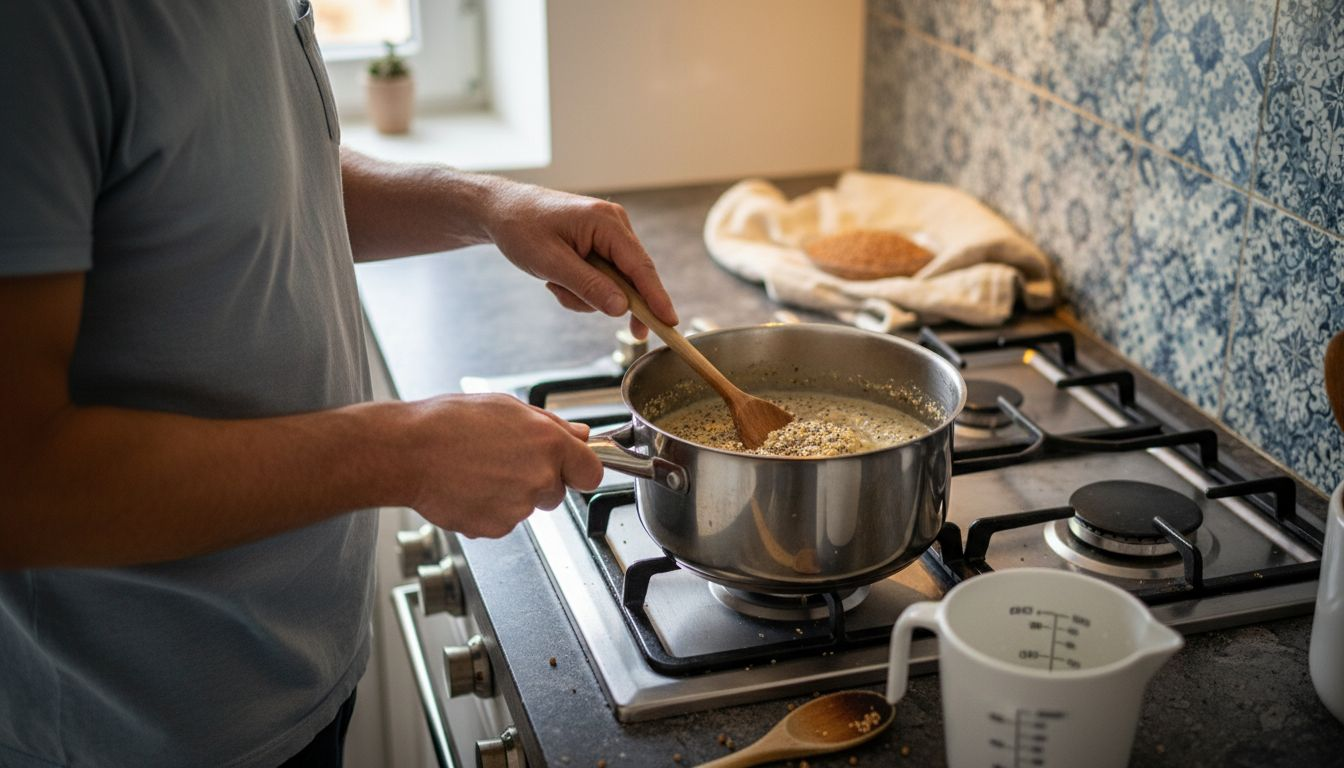
Start by selecting a quick soak method to hydrate your grains thoroughly. Combine rolled oats with alternatives like buckwheat groats or quinoa flakes, using boiling water to initiate the softening process. This technique not only reduces cooking time but also enhances digestibility. For overnight preparation, mix your grains with plant milk, coconut yoghurt, and a pinch of salt the evening before, allowing them to absorb liquid and develop a rich, creamy consistency.
When cooking, use low to medium heat and stir frequently to prevent sticking. If using stovetop methods, add your chosen plant milk gradually and continue stirring until the oats reach a smooth, thick texture. For those with busy mornings, preparing overnight oats offers a convenient solution that requires minimal morning preparation.
Top tip: Experiment with different ancient grain combinations to discover your perfect protein-packed breakfast blend.
Step 3: Combine plant proteins and liquids
Combining plant proteins and liquids is a critical step in creating a nutritious and satisfying vegan oatmeal that delivers sustained energy and optimal nutrient absorption. Understanding the right proportions and techniques will transform your breakfast into a powerful morning meal.
Mixing protein powders with plant milks creates a creamy base that enhances both flavour and nutritional profile. Select your preferred vegan protein powder such as pea, hemp, or brown rice protein and blend it thoroughly with almond milk, soy milk, or oat milk to prevent clumping. Incorporate ingredients like chia seeds, ground flaxseeds, and hemp hearts to boost protein content and provide additional thickness. The key is to achieve a smooth consistency by whisking or using a blender to ensure even distribution of proteins and liquids.
Experiment with different liquid ratios to find your ideal texture some prefer a thicker pudding like consistency while others enjoy a more traditional porridge style. Add your sweeteners and flavourings such as maple syrup, vanilla extract, or cinnamon after mixing the proteins and liquids to maintain a balanced taste profile.
Top tip: Allow your protein and liquid mixture to rest for 10 minutes before final preparation to enhance ingredient integration.
Step 4: Cook for texture and flavour
Cooking your vegan protein oatmeal requires careful attention to temperature, timing, and technique to achieve the perfect balance of creamy texture and rich flavour profile. Understanding these nuanced cooking methods will transform your breakfast from simple sustenance to a culinary experience.
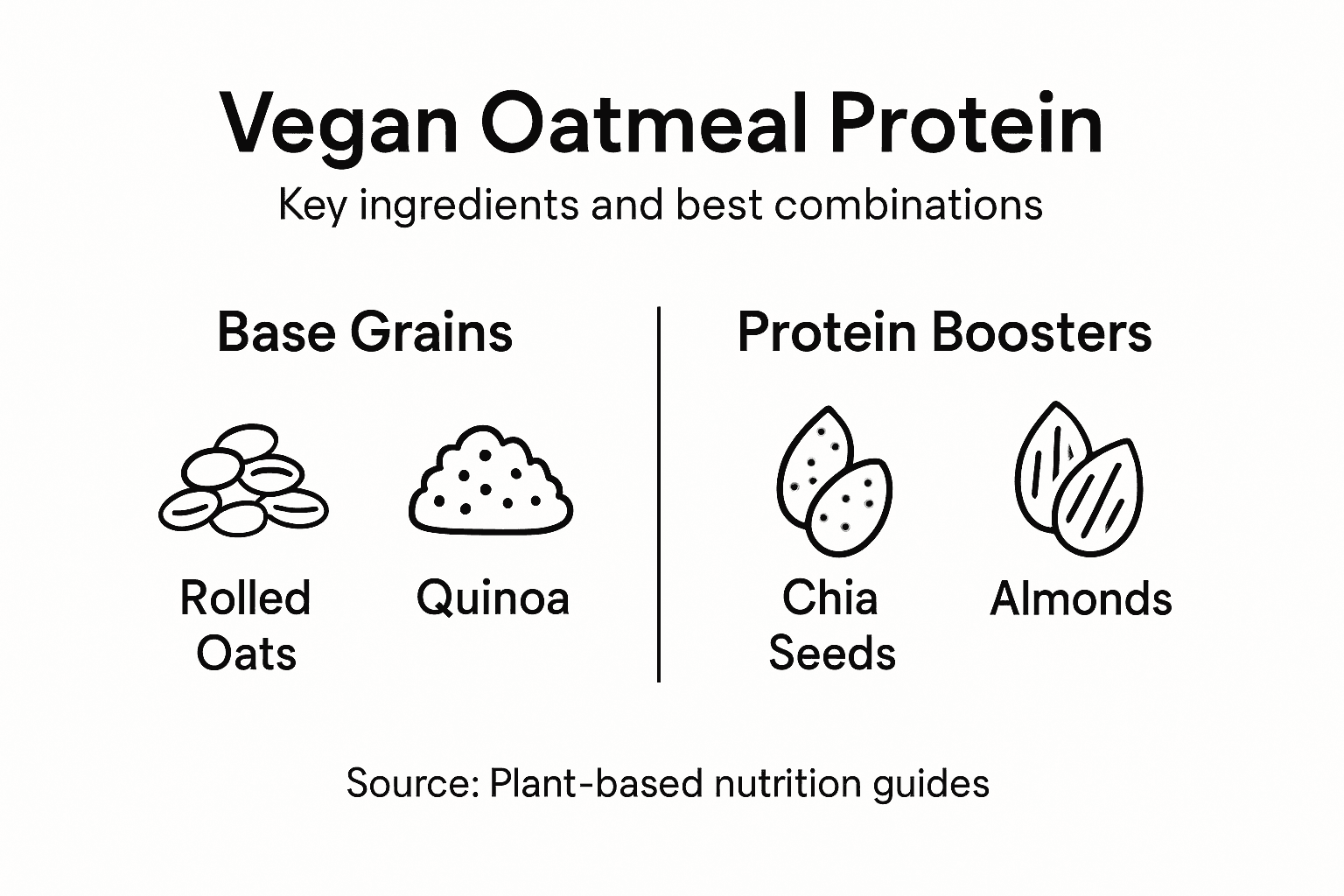
Overnight soaking techniques provide multiple approaches to preparing your oats. For stovetop cooking, use low to medium heat and stir continuously to prevent sticking and ensure even heat distribution. If using rolled oats, a gentle simmer for 5 to 7 minutes will create a smooth, creamy consistency. Steel cut oats require longer cooking times and more liquid, typically 15 to 20 minutes of simmering to soften completely.
Experiment with flavour enhancers like warming spices such as cinnamon, nutmeg, or cardamom. Fresh or dried fruits, nut butters, and a drizzle of maple syrup can elevate your oatmeal from basic to extraordinary. Remember that plant milks with higher protein content like soy milk can contribute to a richer, more substantial texture.
Top tip: Allow your cooked oatmeal to rest for 2 to 3 minutes after cooking to further thicken and develop deeper flavours.
Step 5: Add nutrient-dense toppings and check consistency
The final stage of creating your high protein vegan oatmeal involves carefully selecting nutrient-dense toppings and ensuring the perfect texture that will transform your breakfast into a satisfying and nourishing meal. Understanding how to balance ingredients and adjust consistency is key to achieving a delightful eating experience.
Selecting strategic nutrient-dense toppings will elevate your oatmeal from simple to spectacular. Consider adding a diverse mix of fresh seasonal berries, sliced almonds, pumpkin seeds, and a sprinkle of ground flaxseeds to introduce varied textures and boost nutritional value. Incorporate antioxidant-rich spices like cinnamon or turmeric for additional depth of flavour and potential health benefits.
To manage consistency, start by assessing the current thickness of your oatmeal. If the mixture appears too thick, gradually introduce small amounts of plant milk to achieve your desired texture. Conversely, if the oatmeal seems too runny, incorporate additional chia seeds or a small portion of rolled oats to thicken the mixture. The goal is to create a creamy yet substantial base that holds its shape while remaining pleasantly smooth.
Use this reference to adjust oatmeal consistency and texture:
| Issue | Quick Solution | Impact on Texture |
|---|---|---|
| Too thick | Add plant milk gradually | Creamier, more fluid |
| Too runny | Stir in chia or oats | Thicker, holds shape |
| Grainy | Blend or whisk more | Smoother, less gritty |
| Bland taste | Add spices or fruits | Enhanced flavour profile |
Top tip: Allow your toppings to sit for 2 minutes before serving to help them slightly soften and integrate with the warm oatmeal.
Build Your Power Breakfast with Granavitalis
Struggling to find high protein vegan ingredients that truly nourish and satisfy your mornings Our guide shows how combining plant proteins, ancient grains and nutrient-dense toppings can create a sustained energy boost that supports strength and recovery Granavitalis offers a range of thoughtfully crafted options rooted in tradition and focused on performance to help you start your day with clarity and vitality
Discover our expertly sourced Vegan Protein Powders and curated Protein Power Packs designed to elevate your oatmeal with pure plant proteins and wholesome ancient grains Each product aligns with our promise of purity performance and purpose ensuring you fuel your mornings the right way
Elevate your high protein vegan oatmeal experience today Visit Granavitalis now and embrace a breakfast that honours the past fuels the present and empowers your future Start crafting your perfect power breakfast this very morning
Frequently Asked Questions
What ingredients should I use for high protein vegan oatmeal?
Start with traditional rolled oats, then incorporate protein-rich vegan ingredients like legumes, nuts, seeds, and plant-based protein powders. For example, mix oats with chia seeds, hemp hearts, and almond milk to enhance protein content.
How can I prepare ancient grains for my oatmeal?
Use a quick soak method by combining your grains with boiling water to hydrate them before cooking. This reduces cooking time and enhances digestibility; for instance, soak rolled oats and quinoa flakes for a creamy breakfast consistency.
What is the best way to combine plant proteins and liquids in my oatmeal?
Mix plant protein powders with your choice of plant milk until fully blended to avoid clumping. Aim for a creamy consistency; consider allowing the mixture to sit for 10 minutes before final preparation to enhance integration.
How do I cook my vegan oatmeal to achieve the best texture?
Cook your oatmeal on low to medium heat, stirring continuously for a creamy texture. For stovetop cooking, simmer rolled oats for 5 to 7 minutes and steel cut oats for 15 to 20 minutes for optimal results.
What are some good toppings for nutrient-dense vegan oatmeal?
Consider adding fresh seasonal berries, sliced almonds, pumpkin seeds, or ground flaxseeds to boost nutrition. Ensure toppings sit for 2 minutes before serving, allowing them to slightly soften and blend with the oatmeal.
How can I adjust the consistency of my high protein vegan oatmeal?
To thicken your oatmeal, gradually add chia seeds or a small portion of rolled oats if it’s too runny. Alternatively, if it’s too thick, slowly introduce more plant milk until you reach your desired texture.