
Why eat naturally vibrant seeds: a nutrition guide
TL;DR:
- Naturally vibrant seeds are minimally processed plant seeds that retain their full range of nutrients. Consuming 28 to 30 grams daily can significantly reduce risks of cardiovascular disease, cancer, and overall mortality by providing concentrated fiber, protein, healthy fats, and bioactive compounds. They should be rotated in variety and properly prepared, such as grinding flaxseeds, to maximize their health benefits within a balanced diet.
Naturally vibrant seeds are defined as whole, minimally processed plant seeds that retain their full complement of fibre, plant protein, essential fatty acids, and micronutrients. A daily serving of around 28g is linked to a 21% reduction in cardiovascular disease risk, an 11% lower risk of dying from cancer, and a 22% reduction in all-cause mortality. Those figures make seeds one of the most evidence-backed additions to any diet. Granavitalis sources seeds in their natural vibrancy precisely because minimal processing preserves these nutrients intact. Understanding why eat naturally vibrant seeds starts with knowing what they contain and what that does for your body.
Why eat naturally vibrant seeds: what makes them nutritionally unique?
Seeds are the embryos of plants. That biological role explains their nutritional density. Every seed must contain enough energy, protein, fat, and micronutrients to fuel early plant growth, and those same compounds nourish human nutrition in concentrated form.
The macronutrient profile of whole seeds covers all three bases. They deliver plant protein, monounsaturated fats, and polyunsaturated fats including omega-3 and omega-6 fatty acids. Their fibre content supports digestive health and blood sugar regulation. No single plant food combines all three macronutrients as efficiently.
Beyond macronutrients, seeds carry a range of bioactive compounds. Flaxseeds contain secoisolariciresinol diglucoside (SDG), a lignan with antioxidant and hormone-modulating properties. Sesame seeds are rich in sesamin and sesamolin, lignans that support cardiovascular and liver health. Pumpkin seeds supply zinc, magnesium, and phytosterols. Chia seeds provide calcium and polyphenols. These bioactive compounds in seeds act through antioxidant, anti-inflammatory, and metabolic pathways to reduce chronic disease risk.
The table below shows how key nutrients vary across five common seed varieties.
| Seed (per 28g) | Protein (g) | Fibre (g) | Omega-3 ALA (g) | Key micronutrient |
|---|---|---|---|---|
| Flaxseed | 5 | 8 | 6.4 | Lignans, magnesium |
| Chia | 4 | 10 | 5.1 | Calcium, phosphorus |
| Pumpkin | 9 | 1.7 | 0.1 | Zinc, magnesium |
| Sesame | 5 | 3.3 | 0.1 | Calcium, iron |
| Sunflower | 6 | 3.1 | 0.1 | Vitamin E, selenium |
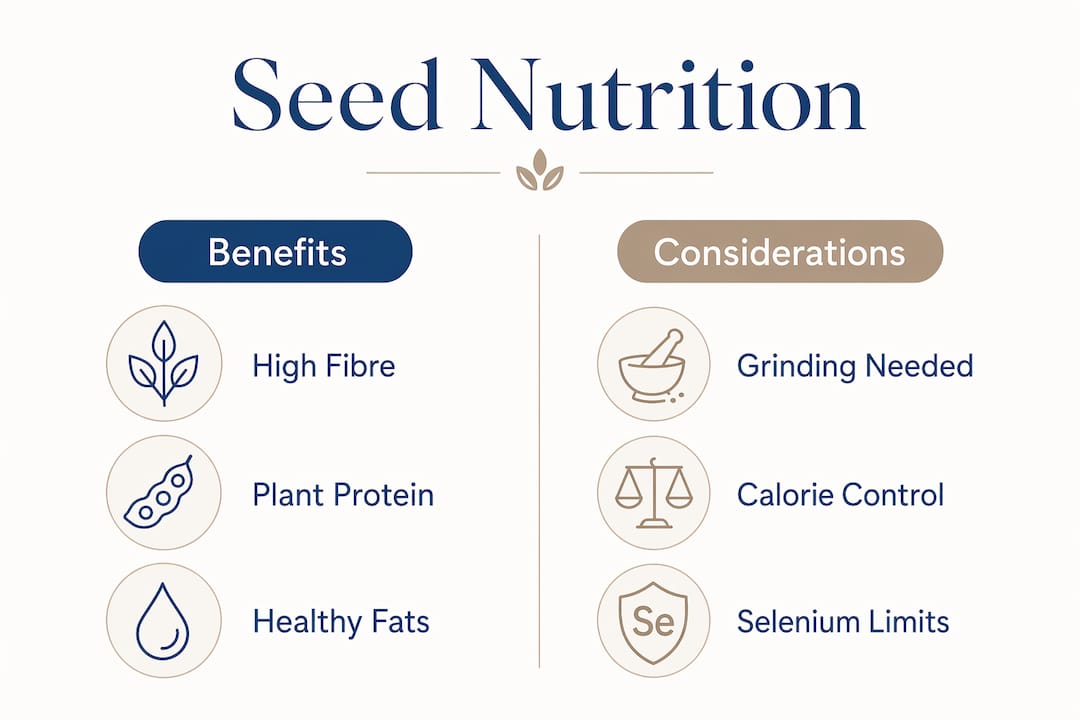
Pro Tip: Flaxseeds have tough cell walls that pass through the gut intact if swallowed whole. Grind flaxseeds before eating to release their omega-3 oils and lignans. A coffee grinder works in seconds and the ground seeds keep well in the fridge for up to a week.
How do vibrant seeds support health?
The health benefits of vibrant seeds are not theoretical. Clinical evidence links regular consumption to measurable improvements across several body systems. A median daily intake of 50g of nuts and seeds lowers total cholesterol by 0.09–0.28 mmol/L and LDL cholesterol by 0.09–0.26 mmol/L. Lower LDL cholesterol directly reduces the build-up of arterial plaque, which is the primary driver of heart attacks and strokes.
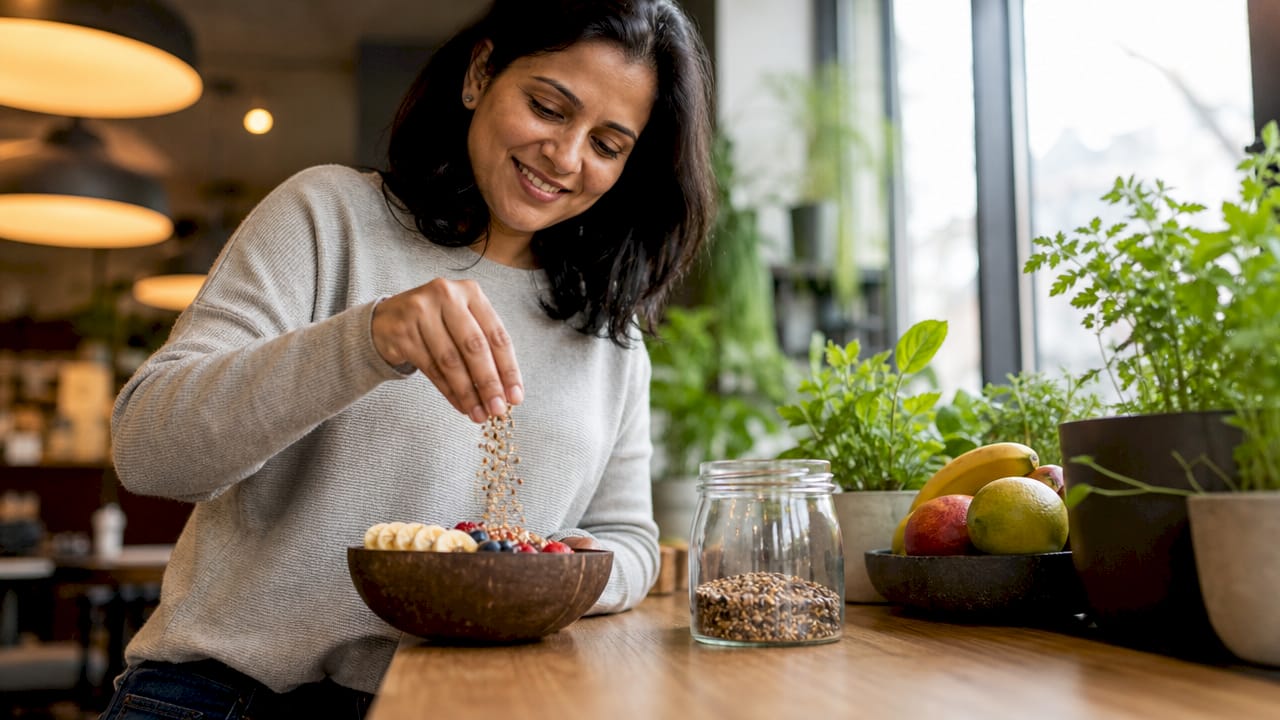
Seeds also regulate blood sugar. Their combination of fibre, protein, and healthy fats slows glucose absorption after meals. This effect is particularly relevant for managing energy levels throughout the day and for reducing the risk of type 2 diabetes over time. Seeds help regulate blood sugar, hormone fluctuations, and digestion, making them especially useful during periods of metabolic change.
The anti-inflammatory action of seeds comes from their polyunsaturated fats and polyphenols. Chronic low-grade inflammation underlies conditions from cardiovascular disease to certain cancers. Seeds address this at a foundational level rather than targeting a single symptom. For inspiration on presenting seeds as part of a colourful, nutrient-rich plate, vibrant food presentations offer practical visual ideas worth exploring.
Key nutrients in seeds and their primary health functions:
- Omega-3 ALA (flax, chia): Reduces inflammation and supports cardiovascular health
- Lignans (flax, sesame): Antioxidant and hormone-balancing effects; linked to reduced cancer risk
- Zinc (pumpkin): Immune function, wound healing, and testosterone regulation
- Calcium (chia, sesame): Bone density and muscle contraction
- Selenium (sunflower): Thyroid function and antioxidant defence
- Vitamin E (sunflower): Protects cell membranes from oxidative damage
- Magnesium (pumpkin, flax): Muscle relaxation, nerve function, and blood pressure regulation
- Phytosterols (pumpkin, sunflower): Compete with dietary cholesterol for absorption, lowering LDL
Each of these nutrients works within a broader dietary context. Seeds do not replace a varied diet, but they add a concentrated layer of nutrition that most people’s diets lack.
What are the best practices for including vibrant seeds in your diet?
Portion size matters. A standard serving of 28–30g provides roughly 160–200 kcal alongside significant fibre, protein, and fat. That calorie load is meaningful, so seeds work best as a replacement for less nutritious snacks rather than an addition on top of an already full diet.
Rotating seed varieties is the most effective way to maximise nutrient diversity. Flaxseeds lead on omega-3 and lignans. Pumpkin seeds lead on zinc. Chia seeds lead on calcium. No single seed covers every base, so rotating seed types daily ensures a broader spectrum of micronutrients across the week. Think of it as a weekly rota rather than a fixed daily habit.
Practical ways to add seeds to meals:
- Morning: Stir a tablespoon of ground flaxseed into porridge or yoghurt.
- Smoothies: Blend chia seeds directly into any smoothie. They thicken the texture and add calcium and omega-3.
- Salads: Scatter toasted pumpkin or sunflower seeds over salads for crunch and zinc.
- Baking: Add sesame seeds to bread dough or sprinkle on flatbreads before baking.
- Dressings: Blend tahini (ground sesame) into salad dressings for a calcium-rich base.
- Snacking: Mix seeds with dried fruit and nuts for a portable, balanced snack.
Storage affects nutritional quality. Seeds contain polyunsaturated fats that oxidise when exposed to heat, light, or air. Store seeds in airtight containers away from direct sunlight. Ground flaxseed in particular should be refrigerated and used within a week of grinding.
Pro Tip: If you are tracking calories, weigh seeds on a kitchen scale rather than estimating by eye. A heaped tablespoon of pumpkin seeds can easily reach 50g, which is nearly double a standard serving. Precision here prevents unintended calorie surplus without reducing nutritional benefit.
Are there any nuances or limitations to seed consumption?
Seeds are not a complete nutritional solution on their own. The most significant limitation involves omega-3 fatty acids. Seeds supply alpha-linolenic acid (ALA), the plant form of omega-3. The body must convert ALA into EPA and DHA, the active forms used by the brain and heart. ALA conversion to EPA is only 5–15%, and to DHA under 0.5%. That inefficiency means seeds alone cannot meet the omega-3 needs that oily fish or algae-based supplements address. Seeds are a valuable part of the picture, not the whole picture. For a deeper look at how plant-based fats function in the body, the role of healthy fats in plant diets explains the mechanisms clearly.
Brazil nuts present a specific caution around selenium. One Brazil nut provides 68–91 µg of selenium, which already exceeds the adult recommended daily allowance of 55 µg. The tolerable upper limit of 400 µg/day is reached with just 3–4 nuts. Selenium toxicity causes hair loss, nail brittleness, and neurological symptoms. One or two Brazil nuts a few times per week is sufficient.
The table below summarises the key benefits and practical limitations of common seed varieties.
| Seed | Primary benefit | Key limitation |
|---|---|---|
| Flaxseed | High ALA omega-3 and lignans | Must be ground; ALA converts poorly to DHA |
| Chia | Calcium, fibre, hydration | Low protein relative to pumpkin |
| Pumpkin | Zinc, magnesium, plant protein | Low omega-3 content |
| Sesame | Calcium, iron, lignans | High in omega-6; balance with omega-3 sources |
| Brazil nut | Exceptional selenium | Risk of toxicity above 3–4 nuts per day |
Pro Tip: Pair seeds with other omega-3 sources such as oily fish, walnuts, or algae-based supplements to cover the EPA and DHA gap that ALA conversion cannot reliably fill. Seeds handle the fibre, minerals, and lignans. Other sources handle the long-chain omega-3s. Together, they cover the full spectrum.
Key takeaways
Naturally vibrant seeds deliver concentrated fibre, plant protein, healthy fats, and bioactive compounds that support cardiovascular health, blood sugar regulation, and reduced disease risk when eaten in consistent 28–30g daily servings.
| Point | Details |
|---|---|
| Daily serving size | Aim for 28–30g per day to achieve measurable cardiovascular and mortality benefits. |
| Grind flaxseeds | Whole flaxseeds pass through the gut undigested; grinding releases omega-3 oils and lignans. |
| Rotate seed varieties | Different seeds lead on different nutrients; rotating daily maximises micronutrient diversity. |
| ALA conversion is limited | Seeds supply ALA omega-3, but conversion to EPA and DHA is under 15%; pair with other sources. |
| Brazil nut caution | One to two Brazil nuts a few times per week is enough; exceeding 3–4 daily risks selenium toxicity. |
Seeds are more powerful than most people realise
I have spent years looking at how people eat, and seeds are consistently the most underused nutritional tool in an otherwise thoughtful diet. People obsess over protein powders and supplements while ignoring a tablespoon of ground flaxseed that costs pennies and delivers lignans, omega-3, and fibre in one go.
The myth I hear most often is that seeds are just a garnish. They are not. A 28g daily habit, backed by the evidence on cardiovascular and longevity benefits, produces outcomes that most supplements cannot match. The key is consistency and variety, not volume.
What I have found works in practice is treating seeds like a weekly rotation rather than a fixed daily food. Monday might be chia in a smoothie. Wednesday might be toasted pumpkin seeds on a salad. Friday might be tahini in a dressing. That rotation keeps the habit interesting and covers a wider nutrient range than eating the same seed every day.
The one thing I would push back on is the idea that seeds are a shortcut to omega-3 sufficiency. They are not, and pretending otherwise does people a disservice. ALA is useful, but it is not EPA or DHA. Pair your seeds with oily fish or an algae supplement and you have a genuinely complete foundation. Seeds alone are excellent. Seeds within a considered diet are exceptional.
— Jarrod
Granavitalis seed-based products worth trying
Granavitalis sources seeds and nuts with the same commitment to purity that this article describes: minimal processing, transparent origins, and real nutritional integrity.

The Organic Nut & Seed Butter Selection Box from RAWGORILLA is a practical way to bring seed nutrition into daily meals without preparation effort. Each butter in the box is raw and organic, preserving the bioactive compounds that processing destroys. For those who prefer a single standout product, the Raw Organic Pecan Butter delivers concentrated healthy fats and minerals in a form that works straight from the jar or stirred into porridge. Both products reflect the Granavitalis standard: whole food nutrition, nothing added, nothing removed.
FAQ
What are naturally vibrant seeds?
Naturally vibrant seeds are whole, minimally processed plant seeds that retain their full nutrient content, including fibre, plant protein, essential fatty acids, and micronutrients such as zinc, calcium, and selenium.
How much seed should I eat per day?
A daily serving of 28–30g is the evidence-backed amount linked to a 21% reduction in cardiovascular disease risk and a 22% reduction in all-cause mortality.
Do I need to grind flaxseeds before eating them?
Yes. Whole flaxseeds have tough cell walls that the gut cannot break down. Grinding releases the omega-3 oils and lignans that make flaxseeds nutritionally valuable.
Can seeds replace fish oil for omega-3?
Seeds supply ALA omega-3, but conversion to the active forms EPA and DHA is under 15% for EPA and under 0.5% for DHA. Seeds complement but do not replace oily fish or algae-based omega-3 sources.
How many Brazil nuts is it safe to eat?
One to two Brazil nuts a few times per week provides sufficient selenium. Eating 3–4 Brazil nuts daily can push selenium intake towards the tolerable upper limit of 400 µg/day, risking toxicity with regular overconsumption.