
The role of ancient seeds in health: 2026 guide
TL;DR:
- Ancient seeds like chia, basil, amaranth, and watermelon seeds offer substantial health benefits, including blood sugar regulation, heart support, and sustained energy. Proper preparation and variety enhance their bioavailability and nutritional impact within a balanced diet. Integrating these minimally processed seeds into daily meals supports overall health through multiple biological mechanisms.
Ancient seeds have been feeding civilisations for thousands of years, yet most people still reach past them in the health food aisle. That needs to change. The role of ancient seeds in health is far more substantive than any superfood trend suggests. Chia, basil, amaranth, and watermelon seeds carry nutritional profiles that genuinely support blood sugar regulation, heart health, and sustained energy. What makes them worth your attention is not their age but their density. These are whole, minimally processed foods with documented mechanisms of action, not just marketing language on a packet.
Table of Contents
- Key takeaways
- Nutritional profiles and the role of ancient seeds in health
- Scientific evidence for ancient seeds and wellness
- Getting the most from preparation and processing
- Ancient seeds versus modern grains: what the evidence actually says
- Fitting ancient seeds into daily meals
- My honest take on ancient seeds and real-world health
- Discover Granavitalis seed and superfood blends
- FAQ
Key takeaways
| Point | Details |
|---|---|
| Preparation unlocks benefits | Soaking or roasting seeds significantly improves nutrient bioavailability and health outcomes. |
| Variety beats single-seed focus | Rotating different ancient seeds gives you a broader micronutrient spectrum than relying on one type alone. |
| Whole beats refined | Minimally processed seeds retain more bioactive compounds than refined grain alternatives. |
| Science supports real benefits | Clinical research links ancient seeds to blood sugar control, cardiovascular support, and reduced inflammation. |
| Seeds complement, not replace | Ancient seeds work best as part of a well-rounded diet, not as standalone cure-alls. |
Nutritional profiles and the role of ancient seeds in health
The numbers behind these seeds are genuinely striking once you look at them side by side. A single 28g serving of chia seeds delivers 9.7g of fibre, representing roughly 35% of the recommended daily intake, alongside 4.68g of protein and 5g of alpha-linolenic acid (ALA). ALA is a plant-based omega-3 fatty acid that supports cardiovascular function and reduces systemic inflammation. That is an extraordinary nutritional return for a tablespoon of seeds.
Basil seeds, less well-known in Western kitchens, are arguably even more nutritionally dense. Their fibre content reaches 36.3% of total composition, with lipids comprising 33% of which 71% is ALA. Their protein sits at 9.4%. This combination makes them highly effective at slowing digestion and stabilising blood sugar. Amaranth, often classified as an ancient grain but technically a seed, contains up to 21.5% protein and provides over 100% of the recommended daily allowance for manganese and 29% of the RDA for iron per cooked cup. Watermelon seeds round out the group, offering 4g of protein per ounce along with the amino acid citrulline, which supports blood flow and exercise recovery.
Here is a quick comparison of how these seeds stack up:
| Seed | Key macronutrient | Notable micronutrient | Standout compound |
|---|---|---|---|
| Chia | 9.7g fibre per 28g | Calcium, phosphorus | Alpha-linolenic acid |
| Basil | 36.3% fibre content | Magnesium, iron | Alpha-linolenic acid (71% of lipids) |
| Amaranth | 9.3g protein per cup | Manganese (100%+ RDA) | Phytosterols |
| Watermelon | 4g protein per oz | Zinc, magnesium | Citrulline |
What unites all four is a concentration of bioactive compounds that whole, unrefined seeds preserve far better than anything processed into flour or flakes. Phytosterols in amaranth, for example, compete with dietary cholesterol for absorption, actively supporting heart health rather than passively contributing nutrients.
Pro Tip: Grind a tablespoon of chia or basil seeds and stir them into Greek yoghurt the night before. The soaking time activates their gel-forming properties, giving you better fibre delivery with breakfast rather than a dry seed that passes through mostly intact.
Scientific evidence for ancient seeds and wellness
The health benefits of these seeds are grounded in a growing body of clinical and preclinical research, not just tradition. A 2026 PMC review characterised edible seeds as functioning like natural medicine cabinets through antioxidant, anti-inflammatory, and metabolic-regulating mechanisms. That framing is useful because it shifts the conversation from vague “superfoods” claims to specific biological actions.
On blood sugar control, the evidence is particularly compelling:
- Soaking basil seeds creates a viscous gel layer that physically slows glucose absorption in the gut, reducing post-meal blood sugar spikes.
- Chia seeds produce a similar gel effect and have been associated with improved insulin sensitivity in studies on people with type 2 diabetes.
- Millets and related ancient seeds carry low glycaemic indices and rich phytochemicals, making them especially relevant for managing blood sugar and reducing the risk of non-communicable diseases.
For cardiovascular health, ALA from both chia and basil seeds has been linked to lower LDL cholesterol and reduced triglyceride levels. Amaranth’s phytosterols actively reduce cholesterol absorption in the digestive tract. Combined, these effects make regular seed consumption genuinely relevant for anyone prioritising heart health.
Gut health is another area where ancient seeds deliver. The soluble fibre in chia and basil seeds feeds beneficial gut bacteria, supporting a healthy microbiome. This also has downstream effects on satiety. People who eat high-fibre seeds with their meals consistently report feeling fuller for longer, which supports weight management without requiring calorie restriction strategies.
The research is clear that ancient seeds benefit health through multiple mechanisms simultaneously. They are not single-action supplements but whole foods that support several biological systems at once. That said, most studies use specific preparation methods and controlled quantities. Eating a pinch of seeds on top of an otherwise poor diet will not replicate clinical outcomes.
It is worth noting that most studies remain at the preclinical stage for several specific claims. The foundations are solid, but the role of ancient seeds in health is best understood as contributing to a broader pattern of whole-food eating rather than as a medical intervention.
Getting the most from preparation and processing
How you prepare ancient seeds matters as much as which ones you choose. This is the piece most articles skip over, and it is where real-world results diverge from what the research shows.
- Soak basil or chia seeds before consuming them. When submerged in water or plant-based milk for at least 15 minutes, these seeds form a protective gel. That gel slows glucose absorption in the stomach, which is the primary mechanism behind their blood sugar benefits. Dry seeds consumed without liquid do not produce the same effect nearly as reliably.
- Roast or grind watermelon seeds before eating. Their tough outer shell significantly limits how much protein and citrulline your body can access from whole, raw seeds. Light roasting or grinding breaks this hard exterior and dramatically improves bioavailability.
- Keep seeds in their whole, unrefined state wherever possible. Processed seed products, whether they become flour, oil, or isolates, tend to lose fibre and bioactive compounds along the way. The nutritional value of ancient seeds is most intact when you consume them close to their natural form.
- Use low heat when cooking with seeds. High temperatures degrade heat-sensitive omega-3 fatty acids like ALA. Add seeds to dishes after cooking, or use them in cold preparations like smoothies and overnight oats.
- Store seeds correctly. ALA-rich seeds oxidise quickly at room temperature. Keep them in airtight containers away from light, ideally in the refrigerator, to preserve their fatty acid content.
Pro Tip: Rotate between seed varieties week by week rather than sticking with one favourite. Rotating different seeds ensures you pick up a broader micronutrient profile across the month rather than maximising one nutrient and missing others.
Ancient seeds versus modern grains: what the evidence actually says
The health food world loves the word “ancient” as a synonym for superior, but the reality is more nuanced. The genuine advantages of ancient seeds over modern cultivated varieties come from two things: nutritional density and minimal processing. Not from age alone.
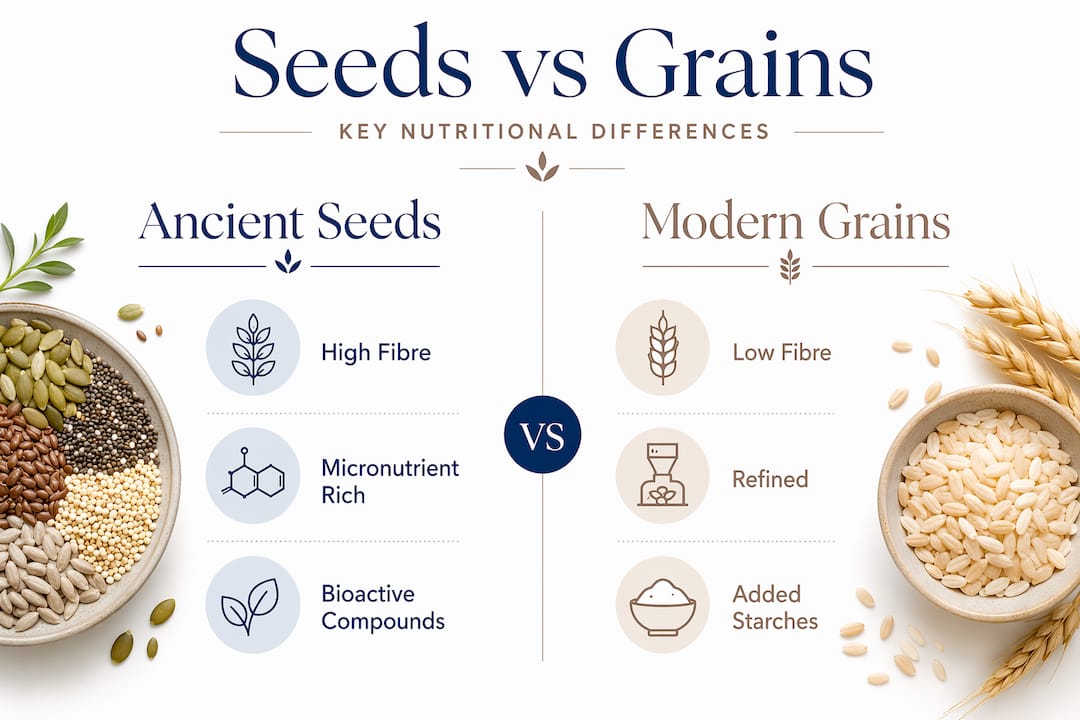
Modern wheat has been selectively bred over decades to maximise yield and gluten content, which comes at the cost of micronutrient diversity and fibre. Ancient seeds and grains were not subjected to the same industrial hybridisation. That distinction matters for anyone interested in the role of heirloom seeds in nutrition, because heirloom varieties often retain compounds that were bred out of modern equivalents for commercial reasons rather than nutritional ones.
That said, there are common misconceptions worth addressing directly:
- Ancient does not mean gluten-free. Emmer, einkorn, and spelt all contain gluten. If you have coeliac disease or non-coeliac gluten sensitivity, check before assuming ancient equals safe.
- Nutrient density depends on processing. A whole amaranth seed and an amaranth cracker share the same origin but very different nutritional profiles. Keeping seeds whole and unrefined provides a more complete nutrient spectrum than refined versions.
- No single seed delivers everything. Chia is outstanding for omega-3s and fibre. Amaranth leads on protein and manganese. Watermelon seeds offer citrulline. Variety is the mechanism by which ancient seeds and plant-based diets actually deliver broad nutritional coverage.
| Feature | Ancient seeds | Modern refined grains |
|---|---|---|
| Fibre content | High, largely intact | Significantly reduced by processing |
| Bioactive compounds | Preserved (phytosterols, ALA) | Often removed or degraded |
| Glycaemic index | Generally low | Higher in refined forms |
| Micronutrient diversity | Broad spectrum | Narrower range |
| Gluten content | Varies by type | High in most wheat products |
The ancient grains versus modern cereals comparison is not as simple as one being universally better. What matters is the quality of processing and the variety in your diet. Ancient seeds win when they are eaten as close to their whole state as possible.
Fitting ancient seeds into daily meals
The practical question is always the same. You understand the nutritional case. Now, how do you actually eat these things regularly without it feeling like a health chore?
The good news is that ancient seeds are genuinely easy to work into meals across the day:
- Breakfasts: Stir soaked chia or basil seeds into overnight oats, smoothies, or yoghurt. Add a tablespoon of ground amaranth to porridge for a protein boost that does not change the texture noticeably.
- Lunches and dinners: Toss watermelon seeds (lightly roasted) over salads as a crunchy topping. Use cooked amaranth as a base instead of rice or quinoa. Sprinkle chia seeds over soups just before serving.
- Snacks: A seed butter made from sunflower or pumpkin seeds on wholegrain crackers delivers sustained energy between meals. Pair it with fruit for a combination of fibre, protein, and natural sugars.
- Baking: Replace up to a quarter of regular flour with ground amaranth in muffins, pancakes, or flatbreads. The flavour is mild and the protein uplift is significant.
- Quantities to aim for: One to two tablespoons of small seeds like chia or basil per day is a reasonable starting point. Scale up gradually to avoid digestive discomfort from a sudden fibre increase.
Complementary pairings work well too. Seeds eaten alongside fermented foods like kefir or live yoghurt support gut health from both ends. Pairing ALA-rich seeds with dark leafy greens provides both the omega-3s and the co-factors the body needs to use them well. Explore the micronutrient content of ancient grains to understand how these pairing effects work at a deeper level.
My honest take on ancient seeds and real-world health
From everything I have read, tested, and observed, the single most reliable mistake people make with ancient seeds is choosing one and sticking with it obsessively. I have seen it repeatedly: someone discovers chia seeds, reads the research, and eats them every single day for months. The benefits they notice initially plateau because they are no longer getting variety. Experts consistently advise rotating seed types for precisely this reason.
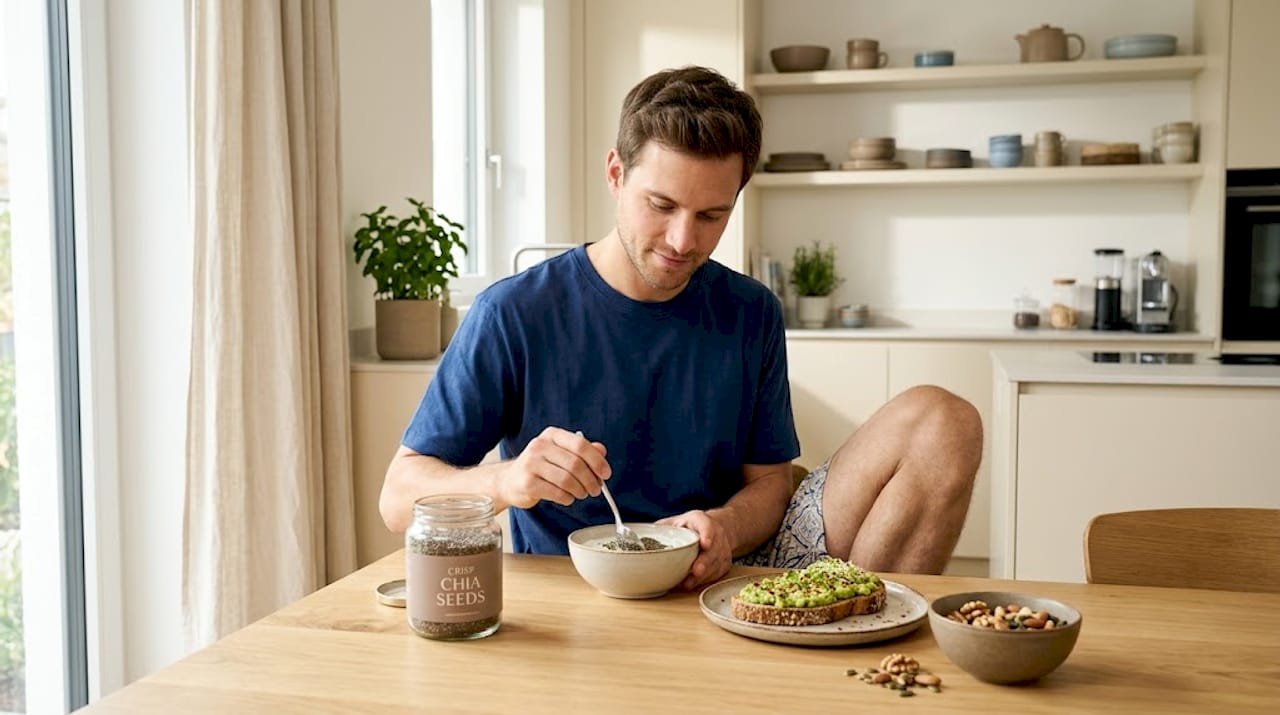
My other honest observation is about preparation. The gap between what the research shows and what people actually experience is almost always a preparation gap. Someone eats dry chia seeds sprinkled on toast and wonders why they did not notice any difference. Compare that to properly soaked seeds in a meal designed around them. The outcome is completely different.
What I find most compelling about ancient seeds is not the individual nutrients but the pattern they represent. Ancient seeds as part of a balanced diet rather than as cure-alls is the framing that actually produces lasting results. They are not a supplement. They are food. Treat them that way and they will deliver.
— Jarrod
Discover Granavitalis seed and superfood blends
If reading this has you reaching for the kitchen cupboard, Granavitalis makes it easier to act on what you have just learned.

The Granavitalis immune booster superfood bundle brings together organic ancient seeds and targeted superfoods in one convenient package, designed for people who want genuine nutritional density without sourcing every ingredient separately. For those who want chia specifically alongside complementary botanicals, the chia and acai beauty blend delivers antioxidant support alongside the fibre and omega-3 benefits covered in this article. Every product at Granavitalis is sourced for purity and minimal processing. That is the whole point.
FAQ
What seeds count as ancient seeds for health purposes?
Ancient seeds typically include chia, basil (sabja), amaranth, watermelon seeds, and various millets. These are varieties that have remained largely unchanged through generations of cultivation and retain high levels of fibre, protein, and bioactive compounds.
How do ancient seeds help with blood sugar control?
Soaking basil or chia seeds forms a gel that slows glucose absorption during digestion, which reduces post-meal blood sugar spikes. Millets and similar seeds also carry a low glycaemic index, supporting stable blood sugar over time.
Are ancient seeds suitable for plant-based diets?
Yes. Ancient seeds are among the most nutrient-dense options for plant-based diets, providing protein, omega-3 fatty acids, iron, and zinc that can be harder to source from plants. Combining different seeds ensures broader nutrient coverage.
Do ancient seeds contain gluten?
Not all of them. Chia, basil, amaranth, and watermelon seeds are naturally gluten-free. However, some ancient grains such as spelt, einkorn, and emmer do contain gluten, so always check the specific seed or grain if you have a gluten sensitivity.
How much of an ancient seed should I eat daily?
One to two tablespoons of small seeds like chia or basil is a practical daily amount for most adults. Introduce them gradually to allow your digestive system to adjust to the increased fibre intake.