
Why omega-rich seeds belong in your diet
TL;DR:
- Seeds are a rich source of plant-based ALA, but their conversion to EPA and DHA in the body is limited. Consistently consuming measured portions of seeds like chia, flax, or hemp can support omega-3 intake and overall health beyond fatty acids. Incorporating these nutrient-dense seeds into daily routines offers a practical, whole-food approach to achieving omega-3 benefits.
Seeds have quietly held the title of one of nature’s most concentrated nutrient sources for thousands of years, yet the conversation around why omega-rich seeds deserve a daily place in your diet is still clouded by confusion. Specifically, confusion about plant-based omega-3s and whether they actually do what people hope. The short answer: yes, with important nuance. This article clears that up, walks you through which seeds genuinely deliver, and gives you the practical knowledge to use them with confidence.
Key takeaways
| Point | Details |
|---|---|
| Seeds provide ALA, not EPA/DHA | Plant omega-3s from seeds exist as alpha-linolenic acid, which the body converts to EPA and DHA only in small amounts. |
| Chia leads on omega-3 content | One ounce of chia seeds delivers over 5 grams of ALA, making it the top plant-based omega-3 seed source. |
| Seeds offer far more than omega-3s | Magnesium, zinc, lignans, fibre, and polyphenols in seeds collectively support heart and metabolic health. |
| Portion size determines results | Consistent, measured servings are necessary to reach meaningful omega-3 intake from seeds. |
| Sourcing quality matters | Fatty acid content in seeds varies by species and growing environment, so reliable sourcing is non-negotiable. |
Why omega-rich seeds are a plant-based omega-3 strategy
Omega-3 fatty acids are a family of polyunsaturated fats the body cannot produce on its own. There are three types you need to know: alpha-linolenic acid (ALA), eicosapentaenoic acid (EPA), and docosahexaenoic acid (DHA). EPA and DHA are the bioactive forms most directly used by the body, particularly for brain function, reducing inflammation, and cardiovascular protection. ALA, found in plant foods, serves as the precursor. The problem is the conversion rate.
Research consistently shows that ALA converts to EPA and DHA at less than 15%, with DHA conversion being even lower. So when you eat a tablespoon of ground flaxseed, your body does not simply absorb a tablespoon’s worth of functional omega-3s ready for cell membranes. It gets ALA, then works hard to convert a fraction of it.
This does not make seeds useless for omega-3 nutrition. It makes seeds a specific tool within a broader omega-3 strategy, one best paired with algae-based or marine EPA and DHA sources for complete coverage. For plant-based eaters especially, understanding this distinction changes how you plan your diet.
The seeds most widely recognised as omega-3 sources are:
- Chia seeds: Highest ALA content of any seed, with a favourable omega-6 to omega-3 ratio
- Flaxseed (linseed): Rich in ALA and uniquely high in lignans
- Hemp hearts: Good ALA content alongside complete plant protein
- Walnuts: More nut than seed, but worth noting for significant ALA contribution
Seeds are not competing with oily fish for EPA/DHA dominance. What they offer is reliable, measurable ALA intake, delivered alongside a dense package of other nutrients that independently support health. That combination is the real case for eating them daily.
What seeds actually contain beyond omega-3s
The health benefits of seeds extend well beyond their fatty acid content. Edible seeds are rich in micronutrients and bioactive compounds including vitamins E, C, and K, alongside minerals such as magnesium, zinc, and selenium. These compounds reduce oxidative stress and inflammation, two drivers of chronic disease that omega-3s alone cannot fully address.
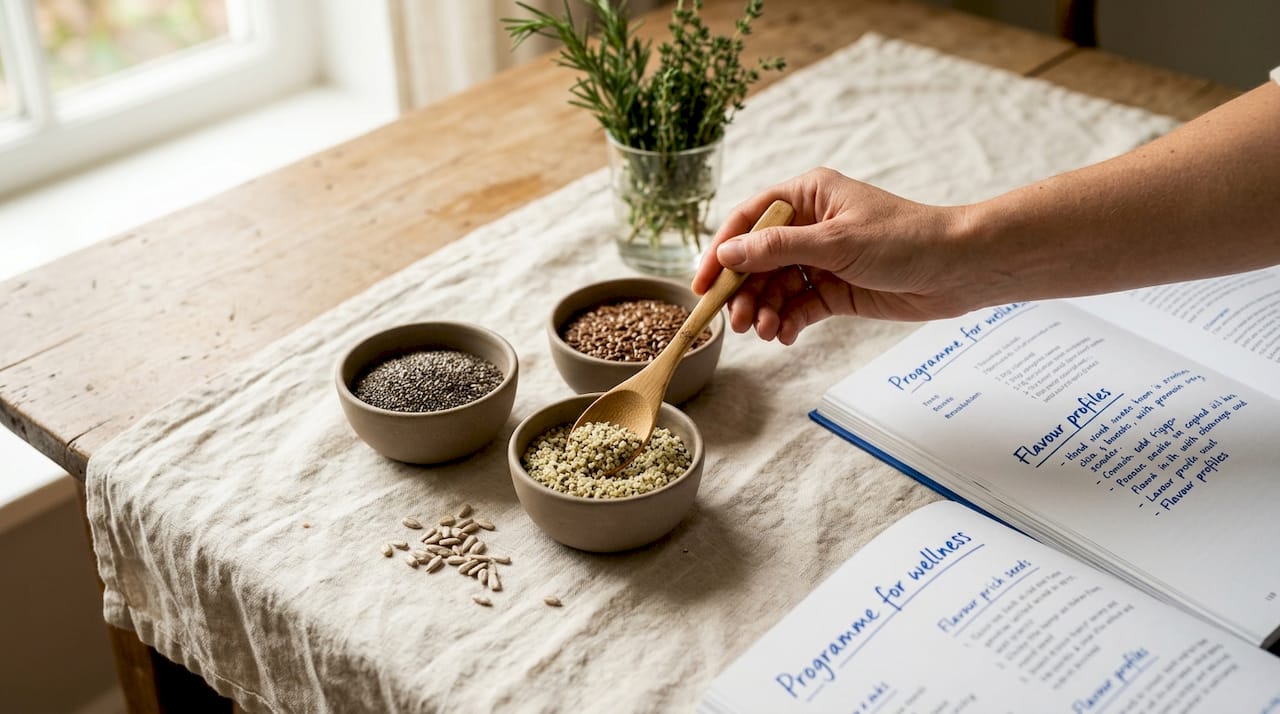
Flaxseeds are particularly notable for their lignan content. Lignans are plant compounds that act as phytoestrogens and antioxidants, and flaxseeds contain up to 800 times more lignans than most other plant foods. Research links them to reduced risk of hormone-sensitive cancers and improved cardiovascular markers.
Hemp seeds carry a less-discussed but significant benefit: they supply the amino acid arginine. Hemp seeds provide arginine which supports blood vessel relaxation, alongside magnesium and zinc that help regulate blood pressure and reduce inflammatory burden. These mechanisms operate independently of omega-3 content, meaning hemp seeds are doing cardiovascular work on multiple fronts simultaneously.
The omega-6 to omega-3 ratio in seeds also matters more than most people realise. The Western diet already delivers an excess of omega-6 fatty acids, which can promote inflammation when unchecked. Chia seeds have a 1:3 omega-6 to omega-3 ratio, one of the most favourable profiles of any food. Choosing seeds with this balance is a straightforward way to shift the ratio in the right direction without overhauling your entire diet.
Pro Tip: Ground flaxseed is significantly more bioavailable than whole flaxseed. The hull of a whole seed passes through the digestive system largely intact, so grinding it first unlocks far more of its lignans, omega-3s, and fibre.
Seed lipids contribute to cardiovascular benefits through multiple mechanisms, including reduction of triglycerides and inflammatory markers like C-reactive protein (CRP). Studies show these effects from both chia and flaxseed consumed consistently over time. The keyword is consistently, not occasionally.
Comparing the most nutritious seeds for omega-3s
Not all omega-rich seeds are equal, and knowing the numbers helps you make better choices. Here is how the key seeds compare:
| Seed | Serving | ALA content | Notable extras |
|---|---|---|---|
| Chia seeds | 1 oz (28g) | Over 5g ALA | Fibre (10g), calcium, complete protein |
| Flaxseed (ground) | 1 tbsp (10g) | Approx. 2.4g ALA | Highest lignan source, soluble fibre |
| Hemp hearts | 3 tbsp (30g) | Approx. 3g ALA | Complete protein, arginine, magnesium |
| Pumpkin seeds | 1 oz (28g) | Minimal ALA | Zinc, iron, plant protein (30g/100g) |
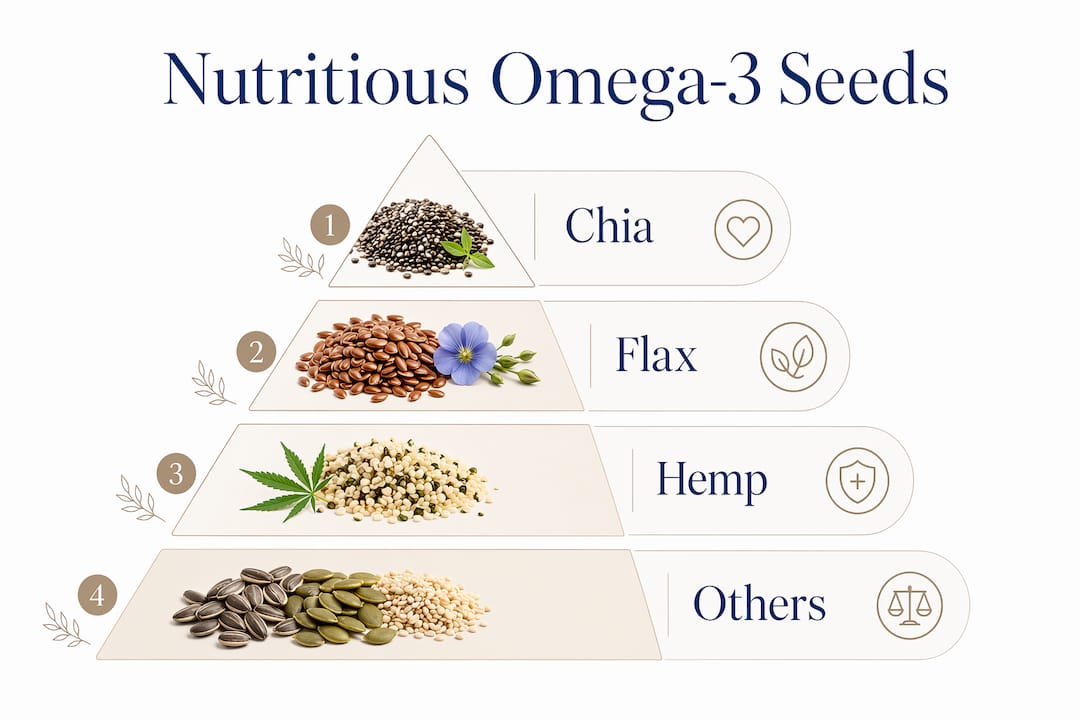
Chia seeds earn their reputation as the top plant omega-3 seed source based purely on ALA concentration. One ounce delivers more than the daily ALA target for most adults in a single sitting, along with 10 grams of fibre and a near-complete amino acid profile. They are genuinely hard to beat for nutritional density per gram.
Flaxseed takes a different profile of excellence. The ALA per tablespoon is lower than chia, but the lignan content is unmatched in the plant kingdom. If cardiovascular and hormonal health are your priorities alongside omega-3 intake, ground linseed deserves a permanent spot in your kitchen.
Hemp hearts sit in a unique position as the protein champion of the group. Their ALA content is meaningful but secondary to the benefit of complete protein and cardiovascular minerals. For athletes and those eating plant-based diets, hemp hearts address multiple nutritional gaps at once.
Pro Tip: Because fatty acid profiles in seeds vary based on species and growing environment, choosing seeds from a trusted source with transparent supply chains makes a genuine difference to the omega-3 content you actually consume.
How to use omega-rich seeds effectively
Knowing which seeds to eat is only half the picture. How you eat them and in what amounts determines whether you see any real benefit. The most common mistake is treating seeds as a garnish. A pinch of chia over a bowl of yoghurt is pleasant but nutritionally modest. Meaningful intake means consistent, measured portions at every opportunity.
Here is a practical approach to building seeds into your daily routine:
- Start with a morning baseline. Add 2 tablespoons of chia seeds to overnight oats, porridge, or a smoothie. This single habit reliably delivers your daily ALA target before 9am.
- Use ground flaxseed as a baking swap. Replace a tablespoon of flour in pancakes or muffins, or stir into soups and sauces. Ground seeds integrate without altering flavour noticeably.
- Add hemp hearts to savoury meals. Unlike chia and flax, hemp hearts need no preparation. Sprinkle them on salads, grain bowls, or avocado toast for instant protein and mineral uplift.
- Make a seed blend your daily habit. A pre-mixed omega seed blend removes the effort of measuring multiple seeds and broadens your nutrient range with every spoonful.
- Soak chia seeds before consuming. Dry chia seeds absorb water from your gut, which can cause discomfort in large amounts. Soaking them for 15 minutes creates a gel that is easier to digest and more filling.
Consistent, gram-level portions are what separate seeds as a genuine omega-3 source from seeds as a food trend. The ancient seeds guidance from Granavitalis explains how these foods have been used in measured, purposeful amounts across cultures for precisely this reason. There is real history behind the practice.
For those following a fully plant-based diet, seeds can reach daily omega-3 targets through food rather than relying solely on supplements. That is a significant practical win when the goal is whole-food nutrition.
My honest take on seeds and omega-3 expectations
I have spent enough time in nutrition writing to know that seeds get oversold and under-used simultaneously. The overselling comes from marketing that implies a sprinkle of flaxseed covers your omega-3 needs. The under-use comes from people buying a bag, not seeing transformation in two weeks, and moving on.
Here is what I have actually come to believe: the cardiometabolic benefits of seeds are real, but they are cumulative and compound over months, not days. Seeds are not a supplement you take and measure. They are a nutritional habit you build. And that distinction changes everything about how you approach them.
I also think the ALA conversion limitation is misread as a dealbreaker. It is not. If you are eating fatty fish or taking algae-based omega-3s alongside your seeds, the ALA you consume still contributes to your total omega-3 pool, even at a reduced conversion rate. Seeds also deliver anti-inflammatory lignans, magnesium, zinc, and fibre that work in parallel. The whole is genuinely greater than the sum of its parts.
What I consistently recommend is to commit to a proper daily portion, at least a tablespoon of ground flaxseed or two tablespoons of chia, every single day, in something you actually enjoy eating. That is it. Not a protocol. Not a detox. Just a sustained, pleasurable habit built around extraordinarily nutrient-dense foods. In my experience, that is when people stop asking whether seeds are worth it and start noticing that they are.
— Jarrod
Explore Granavitalis omega-rich seeds
If this article has made you want to act on what you have just read, the right place to start is with seeds and seed products you can trust. Granavitalis sources every product with the purity and provenance that make nutritional claims actually meaningful.

From single-origin organic chia seeds to carefully prepared ground linseed and complete omega blends, Granavitalis makes it straightforward to reach your daily ALA intake through whole food. For something genuinely versatile and indulgent, the nut and seed butter selection box from RAWGORILLA is an ideal way to explore omega-rich ingredients in a format you will reach for every morning. Real food. Consistent quality. No shortcuts.
FAQ
What makes omega-rich seeds different from fish oil?
Seeds provide ALA, a plant-based omega-3, whilst fish oil delivers EPA and DHA directly. ALA converts to EPA and DHA at under 15%, so seeds and marine sources serve complementary rather than identical roles.
Which seed has the most omega-3s?
Chia seeds lead the group, providing over 5 grams of ALA per ounce. Flaxseed and hemp hearts are strong secondary sources with around 2.4g and 3g ALA per typical serving respectively.
How much seed do you need to eat for omega-3 benefits?
You need consistent, measured portions rather than occasional small amounts. Two tablespoons of chia seeds or one tablespoon of ground flaxseed daily provides a meaningful contribution to ALA intake.
Do omega seeds help with inflammation?
Yes. Beyond omega-3s, seeds contain anti-inflammatory compounds including lignans, polyphenols, and minerals. Chia and flaxseed have been shown to reduce CRP and triglycerides in clinical studies.
Are omega-rich seeds suitable for plant-based diets?
Absolutely. Seeds are one of the most practical plant-based omega-3 sources available and work well as a daily food-first strategy, particularly when combined with algae-based EPA and DHA for complete omega-3 coverage.