
The role of nuts in balanced diets: a 2026 guide
TL;DR:
- Eating about 30 grams of nuts daily supports heart health, weight management, and disease prevention. Rotating between different nut types provides a broad range of nutrients and benefits. Consuming nuts regularly helps reduce risks of heart disease and improves physical function in older adults.
Nuts are defined as one of the most nutrient-dense whole foods available, supplying healthy fats, plant protein, fibre, vitamins, and minerals in a single small serving. The role of nuts in balanced diets is well supported by research: dietary guidelines recommend around 30 grams daily as part of a varied eating pattern. Regular consumption is linked with lower risks of heart disease, certain cancers, and physical decline in older adults. Whether you eat them as a snack, stir them into porridge, or spread them as a butter, nuts deliver genuine nutritional value that few other foods can match.
What are the key nutritional components in nuts?
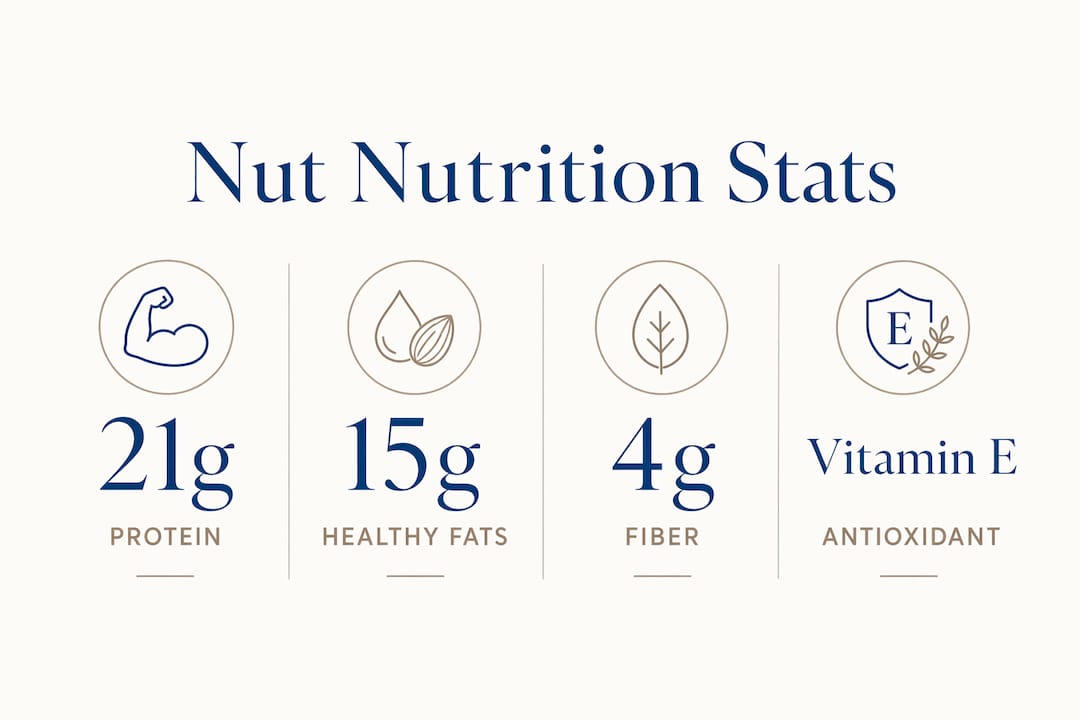
Nuts earn their place in functional diets through an unusually broad nutrient profile. No other single food group delivers healthy fats, complete amino acids, fibre, and fat-soluble vitamins in the same compact package.
Fats, protein, and fibre
The dominant fats in most nuts are monounsaturated and polyunsaturated fatty acids. These fats actively support cardiovascular health by improving lipid profiles and reducing inflammation. Nuts also supply plant-based protein rich in the amino acid arginine, which supports blood vessel function. Dietary fibre adds satiety and feeds beneficial gut bacteria, making nuts genuinely filling despite their small volume.
Vitamins and minerals
- Vitamin E: A fat-soluble antioxidant found in high concentrations in almonds and hazelnuts, protecting cells from oxidative damage.
- B vitamins: Particularly thiamine and folate, supporting energy metabolism and neurological function.
- Magnesium: Abundant in cashews and Brazil nuts, supporting muscle function and blood sugar regulation.
- Zinc and selenium: Trace minerals critical for immune defence and thyroid health.
- Potassium: Present across most nut varieties, supporting healthy blood pressure.
Nuts also contain phytochemicals including polyphenols and plant sterols. These compounds work alongside vitamins and minerals to produce effects greater than any single nutrient alone. Researchers classify nuts as pleiotropic nutraceuticals, meaning they act through multiple biological pathways simultaneously.
| Nut type | Standout nutrient | Primary benefit |
|---|---|---|
| Almonds | Vitamin E | Antioxidant protection |
| Walnuts | Omega-3 fatty acids | Cardiovascular support |
| Brazil nuts | Selenium | Thyroid and immune health |
| Cashews | Magnesium | Blood sugar regulation |
| Hazelnuts | Folate | Cell repair and energy |

Pro Tip: Rotate through at least three different nut types each week. Each variety carries a distinct mineral and polyphenol profile, and diverse nut varieties provide non-overlapping nutrients that a single type cannot supply alone.
How does regular nut consumption reduce chronic disease risk?
The evidence connecting nuts to long-term health is among the strongest in nutritional science. A large meta-analysis found that high versus low nut intake produced relative risk reductions of 0.81 for coronary heart disease, 0.86 for cardiovascular disease, and 0.77 for all-cause mortality. Those are not marginal gains. They represent a meaningful reduction in the leading causes of premature death across populations.
Cardiovascular protection
Nuts lower LDL cholesterol, reduce blood pressure, and dampen systemic inflammation. These three mechanisms together explain much of the cardiovascular benefit. The Portfolio Diet, a clinically tested eating pattern designed to manage cholesterol, places nuts at its centre alongside plant protein, soluble fibre, and plant sterols. Nuts contribute to this pattern not through one nutrient but through the combined action of their fats, fibre, and phytochemicals, which is precisely why they are described as pleiotropic nutraceuticals in the scientific literature.
Cancer mortality and longevity
Regular consumption of approximately 28 grams of nuts daily is associated with a 20% reduction in heart disease risk and a 10% reduction in cancer mortality. Each additional 28-gram weekly increment is linked with further relative risk reductions across coronary heart disease, cardiovascular disease, and all-cause mortality.
The Mediterranean diet, which consistently ranks among the most evidence-backed eating patterns globally, incorporates nuts as a daily staple. The overlap between Mediterranean diet outcomes and nut-specific research is not coincidental. Nuts provide the fatty acid ratios and antioxidant load that characterise this dietary pattern’s protective effects. For anyone building a diet with longevity in mind, nuts are not optional extras. They are a foundation food. The role of nuts in wellness extends well beyond a single nutrient or a single meal.
Can nuts support weight management and healthy ageing?
The most persistent myth about nuts is that their calorie density causes weight gain. Research consistently refutes this. A significant portion of the fats in nuts is excreted undigested, meaning the net caloric absorption is lower than nutrition labels suggest. Beyond that, the protein and fibre in nuts promote satiety and reduce overall food intake, which offsets their energy content in practice.
Weight and abdominal fat
Replacing starchy snacks with a 30-gram daily serving of tree nuts raises Healthy Eating Index scores and reduces intake of added sugars and saturated fats. The result is not just better diet quality on paper. Studies show measurable reductions in abdominal fat with regular nut inclusion, even without deliberate calorie restriction. This matters because abdominal fat is the type most strongly linked to metabolic disease.
Physical function in older adults
- Eat at least 6.9 grams of nuts daily to reach the threshold associated with measurable health benefits in older populations.
- Prioritise whole nuts over nut-based products with added sugars or refined oils, which dilute the nutritional benefit.
- Pair nuts with meals rather than eating them in isolation to slow digestion and extend satiety further.
- Track your weekly variety rather than daily quantity alone, since different nuts target different aspects of physical health.
Consuming at least 6.9 grams of nuts daily is linked with 26–28% lower odds of poor physical health and fewer functional limitations in older adults. That is a striking finding. It suggests nuts contribute not just to disease prevention but to maintaining the physical capacity to live actively and independently as you age.
Pro Tip: If you find 30 grams hard to visualise, use the handful rule: a small, closed handful of whole nuts is approximately the right daily portion for most adults.
What are the best practices for including nuts in your diet?
Knowing that nuts are beneficial is one thing. Knowing how to eat them well is another. A few practical principles make a significant difference to the nutritional return you get from each serving.
Raw versus dry-roasted
Both raw and dry-roasted nuts deliver comparable cardiovascular benefits, including improved HDL cholesterol and triglyceride levels, based on a 28-day clinical trial. The critical variable is what is added during processing. Nuts roasted in oils or coated in salt, sugar, or flavourings lose much of their health advantage. Choose raw or dry-roasted with no added ingredients as your default.
| Format | Nutritional benefit | Watch out for |
|---|---|---|
| Raw | Maximum nutrient retention | Shorter shelf life |
| Dry-roasted | Comparable heart benefits | Added salt in many brands |
| Oil-roasted | Palatable texture | Extra saturated fat from oils |
| Flavoured/coated | Enjoyable variety | Added sugars, salt, and refined oils |
Practical ways to eat more nuts
- Swap your mid-morning snack. Replacing refined carbohydrate snacks with nuts raises diet quality scores and cuts saturated fat intake in one move.
- Add to breakfast. Stir chopped walnuts into porridge or scatter flaked almonds over yoghurt for a protein and fat boost that extends morning satiety.
- Use nut butters as a base. Spread on wholegrain toast or blend into smoothies. The nutritional benefits of nut butter mirror those of whole nuts when the butter contains no added oils or sugars.
- Mix into salads and grain bowls. Toasted pine nuts or cashews add texture, healthy fats, and micronutrients to savoury meals without effort.
- Keep a portion-controlled container at your desk. Proximity is one of the strongest predictors of dietary habit. If nuts are visible and accessible, you eat them.
The goal is substitution, not addition. Adding nuts on top of an already high-calorie diet misses the point. The benefit comes from replacing lower-quality foods, particularly refined carbohydrates and processed snacks, with a nutrient-dense alternative. That swap is where the cardiovascular risk reduction from plant-based protein really begins to show up.
Key takeaways
Nuts are one of the most evidence-backed foods for reducing cardiovascular disease risk, supporting weight management, and maintaining physical function across the lifespan.
| Point | Details |
|---|---|
| Daily portion target | Aim for around 30 grams per day, roughly a small closed handful of whole nuts. |
| Chronic disease reduction | Regular nut intake is linked with a 20% lower heart disease risk and 10% lower cancer mortality. |
| Weight management | Nut fats are partially unabsorbed, and their protein and fibre reduce overall food intake. |
| Variety matters | Rotating nut types provides non-overlapping vitamins, minerals, and polyphenols. |
| Substitution over addition | Replace refined carbohydrate snacks with nuts to improve diet quality without excess calories. |
Nuts, nutrition, and what the research actually tells us
By Jarrod
The conversation around nuts and weight gain has frustrated me for years. People avoid a handful of almonds because they fear the calories, then reach for a low-fat cereal bar loaded with refined sugar. The research is unambiguous: nuts do not cause weight gain when they replace lower-quality foods. The fear is a legacy of the low-fat era, and it has genuinely harmed public health by steering people away from one of the most protective foods available.
What I find most compelling about the current science is the concept of nuts as pleiotropic foods. They do not work through one mechanism. They lower LDL cholesterol, reduce inflammation, feed gut bacteria, supply antioxidants, and slow digestion all at once. That is why the Portfolio Diet and Mediterranean diet both feature nuts prominently. No single supplement replicates that combination.
My practical advice is simple: stop thinking about nuts as a snack category and start treating them as a foundation ingredient. A tablespoon of organic nut butter in your morning smoothie, a small handful of mixed nuts with lunch, a scatter of walnuts over your evening salad. These are not dramatic changes. They are the kind of consistent, low-effort habits that the long-term evidence actually rewards.
The nutritional science on nuts has matured considerably. The question is no longer whether nuts belong in a balanced diet. The question is whether you are eating enough of them, and whether you are varying the types enough to access their full range of benefits.
— Jarrod
Granavitalis and the everyday benefits of nuts
Granavitalis sources nuts for exactly the reason the research supports: quality, variety, and minimal processing. Every product in the range reflects the principle that whole, natural foods deliver more than their individual nutrients suggest.

The Immune Booster Superfood Bundle brings together a curated selection of nut-based nutrition designed to support daily health goals, from cardiovascular protection to sustained energy. For those who prefer a ready-to-eat format, the Raw Organic Pecan Butter by RAWGORILLA delivers the full nutritional profile of pecans with no added oils, sugars, or fillers. You can also explore the Deluxe Mixed Nuts range as a practical daily swap for refined snacks. Purity and purpose, in every handful.
FAQ
How many nuts should I eat per day?
Around 30 grams per day is the amount recommended by health authorities to support appetite regulation, heart health, and diet quality. A small, closed handful of whole nuts is a reliable guide.
Are nuts good for weight loss?
Nuts support weight management because a portion of their fats is excreted undigested, and their protein and fibre reduce overall hunger. Replacing refined carbohydrate snacks with nuts consistently improves diet quality without causing weight gain.
Which nuts are best for heart health?
Walnuts, almonds, and hazelnuts are among the most studied for cardiovascular benefit. Rotating through multiple nut types provides the broadest range of heart-protective fats, antioxidants, and plant sterols.
Is raw or roasted better for nutrition?
Both raw and dry-roasted nuts deliver comparable heart health benefits. The key is to avoid nuts roasted in oils or coated with added salt, sugar, or flavourings, which reduce their nutritional value.
Can older adults benefit from eating nuts?
Consuming at least 6.9 grams of nuts daily is linked with 26–28% lower odds of poor physical health and fewer functional limitations in older adults, making nuts a particularly valuable food for healthy ageing.