
Wholefood nutrition: Benefits, grains, and practical tips
TL;DR:
- Wholefood nutrition emphasizes minimally processed foods that retain their natural nutrients.
- Ancient grains and plant proteins offer higher nutrients and better health benefits than refined grains.
- Flexibility and gradual changes are key to maintaining a sustainable, healthy, wholefood-based diet.
Many foods marketed as “healthy” have been processed so heavily that what reaches your plate is a pale nutritional shadow of the original ingredient. A loaf labelled as “wheatgerm enriched” or a cereal boasting “added vitamins” can quietly mislead you if you’re not looking closely. Wholefood nutrition centres on consuming minimally processed foods in their natural state, providing a balanced matrix of vitamins, minerals, fibre, phytonutrients, and macronutrients that refined alternatives simply cannot replicate. This article breaks down what that really means, why ancient grains and plant proteins belong at the centre of your meals, and exactly how to put this into practice.
Table of Contents
- What is wholefood nutrition and why does it matter?
- Ancient grains versus refined grains: Nutritional comparison
- Power of plant-based proteins: Legumes, grains, and complete nutrition
- Practical tips: Bringing wholefood nutrition into your daily meals
- Why a perfectionist approach to wholefood nutrition misses the point
- Explore nutrient-rich, wholefood-based essentials
- Frequently asked questions
Key Takeaways
| Point | Details |
|---|---|
| Wholefoods defined | Wholefood nutrition means eating minimally processed foods that retain a full nutrient matrix. |
| Ancient grains shine | Ancient grains provide more protein, fibre, and nutrients than modern refined options. |
| Plant proteins complete | Combining legumes and grains ensures complete nutrition and supports heart health. |
| Practical, not perfect | Balancing wholefoods with healthy processed options is a realistic and sustainable approach. |
| Start small for big results | Gradual wholefood swaps and smart combinations can quickly improve your diet quality. |
What is wholefood nutrition and why does it matter?
It is easy to assume that eating healthily means counting calories or buying anything labelled “low fat.” In reality, the quality of what you eat matters far more than any single number on a nutrition label. Wholefood nutrition is built on foods that remain as close to their natural form as possible, retaining the full range of nutrients your body expects to receive.
Wholefoods include a broad and satisfying range of everyday ingredients:
- Fruits and vegetables in fresh, frozen, or dried forms
- Nuts and seeds such as almonds, walnuts, pumpkin seeds, and flaxseeds
- Legumes including lentils, chickpeas, black beans, and butter beans
- Wholegrains such as oats, brown rice, millet, and spelt
- Minimally processed dairy and eggs, depending on your dietary approach
Refined foods strip away fibre, bran, and germ during processing, leaving a product lower in micronutrients and higher in quickly digestible carbohydrates. White bread is a clear example: the milling process removes most of the zinc, magnesium, and B vitamins naturally present in the wheat kernel.
The concept of the food matrix is worth understanding here. When nutrients exist within their natural food structure, your body absorbs them differently than it does isolated supplements or refined versions. The fibre slows digestion, blood sugar rises more gradually, and you feel satisfied for longer. This mechanism supports weight management, metabolic health, and sustained energy across the day. Research consistently links high wholefood diets to a reduced risk of obesity, type 2 diabetes, and cardiovascular disease. If you are curious about where ancient grains fit into this framework, ancient grains explained offers a useful starting point.
Statistic to note: Diets high in fibre from wholefoods are associated with a 15 to 30% reduction in all-cause mortality, according to a landmark Lancet meta-analysis covering over 40 years of research.
Understanding this distinction changes how you shop, cook, and think about food entirely.
Ancient grains versus refined grains: Nutritional comparison
With a foundation in what makes a wholefood, it is key to see how choosing different grains can change your nutritional intake. Modern refined grains dominate supermarket shelves, yet ancient grains offer a genuinely different nutritional proposition.
Ancient grains are varieties that have remained largely unchanged by industrial plant breeding. They include einkorn, farro, millet, quinoa, amaranth, teff, and spelt, all of which have been cultivated for thousands of years. Higher protein content ranging from 11 to 17%, greater fibre levels, richer concentrations of zinc, magnesium, and B vitamins, and notable bioactive compounds set these grains apart from their refined counterparts. Many also carry antioxidant and anti-inflammatory properties that contribute to long-term metabolic and gut health.
| Grain | Protein (per 100g dry) | Fibre | Key minerals |
|---|---|---|---|
| Quinoa | 14g | 7g | Magnesium, iron, zinc |
| Amaranth | 14g | 6.7g | Calcium, iron, magnesium |
| Einkorn | 17g | 8g | Zinc, B vitamins |
| Teff | 13g | 8g | Calcium, manganese |
| White wheat flour | 10g | 2.7g | Minimal post-refining |
| White rice | 6.8g | 0.4g | Very low mineral profile |
The contrast is stark. White rice, a global staple, loses nearly all its fibre and much of its mineral content through milling. Quinoa and amaranth stand out further because they contain all nine essential amino acids, something exceptionally rare among plant foods. This makes them particularly valuable for anyone following a plant-based or predominantly plant-forward diet. You can explore examples of ancient grains to see how each one translates into practical meals.
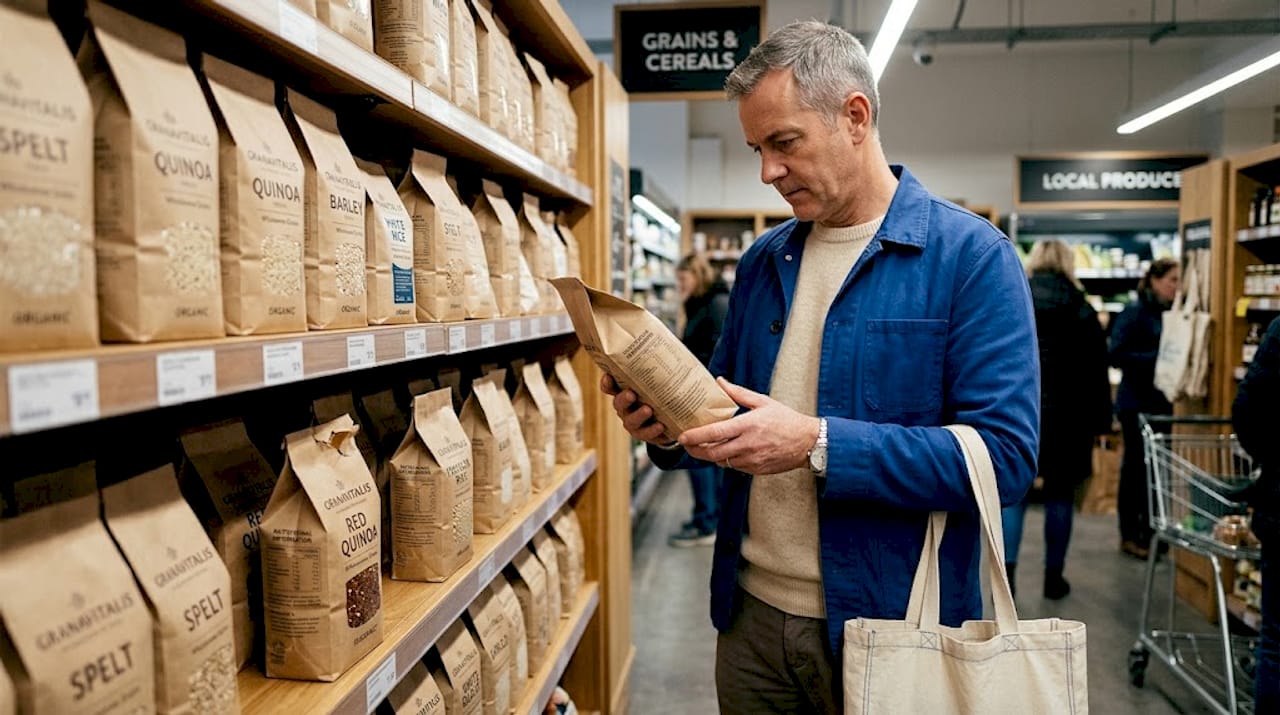
The decline of ancient grains in mainstream diets is largely a story of industrialisation. Varieties bred for high yield, uniform appearance, and ease of processing gradually replaced nutritionally richer heritage grains throughout the 20th century. The good news is that these grains are experiencing a genuine resurgence, and their ancient grain micronutrients are now well supported by contemporary nutrition science.
Pro Tip: Swap your usual pasta or rice for spelt or farro two to three times per week. The transition is subtle in taste but significant in nutritional impact, particularly for magnesium and B vitamin intake.
Key advantages of ancient grains at a glance:
- Complete or near-complete amino acid profiles in quinoa and amaranth
- Higher antioxidant content that supports cellular protection
- Lower glycaemic response compared to refined grain equivalents
- Greater diversity of beneficial phytochemicals, including phenolic acids and flavonoids
Power of plant-based proteins: Legumes, grains, and complete nutrition
While ancient grains offer a foundation, pairing them with plant proteins can vastly enhance your nutritional outcomes. Legumes are among the most efficient and affordable sources of plant protein available. Legumes such as lentils provide roughly 18g of protein per cooked cup alongside fibre, iron, and folate, making them genuinely multifunctional in a wholefood diet.
The concept of protein complementation is straightforward in practice, even if it sounds technical. Most grains are low in the amino acid lysine, while most legumes are low in methionine. When you combine the two, as in a bowl of spelt with chickpeas or brown rice with lentils, you cover all essential amino acids without needing any animal products. You do not need to combine them within a single meal, as your body pools amino acids over the course of a day. What matters is variety across your meals.
Here is a simple framework for building complete, plant-based protein meals:
- Start with a wholegrain base: Quinoa, spelt, brown rice, or farro provide a substantial portion of protein and fibre.
- Add a legume: Lentils, chickpeas, black beans, or edamame bring lysine and iron to complete the amino acid profile.
- Layer with seeds or nut butter: Hemp seeds, pumpkin seeds, or tahini add healthy fats and additional micronutrients.
- Include a varied vegetable component: Dark leafy greens, roasted peppers, or fermented vegetables round out the vitamin and mineral content.
- Season with flavour-boosting wholefoods: Turmeric, fresh herbs, lemon, and garlic add both taste and beneficial bioactive compounds.
UK and EU guidelines recommend at least 30g of fibre daily, and a diet built around whole grains and pulses is one of the most reliable ways to reach that target. Perhaps more compelling is the cardiovascular evidence: research shows that swapping animal protein for plant-based alternatives reduces the risk of cardiovascular disease by 19% and coronary artery disease by 27%. These are not marginal gains; they represent a meaningful shift in long-term health outcomes.
Pro Tip: Prepare a large batch of cooked lentils or chickpeas at the start of the week. They keep refrigerated for five days and can anchor salads, wraps, soups, and grain bowls with very little additional effort.
| Protein source | Protein per serving | Fibre per serving | Additional benefit |
|---|---|---|---|
| Cooked lentils (200g) | 18g | 8g | Folate, iron |
| Cooked chickpeas (200g) | 15g | 7g | Manganese, B6 |
| Quinoa (185g cooked) | 8g | 5g | Complete amino acids |
| Spelt (200g cooked) | 11g | 7.6g | Zinc, magnesium |
| Hemp seeds (30g) | 10g | 1.2g | Omega-3 fatty acids |
The practical takeaway is that plant-based protein is not just viable, it is genuinely advantageous when structured thoughtfully.
Practical tips: Bringing wholefood nutrition into your daily meals
Knowing what and why is just the start. Here is how you can move towards a genuinely wholefood-based lifestyle without overhauling your kitchen or your budget in a single weekend.
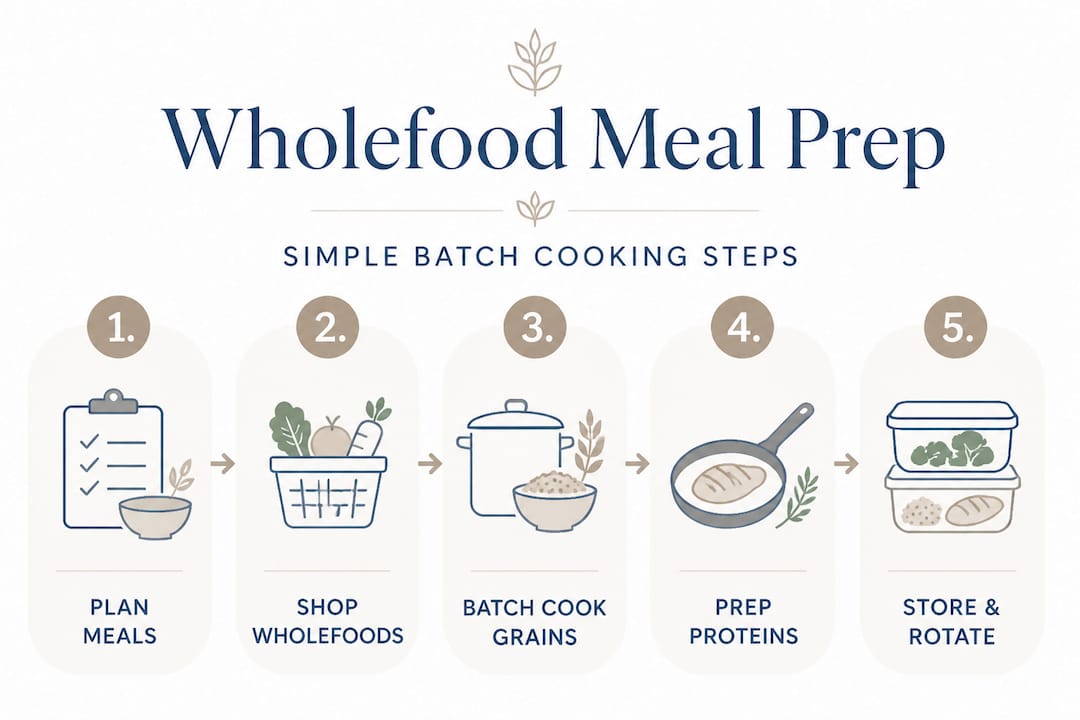
The most common barrier people mention is time. Batch cooking resolves most of this. Cook a large pot of oats, a tray of roasted vegetables, and a batch of grains or legumes on a Sunday afternoon, and you have the scaffolding for four to five days of meals. Affordable staples such as oats, lentils, wholegrain pasta, and tinned beans cost very little per serving and deliver excellent nutritional value.
It is also worth rethinking the idea that everything must be raw or freshly prepared to qualify as a wholefood. Minimally processed options such as tinned tomatoes, hummus, frozen peas, and tinned beans are nutritionally sound and deeply practical. Tinned tomatoes, in fact, contain more bioavailable lycopene than fresh ones because heat processing breaks down the cell walls and increases absorption.
Practical strategies for lasting change:
- Shop with a “whole grain first” rule: When buying bread, pasta, or crackers, check that a wholegrain is listed as the first ingredient on the label.
- Make swaps gradually: Replace white rice with brown or spelt one meal at a time rather than all at once; your palate adjusts quickly.
- Keep wholefood snacks visible: A bowl of mixed nuts, a jar of nut butter, and fresh fruit on the counter reduce the temptation to reach for ultra-processed alternatives.
- Build one wholefood meal per day: Research supports that even this modest addition makes a measurable difference to fibre intake and overall diet quality over time.
- Use legumes as a meat extender: Adding lentils to a meat-based sauce or bolognese halves the saturated fat content while doubling the fibre.
You can find practical inspiration in our guide to balanced ancient grains, which covers how to rotate these ingredients week to week without meals feeling repetitive.
Pro Tip: If you find cooking dried legumes daunting, tinned and pre-cooked pouches are an equally nutritious option. Rinsing them before use reduces sodium content by up to 40%.
Why a perfectionist approach to wholefood nutrition misses the point
Having explored practical strategies, it is important to tackle a common stumbling block: expecting dietary perfection. In our experience, all-or-nothing thinking is one of the most reliable routes to abandoning healthy eating habits altogether. People research the “ideal” wholefood diet, attempt to implement every change simultaneously, and within a fortnight revert to previous patterns because the effort feels unsustainable.
The nutritional evidence simply does not support rigidity. Some minimally processed foods are highly nutritious and genuinely convenient, including hummus, tinned beans, tomato passata, and frozen edamame. Excluding them in pursuit of a purely whole, unprocessed diet introduces unnecessary friction without meaningful health benefit.
What actually matters is the overall pattern of eating, not the purity of any single meal. A person eating predominantly wholefoods with occasional processed inclusions will consistently outperform someone attempting strict perfection and failing regularly. Consistency across weeks and months produces the metabolic, cardiovascular, and digestive benefits attributed to wholefood diets.
Protein complementation is a good example of where flexibility works in your favour. You do not need to engineer perfect amino acid combinations at every sitting. Eating a variety of legumes, grains, nuts, and seeds across each day achieves the same result with far less effort. Our guide to ancient grains and wellness explores this balance in practical terms.
The most productive mindset is one of gradual, sustainable enrichment. Add one wholefood ingredient this week. Swap one refined grain next week. Build from there. Over six months, your diet will look substantially different without ever having felt like deprivation.
Explore nutrient-rich, wholefood-based essentials
To make your shift to wholefood-based meals easier, discover options designed for convenience, taste, and balanced nutrition. Knowing that wholefoods deliver superior nutrition is one thing; having the right ingredients to hand makes it effortless.
At Granavitalis, we select each product to align with exactly the principles covered here: minimal processing, genuine nutrient density, and ingredients your body recognises. Our raw organic pecan butter is a simple, satisfying way to add healthy fats, magnesium, and zinc to your breakfast or post-workout snack without compromise. For variety and discovery, our nut and seed butter box brings together a curated range of wholefood butters that make rotating your nutrient sources genuinely enjoyable. Real food, rooted in tradition, ready for today.
Frequently asked questions
What foods count as wholefoods?
Wholefoods include unprocessed fruits, vegetables, nuts, seeds, beans, lentils, and whole grains in their natural state, with minimal or no industrial processing.
How can I get enough protein on a wholefood plant-based diet?
Pairing legumes and grains, such as lentils with quinoa, ensures you get all essential amino acids, as legumes provide roughly 18g of protein per cooked cup alongside complementary micronutrients.
Is it okay to include some processed foods like tinned beans?
Absolutely. Including minimally processed options such as tinned beans and tomatoes is practical and often beneficial, as some nutrients like lycopene are actually more bioavailable after processing.
How much fibre should I aim for with a wholefood diet?
UK and EU guidelines recommend at least 30g of fibre daily, a target easily reached through regular servings of whole grains, pulses, vegetables, and fruits.
Recommended
- Pre-industrial grains: real nutrition or wellness hype? – Granavitalis
- Why traditional grains matter: health benefits explained – Granavitalis
- Grain-free diets explained: benefits, risks, and tips – Granavitalis
- The healthiest ancient grains and how to cook them – Granavitalis
- Ausgewogene Fertignahrung: Definition, Kriterien und Anwendung – FITTASTE