
Plant Forward Complete Protein Foods: Portions, Shopping and Meal Ideas
A complete protein contains all nine essential amino acids your body cannot make on its own. Most animal foods qualify automatically: meat, fish, poultry, eggs, and dairy. Among plants, soy foods, quinoa, mycoprotein, hemp, chia, and buckwheat make the list too. You don’t need every meal to be “complete” — a varied diet across the day covers your amino acid needs regardless.
TL;DR:
- Most plant-based complete proteins, like soy, quinoa, and mycoprotein, provide ample amino acids, but processing can affect their absorption and availability.
- Combining protein sources in the same meal is unnecessary for most; a varied diet over the course of the day ensures adequate essential amino acid intake.
- Common portions, such as 100g of tofu or chicken, supply around 8–32g of protein, meeting most adults’ main meal requirements without deliberate pairing.
- Building meals around high-protein staples like eggs, Greek yoghurt, or quinoa can reach 15–30g of protein per serving, supporting dietary diversity and health.
- Focusing on a variety of protein-rich foods across the week is more effective than obsessing over ‘complete’ labels or precise meal combinations.
Table of Contents
- Plant-based foods that count as complete proteins
- Do you really need to combine proteins at every meal?
- How much protein do typical portions actually give you?
- Building meals and snacks around complete protein
- Why the “complete protein” checklist misses the point
- Simple ways to add complete plant protein to your day
- Sources
- FAQ
Plant-based foods that count as complete proteins
The plant world offers fewer complete proteins than the animal one, but the ones that qualify are genuinely useful, and some are surprisingly protein-dense.
Soy is the standout. Tofu, tempeh, and edamame all carry the full amino acid set:
- Tofu, 100g: contains protein
- Tempeh, 100g: contains protein
- Edamame, 100g: contains protein
Quinoa is the grain everyone mentions and for good reason. A cooked 100g portion gives around 4.5g of protein, modest compared with soy, but it’s one of the few plant staples with a genuinely complete profile straight out of the pot.
Mycoprotein, the fungus-based ingredient behind most Quorn products, is recognised as a complete protein too. The Institute of Food Science & Technology notes it offers a full essential amino acid profile similar to many animal proteins, and with a considerably lighter environmental footprint than beef or lamb.
Beyond those three headliners, a smaller group rounds out the plant-complete category:
- Buckwheat — a gluten-free pseudo-grain with a balanced amino acid profile
- Hemp seeds — a complete protein and easy to sprinkle on anything
- Chia seeds — similar to hemp seeds, with a complete profile
- Spirulina — technically complete, though typical serving sizes provide limited protein
One caveat worth flagging: not every soy or grain product on a shelf is equal. Processing changes things. Isolated soy protein and fermented tempeh tend to have better amino acid availability than raw legumes, because fermentation and isolation break down compounds that otherwise blunt absorption. Check the label rather than assuming “plant protein” means one fixed thing.
Do you really need to combine proteins at every meal?
No, and this is where a lot of well-meaning advice from decades past gets it wrong. The old “complementary protein” rule, pairing rice with beans, or hummus with pitta, in the same meal to create a complete amino acid set, was built on a misunderstanding of how your body actually handles protein.
Your liver maintains a rolling pool of amino acids. It doesn’t need all nine delivered simultaneously on one plate. According to Nutrition.org.uk, a varied diet across the day supplies essential amino acids for most healthy adults, full stop. Eat lentils at lunch and wholegrain toast at dinner, and your body draws on both pools without you ever needing to plan a “complete” single meal.
That said, complementary combos still make sense in specific situations:
- Very low-calorie diets, where total protein intake is already tight
- Certain clinical conditions where amino acid timing genuinely matters
- Athletes chasing very high daily protein targets who want efficiency at each sitting
For everyone else, rice and beans together is a nice tradition, not a nutritional requirement.
Pro Tip: If you’re ever unsure whether a meal is “complete enough,” don’t overthink the combination. Just add a modest extra portion of any protein-rich food, a handful of chickpeas, a spoonful of yoghurt, and move on with your day.
How much protein do typical portions actually give you?
Numbers help more than vague reassurance here. Below is a quick reference for common foods, drawn from NHS-aligned patient guidance and standard nutrition data.
| Food and portion | Approximate protein |
|---|---|
| 1 large egg | 7 to 8g |
| Chicken breast, 100g | 32g |
| Tofu, 100g | 8g |
| Greek yoghurt, 100g | 15g |
| Quinoa, cooked, 100g | 4.5g |
| Mixed nuts, 30g | 7 to 8g |
A 100g portion of canned tuna delivers around 25g of protein which makes tinned fish an efficient protein source in any UK kitchen cupboard.
Most healthy adults do well aiming for somewhere around 20 to 30g of protein at main meals, though the right figure shifts for athletes, older adults, and anyone managing a clinical condition. Labels vary between brands too, particularly for plant-based yoghurts and dairy alternatives, so a quick check on the pack beats relying on memory.
Building meals and snacks around complete protein
Turning a list of foods into an actual week of eating is where most people stall. Here’s a straightforward way to structure it.
- Breakfast: A tofu scramble with turmeric and spinach gives you a plant-first start, or two eggs on wholegrain toast if you’d rather keep it simple. Either lands you close to 15g of protein before 9am.
- Lunch: A quinoa bowl with edamame, roasted vegetables, and a tahini dressing stacks two complete plant proteins in one plate without any deliberate “combining.”
- Dinner: Grilled chicken or a mycoprotein stir-fry with buckwheat noodles keeps the evening meal complete and quick.
- Snacks: Greek yoghurt with berries, a spoon of nut butter on wholegrain toast, or a small pack of edamame all top up your daily total without much effort.
If mornings are tight, a high-protein breakfast that skips eggs entirely is worth building into your rotation for variety.
When you’re shopping, a couple of habits pay off. Manufactured high-protein snacks can carry more added sugar or salt than you’d expect, so the Institute of Food Science & Technology suggests favouring whole, minimally processed sources over heavily engineered bars and shakes. Soy drinks and skyr are worth a look too. Both tend to carry more protein per 100g than standard dairy alternatives, and they slot into the same meals without any extra effort.
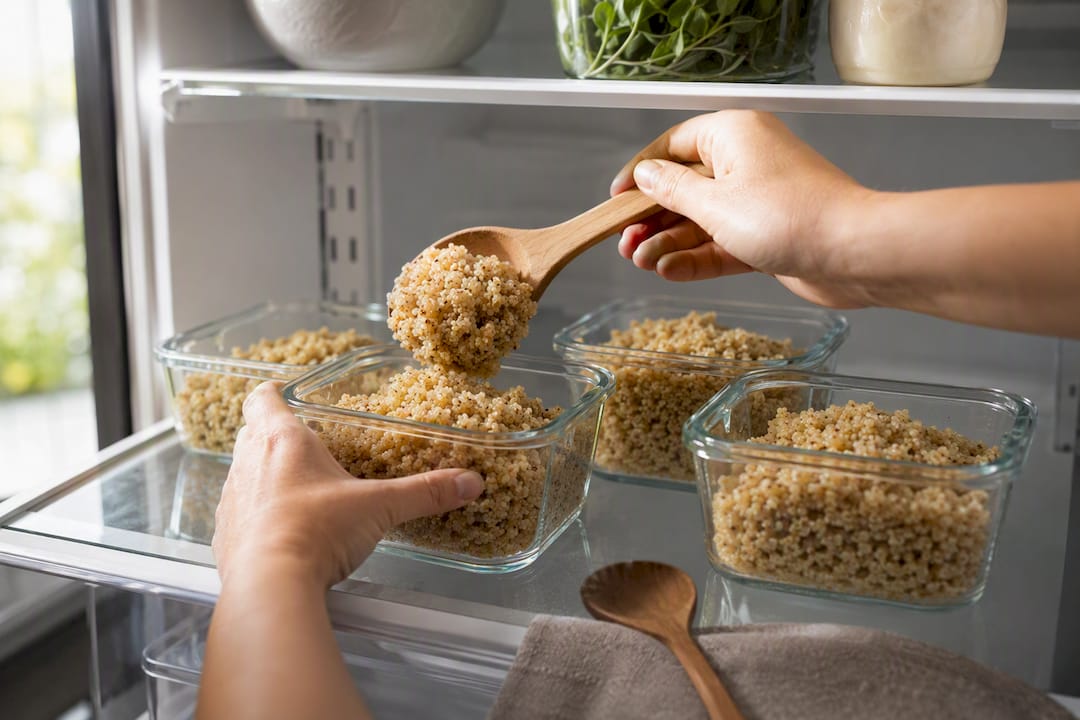
Pro Tip: Batch-cook a big pot of quinoa or buckwheat at the start of the week. It keeps for days in the fridge and turns a five-minute lunch into a complete-protein meal without any planning at all.
For seasonal inspiration that leans plant-forward, Wild Foodz’s seasonal vegan menu ideas are a genuinely useful place to borrow from.
Why the “complete protein” checklist misses the point
Most people ask “which foods are complete proteins” because they’re worried about getting something wrong. That worry is largely misplaced. The idea that you need to consciously track amino acid completeness at every meal is a relic of 1970s nutrition advice that never quite let go of the public imagination, even after the research moved on.
What actually matters is variety and volume across your week, not precision at your plate. A vegetarian eating eggs, yoghurt, quinoa, and lentils across a normal week is getting every essential amino acid without ever thinking about it. Someone eating almost nothing but white bread and biscuits would struggle, not because nothing they eat is “complete,” but because their overall diet lacks protein diversity, full stop.
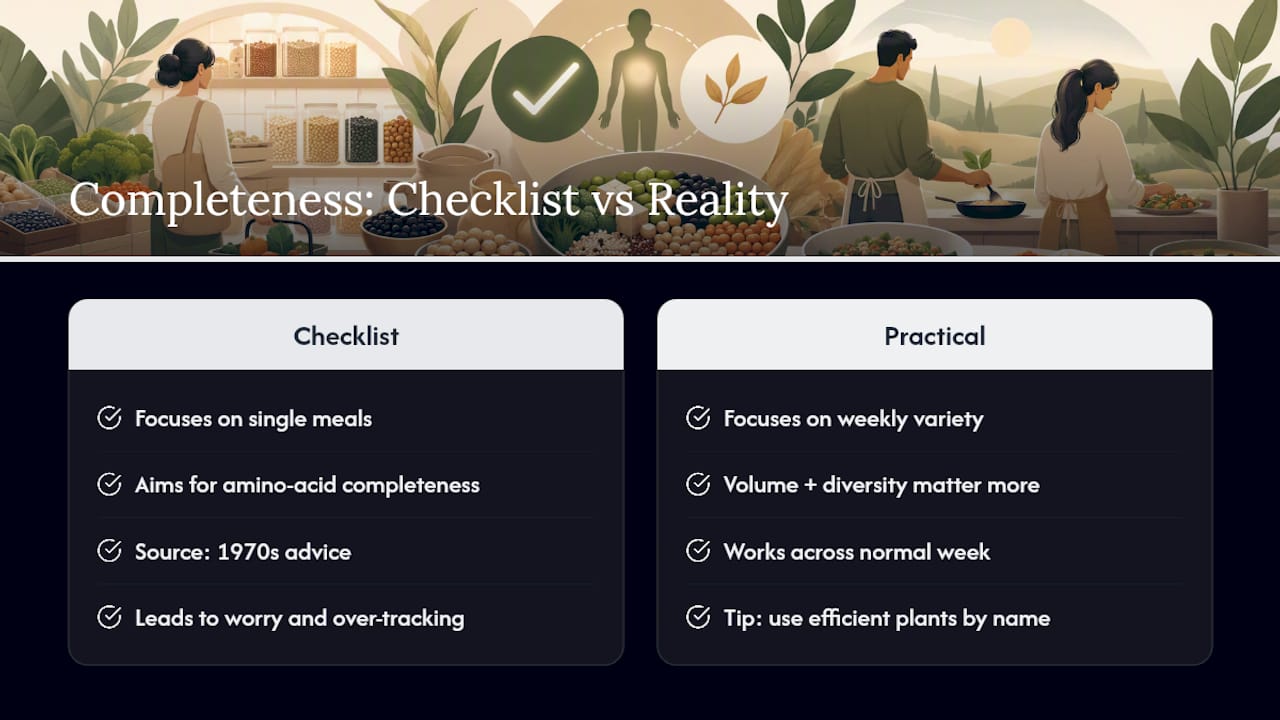
The plant options that genuinely deserve attention, soy, mycoprotein, quinoa, buckwheat, hemp, and chia, are worth knowing by name specifically because they let vegetarians and vegans hit completeness without any combining gymnastics. That’s the practical value of this list: not anxiety management, but efficiency. Know the six or seven plant foods that do the job alone, build a few meals around them, and the rest of your diet can be as relaxed as you like.
If you want to go deeper on the plant side, our breakdown of top plant protein sources and the evidence on how plant protein compares with animal protein for long-term health are both worth your time.
— Jarrod
Simple ways to add complete plant protein to your day
If you’d rather not track combinations meal by meal, a few ingredient swaps do the heavy lifting for you. Granavitalis’s Raw Organic Pecan Butter works as a fast protein and healthy-fat addition to porridge or toast, no prep required. For more variety across the week, the Organic Nut & Seed Butter Selection Box covers several textures and flavours in one order, so you’re not stuck eating the same spread every morning.

These are ingredient-level additions, not medical treatments, and they work best alongside the wholefood staples covered above rather than instead of them. If you want a broader micronutrient boost alongside your protein sources, the Immune Booster Superfood Bundle packs seeds and powders into one convenient order. Visit any of these product pages for full ingredient lists and portion guidance before adding them to your routine.
Sources
Nearly every animal food you eat is a complete protein by default. That’s not marketing shorthand, it’s biology: animal tissue is built from the same twenty amino acids human tissue needs, including all nine essential ones. Whether it’s chicken, cod, or cottage cheese, the amino acid profile is already there.
Here’s how common portions stack up:
- Protein guide for patients — Kent Community Health NHS Foundation Trust
One large egg supplies roughly 7 to 8g of protein according to Nutrition Society protein cards, making a two-egg breakfast a genuinely solid start to the day. The British Heart Foundation confirms animal-based foods are considered complete proteins precisely because of that full amino acid spread.
Lean cuts and lower-fat dairy give you the same completeness with less saturated fat. Swapping fattier mince for turkey, or full-fat yoghurt for a Greek-style low-fat version, doesn’t cost you any protein quality. The NHS also recommends working towards two portions of fish a week, one of them oily, alongside leaner meat choices and fewer processed cuts.
FAQ
What food has the most complete protein?
There’s no single “most complete” food, since completeness isn’t a sliding scale, a food either contains all nine essential amino acids or it doesn’t. Among foods that do qualify, animal sources like eggs, fish, and dairy plus soy, quinoa, and mycoprotein are the standard reference points.
What food is almost 100% protein?
No whole food is pure protein, but egg whites, very lean fish like cod, and isolated soy or whey protein powders come closest, with minimal fat or carbohydrate alongside the protein itself.
Is two eggs a day enough protein?
Two eggs give you roughly 15 to 16g of protein, a solid contribution but rarely the whole daily requirement on its own for most active adults. It works well as one part of a varied day’s eating rather than your sole protein source.
Is yoghurt a complete protein?
Yes. Yoghurt contains all nine essential amino acids, and Greek-style or skyr varieties typically carry more protein per 100g (around 9 to 11g) than regular yoghurt (around 3.8g), making them a more efficient choice if protein intake is a priority.