
Veg high in protein: top 10 plant sources for 2026
TL;DR:
- Legumes and soy products are the most protein-dense plant-based foods, essential for a vegetarian diet. Combining these with grains and seeds ensures amino acid completeness, supporting health and muscle building. Practical habits like batch-cooking legumes and keeping frozen edamame help maintain high protein intake daily.
Legumes and concentrated soy products are the most protein-dense veg high in protein options available to anyone following a plant-based diet. Edamame delivers 18.5g protein per cup, cooked lentils provide 17.9g per cup, and tempeh matches both at roughly 17g per serving. These are not marginal contributors. They are the cornerstone ingredients of any serious vegan nutrition plan. This guide covers the top 10 plant protein sources, explains how to combine them for amino acid completeness, and gives you a practical framework for building high-protein vegan meals every day.
1. Edamame: the complete protein you can eat as a snack
Edamame is a complete protein, meaning it contains all nine essential amino acids your body cannot produce on its own. At 18.5g protein per cooked cup, it outperforms most vegetables and rivals many animal proteins gram for gram. It also delivers significant fibre, folate, and vitamin K1, making it one of the most nutritionally dense snacks in any high protein food list for vegetarian diets.
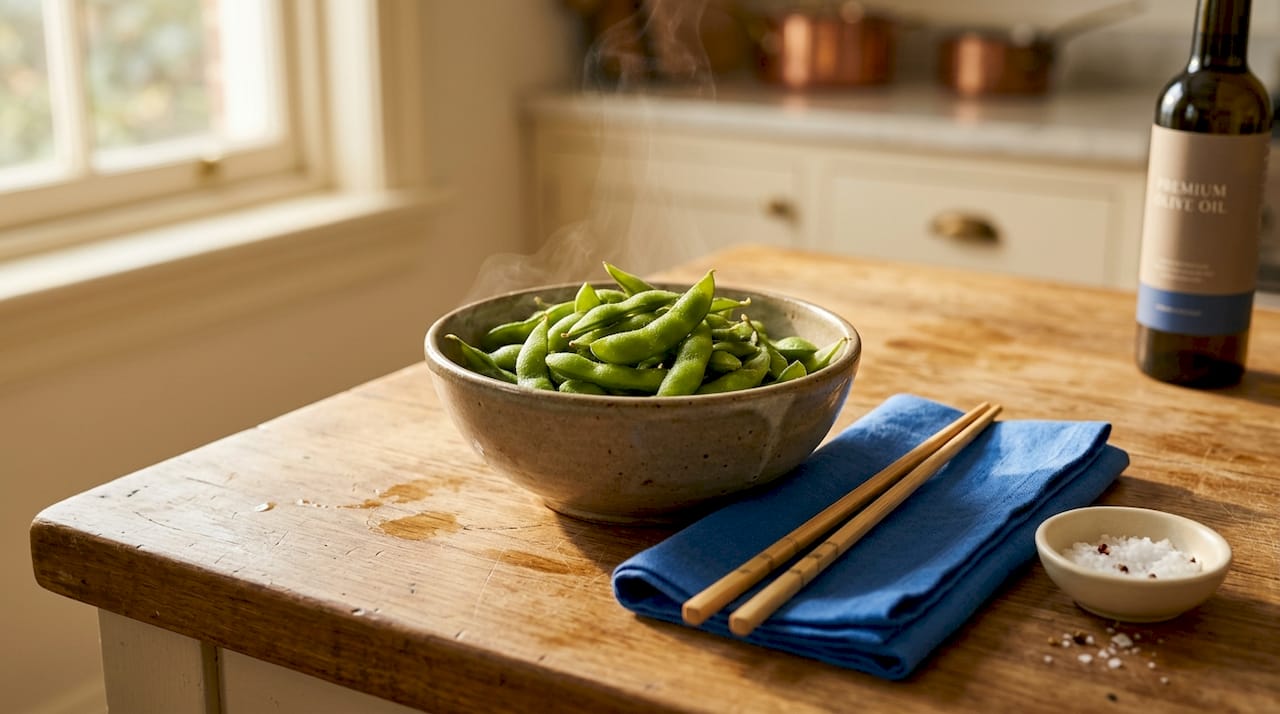
What makes edamame particularly useful is its convenience. Steam it from frozen in five minutes, add it to salads, stir it into grain bowls, or eat it straight from the pod. Few good sources of protein for vegetarians are this quick to prepare without any processing.
2. Lentils: the fibre-rich protein anchor
Cooked lentils provide 17.9g protein, 15.6g fibre, and 6.59mg iron per cup. That combination of protein and fibre in a single food is rare, and it makes lentils one of the most effective ingredients for satiety, blood sugar regulation, and muscle support simultaneously.
Red, green, and black lentils all perform similarly on protein content, though they differ in texture and cooking time. Red lentils break down into a thick dal in under 20 minutes. Green and black lentils hold their shape better and suit salads or grain bowls. Lentils are the most practical example of vegetable protein for everyday cooking.
3. Tempeh: fermented soy with superior protein density
Tempeh provides approximately 17g protein per half-cup serving and is a near-complete protein source. The fermentation process that creates tempeh also improves digestibility and increases the bioavailability of nutrients like zinc and iron. This matters because plant-based iron and zinc are inherently less absorbable than their animal-derived counterparts.
Tempeh has a firm, nutty texture that holds up well to grilling, pan-frying, and baking. Marinate it in tamari, garlic, and smoked paprika before cooking and it becomes one of the most satisfying high protein foods in vegetarian meal planning.
4. Tofu: the versatile soy staple
Tofu is derived from soy milk and, like all soy products, qualifies as a near-complete protein. Firm tofu provides around 10g protein per 100g, making it a reliable daily contributor rather than a single-meal protein anchor. Its near-neutral flavour means it absorbs marinades and spices readily, which is why it appears in cuisines from East Asia to the Mediterranean.
Silken tofu works in smoothies and sauces. Firm tofu suits stir-fries and curries. Extra-firm tofu can be pressed, cubed, and baked to a crisp texture that mimics the mouthfeel of meat. For anyone building a high-protein vegan diet, tofu is the most adaptable tool in the kitchen.
5. Seitan: wheat gluten with meat-like protein density
Seitan is made from vital wheat gluten and delivers approximately 17g protein per two-ounce serving. It is the highest-protein plant food by weight after soy isolates, and its dense, chewy texture makes it the closest plant-based analogue to meat. Seitan is not suitable for anyone with coeliac disease or gluten sensitivity, but for those who tolerate gluten, it is an exceptional protein source.
Seitan is not a complete protein. It is low in lysine, which means it should be paired with lysine-rich foods like lentils or edamame within the same meal to cover the full amino acid spectrum.
6. Chickpeas: the cardiometabolic legume
Chickpeas provide around 14.5g protein per cooked cup alongside substantial fibre and folate. They are one of the most studied legumes for cardiovascular benefit. Research published via ScienceDaily shows that higher legume intake correlates with a 16% lower risk of hypertension. That figure applies specifically to legume consumption, and chickpeas are among the most consumed legumes globally.
Roasted chickpeas make a high-protein snack. Blended into hummus, they become a protein-rich spread. Added whole to curries or stews, they contribute both protein and texture. Chickpeas are one of the most versatile entries on any high protein food list for vegetarian cooking.
7. Black beans: protein with antioxidant pigments
Black beans offer around 15g protein per cooked cup and are notable for their anthocyanin content, the same class of antioxidant pigments found in blueberries. This makes them one of the few high-protein plant foods that also deliver meaningful antioxidant activity. They are a staple in Latin American cooking and pair naturally with rice, creating a complementary amino acid profile in a single dish.
Pro Tip: Combine black beans with brown rice or quinoa in the same meal. The lysine in the beans complements the methionine in the grains, producing a more complete amino acid profile than either food provides alone.
8. Quinoa: the complete-protein grain alternative
Quinoa provides 8g protein per cooked cup and contains all nine essential amino acids, which is exceptional for a grain-like seed. Most grains are low in lysine, but quinoa is not. This makes it one of the few carbohydrate-dominant foods that also functions as a complete protein source.
Quinoa works as a base for grain bowls, a substitute for rice, or a breakfast porridge with nuts and seeds. Nutritionists recommend pairing it with a legume serving to push a single meal toward the 30g protein target that research identifies as optimal for amino acid utilisation.
9. Green peas: the underrated protein vegetable
Green peas contain around 8g protein per cooked cup, which places them well above most standard vegetables. They are also high in fibre, vitamin C, and vitamin K. Pea protein isolate, derived from yellow split peas, has become one of the most popular plant protein supplements precisely because whole peas demonstrate such strong protein credentials.
Green peas are one of the most overlooked entries on any list of what plants are high in protein. Add them to soups, mash them into spreads, or stir them into pasta dishes. They are cheap, widely available, and genuinely nutritious.
10. Hemp seeds: the omega-rich protein seed
Hemp seeds provide around 10g protein per three-tablespoon serving and are a complete protein, containing all essential amino acids in a balanced ratio. They are also rich in omega-3 and omega-6 fatty acids in an optimal 3:1 ratio, which supports inflammation management and cardiovascular health.
Hemp seeds require no cooking. Sprinkle them over porridge, blend them into smoothies, or stir them into yoghurt. They are one of the most nutrient-dense additions to any vegan meal and a genuinely useful example of vegetable protein that most people underuse.
How to combine plant proteins for amino acid completeness
Amino acid complementarity, not total protein quantity, determines the nutritional quality of a vegan meal. Research from Frontiers in Nutrition (2026) confirms that meal-level protein quality in vegan diets depends on combining multiple plant sources to cover limiting amino acids. A single food, however protein-rich, rarely covers the full spectrum efficiently.
The practical approach is to build each meal around a primary protein anchor and then add complementary sources. Here are four pairing strategies that work:
- Lentils or chickpeas with brown rice or quinoa (lysine from legumes, methionine from grains)
- Tofu or tempeh with sesame seeds or hemp seeds (soy protein plus omega-rich complete seed protein)
- Seitan with edamame or black beans (wheat gluten’s lysine gap filled by legume lysine)
- Green peas with pumpkin seeds and oats (a complete amino acid spread across a single breakfast bowl)
Pro Tip: Plan each main meal around one high-protein anchor providing at least 15g protein, then add a complementary source to close any amino acid gaps. This approach, recommended by dietitians, is more effective than tracking total daily protein in isolation.
Protein density and health benefits compared
The table below gives you a side-by-side view of the top options, covering protein per serving, fibre, and key additional benefits.
| Food | Protein per serving | Fibre | Notable benefit |
|---|---|---|---|
| Edamame (1 cup cooked) | 18.5g | High | Complete protein, folate, vitamin K1 |
| Lentils (1 cup cooked) | 17.9g | 15.6g | Iron, blood sugar regulation |
| Tempeh (½ cup) | 17g | Moderate | Fermented, improved bioavailability |
| Seitan (2 oz) | 17g | Low | Highest protein density by weight |
| Chickpeas (1 cup cooked) | 14.5g | High | Hypertension risk reduction |
| Black beans (1 cup cooked) | 15g | High | Antioxidant anthocyanins |
| Quinoa (1 cup cooked) | 8g | Moderate | Complete protein, all essential amino acids |
| Hemp seeds (3 tbsp) | 10g | Low | Complete protein, optimal omega ratio |
“People eating the highest amounts of legumes and soy had a 16% and 19% lower risk of hypertension respectively.” Source: ScienceDaily, 2026
The cardiometabolic benefits of legumes and soy extend well beyond protein. For anyone focused on both muscle support and long-term cardiovascular health, prioritising lentils, chickpeas, edamame, and tempeh delivers returns that no supplement can replicate.
Practical ways to eat more high-protein veg every day
Getting enough plant protein is less about discipline and more about having the right foods ready. These are the swaps and habits that make the biggest difference:
- Batch-cook a large pot of lentils or chickpeas on Sunday. Use them across four to five meals during the week in soups, salads, and curries.
- Keep frozen edamame in the freezer at all times. It is the fastest complete protein available, ready in five minutes with no preparation.
- Replace croutons in salads with roasted chickpeas for a protein and fibre upgrade.
- Add hemp seeds or nut and seed butters to breakfast bowls, smoothies, or porridge for a protein boost without any cooking.
- Use quinoa instead of white rice as your grain base. The protein difference per cup is significant, and the texture suits most dishes equally well.
- Explore plant-based recipe ideas built around legume and soy anchors to keep meals varied and satisfying.
Pro Tip: The most overlooked high-protein vegetable in British kitchens is edamame. Most people treat it as a Japanese restaurant starter. Buy it frozen in bulk and use it as you would any other legume. It is the only snack-format complete protein in this entire list.
Key takeaways
The best veg high in protein are legumes and soy products, and combining them with complementary grains or seeds is what makes a vegan diet nutritionally complete.
| Point | Details |
|---|---|
| Top protein sources | Edamame, lentils, tempeh, and seitan lead on protein density per serving. |
| Completeness matters | Soy and quinoa are complete proteins; most others need pairing with grains or seeds. |
| Meal-level targeting | Aim for 30g protein per main meal by combining a legume anchor with a complementary source. |
| Health benefits beyond protein | Legumes and soy reduce hypertension risk by 16 to 19% according to 2026 research. |
| Practical priority | Batch-cook legumes and keep frozen edamame on hand to remove daily preparation barriers. |
Why protein variety matters more than people realise
I have spent years watching people approach vegan protein the same way: they pick one source, usually tofu or lentils, and eat it repeatedly while wondering why their energy or recovery feels inconsistent. The problem is rarely total protein intake. It is amino acid monotony.
The 2026 Frontiers in Nutrition research on meal-level protein quality confirms what I have observed practically. A single plant food, even a good one, leaves gaps. Seitan is low in lysine. Rice is low in lysine. Combine them and you still have a lysine problem. Add lentils or edamame and the picture changes entirely.
The other misconception I encounter regularly is the idea that leafy greens and standard vegetables contribute meaningfully to protein intake. Spinach and broccoli are nutritious, but they are not protein sources in any practical sense. Treating them as such leads people to underestimate how much legume and soy food they actually need each day.
My honest recommendation: build your vegetarian protein meals around two or three of the top ten sources in this list, rotate them across the week, and combine them deliberately. Protein variety is not a bonus. It is the mechanism.
— Jarrod
Fuel your protein goals with Granavitalis
If you are serious about hitting your protein targets on a plant-based diet, whole foods get you most of the way there. But there are days when a quick, clean protein source makes the difference between a complete meal and a nutritional shortfall. Granavitalis Kick Ass Vegan Protein is built for exactly those moments. Sourced from clean plant proteins with no fillers, it complements the legume and soy anchors in your daily meals rather than replacing them. Pair it with the organic nut and seed butters from the Granavitalis range for a protein and healthy fat combination that supports recovery, energy, and sustained focus throughout the day.
FAQ
What vegetables are highest in protein?
Edamame, lentils, tempeh, and chickpeas are the highest-protein plant foods, providing between 14g and 18.5g protein per cooked cup. Standard vegetables like spinach and broccoli contribute minimal protein by comparison.
Do plant proteins provide complete amino acids?
Edamame, quinoa, hemp seeds, and soy products like tofu and tempeh are complete proteins. Most other plant sources are incomplete and should be combined with complementary foods, such as legumes paired with grains, to cover all essential amino acids.
How much protein can you get from a vegan meal?
A meal built around one cup of lentils or edamame provides approximately 18g protein. Adding a cup of quinoa brings the total to roughly 26g, close to the 30g per meal target that nutritionists recommend for optimal amino acid utilisation.
Are legumes good for health beyond protein?
Yes. Research shows that high legume and soy intake is associated with a 16 to 19% lower risk of hypertension, making legumes one of the most evidence-backed food groups for cardiometabolic health.
How do I get enough protein on a vegetarian diet without supplements?
Focus on balancing plant proteins by eating legumes, soy products, and complementary grains at each main meal. Batch-cooking lentils and chickpeas and keeping frozen edamame available removes the main practical barrier to consistent intake.