
Understanding plant protein: complete nutrition guide
Plant protein often faces unfair criticism. Many believe it lacks the quality and completeness of animal protein, yet recent science reveals a different story. This guide explores how plant proteins deliver complete nutrition, supporting strength, recovery and sustained energy for health-conscious adults embracing plant-based living.
Table of Contents
- Introduction To Plant Protein
- Understanding Protein Completeness And Amino Acid Profiles
- Digestibility And Bioavailability Of Plant Proteins
- The Role Of Ancient Grains And Seeds In Plant Protein Nutrition
- Combining Plant Proteins For Balanced Nutrition
- Practical Applications: Incorporating Plant Protein Into Your Diet
- Common Misconceptions And FAQs About Plant Protein
- Explore Granavitalis Plant Protein Foods And Supplements
Key takeaways
| Point | Details |
|---|---|
| Complete plant proteins exist | Quinoa, soy and amaranth contain all nine essential amino acids in balanced amounts. |
| Digestibility can be improved | Soaking, fermenting and sprouting ancient grains and seeds boosts protein absorption by 10-15%. |
| Combining proteins daily works | Pairing grains with legumes throughout the day ensures balanced amino acid intake without strict meal planning. |
| Ancient grains offer quality protein | Amaranth, teff and millet provide 13-15g protein per 100g, surpassing modern wheat varieties. |
| Misconceptions limit choices | Scientific evidence confirms plant proteins support muscle growth equivalently to animal sources when intake is varied. |
Introduction to plant protein
Plant protein refers to protein derived from legumes, grains, seeds, nuts and certain vegetables. Unlike animal proteins, which typically contain all essential amino acids in optimal ratios, plant proteins often excel in some amino acids whilst being lower in others. This difference matters for vegans and those pursuing sustainable nutrition, yet it doesn’t mean plant proteins are inferior.
Popular sources include lentils, chickpeas, quinoa, hemp seeds, almonds and spirulina. Each offers unique nutritional profiles beyond protein, delivering fibre, vitamins, minerals and beneficial fats. Understanding these sources helps you build a robust plant-based diet.
Key characteristics of plant protein:
- Derived from whole food sources rather than animal tissue
- Contains varying amino acid patterns compared to meat, dairy and eggs
- Often accompanied by fibre, antioxidants and phytonutrients
- Essential for vegans and increasingly valued for environmental sustainability
The rise of plant-based eating demands clarity about protein quality. Knowing how plant proteins function in your body empowers confident dietary decisions, supporting optimal wellness without animal products.
Understanding protein completeness and amino acid profiles
A complete protein contains all nine essential amino acids that your body cannot manufacture. Historically, nutritionists claimed plant proteins were incomplete, requiring careful combinations. This oversimplifies the reality.
Several plant-based protein sources naturally qualify as complete. Quinoa contains all nine essential amino acids in balanced amounts, offering a complete plant protein. Soy products like tofu and tempeh also meet this standard, as does amaranth.
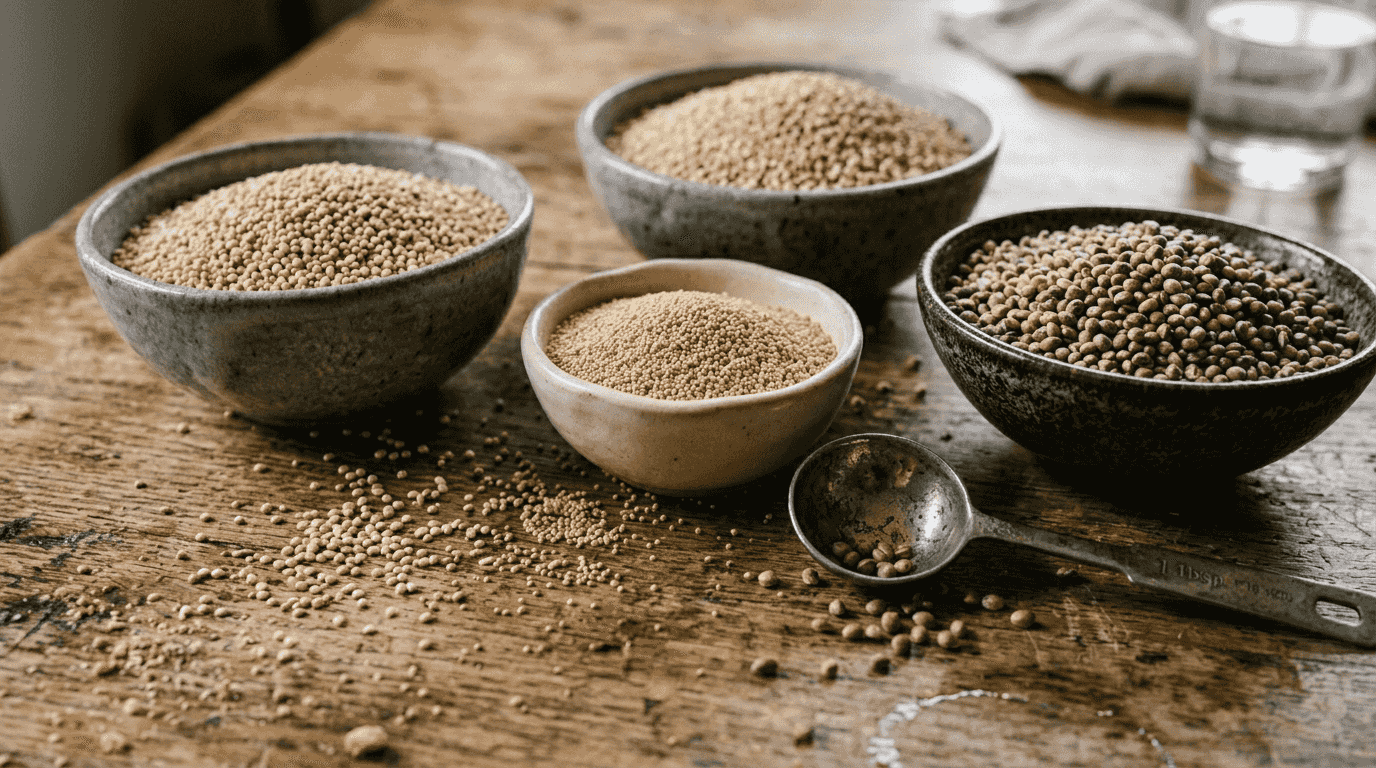
The amino acid profile determines protein quality. Lysine often limits legumes, whilst methionine restricts grains. Yet consuming varied plant proteins throughout the day easily compensates for individual shortfalls.
Key points about completeness:
- Complete proteins provide adequate amounts of all essential amino acids
- Incomplete proteins lack sufficient quantities of one or more essential amino acids
- Many ancient grains and seeds approach or achieve complete protein status
- Daily variety matters more than combining proteins in single meals
Understanding amino acid profiles shifts focus from rigid meal planning to enjoyable dietary diversity. Your body maintains an amino acid pool, drawing from foods consumed over hours and days. This flexibility makes plant-based nutrition far more accessible than outdated advice suggested.
Digestibility and bioavailability of plant proteins
Digestibility determines how much protein your body actually absorbs and uses. Plant protein digestibility ranges from 70-90% compared to 90-99% for animal protein due to fibre and antinutritional factors. Whilst this difference exists, simple processing techniques bridge the gap.
Antinutritional factors like phytates and tannins bind to protein molecules, reducing absorption. Fibre, whilst beneficial for gut health, can slightly interfere with protein digestion. These challenges aren’t insurmountable.
Processing dramatically improves plant protein bioavailability. Fermentation can increase protein digestibility by up to 10-15% in grains. Soaking legumes overnight removes much of their phytate content. Sprouting activates enzymes that pre-digest proteins, making amino acids more accessible.
Effective processing methods:
- Soaking grains and legumes for 8-12 hours before cooking
- Fermenting foods like tempeh, miso and sourdough bread
- Sprouting seeds, beans and ancient grains
- Choosing processed forms of nutritional advantages of ancient grains like flour or flakes
Pro Tip: Buy pre-sprouted or fermented products when time is limited. These ready-to-use options deliver enhanced digestibility without home preparation effort.
Optimising digestibility ensures your body captures maximum nutritional value from plant proteins. These straightforward techniques transform good protein sources into excellent ones, supporting strength and recovery goals.
The role of ancient grains and seeds in plant protein nutrition
Ancient grains and seeds punch above their weight in protein content and quality. Amaranth contains about 13.6g protein per 100g, higher than common wheat and is gluten-free. Teff, millet and sorghum offer similar benefits, combining protein density with rich mineral profiles.
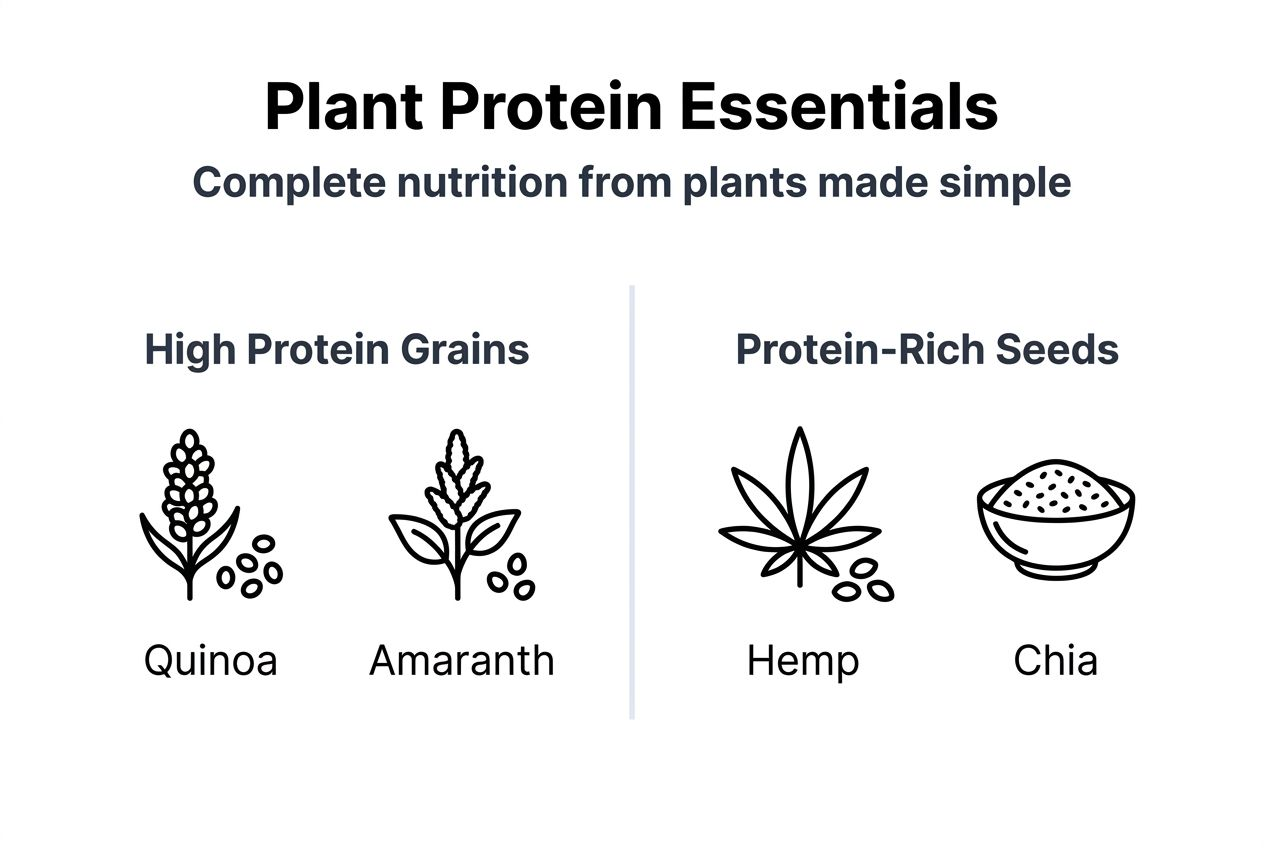
Seeds deserve special attention as protein powerhouses. Hemp seeds deliver all essential amino acids with exceptional digestibility. Pumpkin seeds provide 19g protein per 100g alongside zinc and magnesium. Chia seeds offer 17g protein per 100g plus omega-3 fatty acids.
| Ancient Grain/Seed | Protein per 100g | Key Amino Acids | Additional Benefits |
|---|---|---|---|
| Amaranth | 13.6g | Complete profile | Iron, calcium, gluten-free |
| Quinoa | 14.1g | Complete profile | Manganese, magnesium |
| Teff | 13.3g | High lysine | Iron, calcium, fibre |
| Hemp seeds | 31.6g | Complete profile | Omega-3, magnesium |
| Pumpkin seeds | 19.0g | High arginine | Zinc, antioxidants |
| Chia seeds | 16.5g | Complete profile | Omega-3, fibre |
These essential examples of ancient grains remained unchanged by industrial agriculture, preserving their dense nutritional profiles. They thrive in harsh climates without extensive inputs, making them sustainable choices.
Nutritional advantages extend beyond protein:
- Higher mineral content than modern grains
- Rich in B vitamins supporting energy metabolism
- Beneficial fats from seeds supporting hormone production
- Naturally gluten-free options for those with sensitivities
Incorporating ancient grains and seeds diversifies your protein intake whilst adding unique flavours and textures. They integrate easily into porridge, salads, baked goods and energy bars, making plant-based nutrition both practical and delicious.
Exploring vegan sources of protein reveals how ancient grains and seeds anchor a nutrient-dense plant-based diet, delivering sustained energy and supporting recovery after physical activity.
Combining plant proteins for balanced nutrition
Protein combining sounds complicated but follows simple principles. Limiting amino acids in one food are abundant in another. Grains typically lack lysine yet provide methionine. Legumes offer lysine but contain less methionine. Pairing them creates a complete amino acid profile.
Classic combinations work because they balance these gaps:
| Combination | Grain Component | Legume Component | Result |
|---|---|---|---|
| Rice and beans | Rice (low lysine) | Beans (high lysine) | Complete protein |
| Hummus and pitta | Wheat (low lysine) | Chickpeas (high lysine) | Complete protein |
| Lentil soup with barley | Barley (low lysine) | Lentils (high lysine) | Complete protein |
| Peanut butter on whole grain bread | Wheat (low lysine) | Peanuts (high lysine) | Complete protein |
You don’t need to combine proteins at every meal. Your body maintains an amino acid pool over 24 hours, so daily variety achieves balance. Eating different plant proteins throughout the day ensures all essential amino acids are available when needed.
Steps for balanced meal planning:
- Include protein sources from multiple categories daily: grains, legumes, nuts, seeds
- Rotate your choices weekly to ensure diverse amino acid intake
- Add a protein source to each main meal rather than concentrating in one
- Snack on nuts, seeds or nut butter between meals for additional protein
- Use ancient grains as bases for Buddha bowls, pairing with beans and vegetables
Pro Tip: Batch cook grains and legumes on weekends. Store separately in the fridge, then mix and match throughout the week for effortless balanced meals.
Explore plant based high protein meals for practical recipes that naturally combine complementary proteins. This approach transforms nutrition from a chore into an enjoyable culinary adventure.
Practical applications: incorporating plant protein into your diet
Translating knowledge into daily habits ensures consistent protein intake. Start by auditing your current diet. Track protein sources for three days, noting variety and quantities. This baseline reveals gaps and opportunities.
Selecting high-quality plant proteins involves choosing whole foods first:
- Legumes: lentils, chickpeas, black beans, split peas
- Ancient grains: quinoa, amaranth, teff, millet, buckwheat
- Seeds: hemp, chia, pumpkin, sunflower, flax
- Nuts: almonds, walnuts, cashews, pecans
- Soy products: tempeh, tofu, edamame
Plant protein powders offer convenient supplementation. Pea protein digestibility corrected amino acid score (PDCAAS) ranges from 0.82 to 0.93, making it a highly effective supplement. Rice protein and hemp protein also deliver quality results, each with unique amino acid strengths.
Meal planning tips for muscle support and energy:
- Aim for 20-30g protein per main meal to optimise muscle protein synthesis
- Include protein at breakfast to start the day with stable blood sugar
- Add seeds or nuts to snacks for steady amino acid availability
- Use protein powder in smoothies post-workout for convenient recovery nutrition
- Prepare versatile bases like quinoa or lentils for quick meal assembly
Food preparation enhances absorption. Cooking legumes thoroughly breaks down resistant starches. Toasting nuts and seeds improves digestibility. Blending ingredients in smoothies pre-breaks food particles, easing digestion.
Review top vegan protein sources regularly to discover new options. Variety prevents boredom whilst ensuring comprehensive amino acid coverage. Experiment with international cuisines naturally rich in plant proteins: Indian dals, Middle Eastern mezze, Mexican bean dishes, Japanese miso soups.
Common misconceptions and FAQs about plant protein
Myths about plant protein persist despite scientific evidence. Addressing these misconceptions builds confidence in plant-based nutrition choices.
Myth: Plant proteins are always incomplete and insufficient. Reality: Numerous plant foods provide complete proteins, and daily variety easily fills any gaps. The outdated concept of strict protein combining at each meal has been debunked.
Myth: You cannot build muscle on plant protein. Reality: Vegan diets can support muscle growth comparable to omnivorous diets when protein intake is adequate and varied. Elite athletes thriving on plant-based diets demonstrate this conclusively.
Myth: Plant protein digestibility is too low to be effective. Reality: Whilst slightly lower than animal protein, processing methods and proper preparation bring plant protein digestibility into highly effective ranges. The difference rarely impacts real-world nutrition outcomes.
Myth: You need massive quantities of plant foods to meet protein needs. Reality: Concentrated sources like seeds, ancient grains and legumes provide substantial protein in reasonable portions. A 100g serving of hemp seeds delivers over 30g protein.
Addressing quantity concerns:
- Daily protein needs: 1.2-2.0g per kg body weight depending on activity level
- A 70kg active person requires 84-140g protein daily
- This is easily met with three balanced meals plus snacks
- Plant protein powders efficiently supplement whole food intake when needed
Understanding these facts removes psychological barriers to plant-based eating. Science supports plant proteins as viable, effective and health-promoting choices for all fitness and wellness goals.
Explore Granavitalis plant protein foods and supplements
Now you understand plant protein science, choosing quality sources matters. Granavitalis offers raw and organic nut and seed butters rich in protein, minerals and beneficial fats. Each product supports the nutrient-dense, sustainable nutrition principles explored in this guide.
Our raw organic pecan butter delivers protein alongside zinc and antioxidants, perfect for post-workout recovery or afternoon energy. The organic nut and seed butter selection box provides convenient variety, helping you diversify protein sources effortlessly.
These products align with the Granavitalis philosophy: purity through minimal processing, performance from nutrient density, and purpose rooted in wholefood vitality. Whether spread on ancient grain bread, blended into smoothies, or enjoyed straight from the jar, they support your journey to complete plant-based nutrition.
Frequently asked questions
Is plant protein complete enough to support muscle growth?
Yes, plant proteins effectively support muscle growth when intake is sufficient and sources are varied. Scientific studies confirm vegan athletes achieve muscle mass comparable to omnivores. Combining different plant proteins throughout the day ensures all essential amino acids are available for muscle protein synthesis. Focus on total daily protein intake rather than individual meal composition.
What are some easy plant protein combinations for a balanced diet?
Classic pairings include rice with beans, lentil soup with barley, hummus with pitta bread, and peanut butter on whole grain toast. These combinations complement amino acid profiles naturally. Remember, you don’t need to combine proteins at every meal. Eating varied plant proteins throughout the day provides balanced amino acids for your body’s needs.
How can I improve the digestibility of plant proteins at home?
Soaking, fermenting and sprouting grains and seeds are the most effective home methods. Soak legumes and grains for 8-12 hours before cooking to reduce antinutrients. Fermentation can increase protein digestibility by 10-15%, so try making tempeh or sourdough bread. Sprouting activates enzymes that pre-digest proteins, making amino acids more accessible and improving nutrient absorption significantly.
Are plant protein powders effective alternatives to whole foods?
Plant protein powders like pea, rice and hemp offer convenient, highly digestible supplementation with PDCAAS scores above 0.80. They effectively support protein intake for strength training and recovery when used properly. However, they lack the fibre, phytonutrients and minerals found in whole foods. Use powders to supplement, not replace, a varied diet rich in legumes, ancient grains, nuts and seeds.
Recommended
- Top plants high in protein: complete UK guide for 2026 – Granavitalis
- Top 10 Vegan Sources of Protein for Your Diet – Granavitalis
- Plant Based High Protein Meals: 30% More Complete Nutrition – Granavitalis
- Role of Protein in Vegan Diets: Vitality and Daily Wellness – Granavitalis
- What is Vegan Pad Thai? Understanding this Delicious Dish