
Top 10 vegetarian protein foods: meal-ready picks
The top 10 vegetarian protein foods, ranked by protein density and practical usability, are: tempeh (~21 g per 100 g), tofu (~17 g per 100 g), seitan (~25 g per 100 g), lentils (~9–10 g per half cup cooked), chickpeas and beans (~7–9 g per half cup cooked), quinoa (~8 g per cup cooked), eggs (~6 g per large egg), Greek yoghurt and cottage cheese (~10–17 g per 100 g), hemp seeds (~10 g per 3 tablespoons), and nutritional yeast (~8 g per 2 tablespoons). Pulses, soya products, nuts and seeds are all recognised as useful protein sources for vegetarians, with variety across the day being the key to covering all essential amino acids.
Quick serving callouts:
- Tempeh (100 g) ≈ 21 g protein — fermented, nutty, and more digestible than plain soya
- Tofu (80 g) ≈ 6.5–14 g protein depending on firmness — silken to extra-firm
- Seitan (100 g) ≈ 25 g protein — wheat gluten; avoid if coeliac
- Lentils (120 g cooked) ≈ 10 g protein — budget-friendly and iron-rich
- Chickpeas / beans (130 g cooked) ≈ 8–9 g protein — fibre-dense and filling
- Quinoa (185 g cooked) ≈ 8 g protein — one of the few plant complete proteins
- Eggs (2 large) ≈ 12 g protein — fast, versatile, complete amino-acid profile
- Greek yoghurt / cottage cheese (150 g) ≈ 15–17 g protein — high in calcium and casein
- Hemp seeds (3 tbsp / 30 g) ≈ 10 g protein — complete protein with omega-3s
- Nutritional yeast (2 tbsp / 15 g) ≈ 8 g protein — B12-fortified, umami flavour
Key takeaways
Spreading protein across the day from varied plant sources is the single most effective strategy for meeting vegetarian protein needs without supplementation.
| Point | Details |
|---|---|
| Prioritise legumes and soya | Lentils, chickpeas, tofu, and tempeh offer the best protein-per-penny ratio and cover iron and fibre simultaneously. |
| Spread intake across meals | Aim for 20–30 g per meal; plant proteins may need slightly higher per-meal amounts to stimulate muscle protein synthesis. |
| Variety covers amino acids | Eating a mix of grains, legumes, and seeds across the day meets essential amino-acid needs without per-meal combining. |
| Watch B12, iron, and iodine | Pair non-haem iron sources with vitamin C; choose fortified dairy or nutritional yeast for B12; check allergens in soya and wheat. |
| Granavitalis pantry staples | Nut butters and minimally processed plant proteins from Granavitalis slot directly into the sample day plans above. |
Table of Contents
- Top 10 vegetarian protein foods explained in full
- How much protein do you actually need each day?
- Do you need to combine proteins at every meal?
- Sample day plans to hit 70 g and 100 g protein targets
- How these top 10 were chosen
- A note from Granavitalis on building a protein-rich pantry
- Granavitalis pantry picks for hitting your protein goals
- Sources
Top 10 vegetarian protein foods explained in full
The figures below draw on USDA FoodData Central entries and University Hospitals Sussex serving-size guidance. Protein values are per typical UK serving unless stated.
## 1. Seitan — the highest plant protein per gram
Seitan is made from vital wheat gluten and delivers roughly 25 g of protein per 100 g, making it the most protein-dense option on this list. It absorbs marinades brilliantly and works in stir-fries, sandwiches, and kebabs. The catch: it is entirely off-limits for anyone with coeliac disease or a wheat allergy, and it is low in the amino acid lysine, so pairing it with lentils or chickpeas across the day rounds out the profile.
## 2. Tempeh — fermented soya at its most nutritious
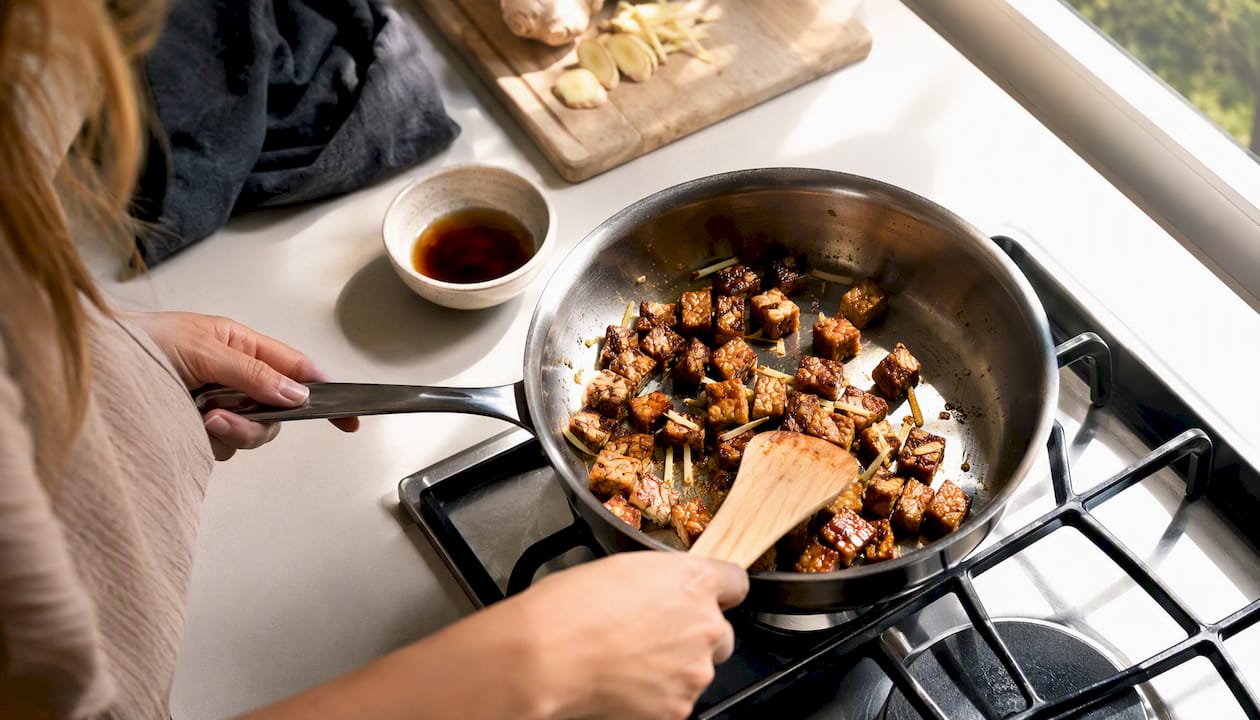
Tempeh edges out plain tofu because fermentation improves digestibility and raises bioavailability of its nutrients. At around 21 g of protein per 100 g, it is also a complete protein. Slice and pan-fry it with tamari and ginger, crumble it into a bolognese, or cube it for a grain bowl. The fermentation process also reduces phytate content, which is the antinutrient that otherwise limits mineral absorption in soya.
Pro Tip: Soak dried lentils and beans before cooking to reduce phytates and improve mineral absorption. The same principle applies to tempeh’s fermentation: processing genuinely raises how much protein your body uses. For a practical guide to seed-based meal ideas that apply similar principles, Wild Foodz has useful inspiration.
## 3. Tofu — the workhorse of plant-based protein
Firm tofu gives around 14 g of protein per 100 g; silken tofu drops to roughly 5–6 g. Both are complete proteins derived from soya. Tofu is one of the most versatile foods on this list: scramble it for breakfast, bake it for a grain bowl, blend silken tofu into a smoothie. It is also a meaningful source of calcium when set with calcium sulphate, which matters for vegetarians watching bone health.
## 4. Greek yoghurt and cottage cheese — dairy’s protein punch
A 150 g serving of full-fat Greek yoghurt delivers around 15–17 g of protein, and cottage cheese sits in a similar range. Both are complete proteins and supply calcium, iodine, and B12 — nutrients that vegetarians (particularly those avoiding meat and fish) need to monitor. Cottage cheese works well stirred into pasta sauces for a creamy protein boost; Greek yoghurt is the obvious breakfast base or post-workout snack. Fortified dairy alternatives are a practical swap for those avoiding dairy, though protein content varies by brand.
## 5. Lentils — the budget staple with serious nutrition
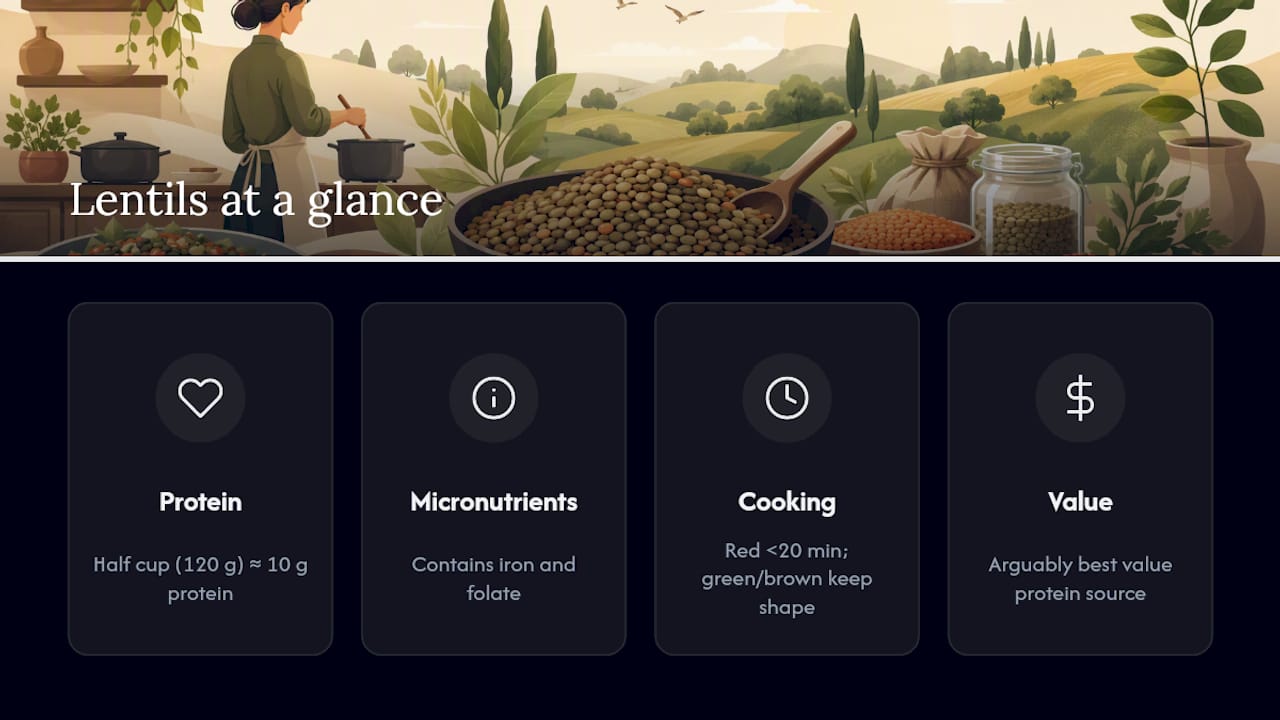
Half a cup of cooked lentils (around 120 g) provides roughly 10 g of protein alongside meaningful iron and folate. Lentils are not a complete protein on their own, but eaten across a day that includes grains or seeds, the full amino-acid picture fills in naturally. Red lentils cook in under 20 minutes without soaking; green and brown lentils hold their shape better for salads and soups. For anyone watching the food budget, lentils are arguably the best value protein source on this list.
## 6. Chickpeas and beans — fibre-rich and filling
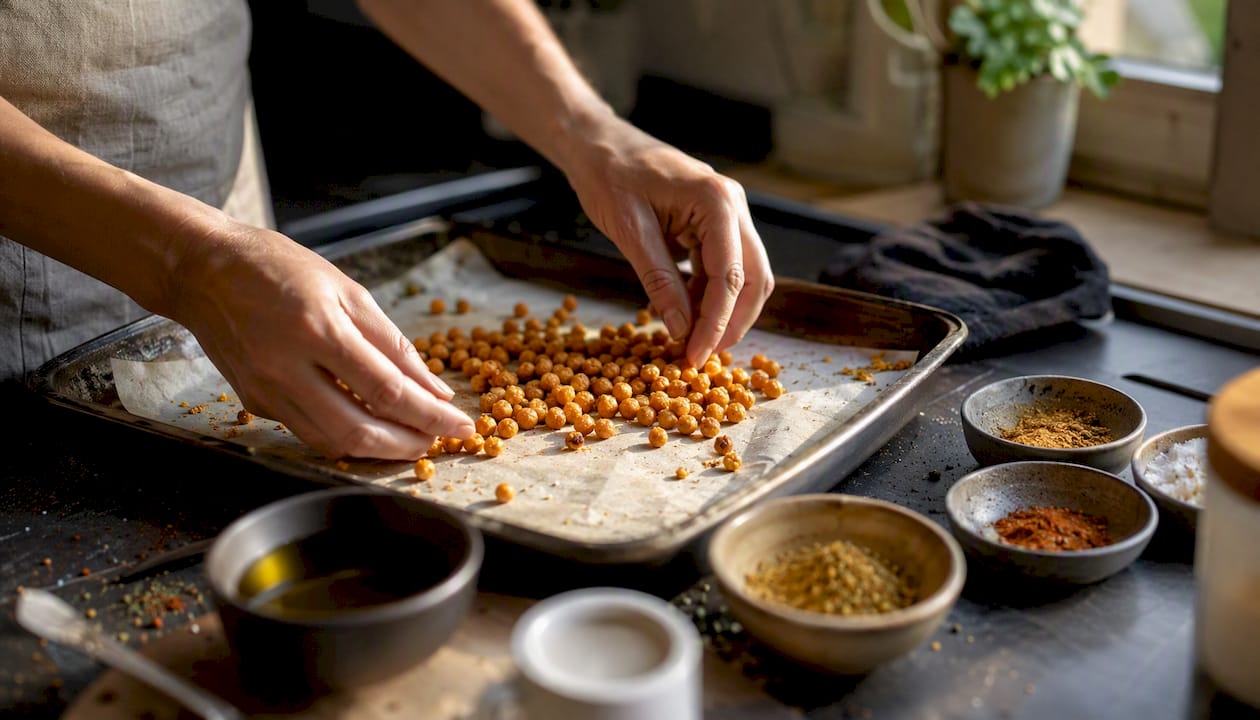
Chickpeas, black beans, kidney beans, and butter beans all land in the 7–9 g of protein per 130 g cooked serving range. They are low in saturated fat, high in fibre, and recognised by the British Nutrition Foundation as a health-positive protein shift from animal sources. Roast chickpeas for a crunchy snack, blend them into hummus, or fold black beans into a burrito bowl. The fibre content also slows digestion, which keeps you fuller for longer than many higher-protein but lower-fibre options.
## 7. Eggs — fast, complete, and underrated
Two large eggs deliver around 12 g of complete protein in under five minutes of cooking. Eggs supply choline, vitamin D, and B12 — a micronutrient trio that vegetarians often need to supplement. Hard-boiled eggs travel well as a snack; a two-egg omelette with spinach and feta is a genuinely quick high-protein lunch. For vegetarians who eat eggs, they are one of the easiest ways to hit a per-meal protein target without planning ahead.
## 8. Hemp seeds — the complete seed you should be using more
Three tablespoons (30 g) of hemp seeds provide around 10 g of complete protein, plus a favourable omega-3 to omega-6 ratio. They have a mild, slightly nutty flavour that disappears into porridge, smoothies, or salad dressings. Unlike many seeds, hemp requires no soaking or cooking, which makes it one of the most convenient protein additions on this list. For inspiration on building meals around seeds, seasonal plant-based menu ideas show how seeds can anchor a full dish rather than just garnish one.
## 9. Quinoa — the grain that earns its reputation
A cooked cup (185 g) of quinoa gives around 8 g of complete protein, which is unusual for a grain. It is also gluten-free, making it a practical base for those avoiding wheat. Use it as a rice substitute, stir it into soups for body, or serve it cold in a salad with roasted vegetables and tahini. The magnesium content is a bonus for anyone doing regular strength training.
## 10. Nutritional yeast — small portions, big returns
Two tablespoons (15 g) of nutritional yeast contribute around 8 g of protein and, when fortified, a meaningful dose of B12. It has a savoury, cheese-like flavour that works on pasta, popcorn, or stirred into sauces. For vegetarians and vegans, fortified nutritional yeast is one of the few reliable plant sources of B12. Worth noting: not all brands are fortified, so check the label.
Honourable mentions: Green peas (5 g per 80 g serving), oats (5 g per 40 g dry), nuts and nut butters (4–7 g per 30 g), and spirulina (4 g per tablespoon) all contribute meaningfully to a vegetarian protein intake, even if they fall outside the top 10 by density.
How much protein do you actually need each day?
The standard UK reference nutrient intake for adults is 0.75 g of protein per kilogram of body weight per day. For a 70 kg adult, that is roughly 52 g daily. Most nutrition practitioners and the British Dietetic Association suggest that active adults and those doing regular strength training benefit from a higher range of 1.2–2.0 g per kg, which for the same 70 kg person means 84–140 g daily.
A quick worked example: a 75 kg person doing three gym sessions a week would target around 1.4–1.6 g/kg, or 105–120 g of protein daily. Spread across three meals and two snacks, that is roughly 25–30 g per sitting.
Older adults need particular attention here. Research suggests that per-meal protein thresholds for stimulating muscle protein synthesis are higher with plant proteins than with animal proteins, with plant-based sources often requiring around 30 g per meal to achieve the same anabolic response as approximately 20 g from animal sources. Pregnancy and breastfeeding also increase requirements, and women may have specific targets worth reviewing separately in a plant-based protein guide for women.
Do you need to combine proteins at every meal?
No. The British Dietetic Association is clear that plants contain all essential amino acids and that meeting total daily protein intake matters more than combining complementary proteins at every single meal. The old “protein combining at every meal” rule has been revised; what counts is variety across the day.
That said, thinking in terms of meal-level variety still helps practically. A day that includes a legume, a grain, and a seed or nut will almost certainly cover all essential amino acids without any deliberate pairing strategy. For vegetarian complete protein sources and easy combinations, the principle is simple: eat broadly.
Practical meals that deliver a complete amino-acid profile across the day:
- Breakfast: Porridge with hemp seeds and a spoonful of peanut butter (oats + hemp = complete profile)
- Lunch: Tofu stir-fry with brown rice and edamame
- Dinner: Lentil curry with wholegrain naan and a side of Greek yoghurt
- Snack: Cottage cheese with oatcakes, or a boiled egg with hummus
Plant-protein digestibility varies by source and preparation: fermented foods like tempeh, cooked legumes, and processed isolates are generally more bioavailable than raw or unsoaked equivalents. Soaking, fermenting, and cooking all reduce phytates and improve how much protein the body actually absorbs.
Sample day plans to hit 70 g and 100 g protein targets
These plans use foods from the top 10 and are built around the British Nutrition Foundation’s food-first approach to protein for active people.
70 g daily target (general active adult, ~65–70 kg)
100 g daily target (strength-training adult, ~75–80 kg)
Spacing protein across meals rather than loading it at dinner supports muscle protein synthesis more effectively. The British Nutrition Foundation recommends 15–25 g of protein with carbohydrates within 30 minutes to 2 hours after training for recovery. For more detailed vegetarian meal plans built around these foods, the Granavitalis blog covers higher-target days in full.
How these top 10 were chosen
Selection was based on five criteria: protein per typical UK serving, overall nutrient density (iron, calcium, B12, fibre), culinary accessibility, allergen footprint, and sustainability. Foods that score well across most of these dimensions rank higher than single-metric outliers.
Primary data sources include the USDA FoodData Central database for protein-per-serving figures, NHS and British Nutrition Foundation guidance for dietary context, and University Hospitals Sussex serving-size examples for practical portion calibration. Editorial criteria also weighed the BDA’s position on plant-protein quality and the NHS’s guidance on nutrients to monitor on plant-based diets.
Sustainability was a secondary but genuine factor. Pulses, soya, nuts, and seeds have substantially lower environmental footprints than most animal proteins, which aligns with public health guidance encouraging a shift towards plant-based eating. This list was compiled and reviewed by Jarrod, with nutritional figures cross-referenced against the authoritative sources listed above.
A note from Granavitalis on building a protein-rich pantry
The foods on this list are not exotic or expensive. Most of them — lentils, oats, hemp seeds, nut butters, nutritional yeast — are pantry staples that cost very little per gram of protein. What the Granavitalis philosophy adds to this picture is sourcing integrity: ancient grains that have not been industrially hybridised, nut butters made from single ingredients, and plant proteins that are minimally processed.
The sample meal plans above are built around exactly the kinds of ingredients Granavitalis stocks: whole grains as a base, nut butters as a protein and fat layer, seeds for completeness. The brand’s product categories map directly onto the top 10 list, which is not a coincidence. Wholefood protein has always been the foundation.
Granavitalis pantry picks for hitting your protein goals
The meal plans above work best when the ingredients are genuinely good. Granavitalis’s Raw Organic Pecan Butter adds around 3–4 g of protein per tablespoon alongside healthy fats, and it stirs into porridge or a post-workout smoothie without any added sugar or palm oil. A single spoonful in the 70 g breakfast plan above lifts both the protein and the flavour considerably.
For variety across the week, the Organic Nut & Seed Butter Selection Box covers almond, cashew, and other single-ingredient butters, each suited to different meals in the sample plans. Use almond butter in overnight oats, cashew butter blended into a curry sauce, or pecan butter straight from the jar after a training session. Every product is minimally processed and transparently sourced — which is exactly what the food-first approach to vegetarian protein actually requires.
Sources
- The vegetarian diet - NHS
- British Nutrition Foundation
- Protein fact sheet - University Hospitals Sussex NHS Foundation Trust
- NCBI nutrition resource