
Best vegetarian protein meals: your 2026 guide
TL;DR:
- Vegetarian protein meals combine beans, lentils, tofu, and nuts to provide all essential nutrients without meat.
- Spreading a variety of plant-based proteins throughout the day meets recommended intake and supports muscle repair.
The best vegetarian protein meals combine beans, lentils, tofu, tempeh, nuts, and seeds to deliver sufficient protein and a full range of essential nutrients without meat. UK adults need 0.75g of protein per kg of body weight daily, roughly 45g for a 60kg woman and 56g for a 75kg man. Meeting that target on a plant-based diet is far more straightforward than most people assume. This guide covers the top high-protein vegetarian dishes, the best plant-based sources, and how to spread your intake across the day for real results.
Best vegetarian protein meals to build into your week
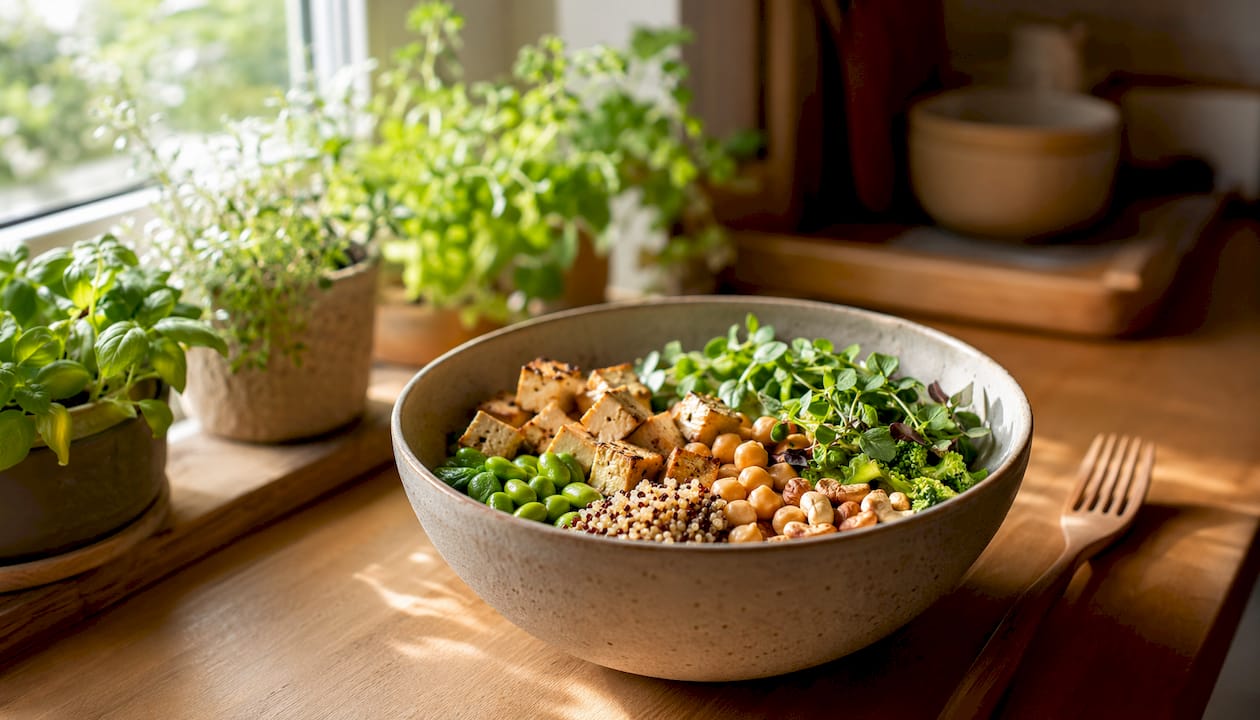
The strongest plant-based protein meals share one quality: they layer multiple protein sources to cover a broad amino acid profile. Each meal below delivers well on protein, flavour, and ease of preparation.
1. Lentil and spinach dhal
Lentils are one of the most protein-dense legumes available in any British supermarket. A 200g serving of cooked red lentils delivers roughly 18g of protein alongside iron and folate. Serve over brown rice and stir through a handful of spinach for added iron and magnesium. The combination of lentils and rice also broadens the amino acid spread across the meal.
Pro Tip: Add a spoonful of Granavitalis nut butter to the dhal base. It thickens the sauce and adds healthy fats alongside a quiet protein boost.
2. Tofu and vegetable stir-fry with edamame
Firm tofu provides around 8g of protein per 100g and takes on flavour readily from soy sauce, ginger, and garlic. Add a cup of edamame beans to push the protein content higher and introduce leucine, the amino acid most linked to muscle repair. Serve over soba noodles for a satisfying, complete meal. This dish comes together in under 20 minutes, making it a reliable weeknight option.
3. Chickpea and sweet potato curry
Chickpeas supply protein, fibre, and zinc in a single ingredient. A 400g tin of chickpeas, drained, contributes roughly 19g of protein to a curry pot. Sweet potato adds complex carbohydrate and beta-carotene, which supports immune function. Pair with wholegrain flatbread to round out the meal and increase satiety.
4. Tempeh and roasted vegetable bowl
Tempeh is fermented soya, which means it delivers higher protein than tofu at around 19g per 100g. The fermentation process also improves digestibility and adds a mild, nutty flavour that works well with roasted courgette, red pepper, and aubergine. Drizzle with tahini for additional calcium and healthy fats. This bowl is one of the most nutrient-dense plant-based high protein meals you can prepare in a single tray.
5. Greek yoghurt and mixed seed breakfast bowl
Greek yoghurt contains around 10g of protein per 100g, making it one of the most efficient dairy-based protein sources. Top with pumpkin seeds, sunflower seeds, and a tablespoon of almond butter to add another 6–8g of protein before 9AM. This breakfast sets a strong protein foundation for the rest of the day. Spreading protein intake evenly across meals optimises muscle repair far better than saving most of it for dinner.
6. Black bean and quinoa salad
Quinoa is one of the few plant foods that contains all nine essential amino acids, making it a genuinely complete protein source. Combined with black beans, it creates a salad with around 15g of protein per serving. Add roasted corn, avocado, lime juice, and coriander for a meal that is as satisfying as it is nutritious. This works equally well as a packed lunch or a light dinner.
Pro Tip: Cook a large batch of quinoa on Sunday and use it across three or four meals during the week. It stores well in the fridge for up to four days.
7. Egg and halloumi grain bowl
Eggs deliver around 6g of protein each and contain all essential amino acids. Two eggs alongside a 50g portion of halloumi and a base of farro or spelt grain creates a bowl with over 25g of protein. Farro and spelt are ancient grains with a higher protein content than standard white rice. Granavitalis sources these kinds of heritage grains precisely because their nutritional profile has not been diluted by industrial processing.
8. Pea and mint soup with seeded bread
Green peas contain around 5g of protein per 100g, which is high for a vegetable. A generous bowl of pea soup made with vegetable stock, mint, and a swirl of crème fraîche provides a light but protein-positive lunch. Serve with two thick slices of seeded rye bread to add another 6–8g. For seasonal meal inspiration that keeps plant-based eating varied and interesting, rotating soups like this one through the seasons makes a real difference.
What are the best plant-based protein sources for vegetarian meals?
Top vegetarian protein sources include beans, lentils, chickpeas, soya products, nuts, seeds, eggs, and dairy. Each brings a distinct nutrient profile beyond protein alone.
| Food | Protein per 100g (approx.) |
|---|---|
| Tempeh | 19g |
| Chickpeas (cooked) | 9g |
| Lentils (cooked) | 9g |
| Firm tofu | 8g |
| Greek yoghurt | 10g |
| Pumpkin seeds | 19g |
| Quinoa (cooked) | 4g |
| Edamame (cooked) | 11g |
Pumpkin seeds and tempeh stand out as particularly concentrated sources. Both are easy to add to existing meals without changing the dish significantly.
A common concern is whether plant proteins are “complete.” UK dietetic guidance confirms that diversity over days, rather than meal-by-meal pairing, meets amino acid balance requirements effectively. You do not need to combine rice and beans at every sitting. Eating a wide variety of plant foods across the week is sufficient.
Pro Tip: Rather than stressing over protein pairing at each meal, focus on including at least two different protein sources across breakfast, lunch, and dinner. Variety over the day is what counts.
For a full breakdown of protein-rich vegetarian foods, the Granavitalis nutrition blog covers the top sources with practical serving suggestions.
How to plan vegetarian protein meals throughout the day
Spreading protein intake evenly across the day produces better outcomes for muscle maintenance and satiety than concentrating it in one large meal. This principle applies whether you are an active athlete or simply trying to stay energised through a busy working day.
A practical daily structure looks like this:
- Breakfast: Greek yoghurt bowl with mixed seeds and nut butter (20–25g protein)
- Mid-morning snack: A small handful of mixed nuts or a boiled egg (6–8g protein)
- Lunch: Quinoa and black bean salad or lentil soup with seeded bread (15–20g protein)
- Afternoon snack: Hummus with oatcakes or vegetable sticks (5–8g protein)
- Dinner: Tempeh stir-fry or chickpea curry with wholegrain rice (20–25g protein)
This structure reaches the recommended daily intake comfortably without any single meal feeling heavy or difficult to prepare. For active individuals, distributing protein steadily through the day optimises muscle repair, especially during intensive training periods.
A few practical principles make this easier to sustain:
- Batch-cook legumes and grains at the weekend to reduce weekday preparation time.
- Keep a jar of nut butter, a bag of pumpkin seeds, and a tin of chickpeas in the kitchen at all times as fast protein additions.
- Plan meals around a protein anchor first, then build the rest of the plate around it.
- Rotate protein sources weekly to avoid nutritional gaps and keep meals interesting.
The no meat protein sources guide from Granavitalis offers further meal planning advice tailored specifically to active adults in the UK.
Common concerns about vegetarian protein quality
The debate around plant protein quality has shifted considerably in recent years. Historic advice emphasised combining proteins within a single meal. Modern UK guidelines have moved on from that position entirely.
Dr Shireen Kassam, a leading plant-based nutrition specialist, states that variety across meals satisfies amino acid needs without strict pairing at every sitting. The body draws on a pool of amino acids throughout the day, not just from a single plate. Anxiety about protein completeness is, in most cases, misplaced.
That said, there are nutrients beyond protein that vegetarians and vegans should monitor:
- Vitamin B12. Found almost exclusively in animal products. Vegetarians who eat eggs and dairy may get enough, but vegans need a reliable supplement or fortified foods.
- Vitamin D. Difficult to obtain from food alone in the UK, particularly from october through march. A daily supplement of 10 micrograms is recommended for all UK adults during winter.
- Iodine. Often overlooked. Dairy is the main UK dietary source. Vegans should use iodine-fortified plant milks or a supplement.
- Selenium. Found in Brazil nuts, eggs, and dairy. Two Brazil nuts a day covers the daily requirement for most adults.
- Iron. Plant-based iron (non-haem iron) is less readily absorbed than meat-based iron. Eating vitamin C-rich foods alongside iron-rich plant foods improves absorption significantly.
Supplements like vitamin B12, vitamin D, iodine, and selenium may be needed for some vegetarians and vegans, as these nutrients are harder to obtain from plants alone. Addressing these gaps is straightforward once you know where they are.
Key takeaways
The most effective approach to vegetarian protein is combining a variety of plant-based foods across the day, not perfecting a single meal.
| Point | Details |
|---|---|
| Daily protein target | UK adults need 0.75g per kg of body weight, roughly 45–56g per day for most adults. |
| Best protein sources | Tempeh, lentils, chickpeas, edamame, Greek yoghurt, and pumpkin seeds lead the list. |
| Protein pairing myth | Variety across the day meets amino acid needs; strict meal-by-meal pairing is not required. |
| Spread intake evenly | Distributing protein across breakfast, lunch, dinner, and snacks supports muscle repair and satiety. |
| Watch beyond protein | Vitamin B12, vitamin D, iodine, and selenium need attention alongside protein for vegetarians. |
Why I think the protein worry is mostly a distraction
People spend a surprising amount of energy worrying about whether their vegetarian diet delivers enough protein. In my experience working with health-conscious eaters, the worry itself is often the problem, not the diet.
UK average intakes already sit well above the recommended daily amount for both men and women. Most people eating a varied diet, including plenty of legumes, dairy, eggs, nuts, and seeds, hit their target without tracking a single gram. The anxiety tends to come from outdated messaging, not from actual nutritional shortfall.
What I find genuinely useful is shifting the focus from “am I getting enough protein” to “am I eating a wide enough variety.” A diet built around lentil dahls, tofu bowls, egg-based breakfasts, and seed-topped snacks covers protein and a dozen other nutrients simultaneously. That is a far more productive frame than counting grams at every meal.
The one area where I do think vegetarians should pay close attention is micronutrients, specifically B12, iodine, and vitamin D. These are the real gaps in many plant-forward diets, and they are easy to address once you know about them. Protein, for most people eating a varied vegetarian diet, takes care of itself.
— Jarrod
Granavitalis products that work with high-protein vegetarian meals
Nut and seed butters are one of the most practical ways to add protein, healthy fats, and flavour to vegetarian meals without extra preparation. A tablespoon stirred into a dhal, spread on seeded toast, or blended into a smoothie adds meaningful nutrition in seconds.
Granavitalis stocks the Raw Organic Pecan Butter by RAWGORILLA, a minimally processed nut butter with no added sugar or palm oil, made from a single ingredient. For those who want to explore a wider range, the Organic Nut & Seed Butter Selection Box brings together several varieties, each sourced to the same purity standard. Both products fit naturally into the meal ideas covered here and make it easier to hit your daily protein target without overthinking it.
FAQ
What are the highest protein vegetarian meals?
Tempeh bowls, lentil dhal with rice, quinoa and black bean salad, and tofu stir-fries with edamame rank among the highest protein vegetarian dishes. Each can deliver 15–25g of protein per serving depending on portion size.
How do vegetarians get enough protein without meat?
Vegetarians meet protein needs through a varied diet of legumes, soya products, eggs, dairy, nuts, and seeds. UK dietary evidence shows that variety across the day, rather than strict protein pairing at each meal, is sufficient for most adults.
Do vegetarians need protein supplements?
Most vegetarians do not need protein supplements if they eat a varied diet. Supplements for vitamin B12, vitamin D, and iodine are more likely to be necessary than protein powders.
Is it hard to build muscle on a vegetarian diet?
Building muscle on a vegetarian diet is achievable with consistent protein intake spread across the day. Spreading protein steadily through meals, rather than concentrating it at dinner, supports muscle repair more effectively.
How much protein should a vegetarian eat per day?
The UK recommendation is 0.75g of protein per kg of body weight daily. For a 70kg adult, that equals approximately 52g of protein per day, an amount easily met through a varied vegetarian diet.