
Best plant-based protein for women: 2026 guide
TL;DR:
- The best plant-based protein for women is a multi-source blend of pea, rice, and hemp proteins that provides a complete amino acid profile. Such formulas should be third-party certified, simple in ingredients, and include digestive support options to ensure safety and tolerability. Choosing a product aligned with individual goals, taste preferences, and quality standards maximizes adherence and nutritional benefits.
The best plant-based protein for women is a multi-source blend combining pea, rice, and hemp proteins to deliver a complete amino acid profile in a clean, well-tested formula. Single-source powders, such as pea protein alone, fall short on certain essential amino acids, particularly methionine. Blended formulas from brands like Momentous and Orgain close that gap while meeting the protein targets active women actually need. This guide covers what to look for, which products stand out in 2026, and how to match a powder to your specific goals.
What makes a plant-based protein powder the best for women?
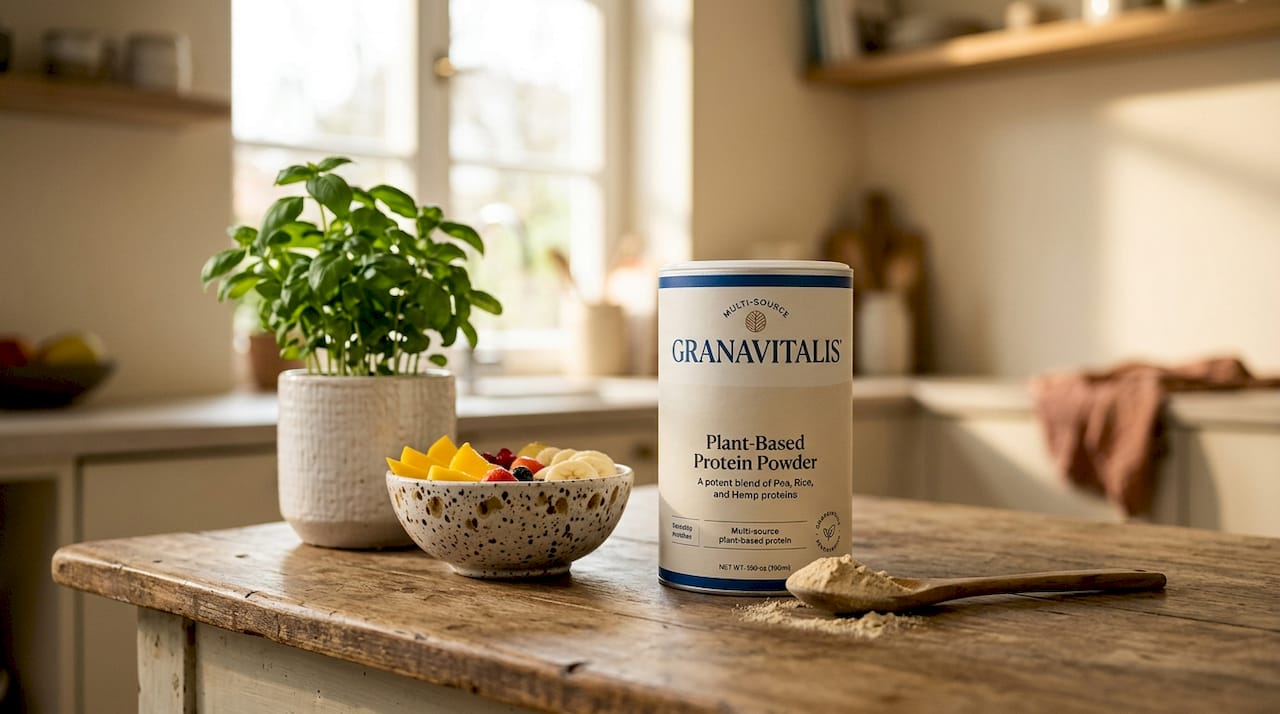
The best plant-based protein powders for women deliver a complete amino acid profile through complementary protein blends, not a single source. Pea protein is high in lysine but low in methionine. Rice protein fills that gap. Combining them, or adding hemp or fava bean, produces a profile comparable to whey without the dairy.
Protein targets that actually matter
Women require 1.2 to 2.2 g of protein per kilogram of body weight daily, depending on activity level. For a 64 kg woman, that translates to roughly 77 to 141 g per day across all meals. A single powder serving typically contributes 20 to 24 g, which means it supplements whole food intake rather than replacing it.
Protein intake should be distributed evenly across meals, targeting 20 to 40 g per sitting to maximise muscle protein synthesis. This matters especially for women over 40, where anabolic resistance means the body becomes less efficient at using protein from any single large dose.
Quality indicators you cannot skip
- Third-party certification: Look for NSF Certified for Sport or Clean Label Project approval. These certifications reflect product safety and confirm that what is on the label is actually in the tub.
- Ingredient simplicity: Avoid powders with artificial sweeteners, gums, emulsifiers, and fillers. These additives can impact digestion and trigger cravings.
- Heavy metal testing: Some plant proteins, particularly brown rice, accumulate cadmium and lead from soil. Independent lab testing is the only reliable check.
- Digestive support: Powders that include enzymes such as amylase and protease improve absorption and reduce bloating.
Pro Tip: Read the ingredient list from the bottom up. Manufacturers list ingredients by weight, so additives at the bottom are still present. If you see more than two or three items you cannot pronounce, put it back.
1. Momentous Essential Plant-Based Protein
Momentous delivers 20 g of protein per serving from a pea and rice blend, and holds NSF Certified for Sport status. That certification is rare among plant proteins and makes Momentous the clearest choice for women who train seriously and want verified purity. The flavour profile is clean rather than sweet, which suits women who find most powders cloying.
2. Orgain Organic Protein
Orgain provides 21 g of protein per serving from a blend of pea, brown rice, and chia seed proteins. It is certified USDA Organic and widely available, making it a practical everyday option. Orgain is particularly praised for its smooth texture and palatability, which directly supports long-term adherence to a protein routine.
3. Ritual Essential Protein
Ritual uses a single-source pea protein but pairs it with a transparent supply chain and third-party testing through USP. Each serving delivers 20 g of protein with no artificial colours or sweeteners. Ritual’s subscription model and clear sourcing information appeal to women who prioritise knowing exactly where their food comes from.
4. Ora Daily Superfood Plant Protein
Ora stands out because it includes amylase and protease enzymes alongside its pea and rice protein base. Those enzymes actively improve protein absorption and reduce the bloating that puts many women off plant powders entirely. If you have a sensitive stomach, Ora is the most considered formulation on this list.
5. Garden of Life Sport Organic Plant-Based Protein
Garden of Life Sport delivers 30 g of protein per serving from a blend of pea, navy bean, lentil, garbanzo bean, and cranberry seed proteins. It carries NSF Certified for Sport status and is certified USDA Organic. The higher protein count per serving makes it particularly suited to post-workout recovery after strength sessions.
6. Vega Sport Premium Protein
Vega Sport provides 30 g of protein per serving from pea, pumpkin seed, sunflower seed, and alfalfa proteins. It includes tart cherry and turmeric for recovery support, and holds NSF Certified for Sport certification. The multi-seed protein base gives it a broader micronutrient profile than pea-and-rice blends alone.
7. Sunwarrior Warrior Blend
Sunwarrior uses pea, hemp seed, and goji berry proteins to deliver 19 g per serving. Hemp seed protein contributes omega-3 fatty acids alongside amino acids, which is a genuine nutritional bonus rather than a marketing claim. The formula is free from soy, gluten, and artificial ingredients, making it a strong option for women managing multiple dietary restrictions.
How to compare plant-based powders beyond the protein count
Focusing only on grams of protein per serving is the most common mistake women make when choosing a powder. Serving size, additives, and tolerability determine whether a product actually works for you day to day.
| Product | Protein per serving | Certification | Digestive support | Price per serving (approx.) |
|---|---|---|---|---|
| Momentous | 20 g | NSF Certified for Sport | No | £2.80 |
| Orgain | 21 g | USDA Organic | No | £1.20 |
| Ritual | 20 g | USP Verified | No | £2.50 |
| Ora Daily Superfood | 22 g | Non-GMO | Enzymes included | £2.10 |
| Garden of Life Sport | 30 g | NSF + USDA Organic | Probiotics included | £2.60 |
| Vega Sport | 30 g | NSF Certified for Sport | No | £2.90 |
| Sunwarrior Warrior Blend | 19 g | Non-GMO | No | £1.80 |
Taste and texture matter more than most nutrition articles admit. Smooth mixing and palatability directly influence whether you stick with a product for months or abandon it after two weeks. If a powder clumps, chalks, or tastes medicinal, no amount of nutritional quality will keep you using it consistently.
Pro Tip: Before committing to a full tub, buy a single-serve sachet or sample pack. Most brands sell them. Testing texture in water rather than milk or a smoothie gives you the clearest read on mixability.
Consider whether you need a meal replacement or a supplement. A meal replacement powder should provide 300 to 400 calories with fibre, healthy fats, and micronutrients. A supplement powder sits at 100 to 150 calories and is designed to top up protein from whole foods. Confusing the two leads to either under-eating or unnecessary calorie surplus.
Situational recommendations: matching the powder to your goal
The right powder depends on your specific situation, not a universal ranking. Here is how to narrow it down.
- Sensitive digestion or beginners: Choose Ora Daily Superfood for its enzyme blend, or Orgain for its gentle, well-tolerated formula. Both avoid the gums and emulsifiers that cause bloating in many women new to plant protein.
- Muscle building and post-workout recovery: Garden of Life Sport or Vega Sport, both at 30 g per serving with NSF certification, are the clearest choices. The higher protein dose supports muscle protein synthesis after resistance training.
- Weight management and appetite control: Prioritise powders with at least 20 g of protein and minimal added sugars. Momentous and Ritual both fit this profile. Protein at this level suppresses appetite more reliably than lower-dose options.
- Clean-label vegan diet: Sunwarrior Warrior Blend or Ritual offer the shortest ingredient lists with no artificial anything. Women following a strict whole-food plant-based approach will find these the easiest to integrate without compromise.
- Everyday convenience: Orgain’s price point and availability in most supermarkets make it the most practical daily option for women who want quality without the premium cost.
For practical meal integration, stir a scoop into overnight oats, blend with frozen banana and almond milk, or mix into a vegan snack routine to keep protein distributed across the day. Whole foods should always anchor your intake, with powder filling the gaps.
Key takeaways
The best plant-based protein for women is a certified, multi-source blend that delivers 20 to 30 g of complete amino acids per serving with minimal additives and verified purity.
| Point | Details |
|---|---|
| Choose blended proteins | Pea, rice, hemp, and fava bean together provide a complete amino acid profile that single sources cannot. |
| Match dose to your goal | Target 1.2 to 2.2 g per kg of body weight daily, distributed across meals in 20 to 40 g portions. |
| Prioritise certification | NSF Certified for Sport and Clean Label Project approval confirm purity beyond what the label alone can tell you. |
| Read beyond protein grams | Additives, sweeteners, and serving size affect digestion and adherence more than most women expect. |
| Taste drives consistency | A powder you enjoy using daily will outperform a nutritionally superior one you abandon after a fortnight. |
What I have actually learned from testing plant proteins
I spent the better part of two years working through plant protein powders with a fairly simple brief: find what genuinely works for active women who care about ingredients. The honest conclusion is that the gap between the best and worst options is enormous, and it has almost nothing to do with the protein count on the front of the pack.
The brands that impressed me most were the ones that treated certification as non-negotiable rather than a marketing badge. Momentous and Garden of Life Sport both carry NSF Certified for Sport status, and that single fact tells you more about a product’s integrity than any number of “clean” or “natural” claims on the packaging.
What surprised me most was how much digestive tolerance varies between women. A powder that works perfectly for one person causes bloating and discomfort for another, even when the ingredient lists look nearly identical. This is why I always recommend starting with a sample before buying in bulk. The criteria for choosing a powder go well beyond what any single review can cover for your individual body.
My strongest advice is this: treat protein powder as a supplement to real food, not a replacement for it. Lentils, edamame, tempeh, and hemp seeds all deliver protein alongside fibre, minerals, and phytonutrients that no powder replicates. The powder fills the gap when whole food is not practical. That framing keeps your nutrition grounded and your expectations realistic.
— Jarrod
Fuel your plant-based nutrition with Granavitalis
Protein powder is one piece of a broader plant-based nutrition picture. At Granavitalis, the focus is on the whole picture. The Raw Gorilla organic pecan butter adds healthy fats, magnesium, and additional plant protein to smoothies, overnight oats, and post-workout snacks without a single artificial ingredient. For women looking to support immunity and energy alongside their protein goals, the Immune Booster Superfood Bundle combines chia, acai, and acerola into a daily ritual that complements any clean protein routine. Granavitalis sources every product with the same standard it applies to protein: purity first, performance always.
FAQ
What is the best vegan protein powder for women?
The best vegan protein powder for women is a multi-source blend, such as pea and rice, that delivers 20 to 30 g of complete amino acids per serving with third-party certification from NSF or Clean Label Project. Momentous, Garden of Life Sport, and Vega Sport consistently meet this standard.
How much plant-based protein do women need per day?
Women need 1.2 to 2.2 g of protein per kilogram of body weight daily, depending on activity level. A 64 kg woman aiming for muscle building needs approximately 100 to 141 g per day from all food sources combined.
Are plant-based protein powders good for weight loss?
Plant-based protein powders support weight management by increasing satiety and preserving lean muscle during a calorie deficit. Choose powders with at least 20 g of protein per serving, no added sugars, and minimal fillers for the clearest benefit.
Do plant-based protein powders cause bloating?
Some plant proteins cause bloating due to additives like gums, emulsifiers, or artificial sweeteners rather than the protein itself. Powders formulated with digestive enzymes, such as Ora Daily Superfood, significantly reduce this issue for women with sensitive digestion.
Is pea protein alone enough for women?
Pea protein alone is not a complete protein source because it is low in methionine. Pairing it with rice protein or choosing a blend that includes hemp or fava bean closes the amino acid gap and makes the formula nutritionally adequate for muscle recovery and general health.