
Vegetarian meals high in protein: top 10 picks
TL;DR:
- Getting enough plant-based protein is more achievable than many imagine, especially when choosing meals with at least 15g of protein per serving. Prioritizing high-protein ingredients like legumes, grains, tofu, and dairy, and spreading intake across meals enhances both satisfaction and nutritional adequacy. Practical strategies include rotating protein sources, batch-cooking staples, and incorporating flavorful, textured dishes to sustain long-term adherence.
Getting enough protein on a plant-based diet is far more achievable than most people assume, yet finding genuinely satisfying vegetarian meals high in protein takes more than just adding chickpeas to everything. Whether you train regularly, manage your weight, or simply want to feel properly fuelled through the day, protein quality and quantity both matter. This guide covers the clearest criteria for choosing high-protein vegetarian meals, a curated top ten with real protein figures, and practical strategies to hit your targets without overthinking every plate.
Table of Contents
- Key takeaways
- Criteria for choosing vegetarian meals high in protein
- Top 10 vegetarian meals high in protein
- Comparing popular vegetarian protein sources
- Practical advice for optimising your vegetarian protein intake
- My honest take on vegetarian protein: what actually matters
- Build a stronger plate with Granavitalis nut butters
- FAQ
Key takeaways
| Point | Details |
|---|---|
| Define your protein target | Aim for meals providing at least 15g protein per serving to meaningfully contribute to daily needs. |
| Prioritise protein density | Choose ingredients delivering around 10g protein per 100 calories to stay satisfied without excess calories. |
| Spread intake across meals | Distributing protein throughout the day improves absorption and keeps energy stable from morning to evening. |
| Combine legumes and grains | Pairing staples like chickpeas with quinoa can deliver 30g or more of plant protein per meal. |
| Rotate your protein anchors | Cycling through tofu, tempeh, beans, and nuts keeps meals varied and nutritional gaps closed. |
Criteria for choosing vegetarian meals high in protein
Not every vegetarian meal earns the “high protein” label. A useful starting point is targeting at least 15g of protein per serving. Anything below that can contribute, but it will rarely carry the load on its own. The standard dietary reference is 0.8g per kilogram of body weight per day for sedentary adults, rising to 1.2g to 2.0g for those who train.
Protein density matters just as much as raw grams. Foods providing around 10g protein per 100 calories hit a practical sweet spot. They keep your macros in order without demanding enormous portion sizes. Cottage cheese, tempeh, and edamame all perform well by this measure.
Amino acid completeness is worth understanding, though it need not be stressful. Most plant proteins are lower in one or more essential amino acids, but strict per-meal combining is unnecessary. What matters is variety across the day. Ancient grains like quinoa and amaranth are genuinely complete, making them powerful anchors in any meal. You can read more about vegan complete protein and why ancient grains are so useful in practice.
Texture and flavour are not cosmetic concerns. They determine whether a high-protein meal is actually enjoyable enough to eat regularly. Tofu, tempeh, and seitan provide the satisfying chew that makes plant-based meals feel substantial. Beans and nuts add umami depth and richness that keeps cravings at bay.
Pro Tip: Season grains and legumes separately when building bowls or grain-based dishes. This preserves distinct flavour layers and means you rely far less on heavy sauces that can throw off your nutrition targets.
Meal timing rounds out the framework. Spreading protein intake across breakfast, lunch, dinner, and one or two snacks improves overall adequacy and digestion far more than cramming it all into one evening meal.
Top 10 vegetarian meals high in protein
1. Quinoa and chickpea post-workout bowl
A bowl built around quinoa and chickpeas is one of the most dependable high protein no meat meals for active people. This combination delivers 22g of protein per serving alongside 75g of carbohydrates and meaningful anti-inflammatory compounds. Roast the chickpeas for crunch, use a lemon-tahini dressing, and top with fresh herbs. It comes together in under 30 minutes.
2. Lemony grain bowl with cottage cheese and green beans
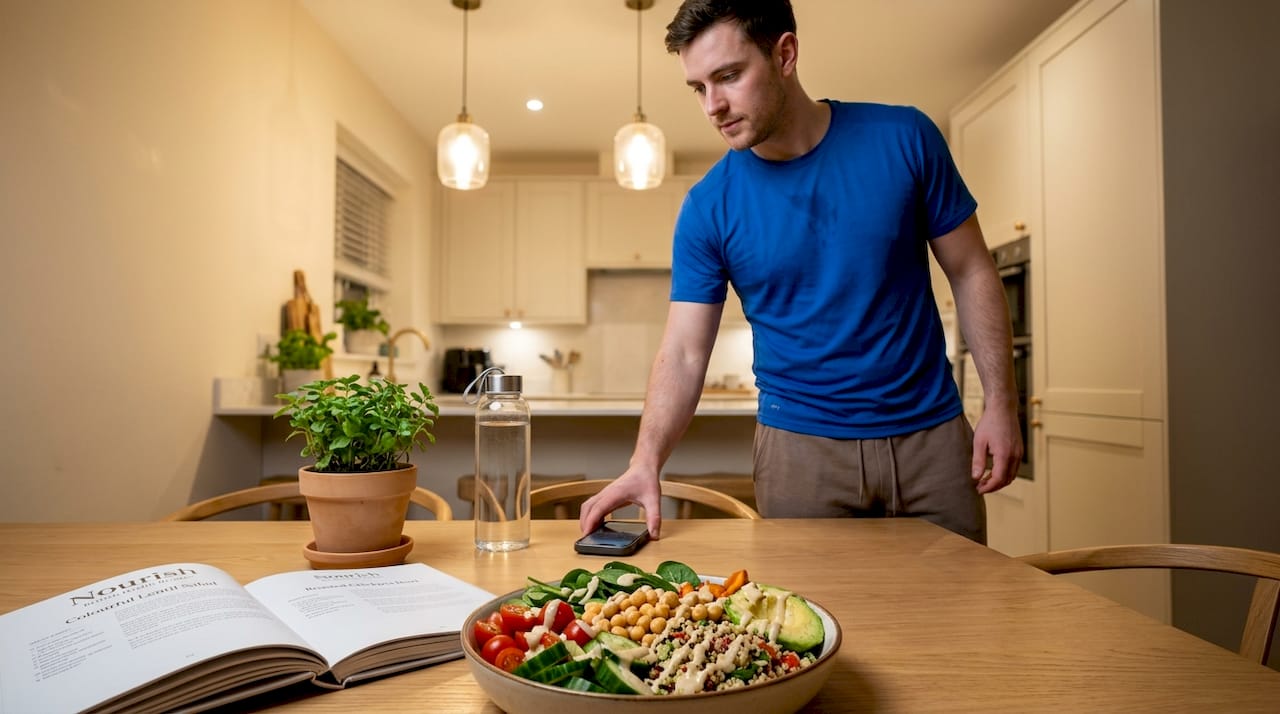
This is one of the more underrated quick-assembly options in the vegetarian high protein category. A lemony grain bowl with chickpeas and cottage cheese reaches 21g of protein and 14g of fibre per serving. Cottage cheese is the secret weapon here. It blends quietly into the bowl without overwhelming flavour but lifts the protein total substantially.
3. Vegan high-protein burrito bowl
For sheer protein volume, this one stands out. A well-built vegan burrito bowl using black beans, quinoa, and tofu or tempeh can hit 30 to 40g of plant protein per serving. Add roasted peppers, corn, guacamole, and a squeeze of lime. It is also one of the most meal-prep friendly options on this list. Build the components once and assemble across three to four lunches.
4. Tempeh stir-fry with edamame and brown rice
Tempeh is fermented, which improves its digestibility compared to unprocessed soy, and it packs roughly 19g of protein per 100g on its own. Pair it with edamame and brown rice, season with tamari, ginger, and sesame, and you have a genuinely filling dinner in under 25 minutes. The varied textures, firm tempeh, soft edamame, and chewy rice, make this satisfying in a way that keeps you from reaching for more food an hour later.
5. Lentil and spinach dal
Lentils are one of the best-value vegetarian protein meals in terms of both cost and nutrition. A single serving of dal delivers 18g of protein alongside iron, folate, and substantial fibre. Red lentils cook down into a thick, warming sauce in 20 minutes. Green or brown lentils hold their shape better for a more textured version. Serve with wholegrain flatbread or basmati rice to round out the amino acid profile.
6. Greek-style white bean and feta bake
White beans are underused in everyday cooking despite being one of the most protein-dense legumes available. A bake combining white beans, tinned tomatoes, roasted peppers, and crumbled feta delivers around 18 to 22g of protein per serving. High-protein dinners without tofu like this one prove that satisfying plant-based eating does not require specialist ingredients. This dish reheats well, making it an ideal batch-cook option.
7. Black bean and sweet potato tacos
These are a reliable weeknight option when you want something quick, colourful, and genuinely protein-rich. Black beans provide around 15g of protein per cooked cup. Add a dollop of Greek yoghurt instead of sour cream to push the total higher. Season the sweet potato with smoked paprika and cumin before roasting for a flavour depth that makes the dish feel indulgent without compromising nutrition.
8. Paneer tikka with brown rice
For lacto-vegetarians, paneer is one of the most versatile and protein-dense options available. It delivers around 18g of protein per 100g and holds its structure during cooking far better than soft cheeses. Marinate paneer cubes in spiced yoghurt, grill or pan-fry until charred, and serve over brown rice. The caramelised edges add a satisfying depth of flavour that makes this one of the best vegetarian protein meals for those who miss the texture of grilled meat.
Pro Tip: Press excess moisture from paneer before marinating. This helps it absorb the spiced yoghurt more deeply and gives a better char during cooking, improving both texture and flavour without any extra effort.
9. Edamame and sesame soba noodle salad
Soba noodles made from buckwheat are a more complete protein than most pasta alternatives. Combined with shelled edamame, this salad reaches around 20g of protein per portion. Dress with tamari, rice vinegar, sesame oil, and a little grated ginger. It works warm or cold, which makes it excellent for packed lunches. Top with toasted sesame seeds and sliced spring onion for crunch and additional nutrients.
10. Tofu scramble with spinach and nutritional yeast
Nutritional yeast is not just a flavour enhancer. It contributes meaningful protein and a full B-vitamin profile, including B12 in fortified versions. A tofu scramble using firm tofu, wilted spinach, turmeric, and two tablespoons of nutritional yeast can exceed 20g of protein per serving. Serve on wholegrain toast to round out the meal with slow-release carbohydrates. This is one of the most accessible easy high protein vegetarian breakfasts you can build into a morning routine.
Comparing popular vegetarian protein sources
Understanding the differences between your core protein ingredients helps you build meals with intention rather than guesswork.
| Ingredient | Protein per 100g | Amino acid completeness | Best for |
|---|---|---|---|
| Quinoa | 14g (cooked: 4g) | Complete | Muscle recovery, grain bowls |
| Firm tofu | 17g | Near-complete | Weight management, stir-fries |
| Tempeh | 19g | Near-complete | Muscle building, meal prep |
| Red lentils | 9g cooked | Incomplete (pair with grains) | Budget cooking, soups, dals |
| Chickpeas | 9g cooked | Incomplete (pair with grains) | Anti-inflammatory meals, snacks |
| Edamame | 11g cooked | Near-complete | Quick snacks, salads |
| Paneer | 18g | Complete (dairy) | Lacto-vegetarian mains |
| Cottage cheese | 11g | Complete (dairy) | Bowls, dips, high-protein bases |
For weight management, tofu and tempeh offer the best protein-to-calorie ratio of the non-dairy options. For muscle building, combining legumes with whole grains across the day consistently reaches targets without excessive volume. For anti-inflammatory goals, chickpeas paired with quinoa have documented recovery benefits that go beyond their protein content alone.
Practical advice for optimising your vegetarian protein intake
The most common reason vegetarians fall short on protein is not a lack of good intentions. It is forgetting to include a protein anchor in every meal. A combination of legumes and grains can quickly reach 30g or more per meal, yet it only happens when protein is planned rather than assumed.
A few habits that make a consistent difference:
- Build each meal around one strong protein backbone. Chickpeas with quinoa, tempeh with edamame, or lentils with wholegrain bread all work well.
- Spread protein intake across breakfast, lunch, dinner, and snacks rather than loading it into the evening meal.
- Keep a short rotation of four to five protein anchors in your pantry and cycle through them weekly. This prevents flavour fatigue while maintaining nutritional variety. Rotating protein anchors also simplifies shopping and reduces costs.
- Adapt meal bases seasonally. A lentil dal works in winter; a cold soba and edamame salad serves summer just as well, with similar protein totals.
- Use nut and seed butters as both a cooking ingredient and a snack base. Two tablespoons of a good nut butter adds 4 to 7g of protein with minimal preparation. For guidance on balancing plant protein day to day, including how to layer complementary sources effectively, the Granavitalis blog covers this in practical depth.
Pro Tip: Batch-cook a large pot of grains and a separate pot of legumes at the start of the week. Store them plain and season per meal. This gives you a flexible, high-protein foundation for five to seven different dishes without repeating yourself.
The bigger picture is this: vegans typically consume far more protein than the common narrative suggests. The issue is usually inconsistency rather than chronic deficiency. Reliable habits and a well-stocked pantry resolve most gaps.
My honest take on vegetarian protein: what actually matters
I’ve spent years testing and eating plant-based meals, and the thing that surprises most people is how rarely protein is the real problem. What I’ve found is that the challenge is almost always about satisfaction and habit rather than grams.
The meals people abandon are not the ones with slightly less protein. They are the ones that feel like compromise. Bland lentils with nothing else going on. A bowl that looks the part but tastes of obligation. Texture is where most protein-rich vegetarian meals either win or lose a person’s long-term commitment.
In my experience, the shift from “eating enough protein” to “genuinely enjoying protein-rich vegetarian food” comes when you stop treating protein as the goal and start treating it as a feature of meals you actually want to eat. Tempeh that is well-seasoned and properly cooked beats a protein shake for both satisfaction and long-term adherence. Every time.
The obsession with combining proteins at each individual meal is another thing I’d encourage you to set aside entirely. It adds cognitive load without meaningful benefit. What actually moves the needle is having the right ingredients in your kitchen and a short list of meals you know work for you. Start there. Build outwards.
— Jarrod
Build a stronger plate with Granavitalis nut butters
Nut and seed butters are one of the simplest ways to lift the protein content of everyday vegetarian meals without restructuring the entire dish. A spoonful stirred into oat porridge, spread on rice cakes with banana, or blended into a post-workout smoothie adds both protein and healthy fats in a form that requires zero preparation time.
Granavitalis offers the Raw Organic Pecan Butter from RAWGORILLA, cold-pressed and minimally processed to preserve its full nutrient profile. For those who enjoy variety, the Organic Nut & Seed Butter Selection Box spans multiple flavour profiles and gives you a rotating pantry staple that keeps meals interesting. These are not supplements dressed up as food. They are real ingredients with real nutritional depth, exactly what protein-rich vegetarian cooking is built on.
FAQ
What counts as a high-protein vegetarian meal?
A meal providing at least 15g of protein per serving qualifies as high protein for most adults. Meals combining legumes with whole grains or dairy can comfortably reach 20 to 30g.
Can you get enough protein eating vegetarian without meat?
Yes. Research shows that vegans often exceed their daily protein requirements when eating a varied diet that includes legumes, grains, soy products, and nuts.
Do I need to combine proteins at every meal?
No. Strict per-meal protein combining is not necessary. Eating a variety of plant proteins across the day meets amino acid needs just as effectively.
Which vegetarian ingredient has the most protein per 100g?
Tempeh leads most whole-food plant options at around 19g of protein per 100g, followed by firm tofu at 17g and paneer at roughly 18g for lacto-vegetarians.
Are high-protein vegetarian meals good for muscle building?
Yes. Meals built around tempeh, quinoa, chickpeas, and edamame provide sufficient protein for muscle repair and growth, particularly when spread across meals and matched to training volume.